













Eating in Britain often feels relaxed until visitors start noticing the quiet routines that shape meals. Some habits seem subtle, others feel surprisingly structured, and together they create a dining culture that values politeness without making a big show of it.
These traditions grew from centuries of afternoon tea customs, formal dining etiquette, and social expectations that still influence everyday meals. They rarely appear written down, yet they quietly guide how people order, serve, and even hold their cutlery.
Some rules feel charmingly traditional, while others catch newcomers off guard in the most unexpected settings. Once you notice them, they start appearing everywhere from casual cafés to formal dining rooms.
This article is for entertainment and informative purposes only. Dining etiquette can vary depending on region, household traditions, and the formality of the setting.
1. Cream Before Jam On Scones In Devon
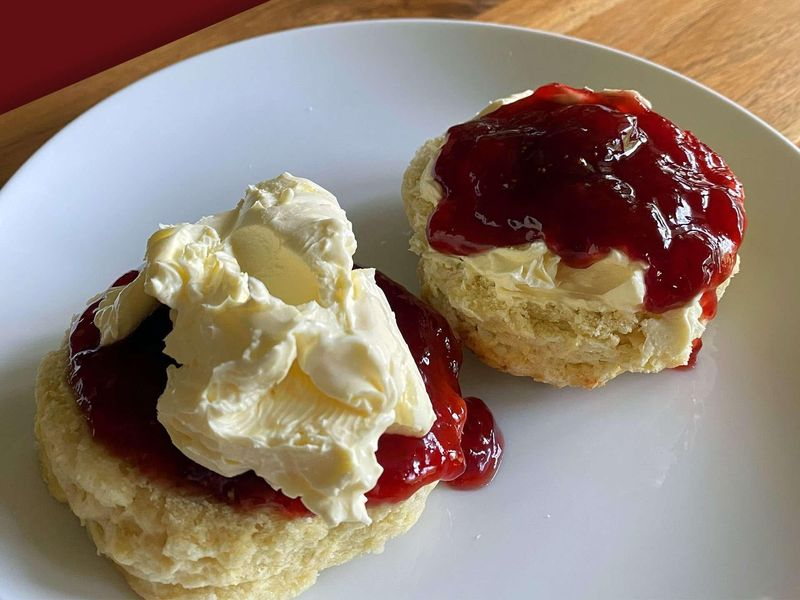
Travel to Devon and you'll quickly discover that the order of scone toppings isn't just a preference - it's a matter of regional pride. Devonians insist on spreading clotted cream first, followed by jam on top.
Break this rule and you might get some raised eyebrows or gentle corrections from locals. The neighbouring county of Cornwall does it the opposite way, creating a friendly rivalry that's lasted generations.
Visitors often find themselves accidentally choosing sides in this delicious debate without even realising the cultural significance behind their breakfast choice.
2. Always Queue Before Ordering Food Or Drinks
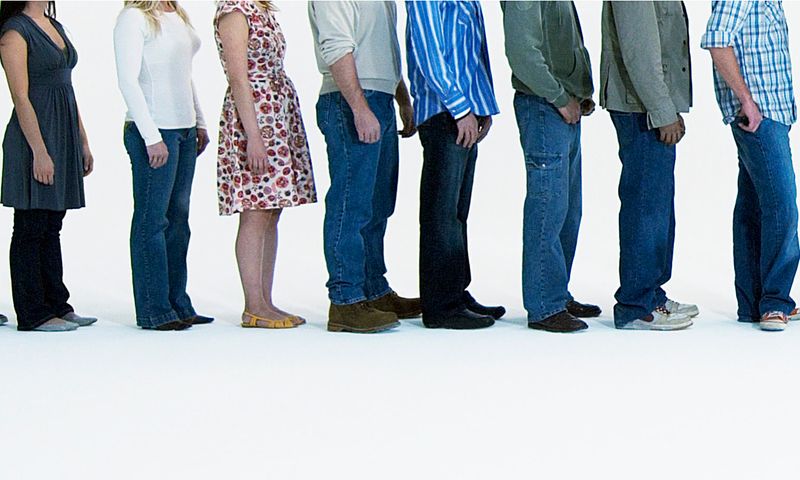
Queueing is one of those British habits that shows up fast once you start ordering food. Whether it’s fish and chips, a quick coffee, or a casual bite, people generally expect an orderly line.
Skipping ahead can earn you a look, even if nobody says a word. If there isn’t a clear queue, many people still keep a mental note of who arrived first.
A little patience usually keeps everything moving smoothly.
3. Waiting Until Everyone Is Served Before Starting
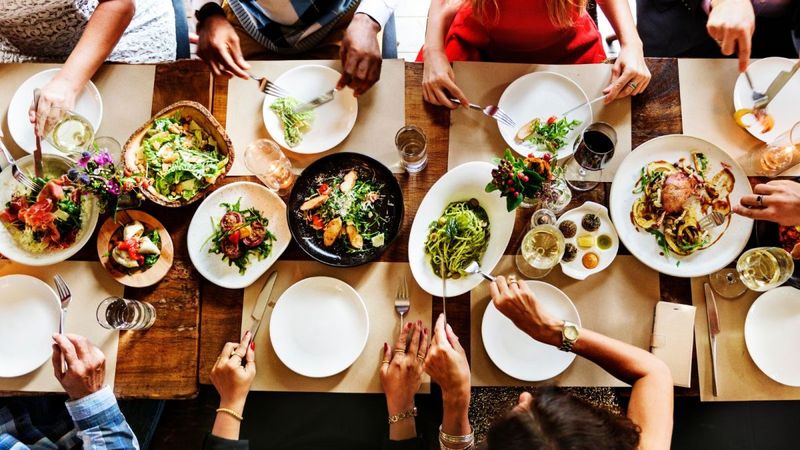
Picture this: your meal arrives piping hot whilst others at the table are still waiting. In many British settings, it’s considered polite to wait until everyone has been served before beginning.
The pause shows consideration and keeps the meal feeling shared rather than rushed. Hosts may encourage you to start, but many diners still wait a moment out of courtesy.
Once you’re used to it, the brief pause becomes second nature.
4. Using Knife And Fork Even For Foods Eaten By Hand Elsewhere
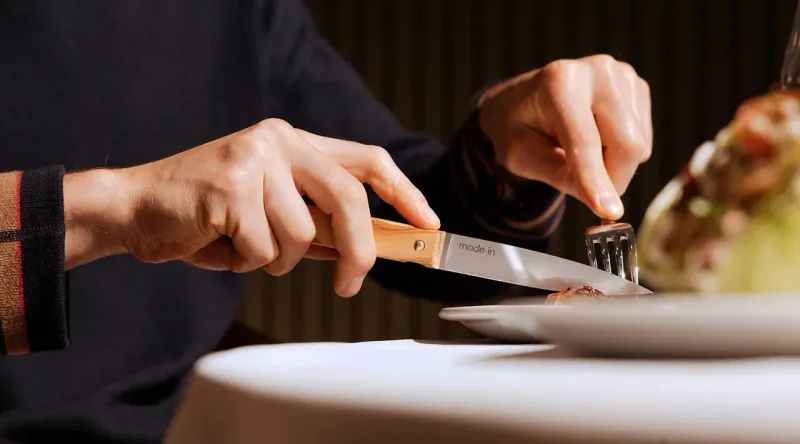
Pizza, burgers, and even chips often require cutlery in more formal British dining situations. Whilst casual eating allows fingers, many Brits automatically reach for knife and fork even when eating foods that other cultures happily handle.
This habit stems from traditional table manners where using hands was considered unsophisticated. Watch someone delicately cutting a slice of pizza into bite-sized pieces and you'll witness this rule in action.
Visitors frequently feel awkward trying to navigate a burger with utensils, but locals manage it with surprising grace and efficiency.
5. Stirring Tea Quietly Without Clinking The Spoon
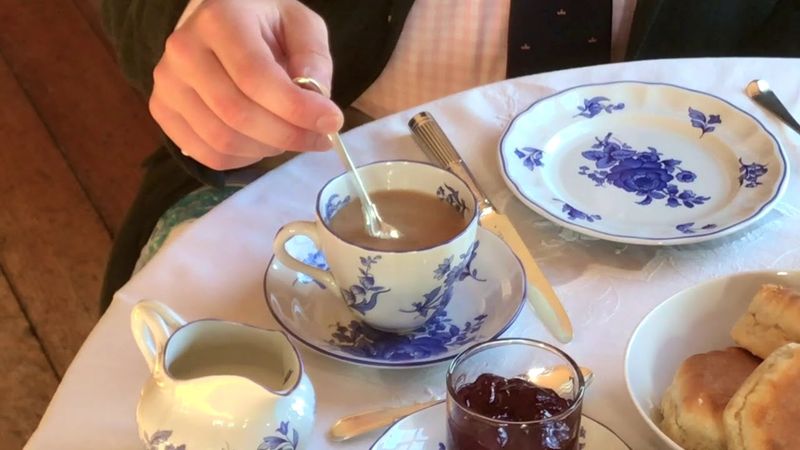
Tea comes with its own little set of manners, and noise is the main thing people try to avoid. A gentle stir is the goal, and clanking the spoon on the cup tends to stand out.
Once you’ve stirred, it’s common to pop the spoon onto the saucer rather than leave it in the mug. Most people won’t make a fuss, but it can feel a bit like talking during a quiet film.
You’ll spot the rhythm quickly after a couple of rounds.
6. Not Cutting Lettuce With A Knife In Formal Settings
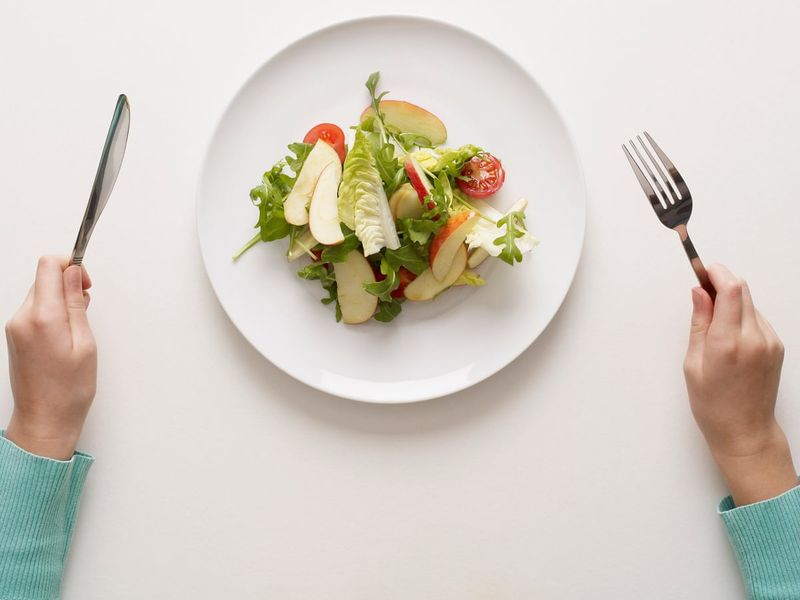
Here's a peculiar one: at formal British dinners, you're expected to fold lettuce leaves with your fork rather than cutting them with your knife. This old-fashioned rule dates back to when acidic salad dressings would tarnish silver knife blades.
Though modern cutlery doesn't have this problem, the tradition persists in posh dining circles. Guests unfamiliar with this custom often receive subtle guidance from hosts.
The rule applies specifically to lettuce in salads - other vegetables are perfectly acceptable to cut, making this one of Britain's quirkiest dining distinctions.
7. Keeping Elbows Off The Table During Meals
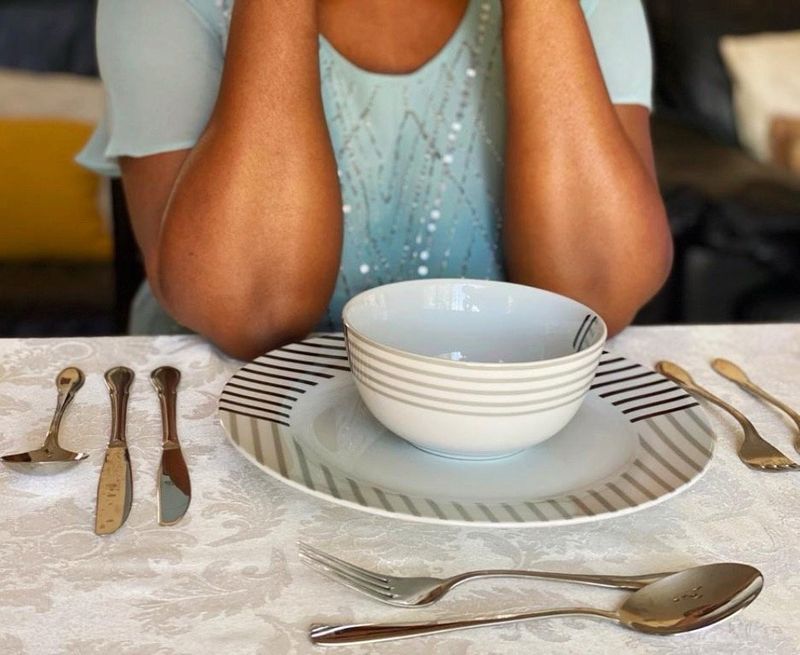
Elbows on the table is one of those classic table rules many Brits grew up hearing. In more traditional households or formal meals, keeping elbows off can still be expected.
In casual settings, people are often less bothered, but you’ll still see plenty of diners sitting with forearms closer to the edge instead. It’s less about discomfort and more about looking tidy at the table.
If you’re unsure, copying the posture of the people around you usually works.
8. Following Afternoon Tea Serving Order (Savoury, Then Scones, Then Sweets)
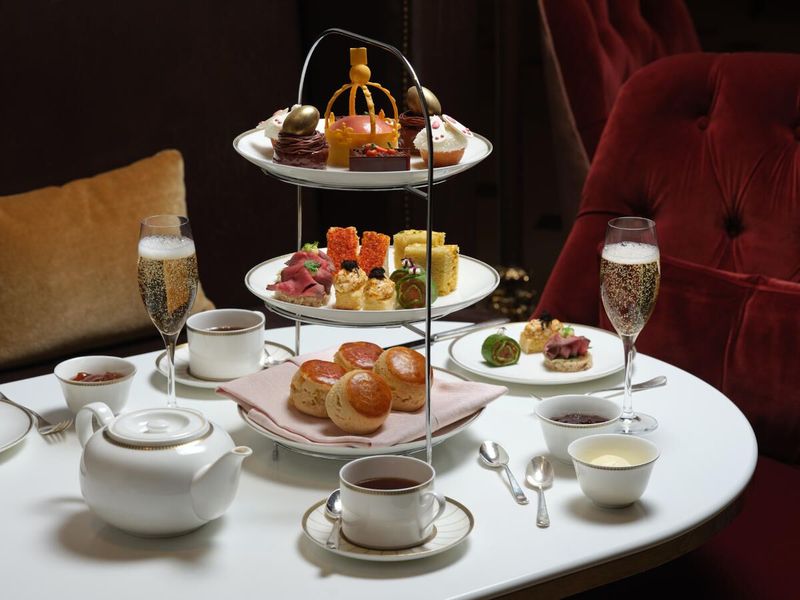
Afternoon tea usually follows a familiar order, and some places really do stick to it. Savoury sandwiches tend to come first, then scones with cream and jam, then the sweet bites at the end.
Plenty of guests mix and match, but a traditional service often encourages the classic sequence. Staff might mention it if you look unsure, especially in hotels and tea rooms.
The fun part is realising how quickly those tiers disappear once you start.
9. Waiting For The Host To Begin Eating At Formal Meals
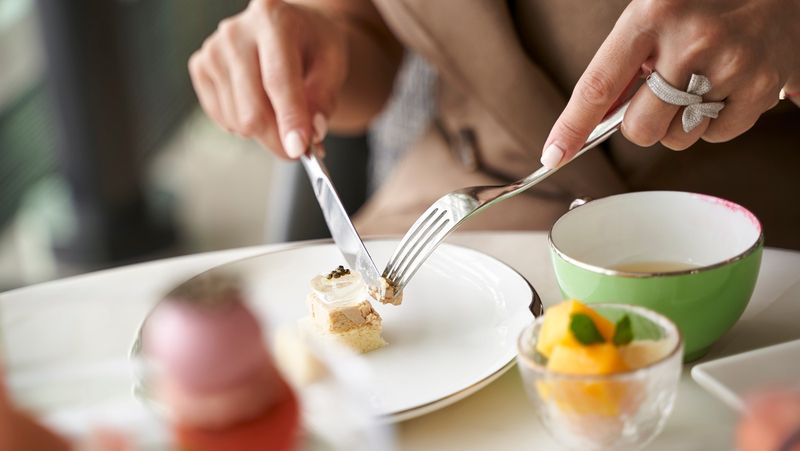
At more formal dinners, it’s common to wait for the host to begin before you start eating. It’s a small gesture that signals thanks and good manners, especially in traditional settings.
Hosts may tell guests to start, but many people still pause until others are ready. In very formal events involving the monarch, guests typically follow the lead at the top table before beginning.
Once you know to watch for that first forkful, it feels surprisingly easy.



