













Moving through daily life in Britain, food quietly becomes part of how people connect, relax, and even solve minor crises. Small routines around kettles, biscuits, and familiar comfort dishes start to feel oddly reassuring once you’ve experienced them first-hand.
Some habits might seem puzzling at first glance, yet they quickly reveal a logic rooted in convenience, tradition, and a love of simple pleasures. Stick around and you may find yourself nodding along, or recognising a few habits you’ve already picked up without realising.
This content reflects general cultural observations and everyday food customs within the UK, and individual experiences may vary by region, household preferences, and personal routines.
1. Putting The Kettle On For Almost Any Situation
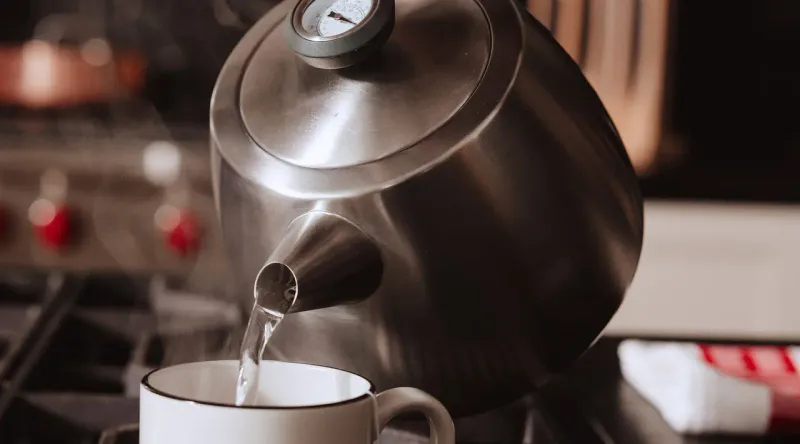
Bad news? Make a brew. Good news? Time for tea. Someone just arrived? The kettle's already boiling.
British people reach for the kettle like it's a magic solution to every moment, big or small.
This habit runs deeper than caffeine cravings. It's about creating a pause, offering comfort, and giving your hands something to do when emotions run high.
Once you've lived here long enough, you'll catch yourself filling the kettle without even thinking about it.
2. Treating Tea As A Proper Meal
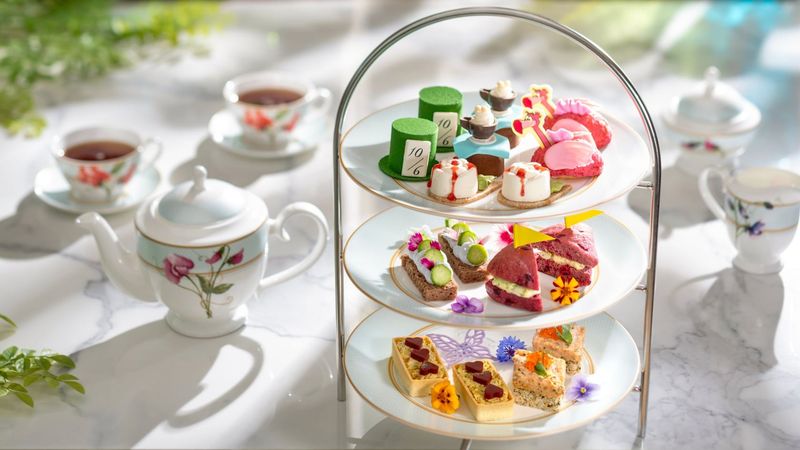
When someone invites you for tea, don't expect just a cuppa and a chat. In many British homes, tea means a full meal served in the early evening with hot dishes, vegetables, and all the trimmings.
This isn't afternoon tea with scones and finger sandwiches. It's dinner, plain and simple, just called by a different name.
The confusion clears up once you realise that tea can mean both the drink and the meal, depending entirely on context and region.
3. Having Biscuits With Nearly Every Hot Drink
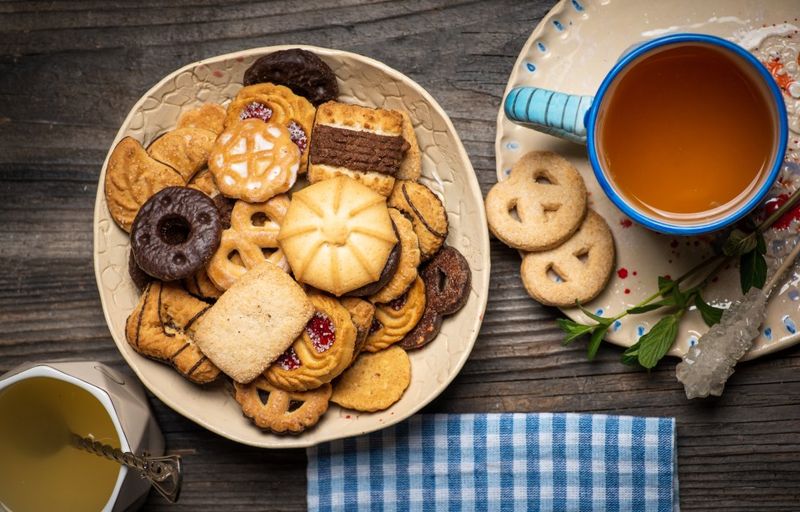
Coffee breaks and tea times come with an unspoken rule: biscuits are mandatory. Whether it's a digestive, a custard cream, or a chocolate Hobnob, something sweet always accompanies the cup.
It's not about being fancy or indulgent. Biscuits provide the perfect balance to a hot drink, offering a moment of comfort during busy days.
Before long, you'll find yourself feeling like something's missing if your mug arrives without a biscuit on the side.
4. Loving A Full Fry-Up At Any Time Of Day
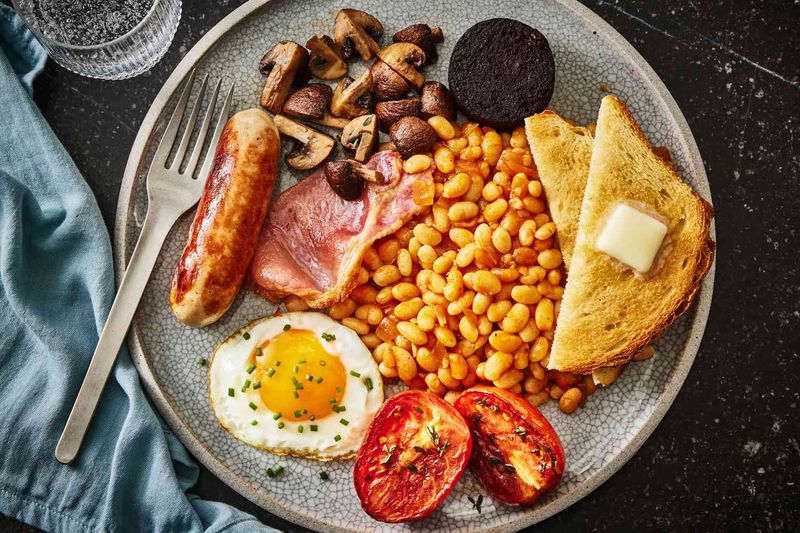
Breakfast might be the traditional time for a full English, but Brits don't limit themselves to morning hours. Sausages, bacon, eggs, beans, and toast can appear at lunch, dinner, or even late at night after a long shift.
There's something brilliantly satisfying about a fry-up that transcends mealtime rules. It's hearty, filling, and nostalgic all at once.
Once you've experienced the joy of a proper cooked breakfast at 6pm on a Sunday, you'll never question the timing again.
5. Adding Gravy To More Foods Than You Expect
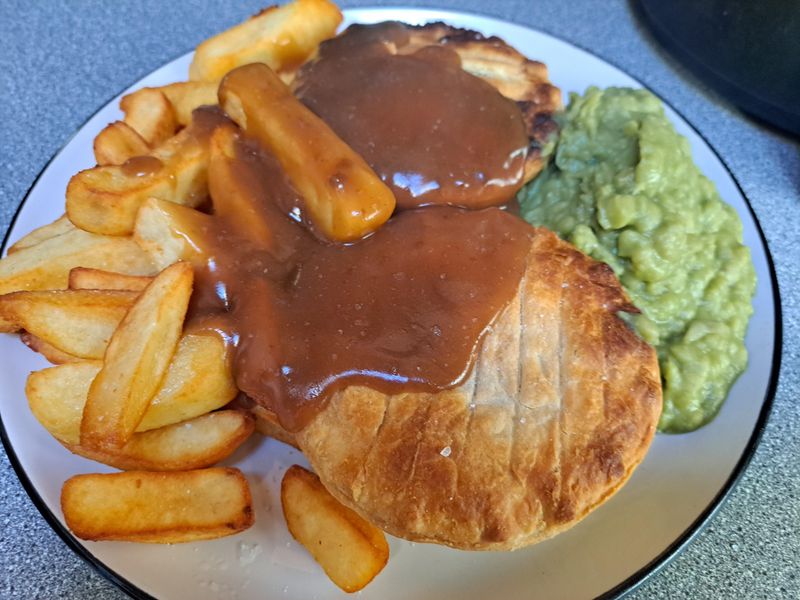
Chips get gravy. Pies get gravy.
Mash needs gravy. Even sandwiches sometimes get a gravy dip on the side.
British cuisine takes this savoury sauce seriously, pouring it over dishes that might surprise newcomers.
Gravy isn't just a topping; it's the glue that holds a meal together. It adds moisture, flavour, and a sense of home to even the simplest plate.
After a few months here, you'll start spotting opportunities for gravy where you never imagined before.
6. Eating Crisps As A Sandwich Filling
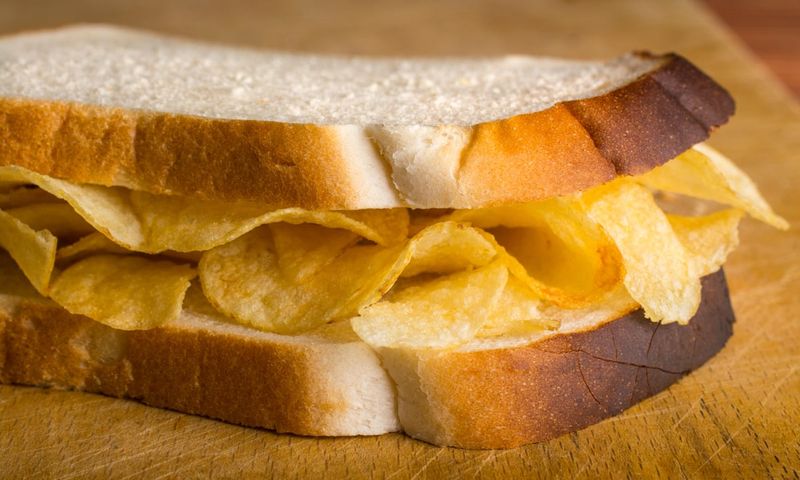
Yes, people actually put crisps inside their sandwiches. It sounds bizarre until you try it yourself and discover the genius of that satisfying crunch against soft bread and butter.
Crisp sandwiches aren't gourmet, but they're quick, cheap, and oddly delicious. Ready salted, cheese and onion, or salt and vinegar - each flavour brings something different to the bite.
Once you've had one during a rushed lunch break, you'll understand why this habit refuses to die out across generations.
7. Keeping A Biscuit Tin Even When It's Never Full
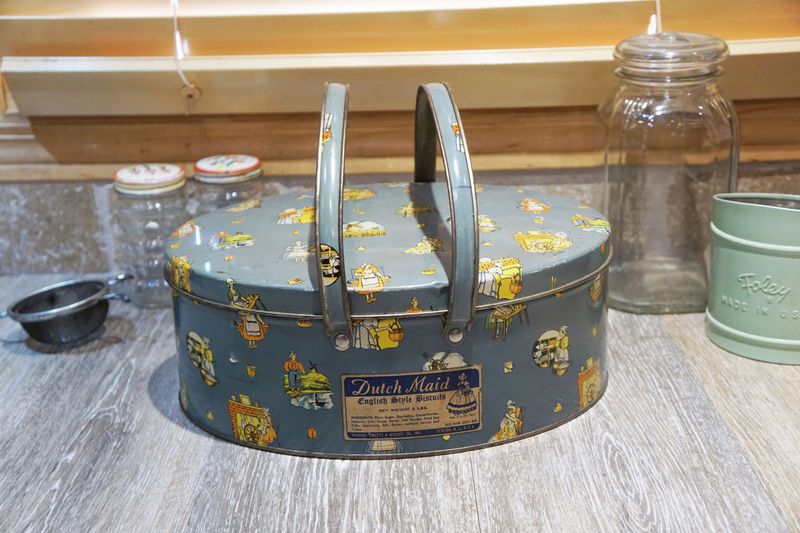
Walk into almost any British kitchen and you'll spot a biscuit tin sitting on the counter or tucked in a cupboard. Opening it often reveals just crumbs, a single broken digestive, or random odds and ends that aren't even biscuits.
Yet nobody throws the tin away. It's a symbol of hospitality, a promise that biscuits will return, and sometimes a handy storage spot for sewing supplies or spare batteries.
The tin stays because tradition matters more than practicality here.
8. Having Pudding Even When You're Already Full
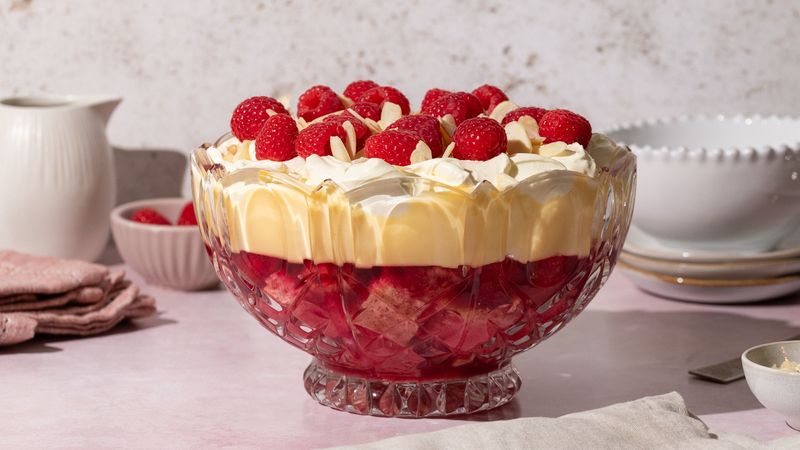
Pudding isn't optional - it's the grand finale. Even when you're stuffed from the main course, there's always room for something sweet, whether it's a slice of cake, a bowl of trifle, or a simple biscuit with your tea.
Skipping pudding feels incomplete, like leaving a story without an ending. It's woven into the rhythm of British meals, marking the official close of eating.
After enough Sunday roasts, you'll find yourself saving space for dessert no matter how full you feel.
9. Preferring Butter On Sandwiches Instead Of Mayonnaise

Mayonnaise might dominate sandwiches elsewhere, but in Britain, butter is king. A thin layer of butter on each slice of bread is the foundation of nearly every sandwich, from cheese and pickle to ham and mustard.
It's not about taste alone - it's texture and tradition. Butter adds richness without overpowering the filling, and it keeps the bread from getting soggy.
Once you've adjusted, a dry or mayo-only sandwich will feel like something's missing.
10. Using Leftover Roast For Multiple Meals
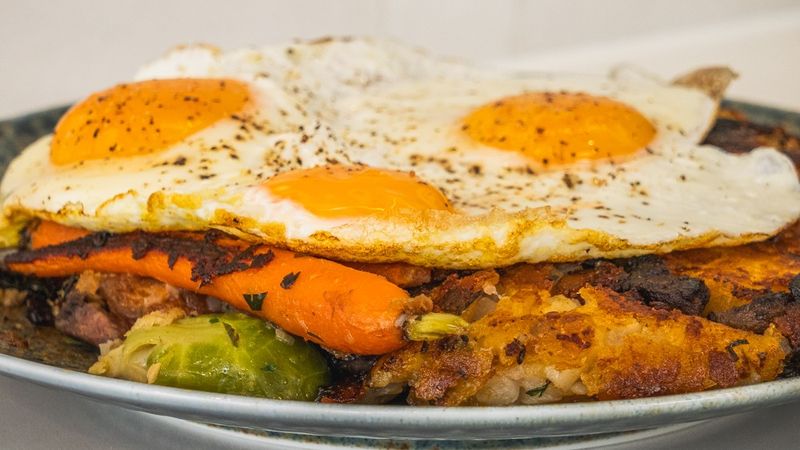
A Sunday roast rarely ends on Sunday in many households. Leftover meat, vegetables, and potatoes often turn into sandwiches, bubble and squeak, comforting pies, or hearty soups over the following days.
This habit comes from a long-standing love of stretching ingredients and avoiding unnecessary waste. Each remake feels slightly different, which keeps leftovers from ever feeling boring.
Once you get into the rhythm of planning a second round of meals, it becomes one of the most satisfying parts of roast culture.
11. Eating Cold Food Straight From The Fridge Without Fuss
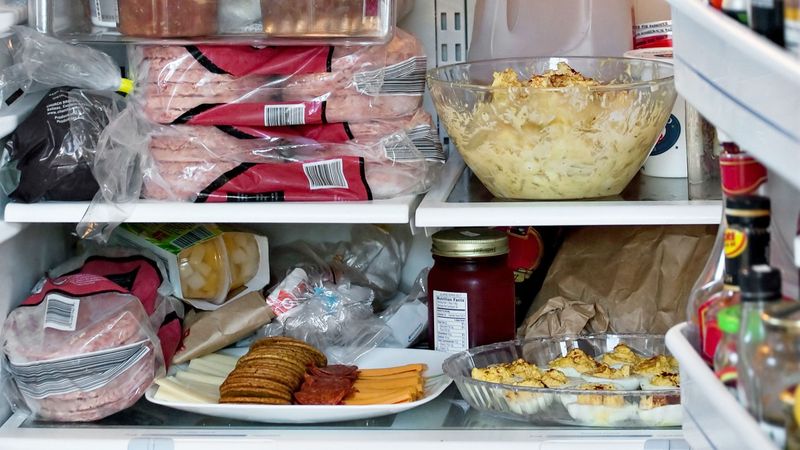
Cold pizza, yesterday's curry, or a slice of quiche - Brits don't always bother reheating. Grabbing something straight from the fridge and eating it cold is perfectly normal, especially during a quick lunch or late-night snack.
It's practical, saves time, and honestly, some foods taste surprisingly good chilled. There's no drama, no judgement, just efficient eating.
After a few months of British life, you'll find yourself doing the same without a second thought.
12. Planning Social Catch-Ups Around Food Rather Than Activities
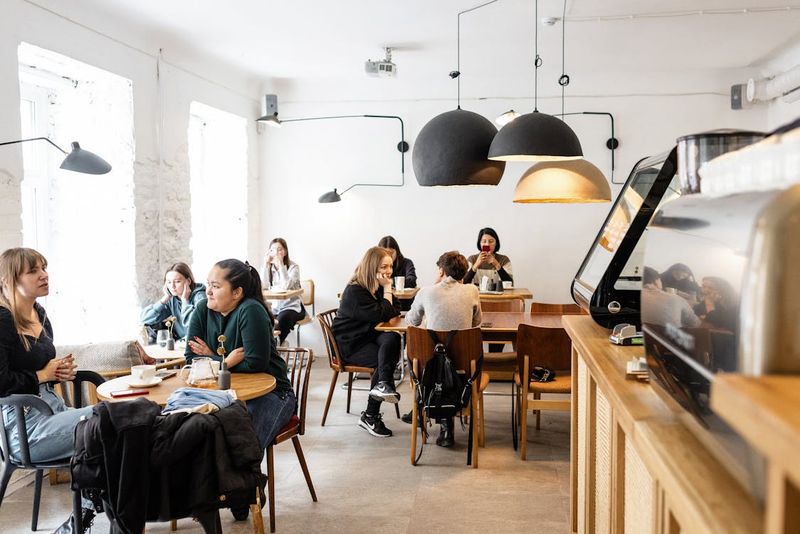
Meeting a friend? Suggest lunch. Celebrating something? Book a restaurant. Catching up with family? Arrange a roast.
British socialising revolves heavily around sitting down together over food rather than doing activities like bowling or hiking.
Food creates a natural setting for conversation without pressure or distraction. It's relaxed, inclusive, and gives everyone something to enjoy while they chat.
Once you've settled in, you'll realise that suggesting coffee or a meal is the easiest way to reconnect with anyone.



