









Bread tells a story long before the first bite, shaped by local grain, climate, and centuries of everyday cooking. Some loaves are meant for tearing and sharing at the table, while others are built for slow breakfasts and long conversations.
Travel across Europe and you quickly notice how proudly each country protects its own baking traditions, from crackly crusts to soft, comforting centres. A closer look reveals how something so simple can feel completely different from one border to the next.
All information is provided for general interest only. Traditions, recipes, and availability may vary by region and household.
1. France - Baguette Tradition
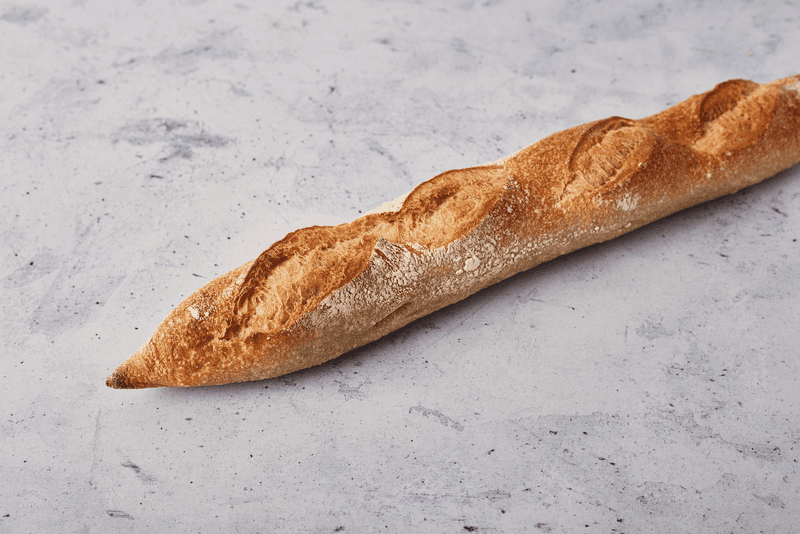
Parisians queue up daily for this golden-crusted masterpiece, and for good reason. Baguette Tradition uses only four ingredients - flour, water, salt, and yeast - without any additives or preservatives that mass-produced versions contain.
The crust shatters with each bite, revealing a soft, airy interior with irregular holes. Bakers across France compete fiercely in annual contests to crown the best baguette maker, proving this bread is serious business and a matter of national pride.
2. Italy - Ciabatta

Born in 1982 as Italy's answer to French bread dominance, ciabatta means "slipper" in Italian, named for its flat, elongated shape. The dough is incredibly wet and sticky, which creates those signature large air pockets inside.
Its crispy crust and chewy texture make it perfect for panini or dipping into olive oil. Home bakers often find ciabatta challenging because the high hydration dough requires gentle handling and patience during the lengthy fermentation process.
3. Germany - Pumpernickel
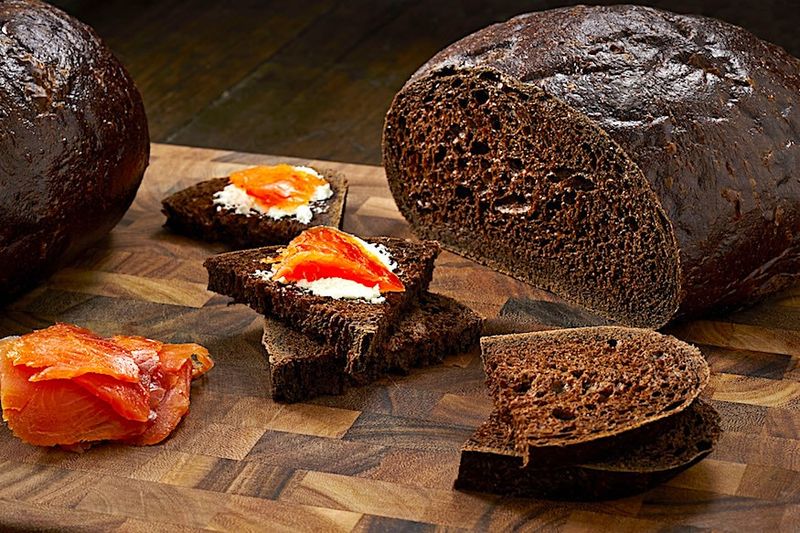
This dark, dense rye bread gets its distinctive colour and sweet flavour from baking for up to 24 hours at low temperatures. Westphalian pumpernickel is the traditional version, made with coarsely ground rye and no added sweeteners.
The long baking process caramelises the natural sugars in the grain, creating a slightly sweet, earthy taste. Germans typically enjoy thin slices topped with cheese, smoked fish, or cold meats, and the bread stays fresh for weeks when properly stored.
4. Spain - Pan De Cristal
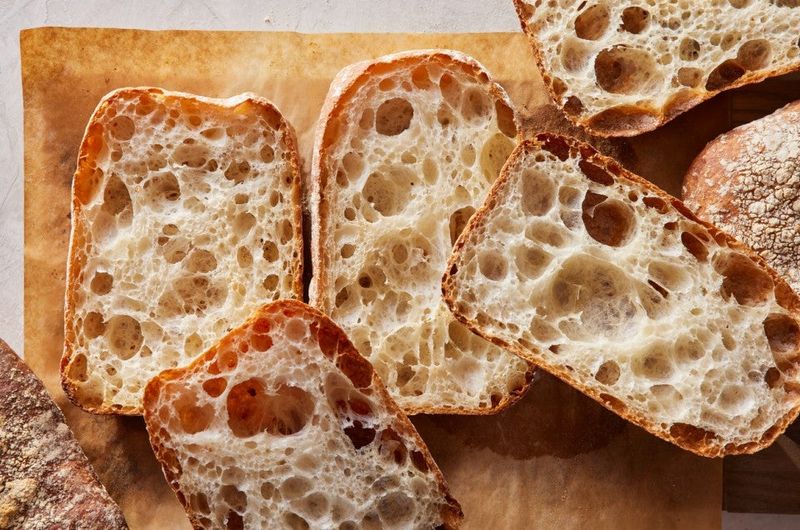
Translating to "glass bread," this Spanish loaf features an impossibly thin, crispy crust that practically shatters like glass when you break it. Barcelona bakers pioneered this bread in the 1990s, using high hydration dough similar to ciabatta.
The interior is light and full of irregular holes, making it ideal for Spanish breakfast toasts with tomato and olive oil. Creating pan de cristal requires skill because the wet dough demands precise handling to achieve that signature delicate crunch.
5. Portugal - Broa De Milho
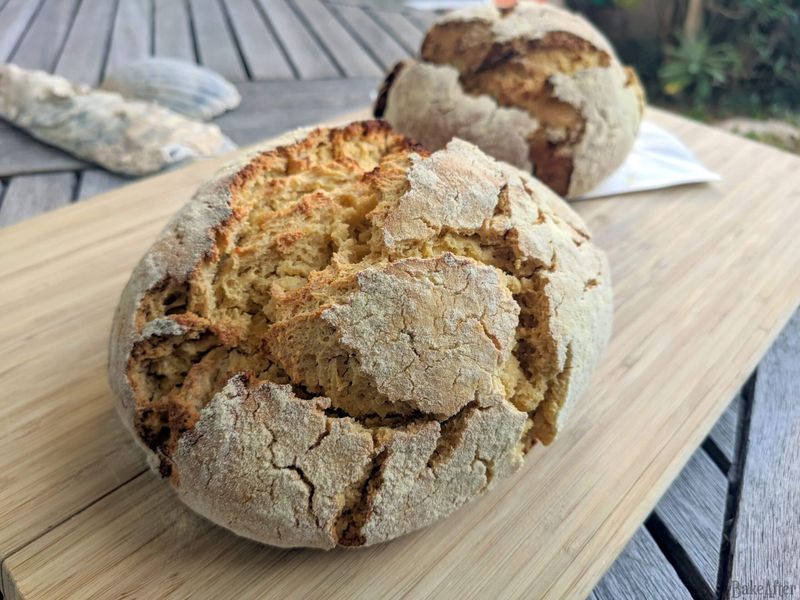
Portuguese families have been baking this rustic cornbread for generations, especially in the northern regions where maize grows abundantly. Broa combines cornmeal with rye or wheat flour, creating a dense, slightly sweet loaf with a golden crumb.
The bread pairs beautifully with hearty Portuguese soups like caldo verde or grilled sardines. Its thick crust and substantial texture mean it stays fresh longer than wheat-only breads, making it practical for rural households with less frequent baking days.
6. Ireland - Soda Bread
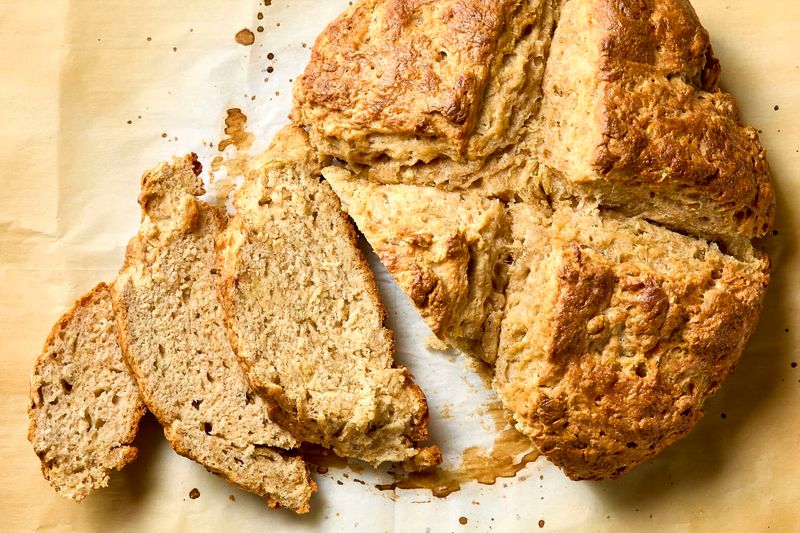
Irish kitchens have relied on this quick bread since bicarbonate of soda became widely available in the 1840s. Unlike yeasted breads, soda bread uses baking soda and buttermilk to create rise, meaning you can mix and bake it within an hour.
The traditional cross cut on top isn't just decorative - it helps the heat penetrate the dense dough and, according to folklore, lets the fairies out. Serve warm slices with butter and jam for an authentic taste of Ireland.
7. United Kingdom - Cottage Loaf

This iconic British bread looks like two round loaves stacked on top of each other, creating its distinctive appearance. Medieval bakers created this shape to maximise oven space, fitting more loaves in each batch.
The technique requires pressing a smaller ball of dough onto a larger one, then pushing a wooden spoon handle through both to seal them together. Cottage loaves have a wonderful crust-to-crumb ratio, with extra crusty bits where the two sections meet, perfect for proper British sandwiches.
8. Sweden - Knäckebröd
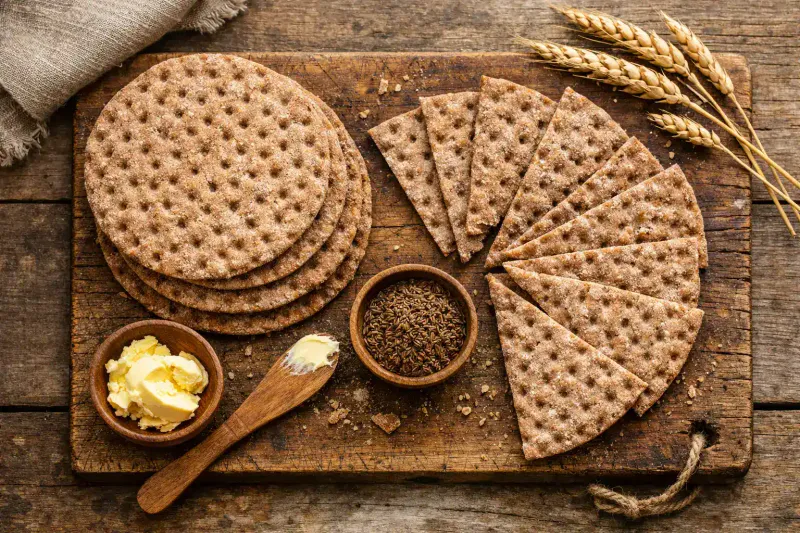
Swedish crispbread has been a long-standing part of everyday meals, valued for its simplicity and impressive shelf life. Knäckebröd is usually made with rye flour, water, and salt, rolled thin and baked until completely dry and crunchy.
Traditional round versions often feature a hole in the centre so the bread could be stored on poles or hooks in the kitchen. The texture stays firm and snappy, making it perfect for topping with butter, cheese, or pickled fish.
Its ability to keep well without going stale made it especially practical in colder climates where fresh baking was less frequent.
9. Finland - Ruisleipä
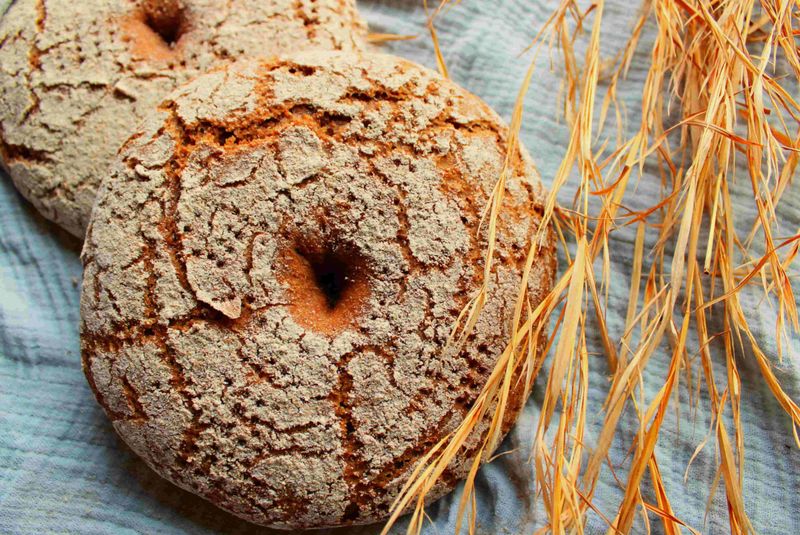
Finns consume more rye bread per capita than any other nation, and ruisleipä is their beloved dark rye loaf. Made primarily from rye flour, this bread has a dense, moist texture and slightly sour flavour from long fermentation.
Traditional versions include a hole in the middle for hanging during storage, just like Swedish crispbread. The bread's hearty nature provides sustained energy, which Finnish people have relied on through long, dark winters.
It pairs perfectly with fish, cheese, or simply butter and salt.
10. Poland - Obwarzanek Krakowski
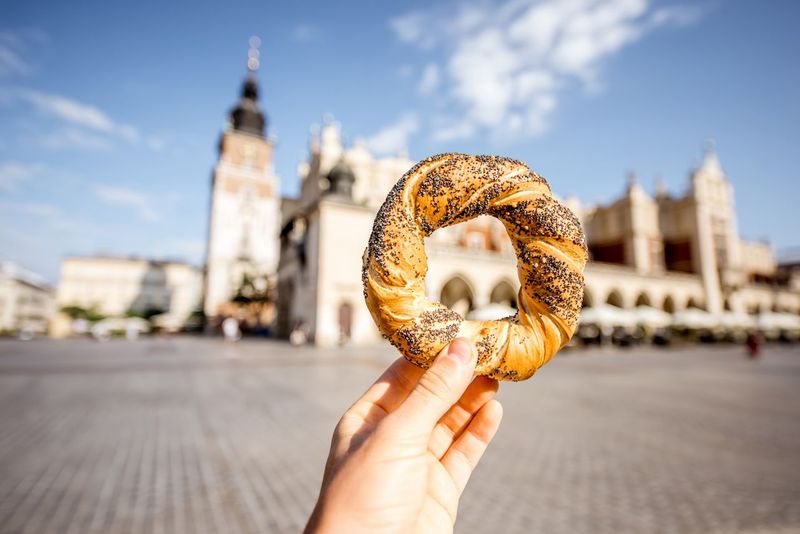
Kraków's streets have been filled with vendors selling these ring-shaped breads since the 14th century, making obwarzanek one of Europe's oldest protected regional foods. The dough gets twisted into a characteristic spiral, boiled briefly, then topped with salt, sesame, or poppy seeds before baking.
This boiling step gives the bread its shiny, chewy crust, similar to bagels but with a lighter, airier interior. Locals grab them fresh from street carts for breakfast or a quick snack throughout the day.
11. Austria - Kaiser Roll
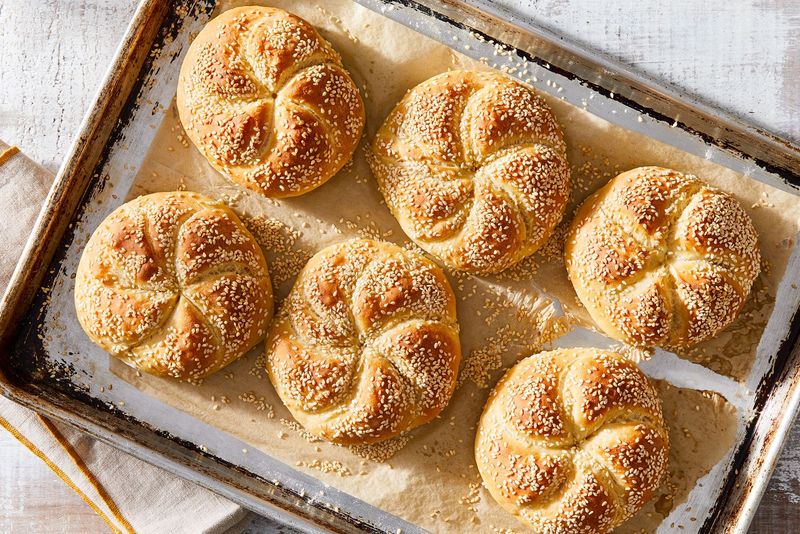
Emperor Franz Joseph I inspired the name of these iconic Austrian rolls, which feature a distinctive star pattern of five segments on top. Bakers create this pattern using a special stamp or by hand-forming the dough into a star shape.
The crust is crispy and often topped with poppy seeds, whilst the interior stays soft and slightly chewy. Viennese breakfast tables aren't complete without kaisersemmeln, as Austrians call them, split open and filled with ham, cheese, or jam for a proper morning meal.
12. Switzerland - Zopf
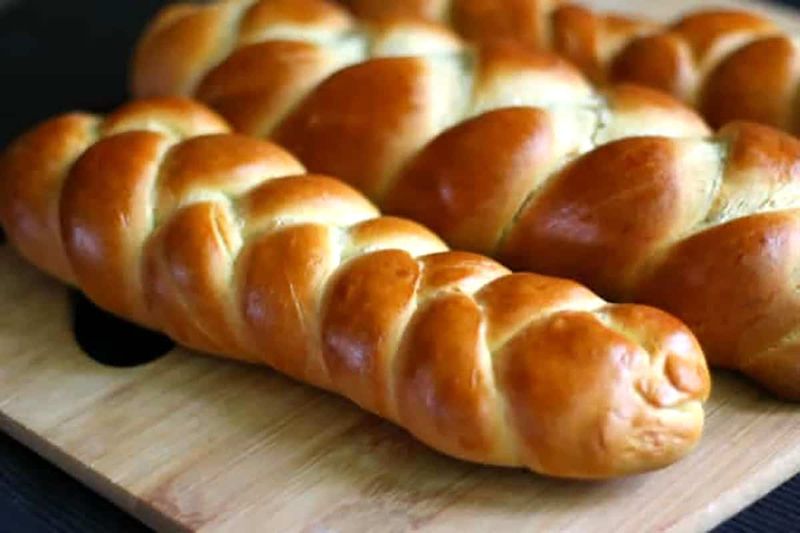
Zopf is a much-loved Swiss braided bread, commonly enjoyed on relaxed weekend mornings and special family breakfasts. Made with white flour, milk, butter, and eggs, the enriched dough bakes into a soft crumb with a gently golden crust.
The name means braid in German, and most loaves are shaped into a simple three-strand plait, although decorative variations are also popular. Mild sweetness and tender texture make it equally suited to butter and jam or being turned into French toast the next day.
Many Swiss bakeries take great pride in their zopf, treating it as a symbol of traditional baking craft and comfort food.
13. Greece - Lagana
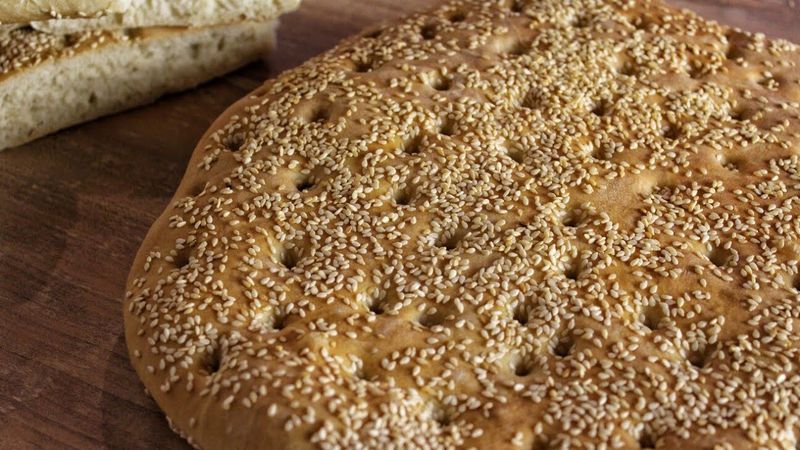
Greeks bake this special flatbread only on Clean Monday, the first day of Orthodox Lent, making it one of the most culturally significant breads in Greek tradition. Lagana contains no yeast, using only flour, water, salt, and olive oil to create a flat, oval-shaped bread.
The top is typically dotted with sesame seeds and finger indentations before baking. Families enjoy lagana with taramosalata, olives, and other Lenten foods during outdoor picnics that mark the beginning of spring and the fasting period before Easter.
14. Denmark - Rugbrød

Danish lunch tables always feature this dense, dark rye bread, which forms the foundation of traditional smørrebrød open-faced sandwiches. Rugbrød uses whole rye kernels, cracked rye, and rye flour, creating an incredibly hearty loaf that's more nutritious than lighter breads.
The bread requires long, slow baking and stays moist for days, making it practical and economical. Danes typically slice it very thin and pile on toppings like pickled herring, liver pâté, or roast beef with remoulade for a proper Danish lunch experience.
15. Turkey - Simit
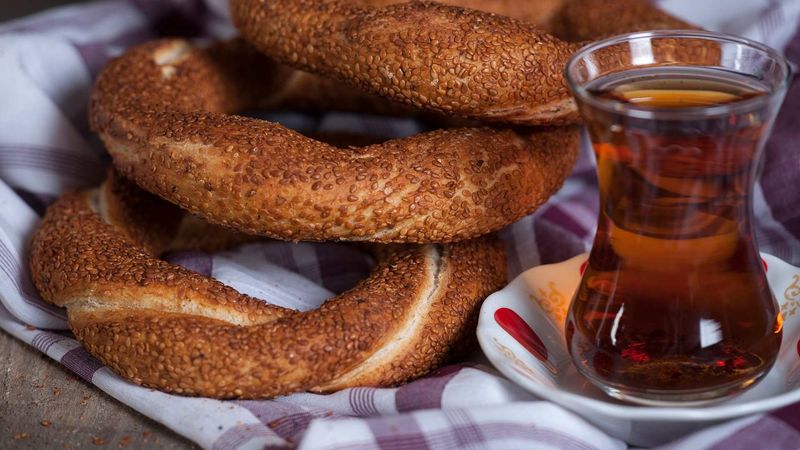
Istanbul's streets come alive each morning with vendors carrying trays of these sesame-encrusted rings on their heads. Simit dough gets dipped in grape molasses before rolling in sesame seeds, which gives the bread its distinctive shiny, golden appearance and slightly sweet flavour.
The texture is chewy yet light, perfect for grabbing on the go with a glass of Turkish tea. Street carts sell millions of simit daily across Turkey, making it arguably the country's most popular breakfast item and beloved street food.
16. Hungary - Kürtőskalács
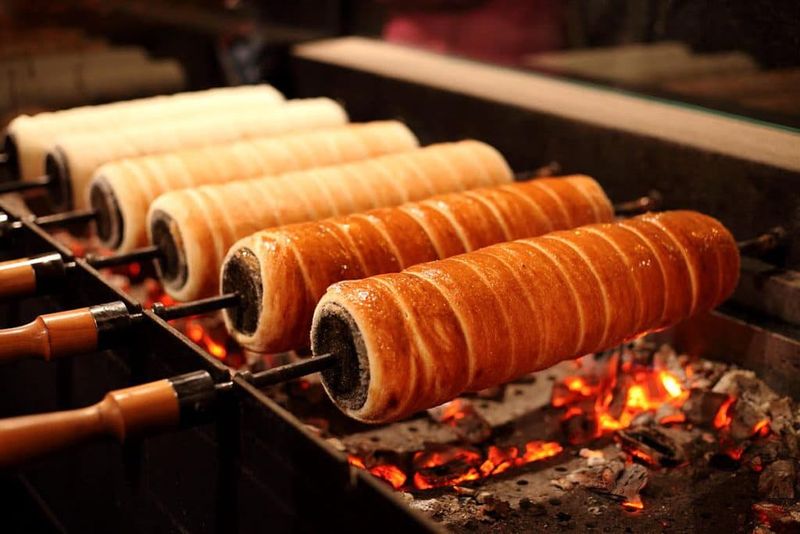
Watch Hungarian bakers wrap sweet dough around wooden cylinders and roast them over open flames to create this spectacular chimney cake. As it bakes, the dough gets brushed with butter and rolled in cinnamon sugar, creating caramelised, crispy layers.
The result is a hollow, spiral-shaped bread that's crispy outside and soft inside, often topped with nuts, cocoa, or coconut. Originally from Transylvania, kürtőskalács has become a beloved Hungarian treat at Christmas markets and festivals throughout Central Europe.
17. Romania - Cozonac
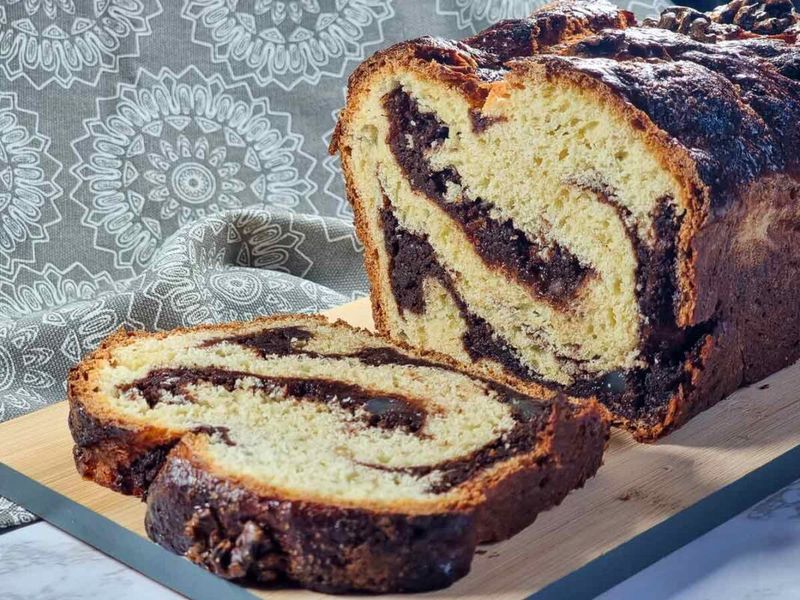
Romanian Easter and Christmas celebrations wouldn't be complete without this rich, sweet bread swirled with cocoa, nuts, or Turkish delight. Making cozonac is a labour of love, requiring multiple rises and careful kneading to develop the soft, fluffy texture.
The dough is enriched with eggs, milk, butter, and sugar, then rolled out, filled, and twisted into elaborate braided loaves. Romanian grandmothers guard their cozonac recipes closely, and families often compare whose version turned out lightest and most flavourful after holiday feasts.
18. Norway - Lefse
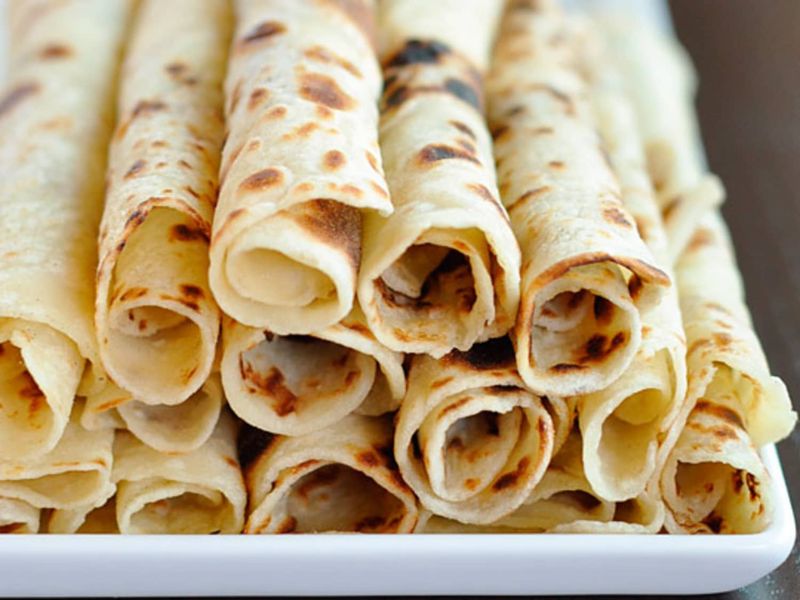
Norwegian families roll out this potato-based flatbread paper-thin and cook it on special griddles during Christmas preparations. Lefse combines mashed potatoes with flour, creating a soft, pliable bread that's traditionally spread with butter and sugar, then rolled up like a tortilla.
The technique requires skill - rolling the delicate dough thin enough without tearing takes practice. Norwegian-Americans have kept the lefse tradition alive, with church basements across the Midwest hosting annual lefse-making gatherings where generations pass down their techniques.
19. Netherlands - Tijgerbrood
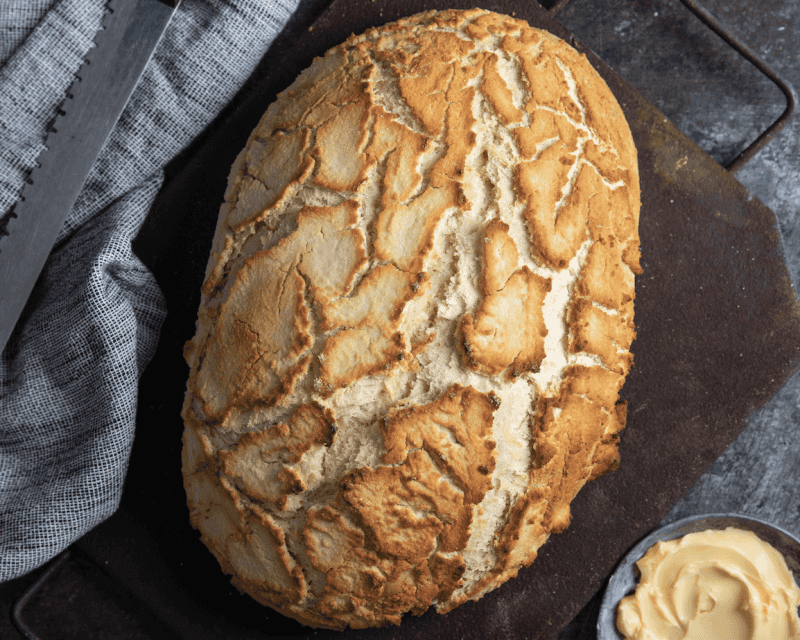
Dutch bakeries proudly display this striking bread with its distinctive crackled, tiger-striped crust that gives tijgerbrood its name. The pattern comes from brushing the dough with a rice flour paste before baking, which dries and cracks as the bread rises.
Underneath the dramatic exterior lies soft, slightly sweet white bread perfect for sandwiches. The Dutch love their tijgerbrood for lunch, typically slicing it horizontally and filling it with cheese, ham, or chocolate sprinkles - yes, hagelslag on bread is a proper Dutch lunch option.
20. Belgium - Pistolet

Belgian breakfast wouldn't be the same without these small, crusty rolls that are lighter than French bread but sturdier than Italian rolls. Pistolets have a distinctive oval shape with a crease down the middle, creating two sections that easily pull apart.
The crust is crispy whilst the interior stays airy and soft, making them ideal for splitting and filling with chocolate spread or jam. Belgian bakeries bake pistolets multiple times daily, ensuring locals can always grab fresh rolls for their morning coffee or afternoon break throughout the day.