













Australia’s diverse food culture blends British influences, Indigenous ingredients, and modern culinary innovation, offering flavours that range from comforting to adventurous. Some Aussie foods have become iconic favourites, while others divide opinion – sparking curiosity among British visitors.
Whether it’s unique snacks or traditional dishes, Australian cuisine has something to intrigue every palate, though some choices might be harder to embrace than others. Here’s a look at Australian foods that attract interest from British food lovers and those that they tend to skip.
This content is for general information only. Food preferences and cultural differences may influence individual reactions to specific dishes.
Images are for illustrative purposes only.
Australian Foods Britons Are Curious To Taste
Australia's food culture has gained widespread attention for its fusion of British influences, Indigenous ingredients, and innovative cooking styles. As British food lovers explore new culinary horizons, many are intrigued by the unique flavours that define Australian cuisine.
From iconic snacks like Tim Tams to the savoury allure of Vegemite, there's a sense of adventure in trying these distinctly Aussie foods. While some dishes may feel familiar, others offer surprising twists that beckon curious palates.
As British visitors continue to discover the variety in Australian food, certain dishes are starting to make their way onto UK shelves, sparking interest and conversation.
1. Vegemite
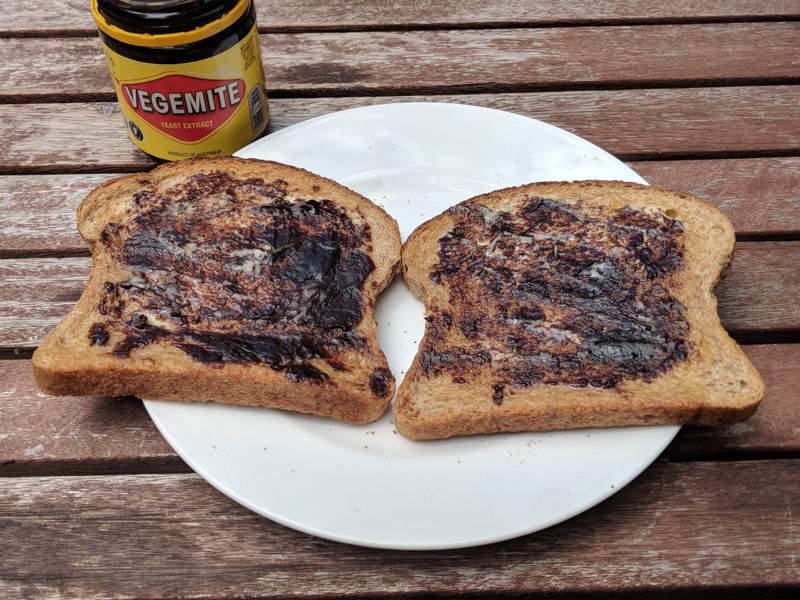
Dark as midnight and packed with umami punch, this yeast extract spread divides opinions faster than Marmite ever could. Australians swear by a paper-thin smear on hot buttered toast, but newcomers often slap it on thick and regret everything.
The salty, savoury intensity comes from leftover brewers' yeast, giving it a flavour profile that's both familiar and completely foreign to British palates. Loaded with B vitamins, it's considered a breakfast staple Down Under, though mastering the correct spreading technique takes practice and patience.
2. Tim Tams
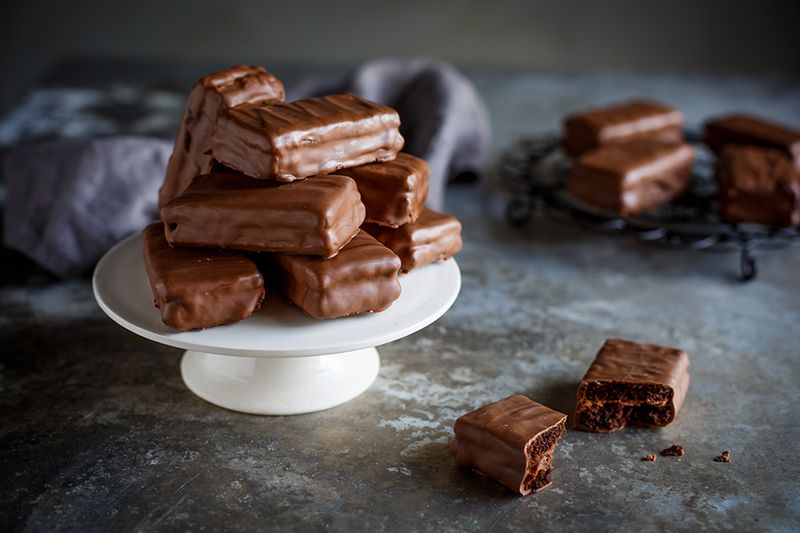
Two chocolate malted biscuits sandwich a light chocolate cream filling, then get dunked in a thick chocolate coating that makes British chocolate digestives look positively plain. The texture hits differently – crisp outer layers give way to that smooth, creamy centre in a way that feels almost engineered for perfection.
Aussies have turned eating these into an art form called the Tim Tam Slam, where you bite opposite corners and use it as a straw for hot drinks. The biscuit melts from the inside out, creating a gooey chocolate experience that's become legendary among those who've tried it.
3. Pavlova
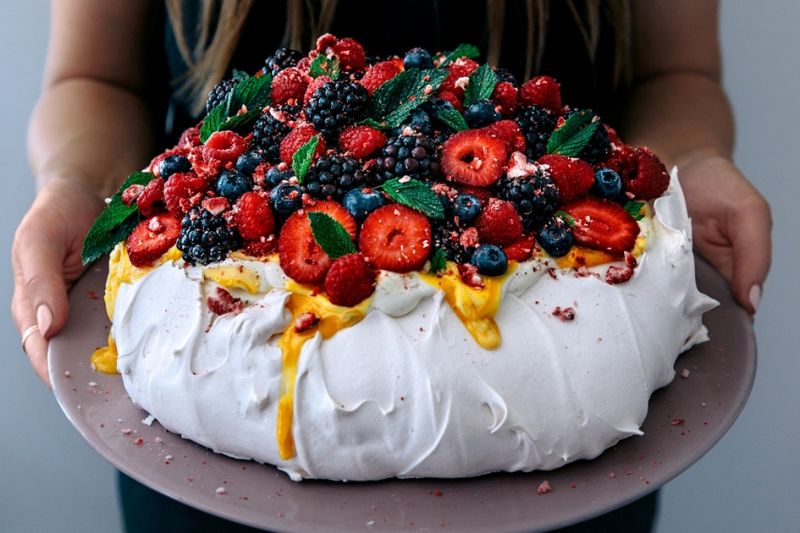
Crispy on the outside, marshmallowy within – this meringue-based showstopper looks like something from a fancy bakery but tastes like clouds and sugar had a baby. Named after a Russian ballerina, it's claimed by both Australia and New Zealand, though Aussies insist they perfected it first.
Fresh cream gets piled high on top, then decorated with whatever fruit looks good that day, typically kiwi, strawberries, and passionfruit for that tropical touch. The contrast between crunchy shell and pillowy centre creates a texture experience that keeps people coming back, especially during summer celebrations and Christmas dinners.
4. Lamingtons
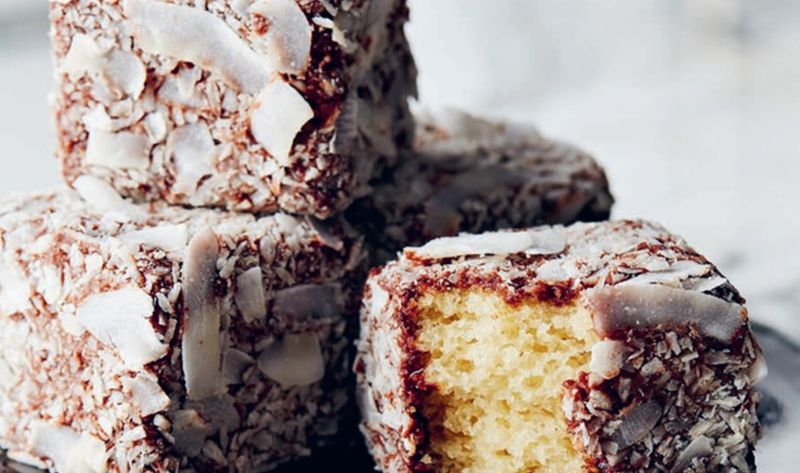
Picture a cube of sponge cake getting a chocolate bath before rolling around in shredded coconut like it's at the beach. These little squares look simple but pack serious nostalgia for Australians who grew up with them at school fetes and fundraisers.
Some versions hide a layer of cream or jam in the middle, turning a simple treat into something more indulgent. The combination of fluffy cake, sweet chocolate, and coconut texture creates a flavour profile that's distinctly Australian, though the concept might remind Britons of a posher, more tropical version of a chocolate-covered marshmallow.
5. Meat Pies
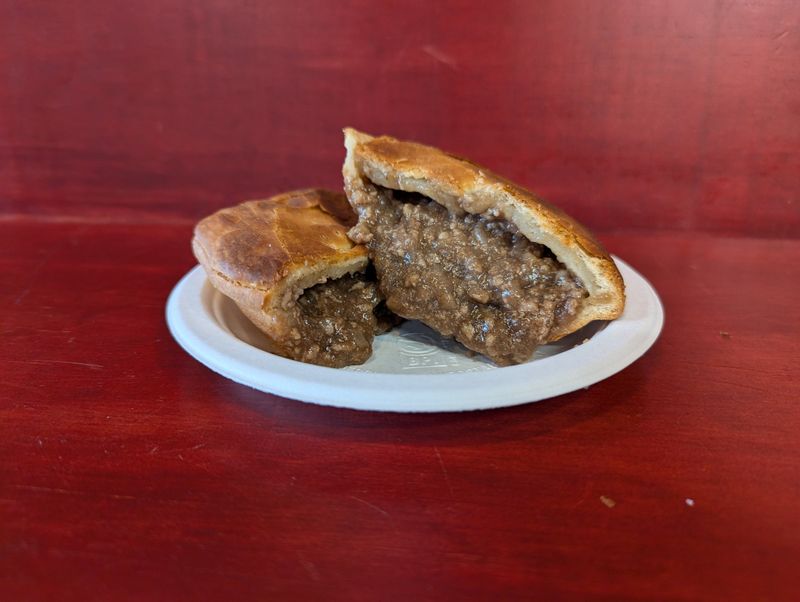
Hand-sized pastry parcels filled with minced meat and thick gravy have become Australia's unofficial national dish, sold everywhere from petrol stations to footy matches. The pastry stays crisp while the filling runs hot and savoury, often enhanced with mushrooms, onions, or a layer of melted cheese on top.
Aussies eat these standing up at sporting events, often topped with tomato sauce in a way that would make a British pie purist raise an eyebrow. The portable format and comforting flavours make them perfect for eating on the go, though they're messier than they look.
6. Fairy Bread
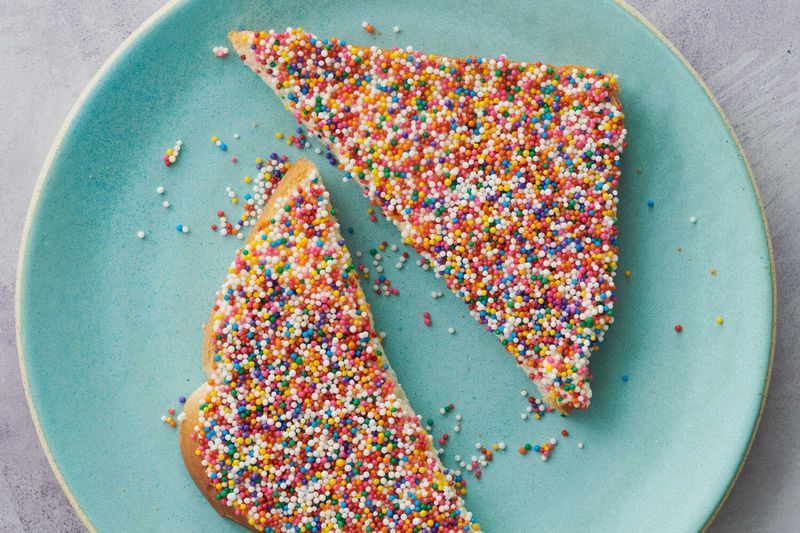
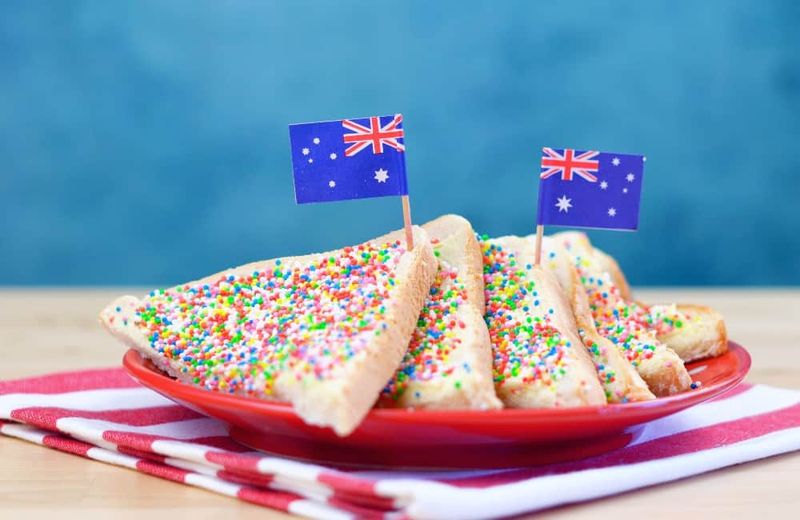
White bread, butter, and rainbow sprinkles – that's it, that's the whole recipe, and somehow it's a cherished part of Australian childhood. What looks like something a toddler invented during unsupervised kitchen time is actually a birthday party staple that adults get genuinely nostalgic about.
The hundreds and thousands (as Aussies call sprinkles) add a satisfying crunch and sugar hit to plain buttered bread, creating a texture contrast that's oddly compelling. British visitors often can't believe this qualifies as party food, but try telling that to an Australian who grew up considering it the highlight of every birthday spread.
7. Anzac Biscuits
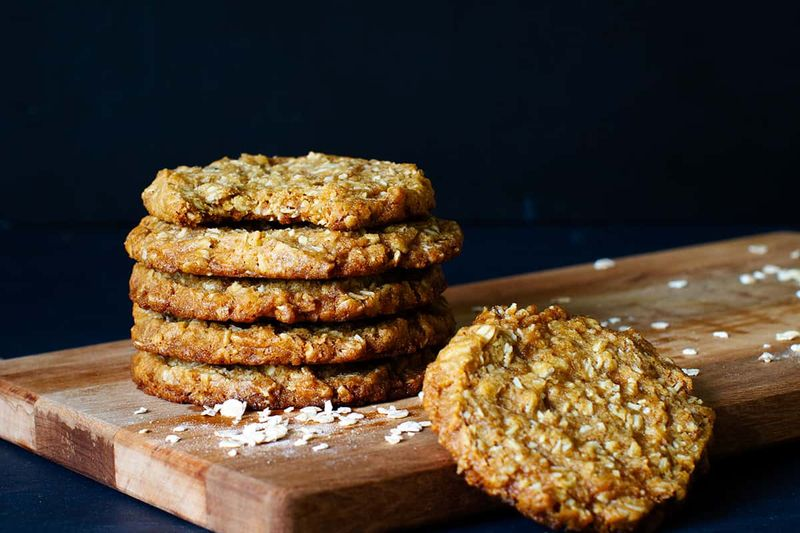
Rolled oats, golden syrup, coconut, and butter come together in these chewy-crisp biscuits that carry serious historical weight. Originally sent to soldiers during World War I because the ingredients didn't spoil during long sea voyages, they've become a symbol of remembrance and national pride.
The texture sits somewhere between crunchy and chewy depending on baking time, with a butterscotch-like sweetness from the golden syrup that Britons might recognise but in a completely different context. Unlike most biscuits, there's actual legislation protecting the Anzac name, so calling them cookies or changing the recipe can land you in proper trouble Down Under.
8. Barramundi
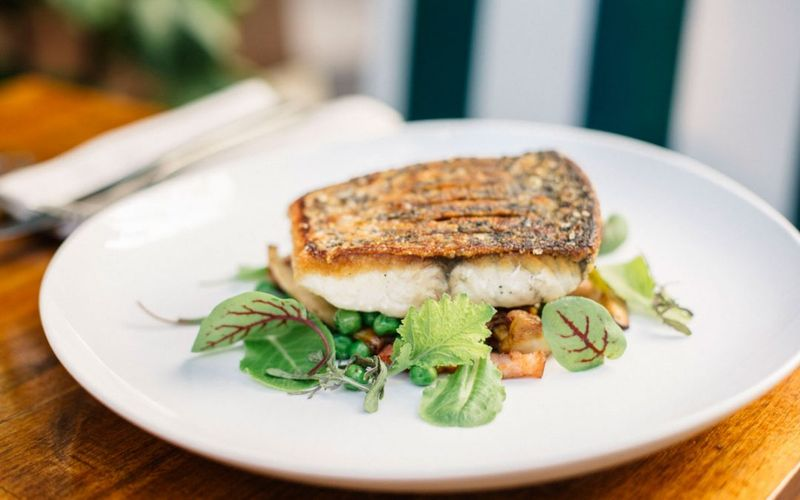
This native Australian fish delivers buttery, sweet flesh with a firm texture that holds up beautifully whether grilled, fried, or baked. The name comes from an Aboriginal word meaning "large-scaled river fish," and it's prized for its mild flavour that doesn't taste overly fishy even to those who usually avoid seafood.
Found on menus across Australia, it's often served with simple preparations that let the fish shine – think lemon, herbs, and maybe some roasted vegetables. The flesh flakes perfectly when cooked right, and the skin crisps up like a dream, making it a favourite for both home cooks and fancy restaurants alike.
9. Salt & Pepper Squid
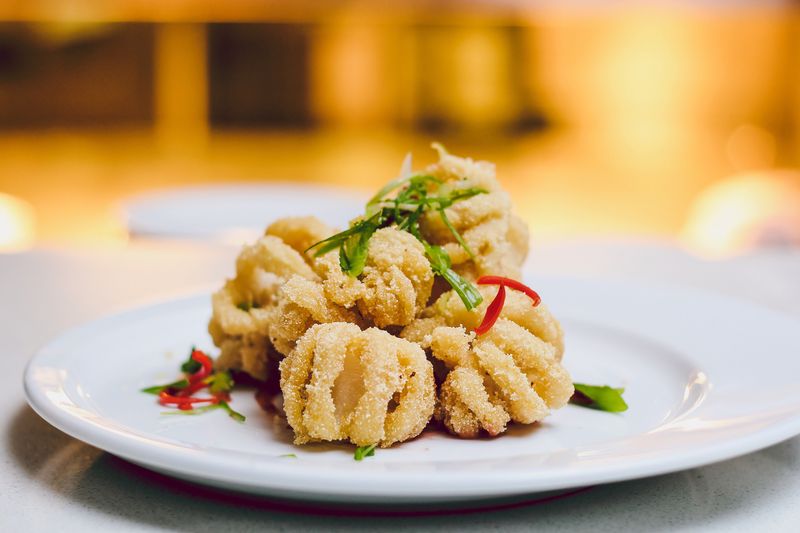
Tender squid rings get coated in a light, crispy batter seasoned with salt, white pepper, and often a touch of chili, then fried until golden and addictive. This Chinese-Australian fusion dish has become a pub and restaurant staple, served with lemon wedges and sometimes a sweet chili dipping sauce on the side.
The squid stays surprisingly tender inside its crunchy coating, avoiding the rubbery texture that puts many people off seafood. Garnished with spring onions and fresh chili, it delivers a flavour punch that's become so popular in Australia that it's hard to find a menu without it, from beachside cafes to upscale dining rooms.
Australian Foods Britons Often Avoid
However, not all Australian foods are met with enthusiasm from British diners. Some dishes challenge traditional British tastes and push the boundaries of what is considered acceptable.
Foods like Musk Sticks and Salted Liquorice have a strong following in Australia, but the intense flavours often don’t sit well with British palates. Similarly, the more adventurous elements of Australian cuisine, such as Grilled Witchetty Grubs or Lutefisk, can be a step too far for many.
While curiosity may drive some to try these foods, they often fall into the “thanks, but no thanks” category for Britons, who prefer sticking to the more familiar tastes of home.
1. Witchetty Grub
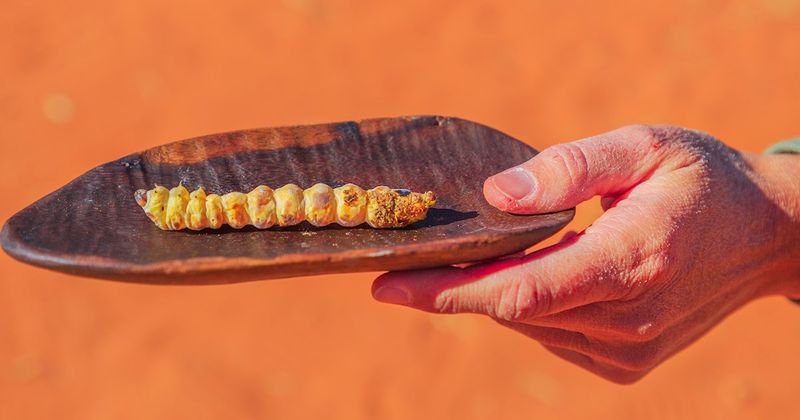
Large, white moth larvae might not top your dinner wish list, but these protein-packed grubs have sustained Indigenous Australians for thousands of years. Raw, they supposedly taste nutty and creamy, while cooking them transforms the flavour into something closer to scrambled eggs or roasted chicken, according to the brave souls who've tried both.
Found in the roots of witchetty bushes, they're considered a delicacy in traditional Aboriginal cuisine and represent a sustainable protein source that's gained attention from adventurous eaters. Most Britons encounter them on travel shows rather than dinner plates, where presenters pull exaggerated faces before admitting they're surprisingly edible.
2. Vegemite
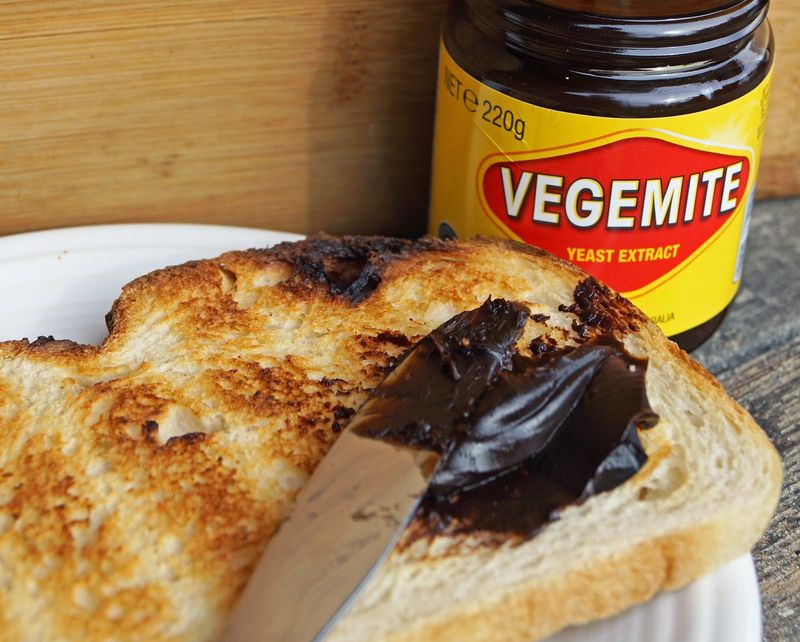
Yes, it appears twice because Vegemite inspires both curiosity and absolute horror, often from the same person within minutes. The mistake most newcomers make is spreading it like jam or Nutella, resulting in an overwhelming salt bomb that tastes like concentrated disappointment mixed with regret.
Even Australians who love the stuff will admit it's an acquired taste that requires proper technique and realistic expectations. The intensely savoury, almost bitter flavour profile doesn't translate well to palates expecting something sweet or even neutral, making it a frequent addition to "weird food challenge" videos.
For every convert who learns to love it, there are dozens who politely push their toast away and reach for the marmalade instead.
3. Kangaroo Meat
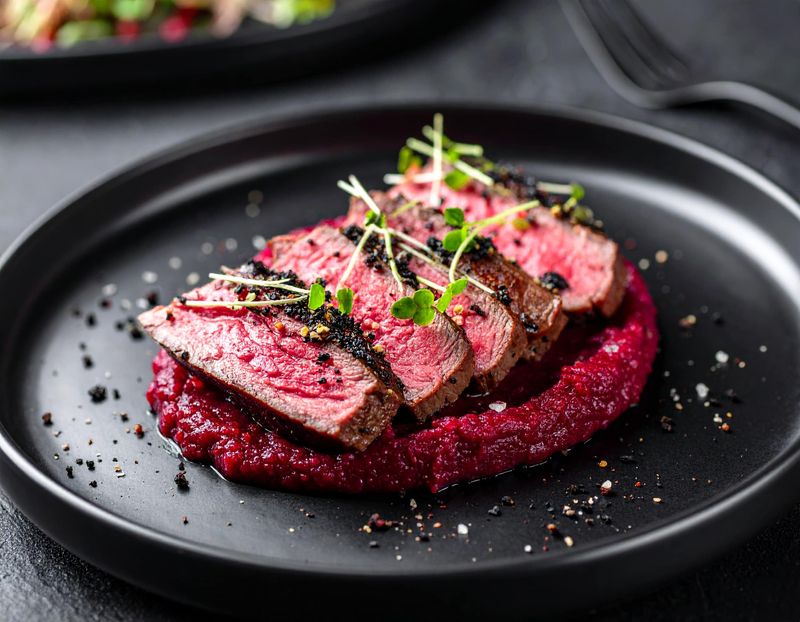
Eating the animal on the national coat of arms feels wrong to many visitors, but kangaroo meat is lean, high in protein, and surprisingly common in Australian supermarkets and restaurants. The flavour sits somewhere between venison and beef – distinctly gamey with an earthy richness that's either appealing or off-putting depending on your tolerance for strong-tasting meats.
Best served medium-rare because it's so lean it dries out quickly, kangaroo appears in everything from gourmet burgers to traditional meat pies. Environmental arguments support eating it since kangaroos are abundant and their farming has lower environmental impact than cattle, but Britons often struggle with the Skippy connection.
4. Emu Meat
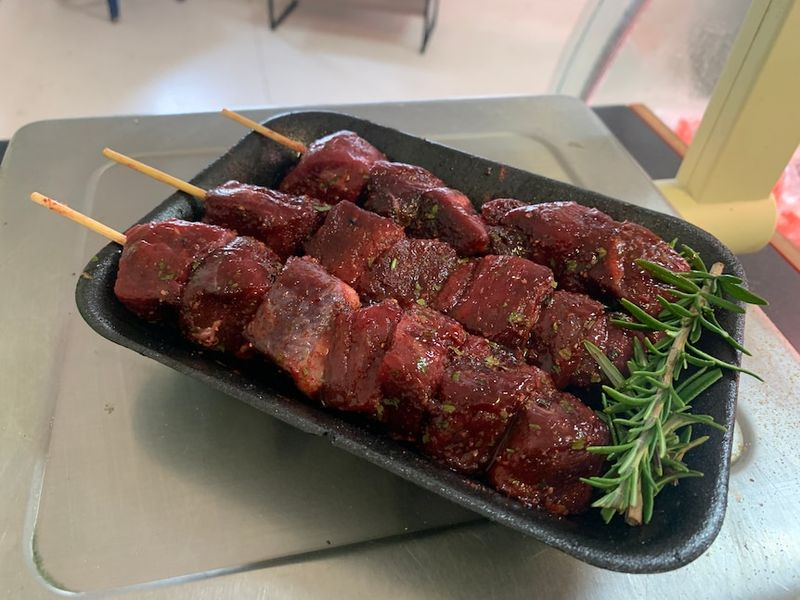
Dark red and beef-like in appearance, emu meat delivers a surprisingly tender eating experience despite coming from a large, prehistoric-looking bird. High in iron and incredibly lean, it shows up in burgers, pies, and even as a pizza topping for adventurous diners willing to try Australia's other coat of arms animal.
The flavour profile is milder than kangaroo but still carries that distinctive gamey edge that marks it as something different from standard poultry or beef. Less commonly encountered than kangaroo, emu remains a novelty even in Australia, though Indigenous Australians have hunted and eaten it for thousands of years as a valuable protein source.
5. Musk Sticks
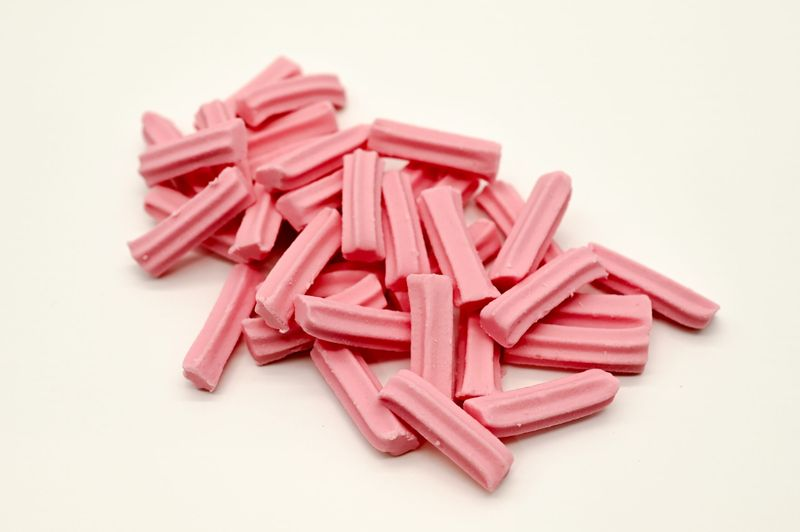
These bright pink, perfume-flavoured lollies taste exactly like your gran's rose-scented hand cream smells, and somehow that's intentional. The chalky, slightly powdery texture combined with an intensely floral, musky sweetness creates a flavour experience that Australians grew up with but foreigners find absolutely baffling.
Made primarily from sugar, glucose, and that mysterious musk flavouring, they've been a lolly shop staple since the 1920s despite tasting like edible potpourri. Kids who grew up eating them develop a nostalgic attachment that adults from elsewhere simply cannot understand, making them one of Australia's most divisive confectionery items after Vegemite.
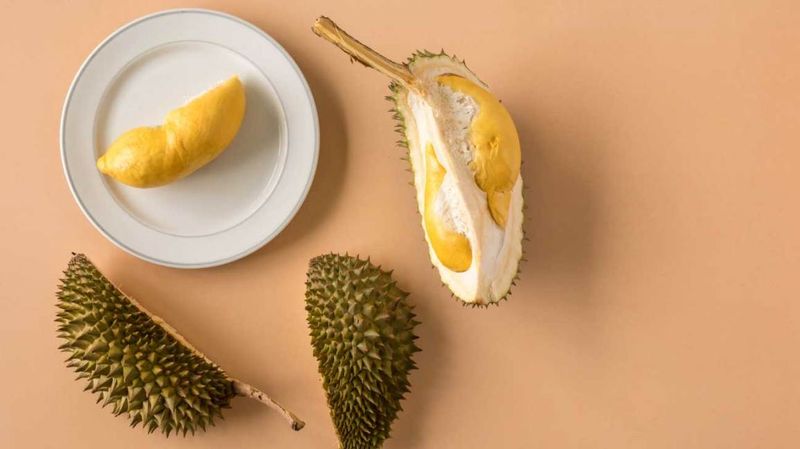
6. Durian Fruit
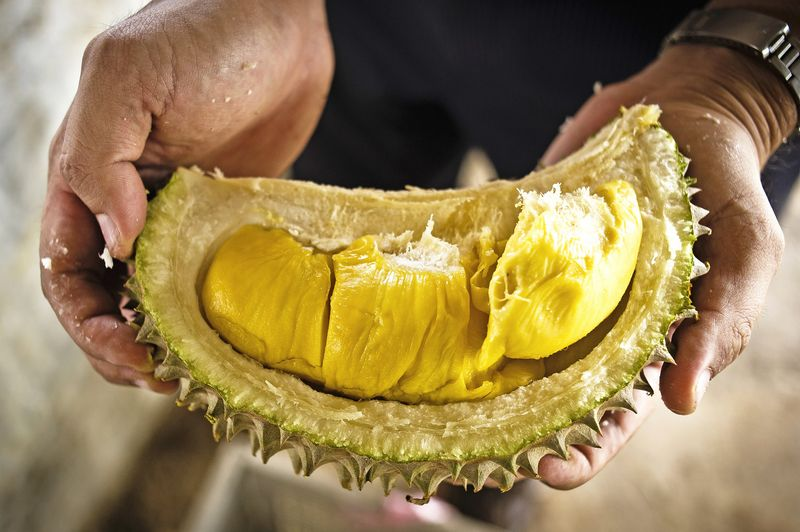
Known as the world's smelliest fruit, durian has been banned from hotels and public transport across Southeast Asia, and Australia's tropical regions grow their own supply that locals either worship or avoid entirely. The odour hits like a combination of gym socks, rotting onions, and something vaguely sweet that your brain can't quite process as food-related.
Inside the spiky, intimidating exterior lies creamy, custard-like flesh that tastes nothing like it smells – think sweet, slightly savoury, with notes of almond and caramel. Fans describe it as heavenly; detractors call it nature's practical joke.
Either way, it's an experience that divides Australians and visitors alike into passionate camps.



