













British comfort food often shines brightest in its simplest form, and few sandwiches spark as much loyalty as the chip butty. Recently, the classic favourite found its way back into conversation after a viral attempt to recreate it highlighted just how strongly people feel about the details.
Small choices, such as bread texture or seasoning, can completely change how the sandwich is experienced. The moment quickly turned into a wider discussion about tradition, regional preferences, and why certain foods carry such strong cultural identity.
Looking at what happened offers a fun reminder that even the most straightforward dishes can come with unspoken rules and passionate opinions.
All information is provided for cultural commentary only and has been sourced from publicly available online reports. Food traditions, preparation styles, and personal preferences vary across regions and households.
Individual tastes will differ, and there is no single “correct” way to enjoy a chip butty. Photos are for illustrative purposes only.
Recreating A Popular British Comfort Food At Home
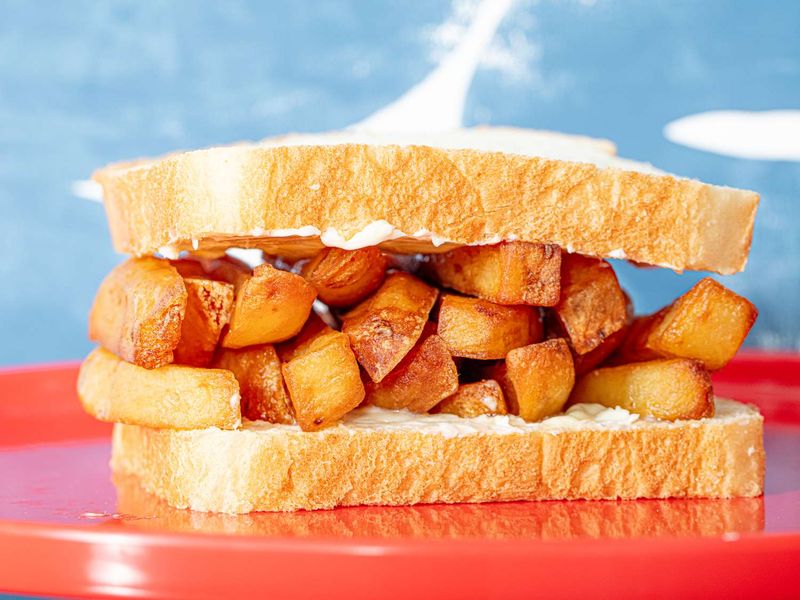
Logan Rae Hill decided to try making a chip butty after hearing about the British favourite online and gathering the ingredients to test it herself. She started confidently, explaining that she wanted to experience the comfort food many Brits talk about.
While she had chips ready to go, viewers quickly noticed that her version was missing several details people usually associate with the sandwich. Many commenters explained that a traditional chip butty typically uses thick, soft white bread with butter and is often finished with salt and vinegar.
As Logan continued with her version, it became clear that even small differences could change how the dish was received by those familiar with it.
How Toast Changed The Texture And Feel Of A Chip Butty
The moment that sparked the biggest reaction came when Logan placed two slices of toast on her plate instead of using bread. She mentioned that she believed the sandwich was made using toast, but British viewers were quick to respond that this was where the attempt went wrong.
Logan went ahead anyway, adding crinkle-cut chips cooked in an air fryer and spreading mayonnaise before pressing the sandwich together. After taking her first bite, she admitted the sandwich was not bad but said it tasted dry and was not something she would rush to make again.
Many viewers suggested that using toast removed the soft, comforting texture that people expect from a chip butty.
The Importance Of Bread Choice And Chip Style In The Overall Experience
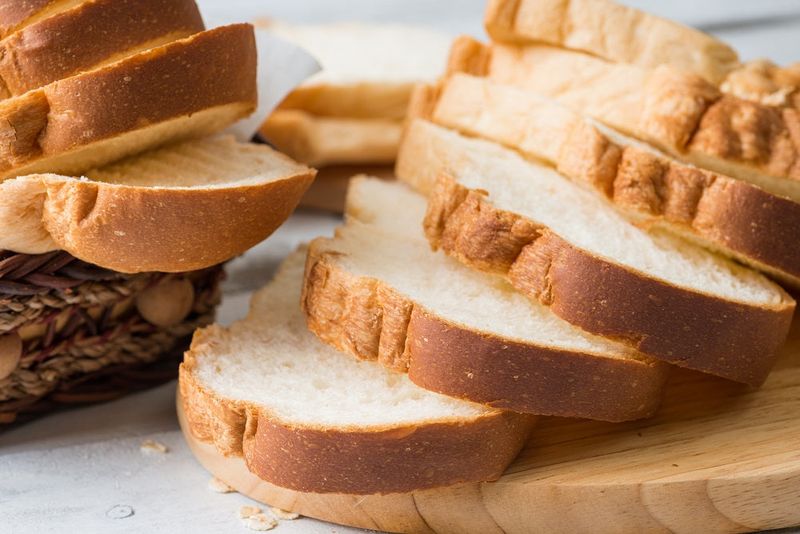
After receiving feedback, Logan later filmed a second attempt, this time swapping the toast for bread as viewers had suggested. She explained that she still had to rely on air fryer chips because she did not have access to a traditional British chip shop.
Logan also added salt but chose not to include vinegar or any other sauces, which again sparked conversation in the comments. Although she said the second sandwich tasted better, she still found it slightly dry and joked it might only appeal when someone was very hungry.
Viewers continued sharing advice, explaining that softer chip shop chips and vinegar usually help bring the sandwich together, showing how strongly people feel about keeping familiar food traditions intact.
The Classic Ingredients That Define A Traditional Chip Butty
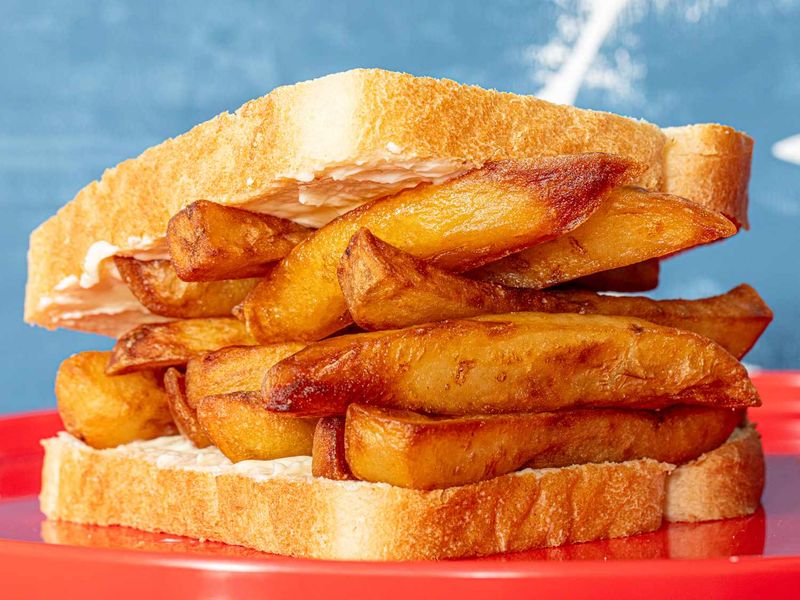
At its heart, a chip butty is celebrated for its simplicity and comforting balance of textures and flavours. The traditional version usually features thick, soft white bread spread generously with butter, filled with freshly cooked chips that are fluffy inside and lightly crisp on the outside.
A shake of salt and a splash of vinegar often complete the sandwich, adding sharpness that cuts through the richness. While small variations exist across different regions and personal preferences, the appeal of a chip butty comes from how these humble ingredients combine to create a warm, satisfying favourite that continues to hold a special place in British food culture.



