













Spend enough time around American food culture and you start to realise it plays by its own rules. Portions can be generous, flavours can lean sweet, and certain rituals feel almost theatrical compared to British habits.
Some traditions are rooted in regional pride, others in holidays or sporting events, and a few simply reflect how differently food evolved across the Atlantic. For Britons used to Sunday roasts and afternoon tea, a handful of these customs can come as a genuine surprise.
A few of them might even make you pause mid-bite and rethink what counts as “normal” at the table.
Cultural food habits vary by region and personal experience. This overview highlights widely recognised traditions rather than representing every household.
1. Free Refills On Soft Drinks
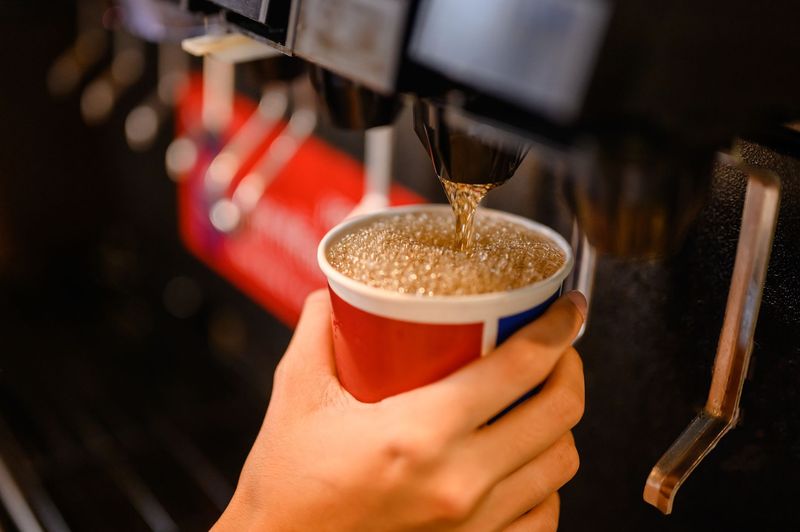
In lots of American sit-down restaurants, soft drinks often come with free refills, which can feel like a small miracle on a hot day. Servers may top you up without much fuss, and some places have self-serve fountains where you can refill whenever you like.
It can take a moment to adjust if you’re used to paying per drink. The longer you linger over your meal, the more that one drink suddenly feels like a very good deal.
Just do not be surprised if the glass seems to regenerate.
2. Tipping As A Standard Practice

Tipping in the US is usually treated as part of the meal, not an occasional extra. Many restaurant workers depend on tips to boost their overall take-home pay, which is why customers tend to factor it in automatically.
Typical tip amounts vary by place and situation, but it often lands somewhere around the mid-to-high teens as a starting point. For Britons used to a service charge or a more optional approach, it can feel like a whole extra rulebook.
The bill might look smaller at first, then the total does its little reveal.
3. Ice In Almost Every Drink
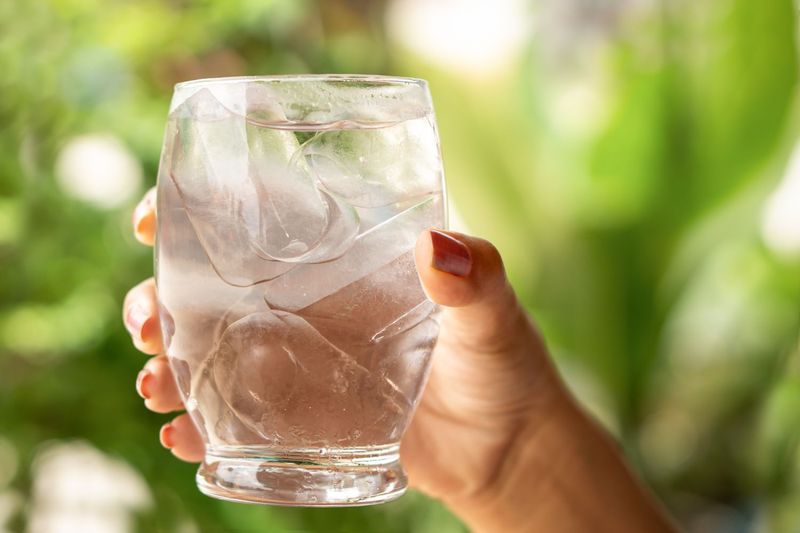
Order a drink in the US and it often arrives with plenty of ice, sometimes before the liquid even shows up. For visitors who like a gentler chill, that can feel like your drink has been swapped for a glass of frozen cubes.
Asking for “no ice” or “light ice” is a common move if you want more actual drink. Plenty of Americans genuinely prefer it that way, especially in warm weather.
The first sip can be a surprise, even when you thought you were prepared.
4. Breakfast Served All Day
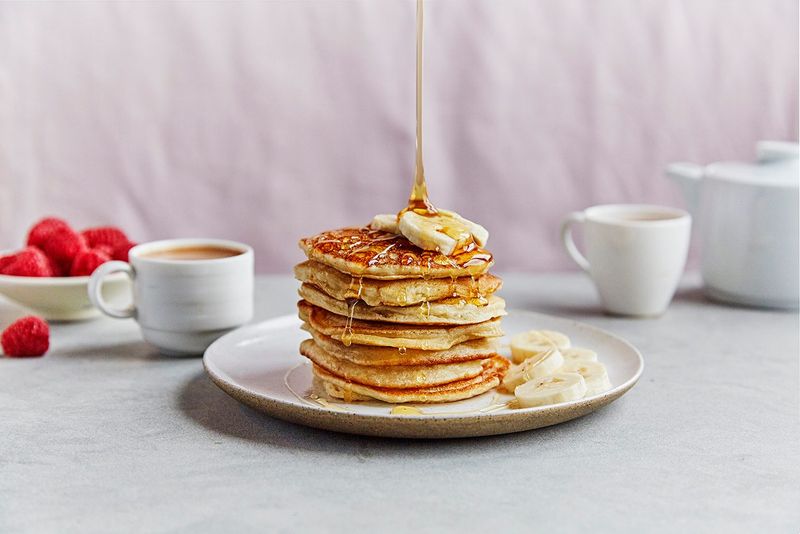
Fancy pancakes at teatime? Americans embrace breakfast foods as acceptable any hour, with many restaurants proudly advertising all-day breakfast menus.
Eggs, bacon, and waffles remain available well into evening hours, defying traditional meal scheduling.
This flexibility reflects American attitudes toward food freedom and customer satisfaction. Whether you crave French toast at midnight or a breakfast burrito for dinner, establishments happily accommodate these requests.
The practice also serves shift workers and travellers whose schedules don't align with conventional mealtimes.
5. Portion Sizes That Feel Oversized
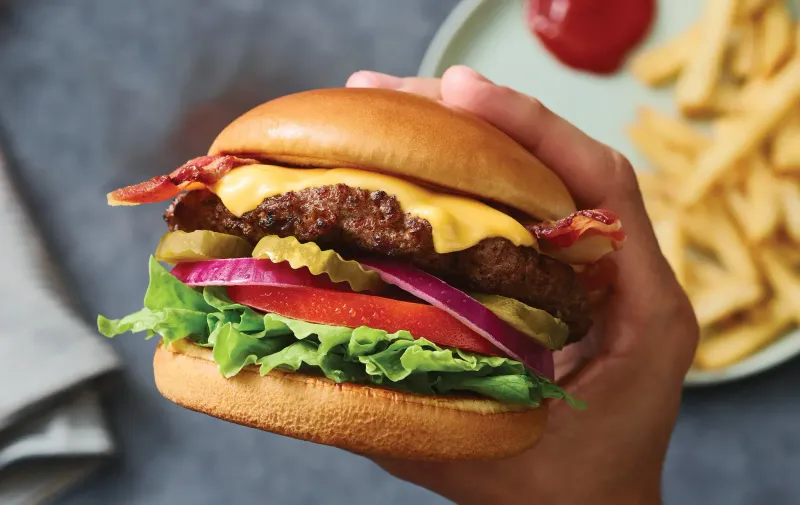
American restaurant portions can be noticeably bigger than what many Britons expect, especially at casual chains and diners. It is not unusual to see plates that look like they were designed with leftovers in mind.
Taking food home is normal, and staff will often offer a takeaway box without you even asking. Some people split dishes, others plan for tomorrow’s lunch, and nobody acts like it is strange.
The first time it happens, you might quietly wonder if you ordered for the whole table.
6. Sweet And Savoury Combinations
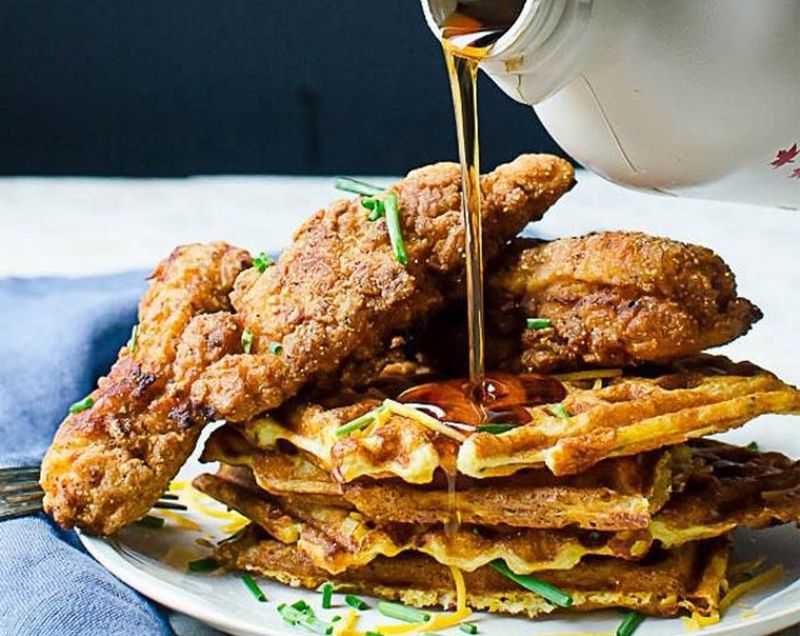
Maple syrup drizzled over bacon, chicken served atop waffles, or candied yams accompanying roast turkey might initially seem bizarre to British sensibilities. Americans enthusiastically blend sweet and savoury flavours in ways that challenge traditional flavour boundaries.
These combinations have deep roots in regional cuisines, particularly Southern cooking, where contrasting tastes create complex flavour profiles. What seems peculiar at first often becomes surprisingly delicious once you give it a proper try.
The sweet-salty interplay offers a different dimension to familiar ingredients.
7. Drive-Thru Everything Culture
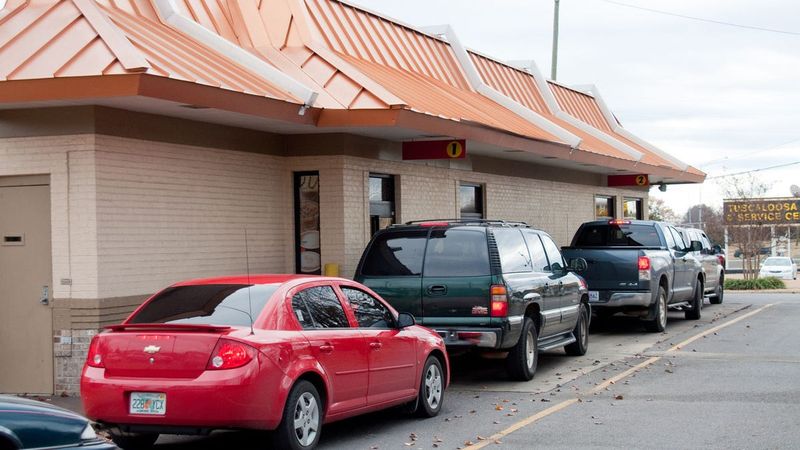
Americans can accomplish remarkable tasks without leaving their vehicles, from collecting prescriptions to depositing bank cheques. Drive-thru services extend far beyond fast food, encompassing coffee shops, pharmacies, and even wedding chapels in some locations.
This convenience-focused approach reflects car-dependent infrastructure and busy lifestyles where efficiency matters enormously. Entire meals get ordered, paid for, and consumed without stepping outside your vehicle.
The practice saves time during hectic days but also reinforces automobile culture in ways that feel quite foreign to pedestrian-friendly British towns.
8. Peanut Butter In Everyday Meals
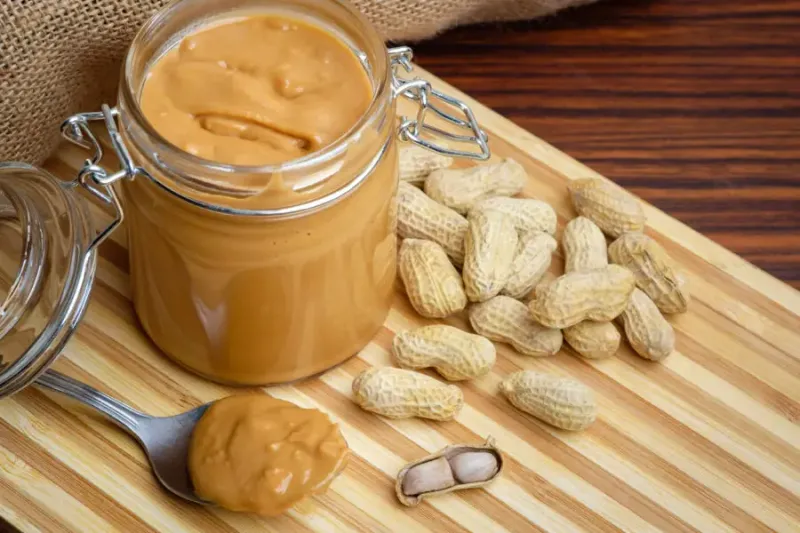
Whilst Britons typically reserve peanut butter for sandwiches, Americans incorporate this protein-rich spread into countless dishes. It appears in smoothies, biscuits, sauces for Asian-inspired dishes, and even some burger recipes, demonstrating remarkable versatility.
The widespread use reflects both nutritional practicality and childhood nostalgia, as most Americans grew up eating peanut butter regularly. Its creamy texture and rich flavour complement both sweet and savoury preparations.
Grocery stores dedicate entire aisles to different varieties, from crunchy to organic to chocolate-swirled versions.
9. Biscuits That Are Not Biscuits
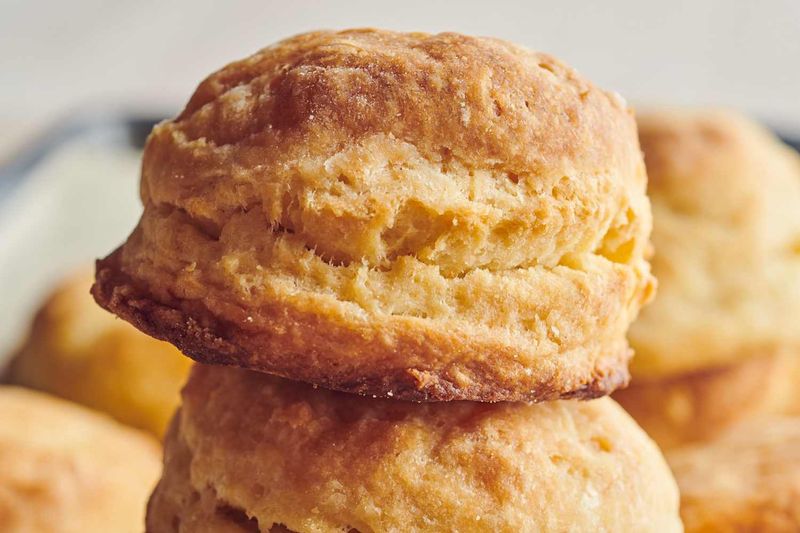
American "biscuits" bear no resemblance to what Britons recognise by that name. These fluffy, savoury bread rolls resemble scones more than digestives, served warm with butter, gravy, or used as sandwich bases for breakfast dishes.
The confusion stems from different culinary vocabularies across the Atlantic. What Britons call biscuits, Americans term cookies, whilst their biscuits are soft, buttery quick breads.
Southern restaurants particularly pride themselves on their biscuit recipes, often serving them alongside fried chicken or smothered in white sausage gravy for hearty morning meals.
10. Ranch Dressing With Nearly Everything
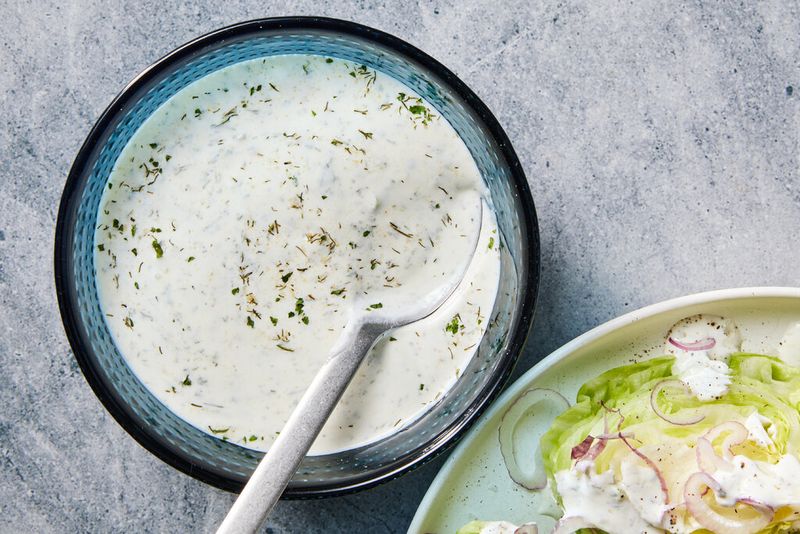
This creamy, herb-flecked condiment enjoys cult status in America, appearing alongside pizza, chicken wings, vegetables, and even used as sandwich spread. Its cooling, tangy flavour makes it the default dipping sauce for countless foods.
Britons often find the ubiquity puzzling, especially when ranch accompanies foods that seem perfectly fine without it. Americans, however, consider it as essential as ketchup, with some people adding it to dishes that already have other sauces.
Restaurants automatically provide ranch with certain menu items, assuming customers want this beloved dressing.
11. Packaged Snacks In Large Quantities
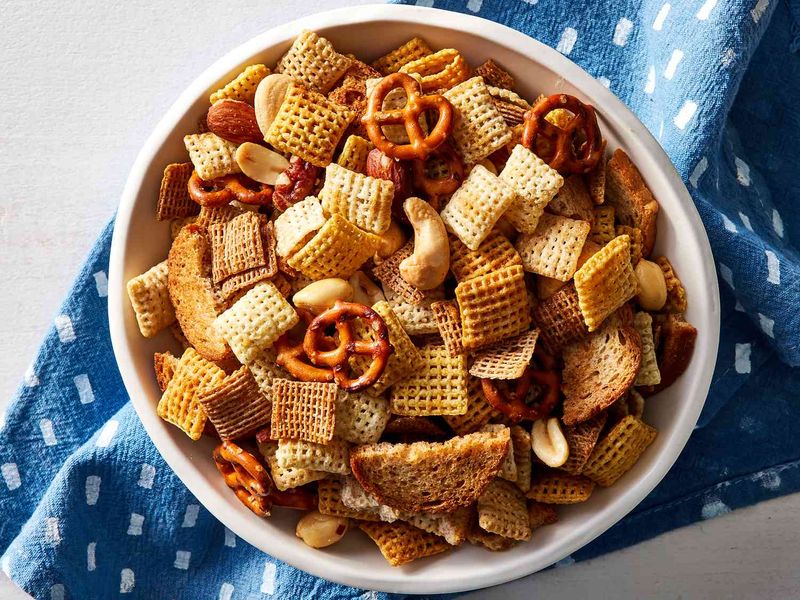
American grocery stores sell crisps, biscuits, and crackers in sizes that dwarf British packaging standards. Family-sized bags could feed a small party, whilst warehouse clubs offer bulk quantities that seem suitable for institutional catering rather than home consumption.
This super-sizing reflects shopping habits where people buy weekly or fortnightly supplies, storing extras in spacious pantries. The per-unit cost drops significantly with larger packages, making bulk buying economically sensible.
However, visitors accustomed to smaller, more frequent shopping trips find these enormous packages impractical and potentially wasteful.



