













American dining habits often differ sharply from what Europeans are used to, blending practicality, convenience, and tradition in ways that can seem unusual. Portion sizes tend to be larger than expected, condiments come in surprising forms, and meal structures sometimes prioritise speed over ritual.
For those encountering these customs for the first time, the differences can be both striking and memorable. Cultural preferences, regional variations, and decades of food industry innovation all shape these practices.
While some may appear baffling at first, they reveal how American food culture balances convenience, taste, and accessibility. Understanding these habits offers insight into everyday life across the United States.
All information is provided for general interest only. Taste, appearance, and availability may vary. Photos are for illustrative purposes only.
1. Adding Ice To Almost Every Drink
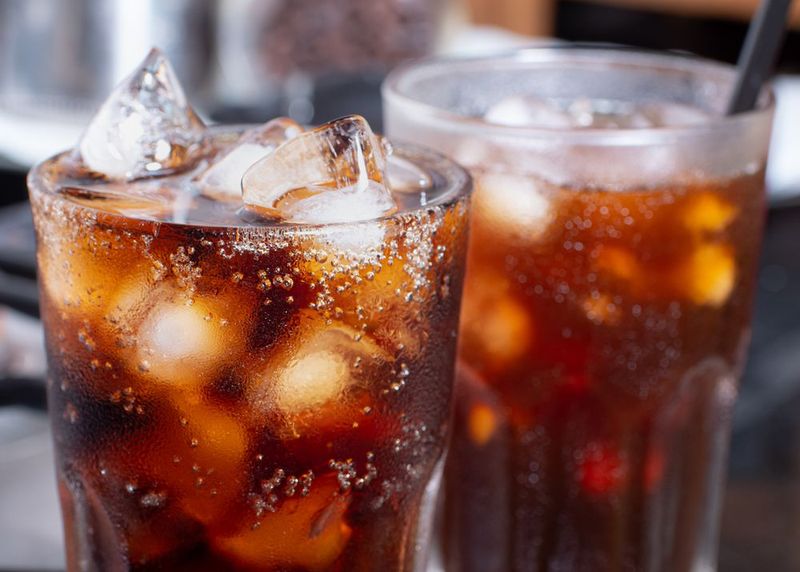
Walk into any American restaurant and you'll notice something straight away: every glass arrives absolutely packed with ice. Water, fizzy drinks, juice – doesn't matter what you order, it's coming with enough frozen cubes to sink the Titanic.
Europeans typically prefer their beverages at room temperature or only lightly chilled, believing it preserves flavour better. They argue that all that ice waters down the drink and numbs your taste buds, making it impossible to actually enjoy what you're sipping.
Americans counter that ice-cold drinks are refreshing, especially in warmer climates. The practice became standard as ice became readily available through refrigeration technology in the early 20th century.
2. Refilling Soft Drinks Multiple Times During One Meal
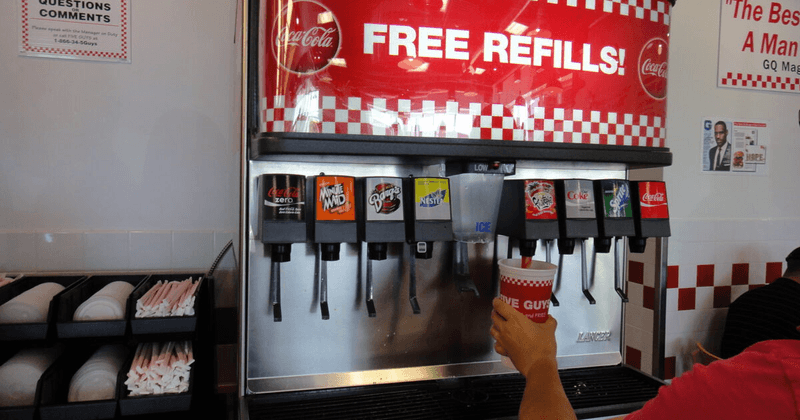
Free refills on soft drinks remain one of America's most generous dining policies. Europeans visiting the States can't quite believe they can keep topping up their cola without paying extra each time.
Back in Europe, you order one drink and that's your lot. Want another?
You'll be charged full price again. This makes Americans seem absolutely mad for consuming three or four enormous glasses of sugary fizz with a single burger.
The practice started as a marketing strategy to encourage customer loyalty and longer dining times. However, it's contributed to significantly higher sugar consumption rates, with the average American downing far more soft drinks than their European counterparts.
3. Eating Sweet Breakfast Foods Every Day
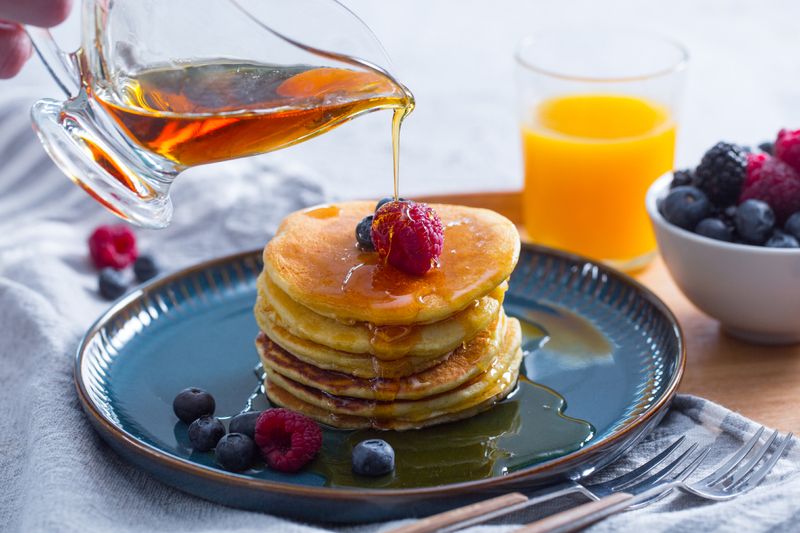
Pancakes drowning in syrup, frosted cereals, glazed doughnuts, and cinnamon rolls – the American breakfast reads more like a dessert menu. Europeans, accustomed to savoury morning meals of cheese, cold meats, and bread, find this sugar rush utterly baffling.
Starting the day with what's essentially pudding seems backwards to those raised on Continental breakfasts. They worry about the blood sugar spike and inevitable mid-morning crash that follows such sweetness.
Americans defend their breakfast traditions as comforting and energizing. The practice dates back to colonial times when maple syrup and molasses were readily available sweeteners, making morning treats both affordable and delicious.
4. Serving Enormous Portion Sizes As Standard
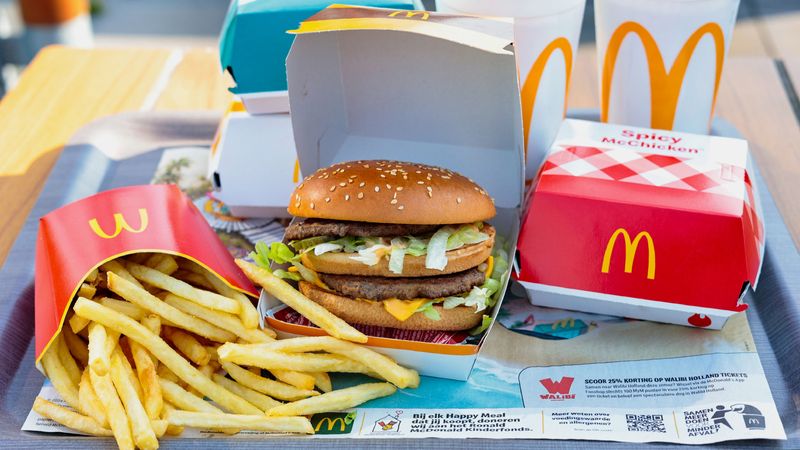
American portion sizes have reached legendary status worldwide. What's considered a single serving in the States could easily feed two or three Europeans, who often leave American restaurants clutching doggy bags in amazement.
This supersizing culture emerged in the 1950s when restaurants competed for customers by offering more food for less money. The trend stuck, and now Americans expect mountains of chips, steaks the size of dinner plates, and pasta bowls you could bathe in.
Europeans find this excessive and wasteful, preferring smaller, more refined portions that don't leave you needing a wheelbarrow to get home. The practice has contributed to rising obesity rates and normalized overeating as standard behaviour.
5. Putting Sugar In Bread
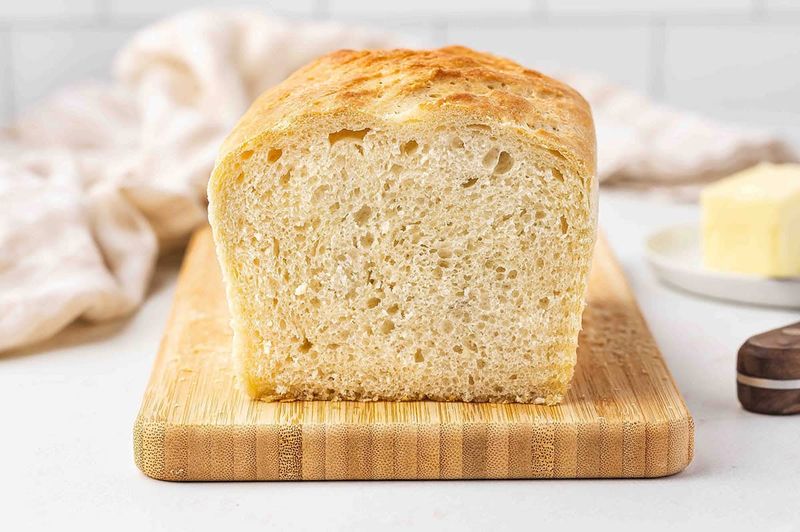
Pick up a loaf of standard sandwich bread in America and you'll find sugar listed among the ingredients. Europeans, whose bread typically contains just flour, water, yeast, and salt, find this addition completely unnecessary and rather odd.
American bread often tastes noticeably sweeter than its European counterparts, almost cake-like in some cases. This sweetness masks the natural wheat flavour that bread lovers across the pond actually want to taste.
The sugar helps bread stay soft longer and aids in browning, but Europeans argue it's just another example of Americans adding unnecessary sweetness to everything. Traditional European bakeries pride themselves on crusty, flavourful loaves that don't need sugar to taste delicious.
6. Spraying Cheese From A Can
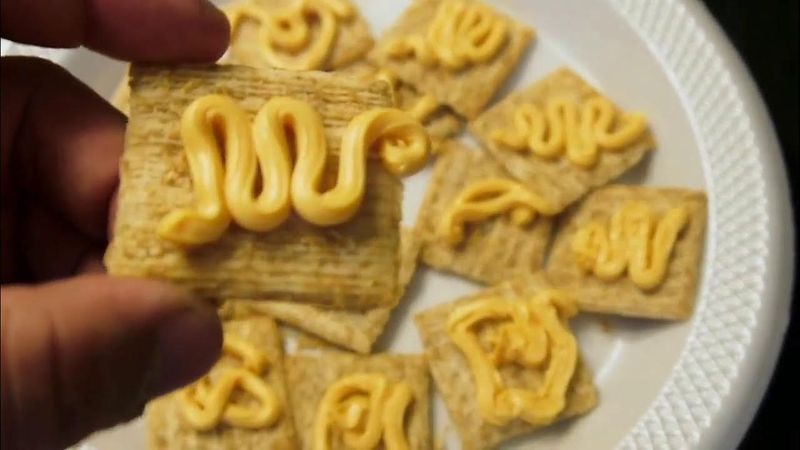
Nothing confuses Europeans quite like spray cheese. This bright orange, aerosolized processed cheese product shoots out of a can like silly string, landing on crackers in wobbly peaks that barely resemble actual cheese.
In countries famous for aged Gouda, creamy Brie, and sharp Cheddar, the idea of cheese in aerosol form seems like culinary sacrilege. Europeans wonder why anyone would choose this chemical-tasting substitute over proper cheese that's been crafted by skilled cheesemakers.
Americans defend it as convenient and fun, perfect for quick snacks and kids' parties. The product became popular in the 1960s as part of the processed food revolution, valuing convenience over authenticity.
7. Eating Peanut Butter With Sweet And Savoury Foods
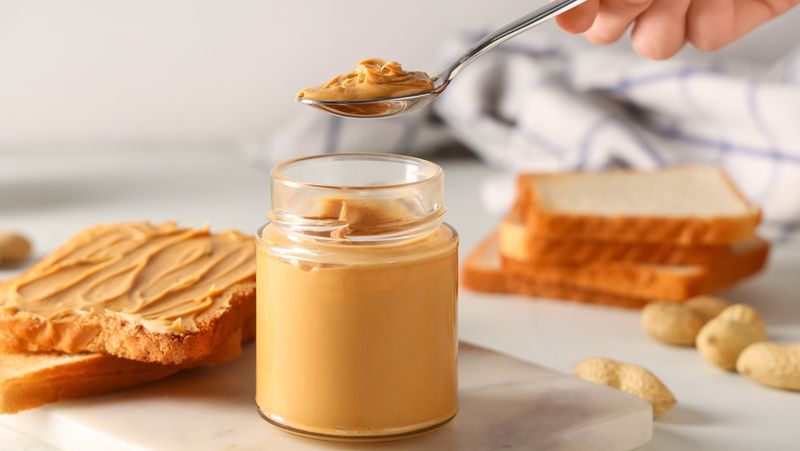
Americans spread peanut butter on everything: toast with jam, celery sticks, crackers, apples, even stirred into savoury sauces. This versatility baffles Europeans, who primarily know peanut butter as a sweet spread, if they use it at all.
The combination of peanut butter and jam sandwiches strikes many Europeans as strange, whilst peanut butter with savoury foods seems downright wrong. They can't understand why you'd want ground nuts on your celery or mixed into your noodle sauce.
In America, peanut butter is a childhood staple and comfort food, consumed in massive quantities. It's protein-rich, affordable, and incredibly versatile, making it a kitchen essential that Europeans simply haven't embraced with the same enthusiasm.
8. Using Ranch Dressing On Nearly Everything
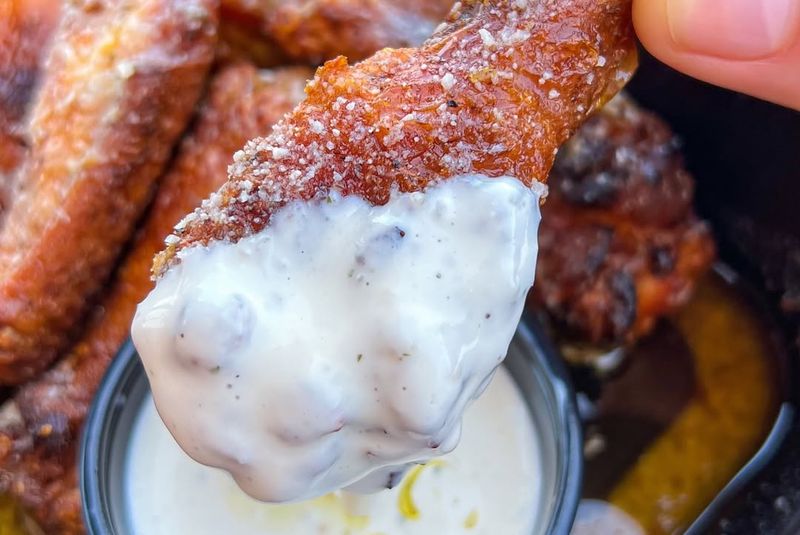
Ranch dressing has achieved cult status in America, appearing on pizza, chips, vegetables, chicken wings, and even as a sandwich spread. This creamy, herb-flecked condiment is practically a food group of its own across the States.
Europeans, who use salad dressings more sparingly and specifically, find this ranch obsession bizarre. They're mystified by Americans dipping pizza – which already has sauce and cheese – into yet more creamy, fatty dressing.
The dressing was invented in California in the 1950s and quickly became America's favourite condiment. Its mild, tangy flavour and creamy texture make it universally appealing to American palates, though Europeans remain unconvinced by its ubiquitous presence.
9. Carrying Coffee In Huge Takeaway Cups
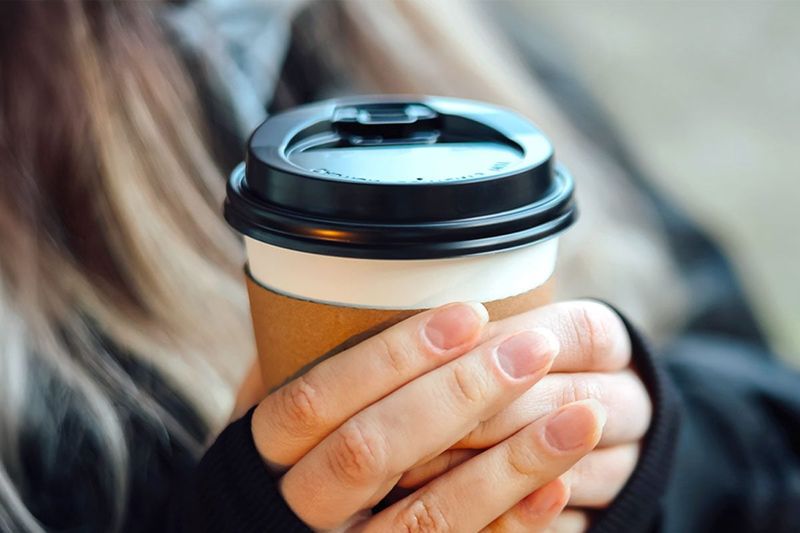
Americans don't just drink coffee; they carry around buckets of it. Those enormous takeaway cups, some holding nearly a litre of liquid, seem absolutely ridiculous to Europeans who sip tiny espressos at cafe counters.
European coffee culture centres on sitting down, enjoying a small, strong coffee, and actually tasting it. Americans treat coffee as fuel, something to gulp whilst rushing between meetings or sitting in traffic.
The supersized coffee trend grew alongside car culture and busy lifestyles, with drive-through coffee shops making it easy to grab massive quantities on the go. Europeans argue that by the time you've finished that giant cup, the coffee's gone cold and lost all flavour anyway.
10. Deep Frying Foods That Are Already Heavy
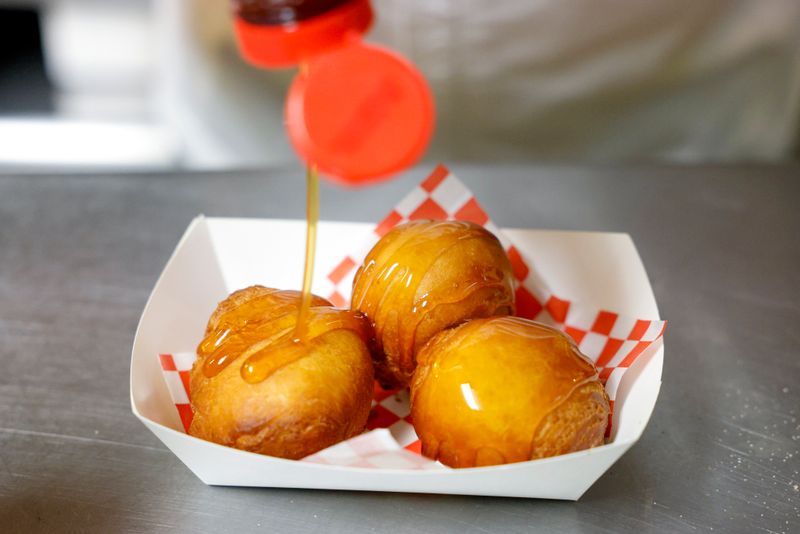
State fairs across America have turned deep frying into an extreme sport. Butter, chocolate bars, cheesecake, even entire sticks of cookie dough get dunked in batter and plunged into hot oil, emerging as crispy, calorie-laden creations.
Europeans, who deep fry fish and the occasional potato, can't fathom why you'd take something already rich and fatty, then make it even more so. Deep fried butter seems less like food and more like a dare.
These creations started as novelty fair foods meant to shock and entertain, but they've become emblematic of American excess. Whilst Europeans enjoy the occasional fried treat, they draw the line at coating desserts in more fat.
11. Snacking At All Hours Of The Day
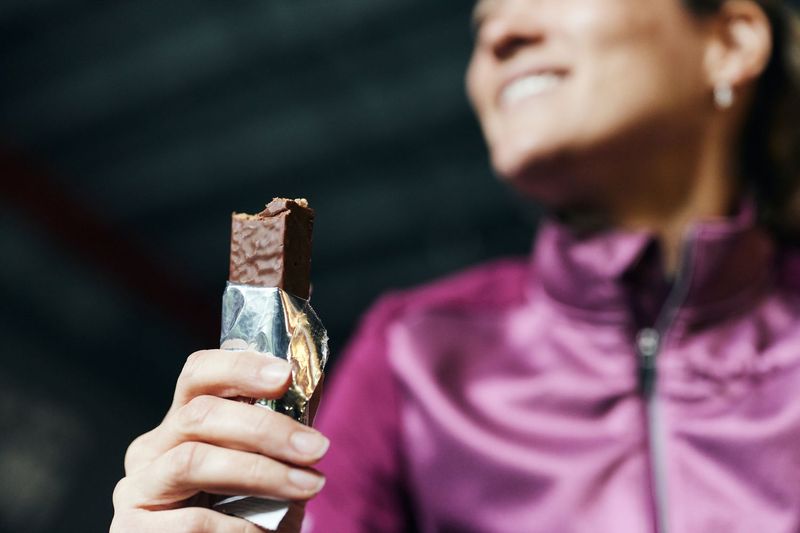
Americans snack constantly – between breakfast and lunch, between lunch and dinner, and again before bed. Crisps, biscuits, energy bars, and sweets get consumed throughout the day, not just at designated meal times.
Europeans traditionally eat three proper meals and perhaps one small afternoon snack, finding the American grazing habit undisciplined and unhealthy. They believe in sitting down for proper meals rather than constantly nibbling.
The snacking culture exploded with clever marketing and busy lifestyles that left little time for sit-down meals. Vending machines, convenience shops, and desk drawers stay stocked with portable snacks, making it easy to munch constantly throughout the day without thinking twice about it.
12. Constantly Tweaking Menu Orders

Americans treat restaurant menus as mere suggestions, customizing orders with military precision. No onions, extra pickles, dressing on the side, substitute chips for salad, swap this sauce for that one – the modifications never end.
Europeans order what's on the menu, trusting the chef knows best. They find American customization culture entitled and exhausting, believing dishes should be enjoyed as the kitchen intended them.
This behaviour stems from America's customer-service culture where the customer is always right. Restaurants accommodate these requests to keep diners happy, creating an expectation that every meal can be tailored to individual preferences, no matter how complicated or time-consuming it makes things for the kitchen staff.



