











Acid reflux is one of those everyday discomforts that can quietly shape what you eat, how you feel after meals, and even how well you sleep. For many people, certain familiar foods make symptoms more likely by increasing stomach acid or relaxing the valve that keeps acid where it belongs.
At the same time, other foods tend to be easier on the digestive system and can help keep irritation to a minimum. Understanding which ingredients may trigger symptoms and which are generally more soothing makes it easier to build meals that feel comfortable rather than restrictive, while still enjoying a varied diet.
All information is provided for general interest only and should not replace professional medical advice. Individual symptoms, tolerances, and medical conditions vary.
Consult a qualified healthcare professional before making significant dietary changes. Taste, appearance, and availability may vary.
Photos are for illustrative purposes only.
Common Triggers For Acid Reflux

Not all foods sit well with a sensitive stomach, and some are more likely to cause that familiar burning sensation than others. Greasy takeaway meals, rich sauces, citrus fruits, and even chocolate can relax the muscle that keeps stomach acid where it belongs.
When that happens, acid can creep up into the oesophagus, leading to discomfort. Knowing which foods are most likely to trigger reflux is the first step to avoiding those unpleasant flare-ups.
1. Tomatoes
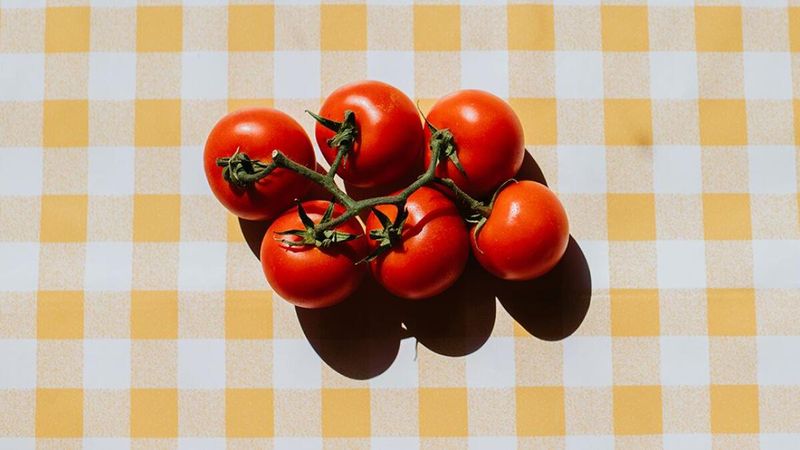
Tomatoes pack a double punch against your digestive peace. They're naturally acidic and can trigger the stomach to produce even more acid.
Many people don't realize that even tomato-based products like ketchup, pasta sauce, and pizza toppings can spark uncomfortable heartburn hours after eating.
2. Citrus Fruits
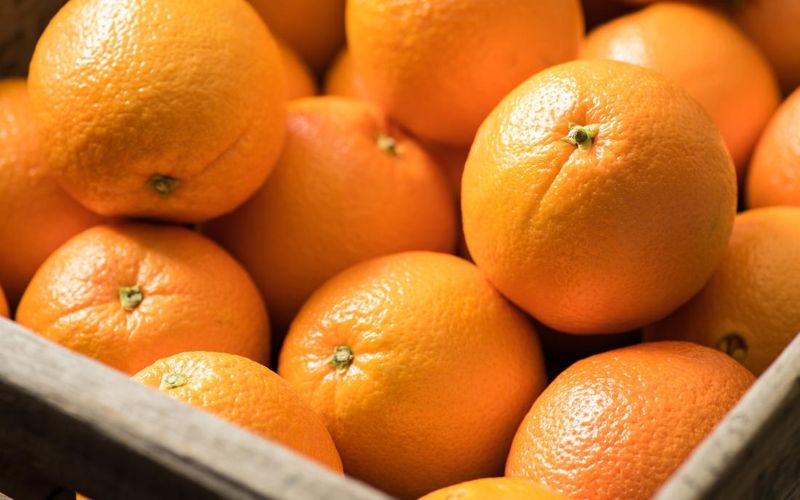
Oranges, lemons, limes, and grapefruits might burst with vitamin C, but they're also bursting with acid. This natural acidity can irritate your already sensitive esophagus lining.
Even fruit juices can be culprits - that morning orange juice might be setting you up for discomfort all day long.
3. Fried Foods
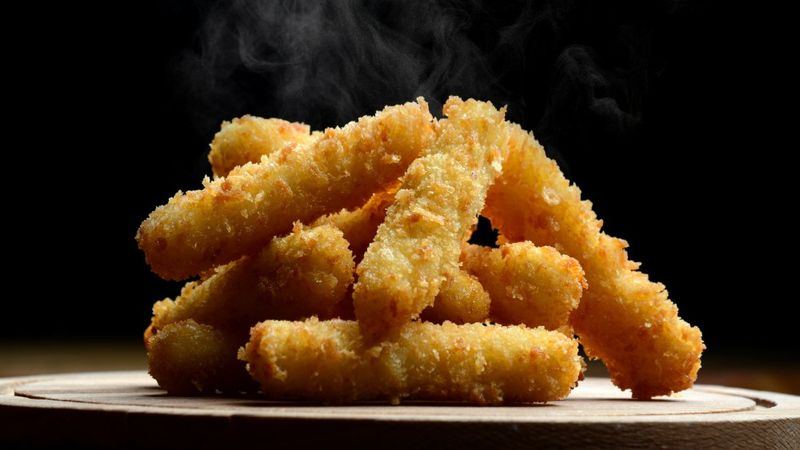
French fries, onion rings, and fried chicken might taste heavenly, but they're hellish for reflux sufferers. These greasy delights take longer to digest, forcing your stomach to work overtime.
The extra stomach acid produced during this extended digestion often finds its way up your esophagus, creating that familiar burning sensation.
4. Chocolate
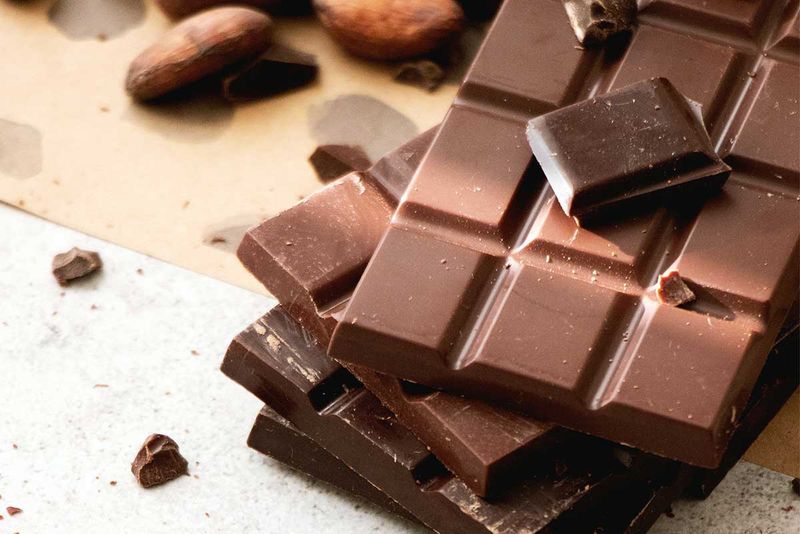
Bad news for chocolate lovers - your favorite treat contains compounds that loosen the lower esophageal sphincter (LES). Think of your LES as a one-way valve that keeps stomach acid where it belongs.
When chocolate relaxes this muscle, acid can sneak back up, especially when you're lying down after enjoying that late-night chocolate fix.
5. Coffee

That morning brew does more than wake you up - it stimulates acid production and relaxes your LES. Decaf isn't much better, as coffee's natural acids remain even when caffeine is removed.
Try cutting back gradually rather than quitting cold turkey to avoid caffeine withdrawal headaches while giving your digestive system a break.
6. Mint
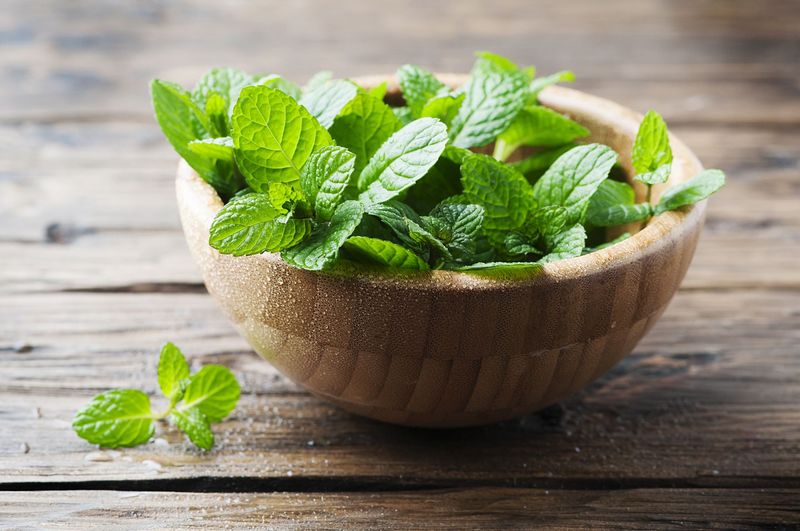
Surprise! Mint might cool your mouth but it heats up acid reflux by relaxing that all-important LES. Peppermint tea, mint chewing gum, and even mint-flavored toothpaste can spell trouble.
Many people mistakenly suck on mints after meals to freshen breath, unknowingly making their reflux worse rather than better.
7. Onions And Garlic
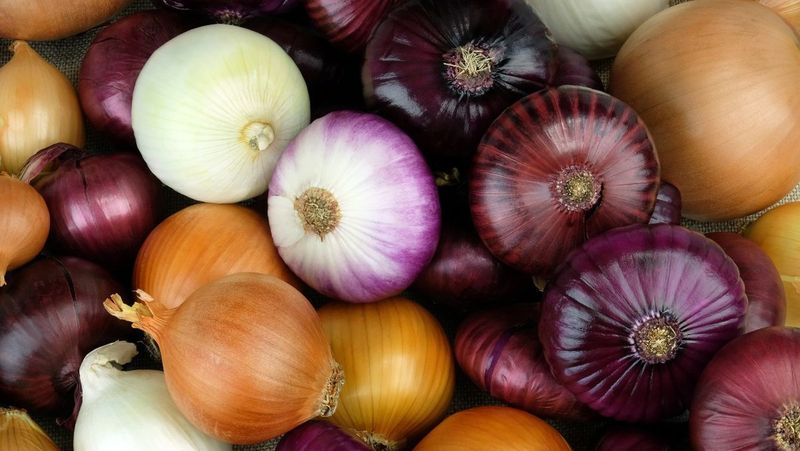
These aromatic kitchen staples add flavor but can leave you in flames. Raw versions are particularly potent troublemakers, relaxing your LES and irritating your digestive tract.
Try roasting them instead of using raw, as cooking reduces their reflux-triggering compounds. Some people find that garlic-infused oil provides flavor without the burn.
8. Spicy Foods
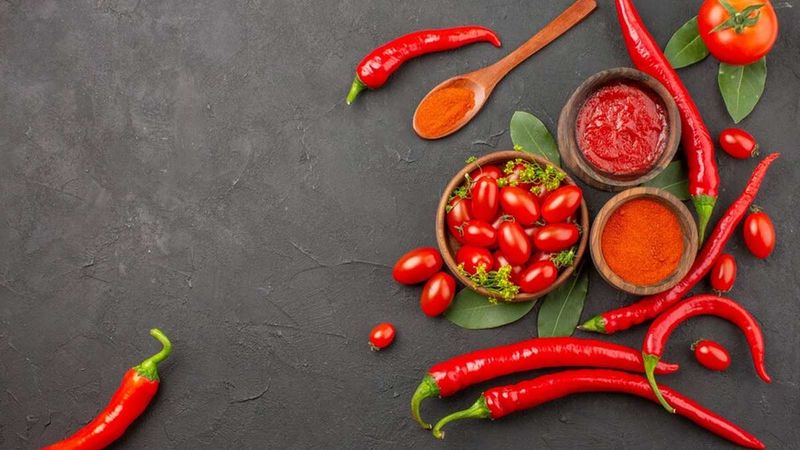
Chili peppers contain capsaicin, which slows digestion and irritates the esophagus. That burning sensation you feel isn't just in your mouth - it's happening all the way down.
Curry, hot sauce, and pepper-heavy dishes might taste amazing going down but can cause hours of discomfort as they make their way through your digestive system.
9. Carbonated Drinks

The fizz in carbonated drinks might be refreshing, but it can also be a culprit in triggering acid reflux. Bubbles from these beverages increase pressure in the stomach, causing acid to rise.
For those who love their soda, this can be an unwelcome reality. The added sugars and artificial flavors in many carbonated drinks exacerbate the problem, leading to discomfort.
Consider switching to non-carbonated alternatives to soothe your stomach. Sparkling water with a splash of lemon might seem tempting, but it's best to avoid it if acid reflux is a concern.
10. Fatty Meats
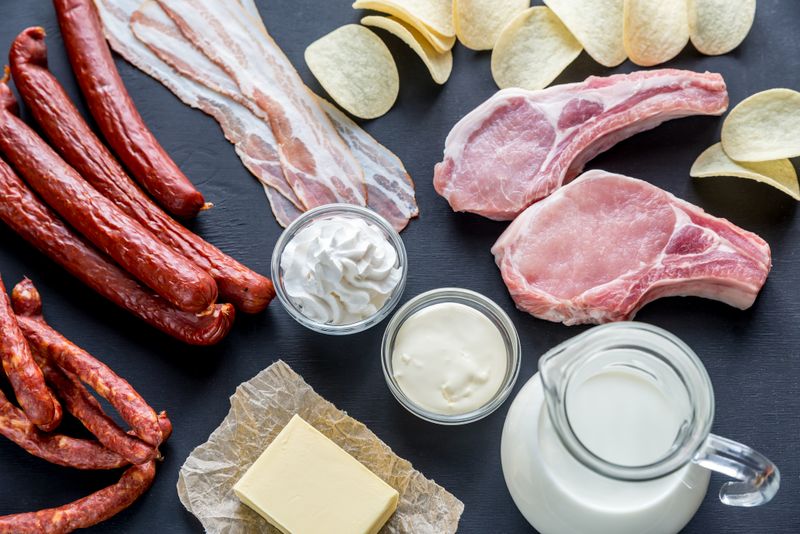
Marbled steaks, juicy burgers, and processed meats like bacon slow down digestion, keeping food in your stomach longer. This extended stomach time means more acid production and greater reflux risk.
Opt for leaner cuts and trimming visible fat before cooking. Grilling or baking rather than frying can also make meat more reflux-friendly.
11. Rich Pastries And Creamy Desserts

Pastries filled with butter, cream, or rich custard can trigger acid reflux because their high fat content slows digestion and increases pressure in the stomach. This makes it easier for acid to move back into the oesophagus, especially after larger portions.
The combination of sugar and heavy textures can also contribute to discomfort for some people. Enjoying these treats occasionally or choosing lighter desserts such as fruit or yoghurt may help reduce symptoms.
Foods That Can Soothe It
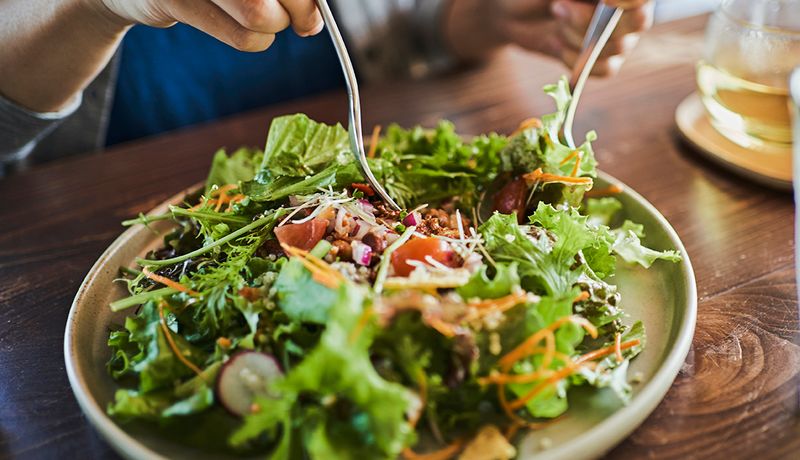
The good news is that certain foods can do the opposite – helping to calm irritation and reduce symptoms. From soothing oatmeal to refreshing melon, these gentle choices can make a real difference to how your body handles acid.
They’re light, nutritious, and often alkaline, which helps balance your digestive system naturally. Making a few smart swaps can turn your meals into powerful allies for a calmer, happier stomach.
1. Bananas
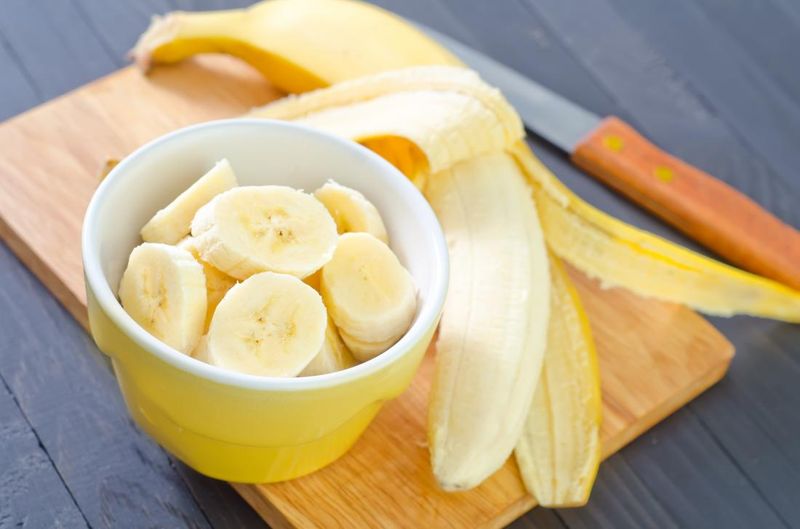
Unlike their citrus cousins, bananas are low in acid and high in fiber, creating a protective coating in your stomach. They contain natural antacids that help neutralize stomach acid.
Ripe bananas work best for reflux relief - the yellow ones with small brown spots. Green bananas can actually trigger reflux in some people due to their resistant starch content.
2. Oatmeal
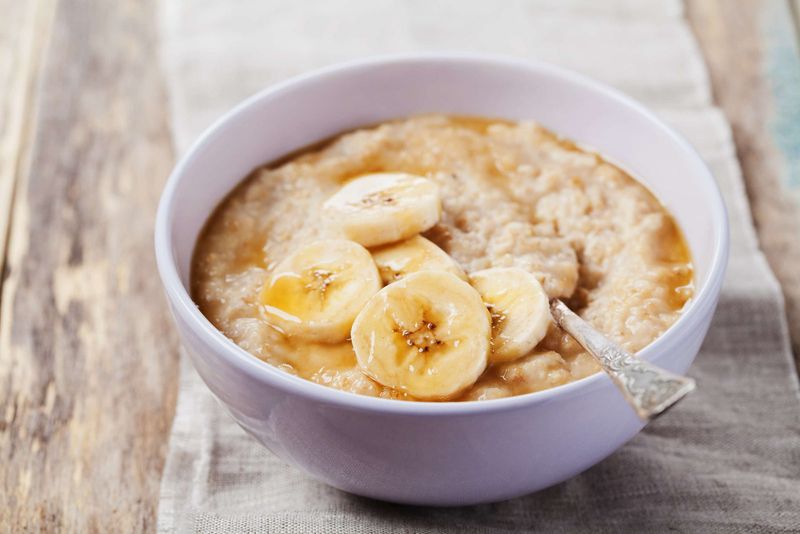
Start your day with this reflux-friendly breakfast champion. Oatmeal absorbs acid in the stomach and reduces reflux symptoms.
Its high fiber content helps move food through your digestive system efficiently.
Skip the high-fat toppings like butter and cream. Instead, add sliced bananas, a drizzle of honey, or almond milk for a delicious, reflux-fighting morning meal.
3. Ginger
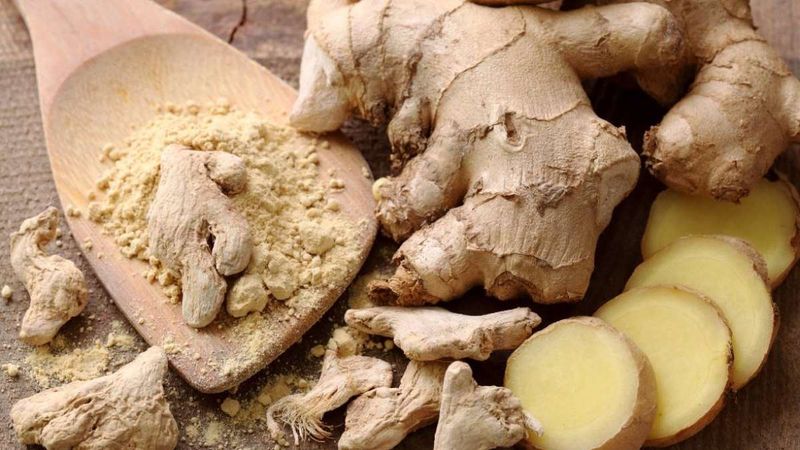
This knobby root has been calming upset stomachs for thousands of years. Ginger reduces inflammation and soothes the entire digestive tract from mouth to stomach.
Try sipping ginger tea after meals or adding fresh grated ginger to stir-fries and smoothies. Even small amounts can help, though too much might irritate some sensitive stomachs.
4. Kale
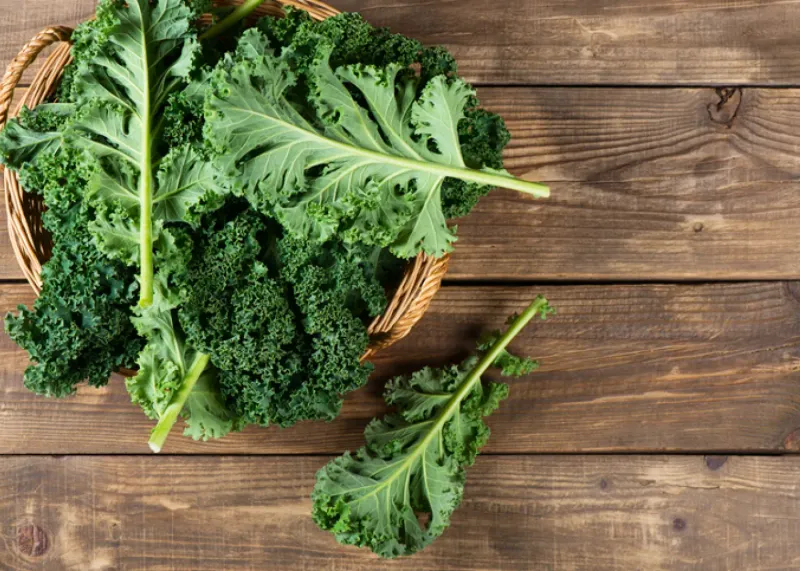
Kale, a leafy green packed with nutrients, is a gentle ally for those battling acid reflux. Its alkaline nature helps neutralize stomach acid, providing relief.
Rich in fiber, kale aids digestion and reduces the likelihood of reflux. Its mild flavor and versatility make it a perfect addition to salads, smoothies, or as a cooked side dish.
For those seeking a natural way to ease their symptoms, kale stands out as a nutritious option. Including kale in your diet might just be the comforting change you need to manage acid reflux.
5. Watermelon
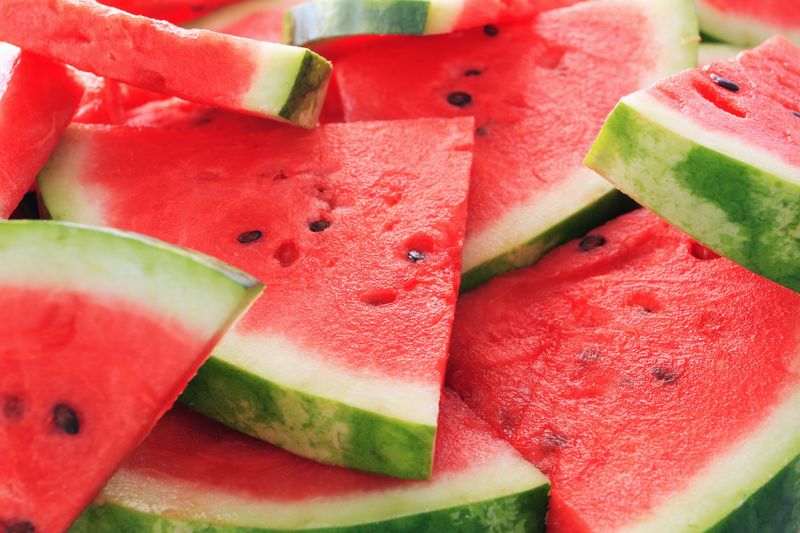
This refreshing summer fruit isn’t just hydrating – it’s also one of the most soothing choices for anyone prone to acid reflux. Naturally low in acid and packed with water, watermelon helps dilute stomach acid and ease irritation in the oesophagus.
Its gentle sweetness satisfies sugar cravings without triggering discomfort, making it a smart alternative to citrus or other acidic fruits. Enjoying a few slices after a meal can help keep things cool and balanced inside your digestive system.
6. Yoghurt
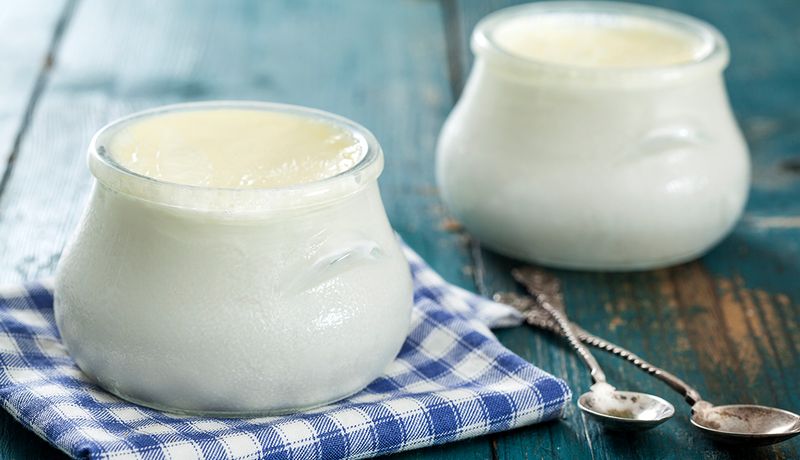
Yoghurt, with its creamy texture and probiotic properties, offers comfort to those with acid reflux. It helps balance the stomach's pH levels, easing symptoms.
Opting for plain yoghurt without added sugars is best. The live cultures in yoghurt can also support gut health.
Adding a topping like honey or berries can enhance flavor and provide additional nutrients.
7. Brown Rice
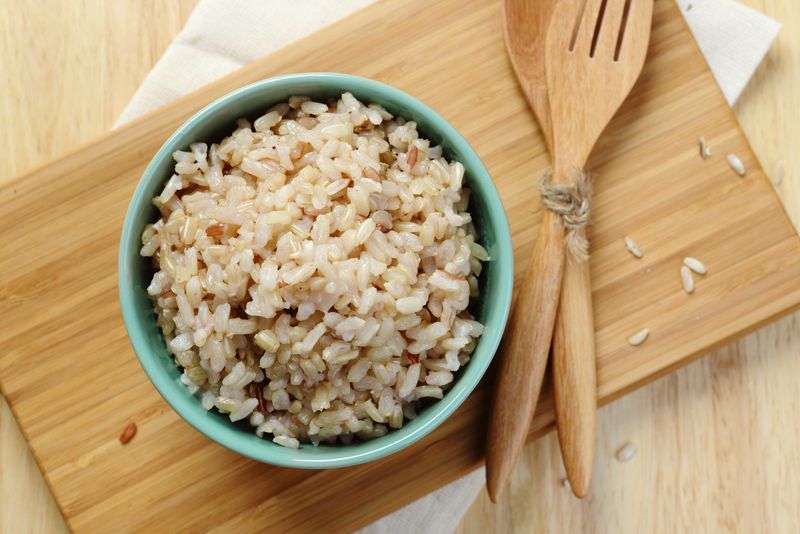
Brown rice is a low-acid, fibre-rich food that tends to sit gently in the digestive system. Fibre supports steady digestion, which can help reduce stomach pressure and lower the likelihood of reflux.
It works well as a simple base for meals alongside vegetables and lean proteins, providing steady energy without adding richness or irritation.