













It’s easy to forget how powerful everyday food choices can feel once they quietly become part of a routine. Simple vegetables often bring more to the table than flavour and colour, supporting how the body feels and functions in subtle ways.
A few small changes in how you prepare and enjoy them can make meals feel more intentional without adding extra effort. Curious cooks often find that a little variety keeps healthy habits feeling fresh rather than forced.
This content is provided for general information only and is not intended as medical or nutritional advice. Individual dietary needs and health conditions vary, and readers should consult a qualified healthcare professional or registered dietitian for personalised guidance.
1. Vegetables That Prove Food Can Be Medicine
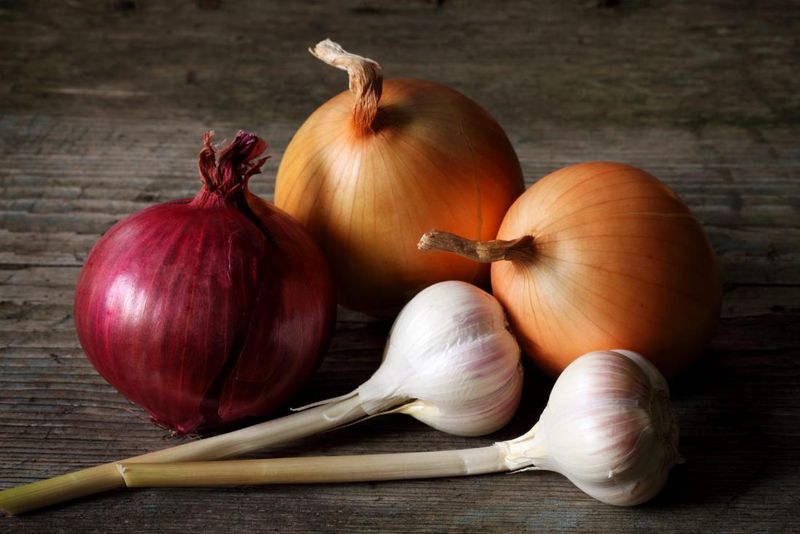
Everyday vegetables often do far more than simply fill the plate or add colour to a meal. Small choices in what you cook and eat can quietly support how the body feels over time, without complicated routines or drastic changes.
The next 6 vegetables prove just how powerful simple food choices can be when used thoughtfully.
2. Garlic

Garlic has been used in cooking for centuries, prized for the way it instantly deepens flavour and aroma. When crushed or chopped, it releases natural compounds that give it that unmistakable punchy character in sauces, roasts, and dressings.
A little goes a long way, making it easy to add to everyday meals without overpowering everything else on the plate. Roasting softens its sharp edge, while raw garlic keeps things bold and lively.
It’s one of those ingredients that quietly makes simple food taste more complete.
3. Beetroot
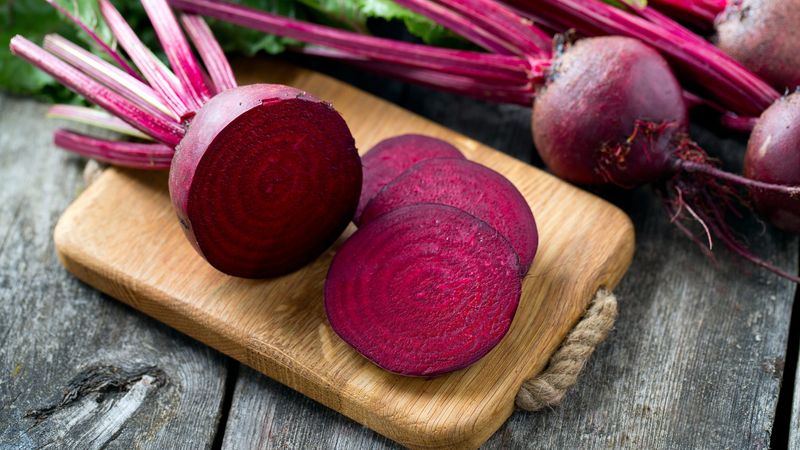
That deep colour and earthy sweetness instantly bring personality to a plate. Roasted wedges caramelise beautifully, while grated raw beetroot adds crunch to salads and slaws.
It works surprisingly well in soups, dips, and even baking, where it contributes moisture and richness. The flavour pairs comfortably with citrus, herbs, and creamy ingredients like yoghurt or soft cheese.
Once you start experimenting with beetroot, it quickly becomes more than just a side dish.
4. Broccoli
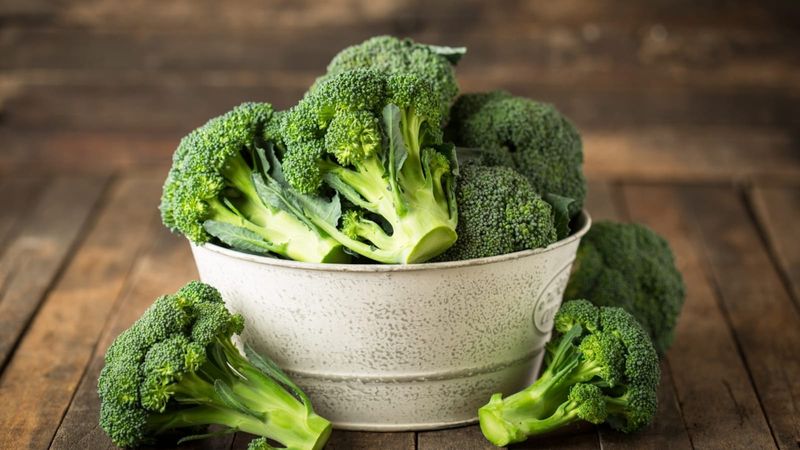
Broccoli earns its place on many dinner plates thanks to its fresh crunch and versatility in the kitchen. Light steaming, roasting, or quick stir-frying keeps its colour vibrant and texture appealing.
It brings fibre, vitamins, and a satisfying bite that works well in everything from pasta to traybakes. Pairing it with garlic, lemon, or a sprinkle of cheese makes it even more inviting.
It’s an easy vegetable to return to again and again without getting bored.
5. Spinach
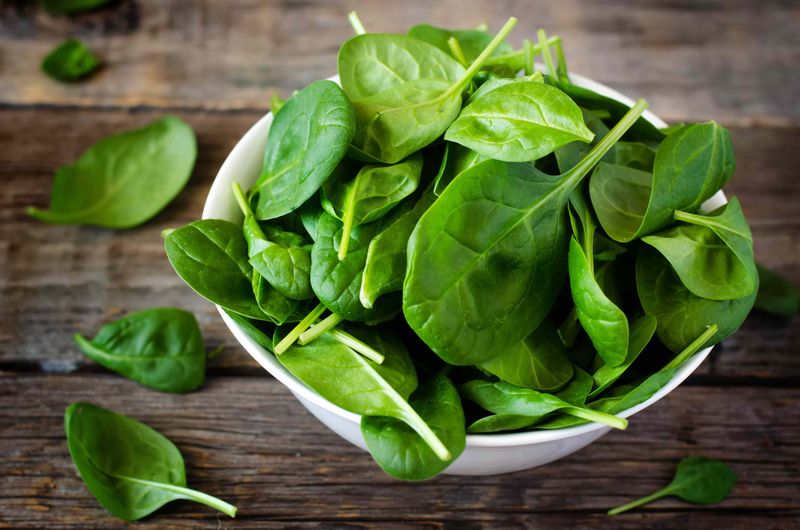
Spinach is one of those greens that slips easily into almost any meal. Toss it into omelettes, curries, soups, or pasta and it wilts down beautifully in seconds.
The mild flavour means it blends well with stronger ingredients without taking over the dish. Fresh leaves work nicely in salads, while frozen spinach is handy for quick cooking.
Keeping a bag on hand makes it effortless to add a little extra greenery to everyday meals.
6. Kale
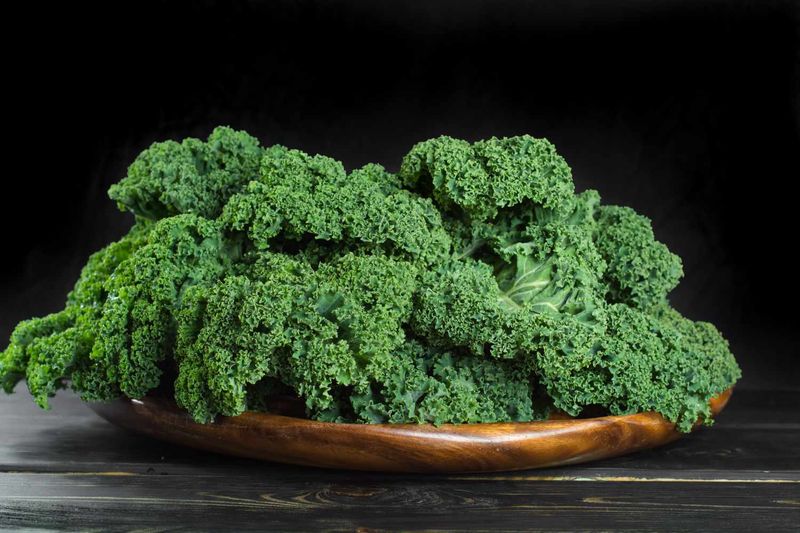
A sturdy texture and slightly bold flavour make this leafy green easy to use across many cooking styles. Massaging kale with a little oil softens the leaves for salads, while roasting turns them into crisp, snackable bites.
It stands up well in soups and stews without going limp too quickly. The gently bitter edge balances nicely with garlic, lemon, or a touch of sweetness.
Having kale on hand makes everyday cooking feel a little more flexible and satisfying.
7. Onion
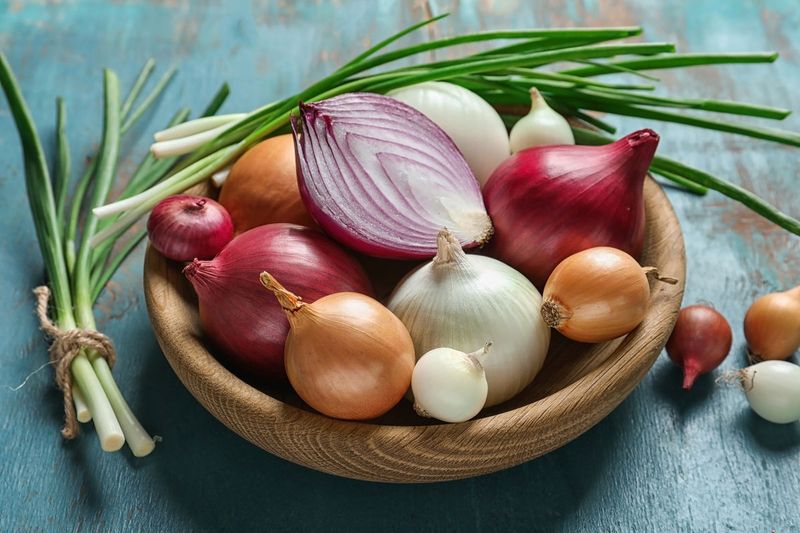
Few ingredients shape savoury cooking as much as this everyday staple sizzling at the start of a recipe. Slow cooking draws out natural sweetness, while raw slices bring sharpness and crunch to fresh dishes.
Onions fit just as comfortably in soups and stews as they do in salads, sandwiches, and sauces. Different varieties offer subtle shifts in flavour and colour, which keeps meals interesting.
It’s hard to find another ingredient that quietly works as hard in so many kitchens.
8. Ways To Consume Them
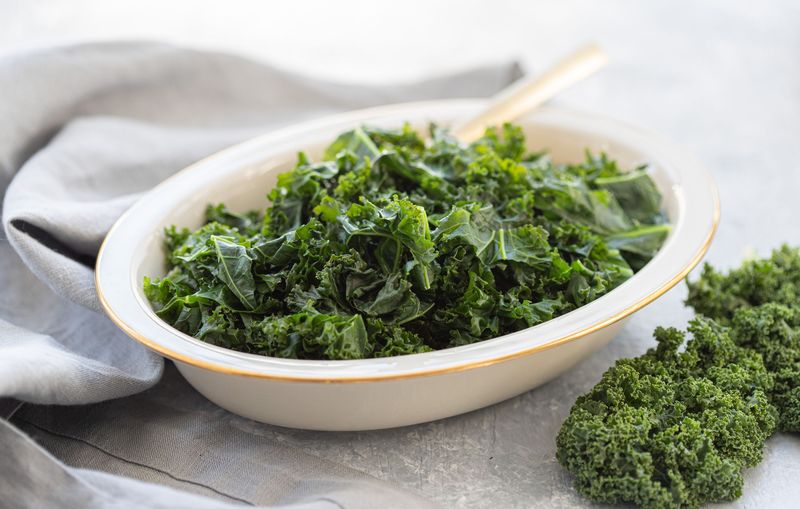
How you prepare vegetables can completely change how enjoyable and easy they are to include in daily meals. From quick cooking methods to simple prep ideas, a little variety keeps things interesting and practical in the kitchen.
The next 6 slides show easy ways to enjoy these vegetables in everyday cooking.
9. Roasted
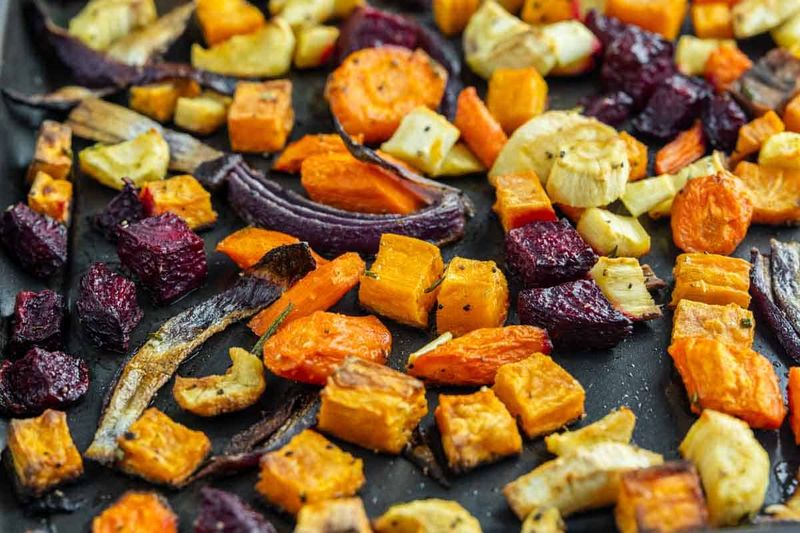
High heat transforms vegetables into caramelised, sweet delights whilst preserving most nutrients. Roasting concentrates flavours as moisture evaporates, creating crispy exteriors and tender insides.
Drizzle vegetables with olive oil, season with herbs, and roast at 200°C until golden. This method works brilliantly for beetroot, onions, garlic, and broccoli.
The Maillard reaction creates new flavour compounds that make even vegetable-sceptics ask for seconds, making healthy eating genuinely enjoyable.
10. Steamed
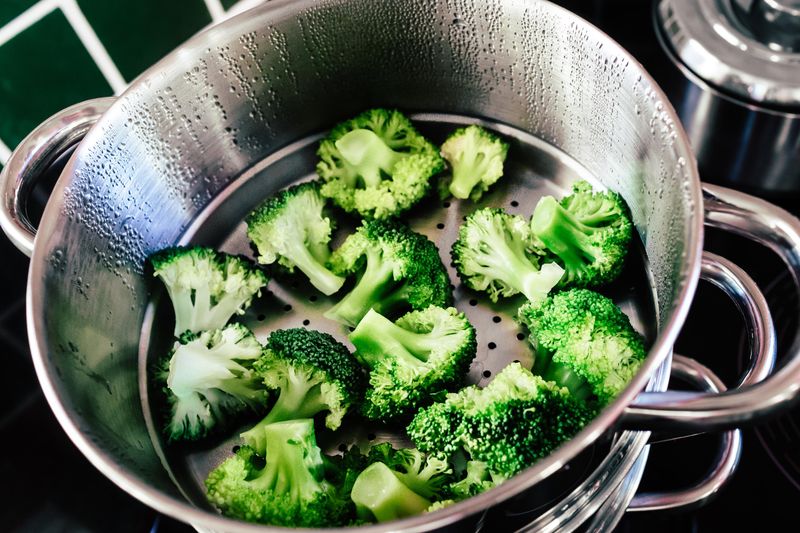
Gentle steaming preserves water-soluble vitamins that boiling would wash away. This method maintains the bright colours, crisp texture, and maximum nutritional value of vegetables.
Broccoli, kale, and spinach benefit enormously from steaming, which softens fibres without destroying delicate compounds. Just five to seven minutes does the trick for most greens.
Season steamed vegetables with lemon juice, garlic, or a touch of butter to enhance flavours whilst keeping preparation healthy and simple.
11. Raw In Salads

Crunching into raw vegetables gives you enzymes and vitamin C at their absolute peak levels. Spinach, kale, and thinly sliced beetroot add colour, texture, and nutrients to any salad bowl.
Raw garlic and onions deliver the most potent medicinal compounds, though the flavour can be quite strong. Mix different textures and colours for visual appeal and varied phytonutrients.
A simple vinaigrette helps your body absorb fat-soluble vitamins from the greens.
12. Blended Into Soups

Silky vegetable soups hide impressive amounts of nutrition in every spoonful. Blending breaks down cell walls, making nutrients more accessible to your digestive system.
Combine roasted garlic, onions, and any greens with stock, then blend until smooth and creamy without adding cream. The heat makes certain antioxidants more bioavailable whilst creating comfort food that nourishes deeply.
Soups also help you consume larger vegetable portions than you might eat whole, maximising medicinal benefits.
13. Stir Fried
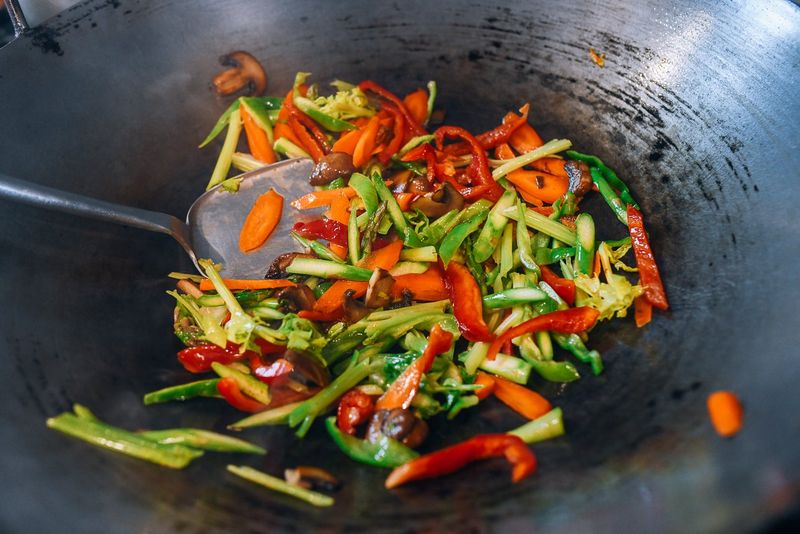
Quick, high-heat cooking in a wok preserves nutrients whilst adding irresistible flavour. Stir-frying requires minimal oil and cooks vegetables in minutes, maintaining their crisp texture and bright colours.
Garlic, onions, broccoli, kale, and spinach all shine in stir-fries with ginger and soy sauce. The brief cooking time means heat-sensitive vitamins survive mostly intact.
This method makes vegetables the star of your meal, surrounded by aromatic seasonings that make healthy eating exciting.
14. Pickled Or Fermented
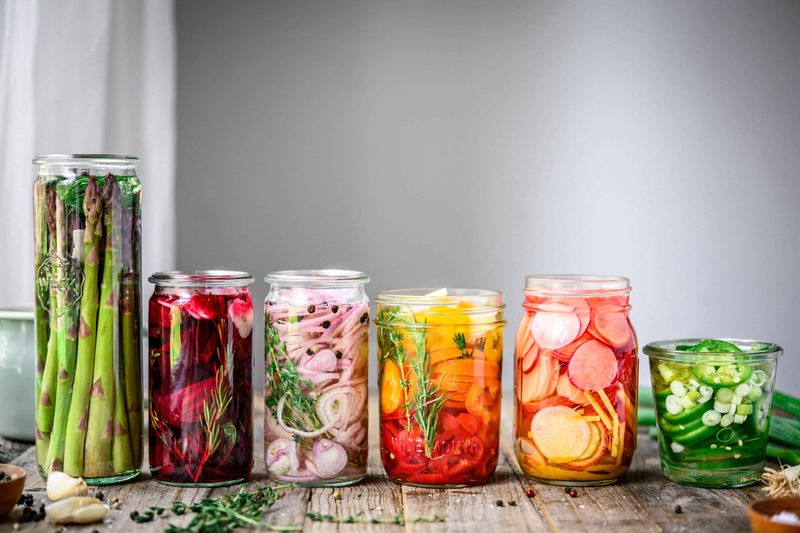
Fermentation transforms ordinary vegetables into probiotic powerhouses that support gut health. Beneficial bacteria multiply during fermentation, creating enzymes and vitamins not present in raw vegetables.
Pickled onions, garlic, and beetroot develop tangy, complex flavours whilst remaining crunchy and satisfying. The fermentation process can increase the bioavailability of certain nutrients and creates compounds that support digestion.
These preserved vegetables last months in your fridge, offering convenient, gut-friendly condiments.



