













Lentils are one of those cupboard staples that promise a lot but often disappoint on the plate. When cooked without much thought, they can slip from underdone to overcooked in no time, losing both texture and flavour along the way.
With a few simple adjustments to timing, seasoning, and method, lentils can turn into something deeply satisfying rather than an afterthought. Getting them right makes everyday meals feel far more considered.
All information is provided for general interest only. Cooking results may vary depending on lentil type, brand, and preparation method.
Photos are for illustrative purposes only.
Why Lentil Texture Goes Wrong So Often

Most people treat all lentils the same, which is where trouble starts. Red and yellow varieties break down fast because they're split, making them perfect for creamy dals but disasters in salads.
Green and brown lentils hold their shape better, whilst black beluga lentils stay firm like little pearls.
If you've ever ended up with mush, it's usually because you picked a delicate type and cooked it too long. Match the lentil to the dish, and half the battle's already won.
The Best Lentils To Use For Each Type Of Dish
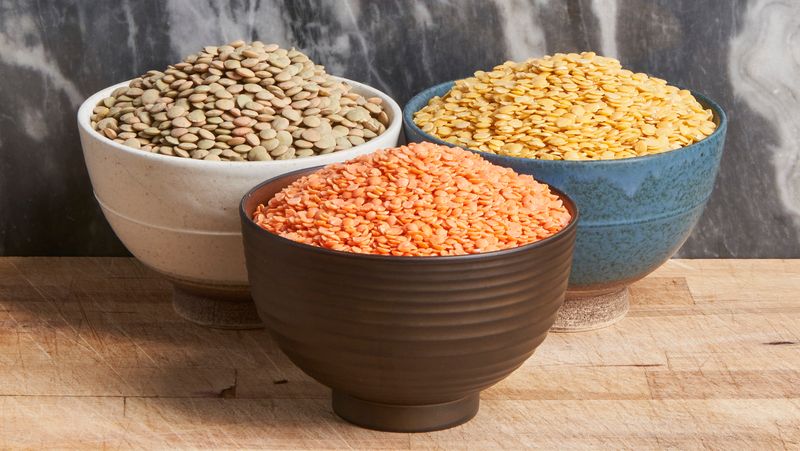
Puy lentils are your best mate for salads – they've got a peppery, nutty flavour and stay beautifully intact. Brown or green lentils work brilliantly in stews and curries where you want some bite left.
Red and yellow lentils turn soft and silky, so save them for soups, purées, or anything you'd blend.
Beluga lentils look fancy and taste earthy, making them ideal for side dishes or grain bowls. Choose wisely, and your dish practically cooks itself right.
How Soaking And Rinsing Changes The Final Result
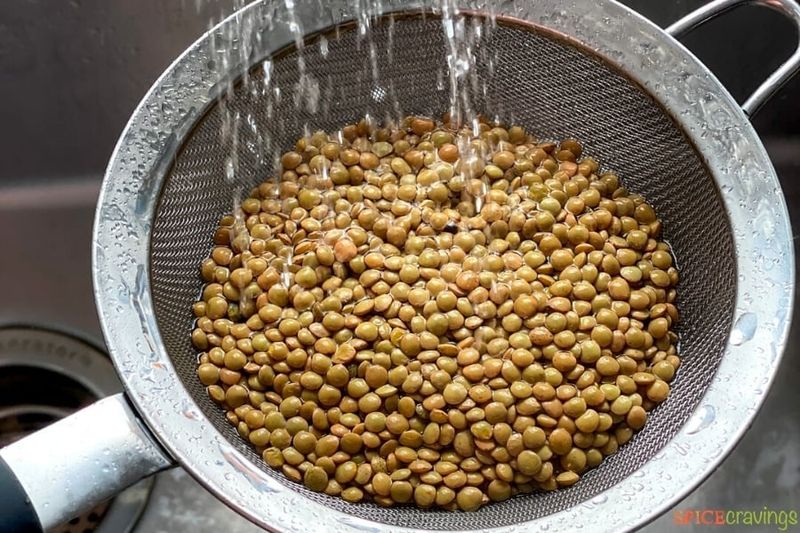
Rinsing lentils under cold water removes dust and any sneaky little stones that might chip a tooth. It also washes away some of the starch, which helps prevent them clumping together.
Soaking isn't essential for most lentils, but a quick two to four hour soak can shorten cooking time and make them gentler on your digestion.
If you're in a rush, skip the soak – just rinse well and crack on. Either way, cleaner lentils mean clearer flavours.
Salt Timing And Why It Actually Matters
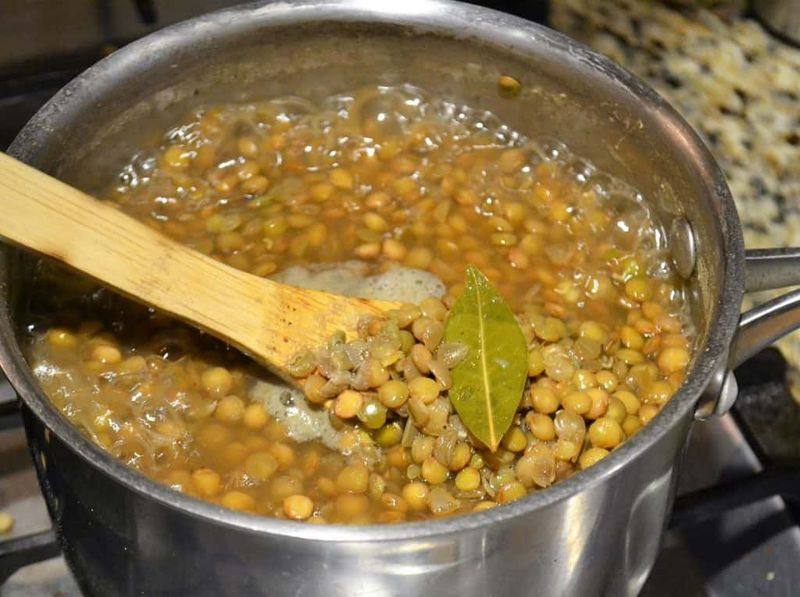
Here's the thing: adding salt too early toughens the skins and makes lentils take ages to soften. Some cooks swear by salting at the start, but you risk uneven texture and longer cooking.
The safer bet is to wait until the lentils are nearly done, then season generously.
Acidic ingredients like tomatoes or lemon juice have the same effect, so hold off on those too. Once they're tender, salt and acid will soak right in without any fuss.
Simple Aromatics That Give Lentils Real Flavour

Plain lentils can taste like cardboard, so chuck in a bay leaf, a few garlic cloves, or a halved onion whilst they simmer. Cumin seeds, coriander, turmeric, or smoked paprika add warmth without much effort.
Even a knob of ginger or a cinnamon stick works wonders, depending on where your recipe's heading.
Don't be shy – lentils soak up flavour like little sponges. Build the taste as they cook, and you won't need to drown them in sauce later.
How Long Lentils Really Need To Cook
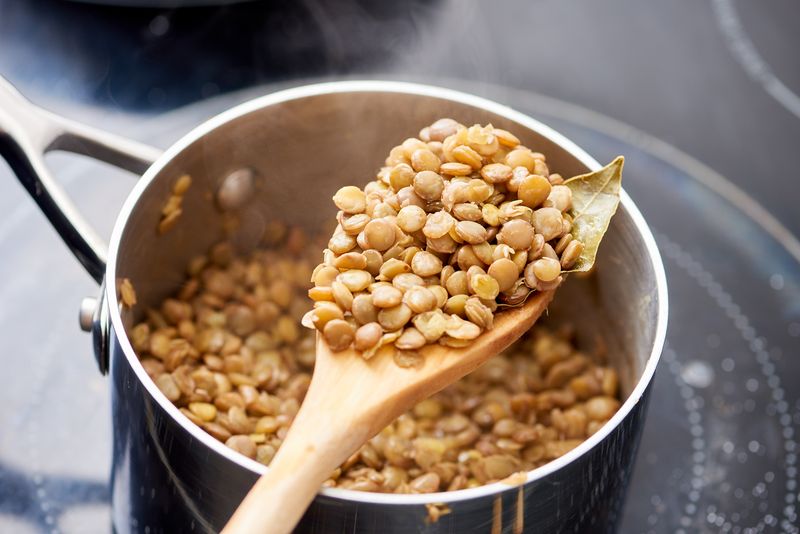
Red and yellow lentils are speedy, done in about 15 to 20 minutes. Brown and green types need 20 to 30 minutes, whilst Puy and beluga lentils sit around 25 to 30 minutes.
Start checking a few minutes before the lower end of the range – they go from perfect to porridge fast.
Taste as you go, aiming for tender but still holding shape. Timing varies with age and storage, so trust your mouth more than the clock.
The One Mistake That Turns Lentils To Mush
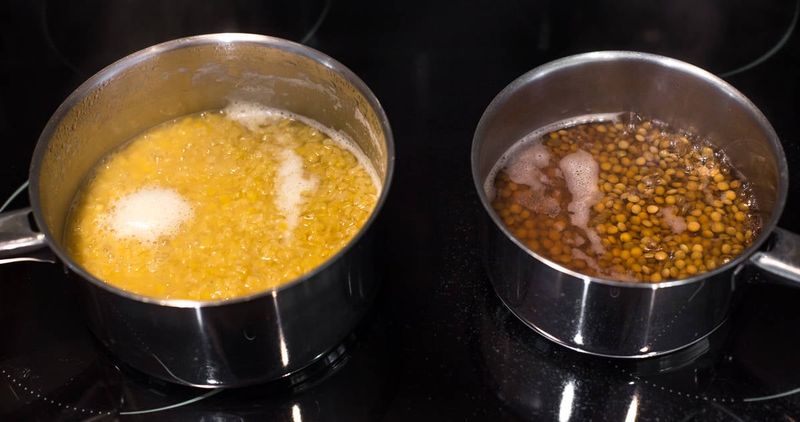
Cooking lentils at a rolling boil is the fastest route to disaster. High heat batters them around the pot, breaking the skins and turning everything into sludge.
Once you've brought the water to a boil, drop the heat right down to a gentle simmer – you want barely a bubble breaking the surface.
Low and slow keeps them intact and evenly cooked. Patience here pays off in texture you can actually see and taste on the plate.
Easy Finishing Touches That Lift The Whole Dish
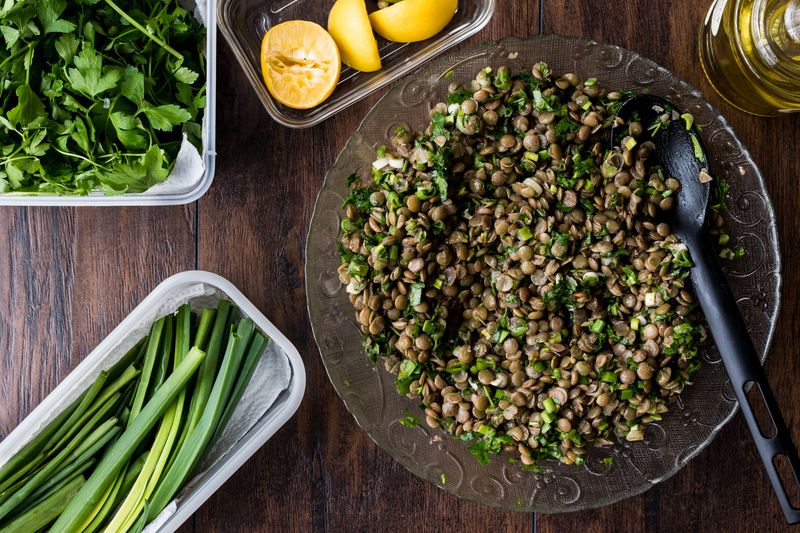
Once your lentils are cooked, drain any excess liquid and let them sit for a minute to firm up. A drizzle of good olive oil, a squeeze of lemon, or a knob of butter adds richness and brightness.
Fresh herbs like parsley, coriander, or mint bring colour and a punch of freshness.
Toasted nuts, crispy shallots, or a sprinkle of chilli flakes give texture and interest. Small touches turn plain lentils into something you'd actually crave for dinner.



