













Herbs are often treated as finishing touches, sprinkled on at the last moment and quickly forgotten. Many have long histories that go far beyond flavour, rooted in tradition and everyday use.
Their role in food has always been more layered than it first appears. Take a closer look and see what’s been hiding in plain sight all along.
All information is provided for general interest only and should not replace professional medical advice. Individual responses to foods and herbs vary.
1. Parsley
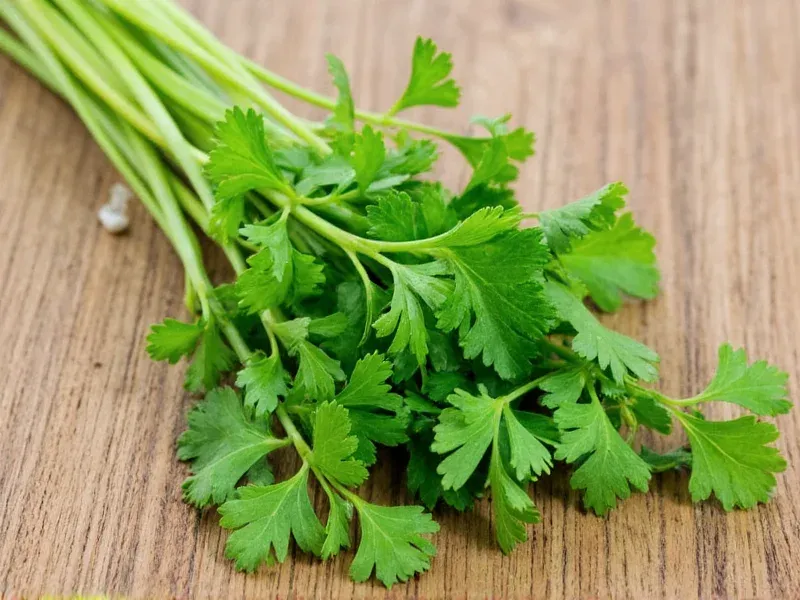
Often dismissed as a simple garnish, parsley quietly holds its place in everyday cooking. Both curly and flat-leaf types appear across British, Mediterranean, and Middle Eastern kitchens.
Its fresh, slightly peppery taste lifts sauces, salads, and cooked dishes without stealing attention. Many cooks add it at the end to preserve colour and flavour.
Over time, it has earned its role as a dependable kitchen staple.
2. Peppermint
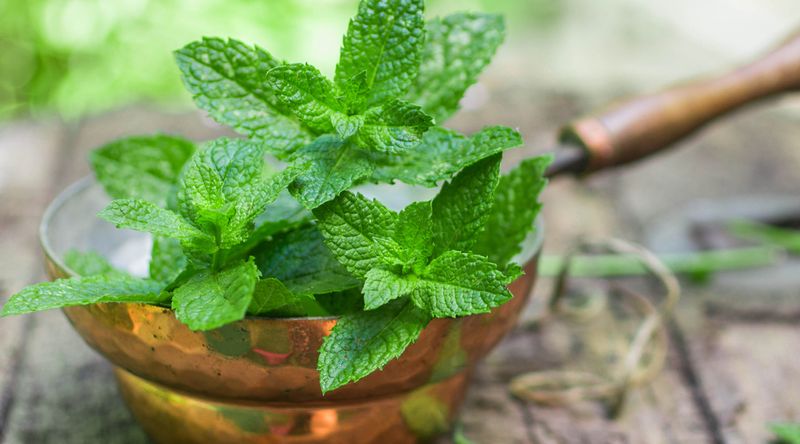
That refreshing tingle you taste in peppermint isn't just pleasant - it's actually medicine working. Menthol, the active ingredient, relaxes digestive muscles and helps trapped gas escape more easily.
Drinking peppermint tea after meals can prevent bloating and indigestion. The cooling sensation also soothes headaches when applied topically as oil.
Studies show peppermint can even improve concentration and alertness, making it perfect for study sessions or long workdays.
3. Basil
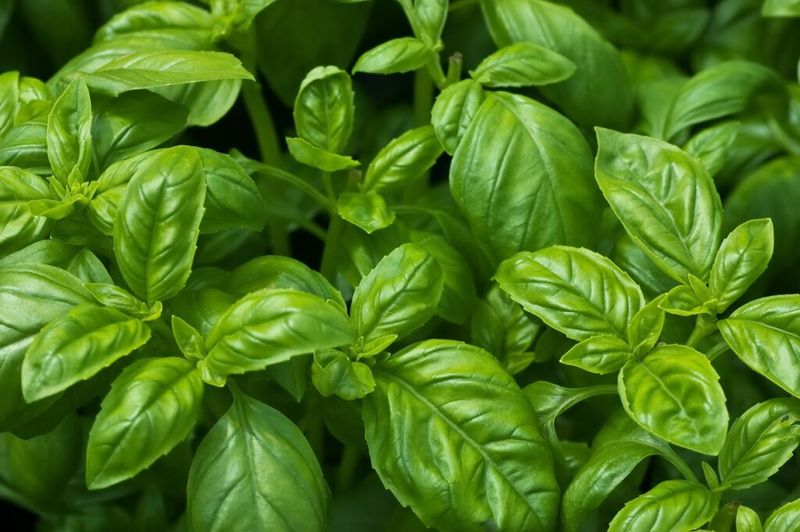
Soft, aromatic notes are what make basil so instantly recognisable in the kitchen. Fresh leaves are essential in many Mediterranean dishes, especially simple sauces and salads.
The flavour stays at its best when added just before serving rather than cooked for long periods. Different varieties bring subtle changes, from sweet to gently spiced.
Its strength lies in freshness rather than intensity.
4. Dill
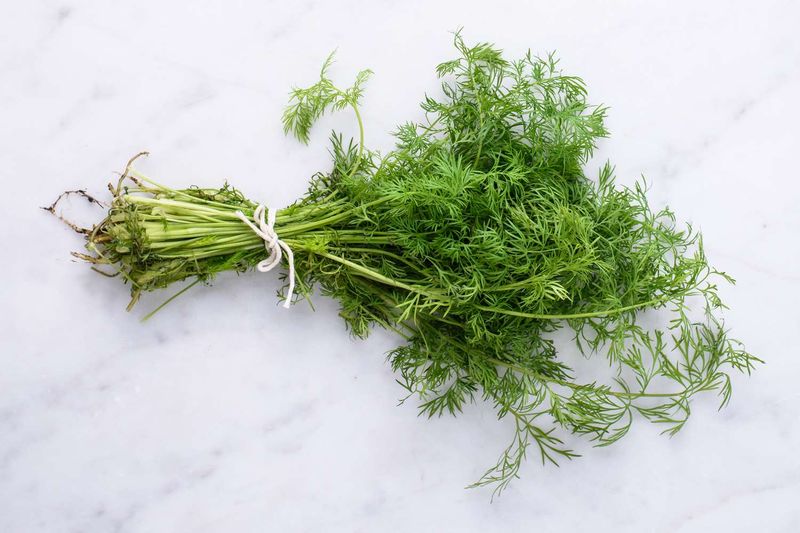
Light and grassy flavours define the appeal of dill in everyday cooking. It is commonly paired with fish, potatoes, and creamy dishes across Northern and Eastern Europe.
Cooks use both the feathery leaves and the seeds, depending on the recipe. Long cooking dulls its character, so it is usually added near the end.
That gentle profile makes it easy to enjoy without overwhelming a dish.
5. Thyme
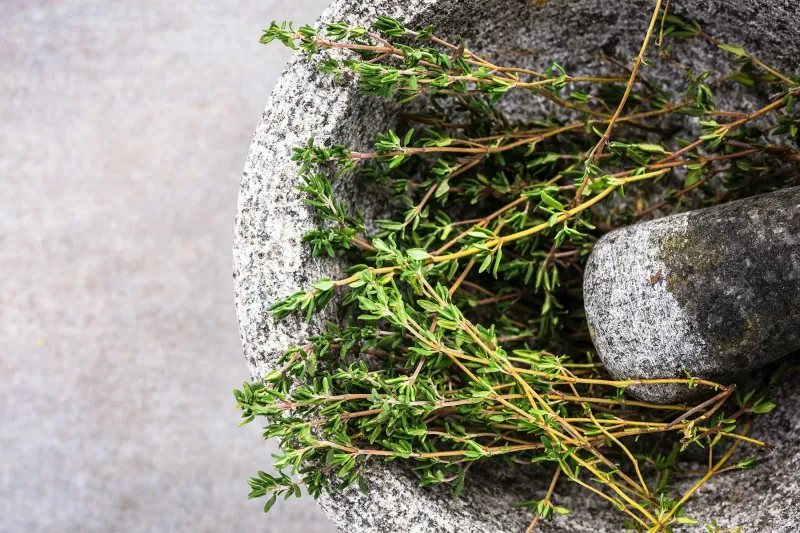
Thyme may look delicate, but it has a bold, earthy flavour. It has traditionally been used in warm dishes, broths, and slow cooking.
Many people enjoy thyme tea as a comforting drink during colder months. Its aroma alone makes it a favourite in home kitchens.
The herb has a long history tied to food and household use rather than miracle cures.
6. Chamomile
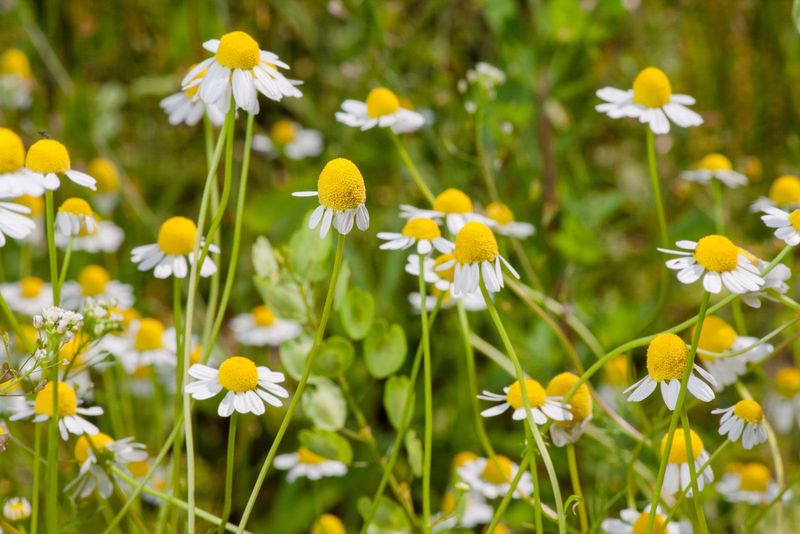
Struggling to drift off at night? Chamomile has been lulling restless minds to sleep for generations.
This daisy-like flower contains apigenin, an antioxidant that binds to brain receptors promoting sleepiness and reducing anxiety. A warm cup before bed calms racing thoughts and relaxes tense muscles.
Chamomile also soothes digestive complaints and menstrual cramps. Its anti-inflammatory properties make it useful for skin conditions when applied as a compress or added to bathwater.
7. Rosemary
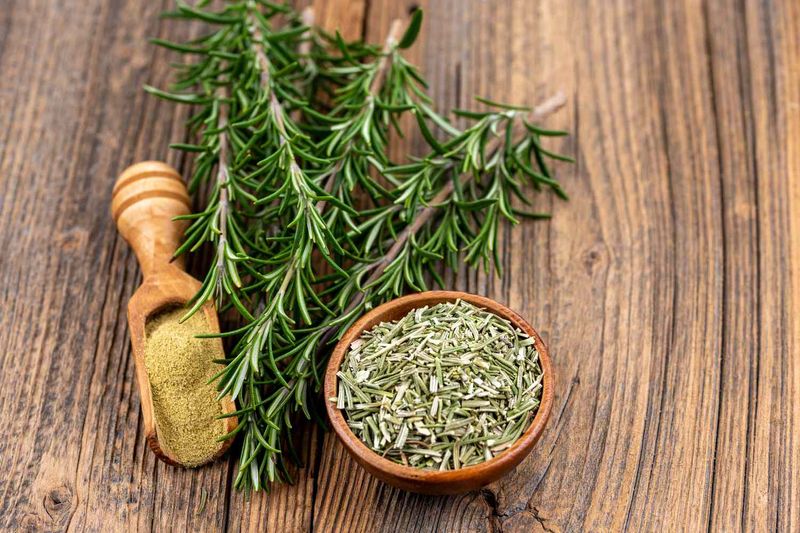
Rosemary’s pine-like scent has made it a kitchen staple for centuries. It is often associated with memory through literature and folklore.
In cooking, rosemary brings depth to roasted vegetables, meats, and breads. The fragrance alone is enough to make a dish feel more inviting.
Its appeal lies in tradition, aroma, and flavour rather than dramatic effects.
8. Fennel
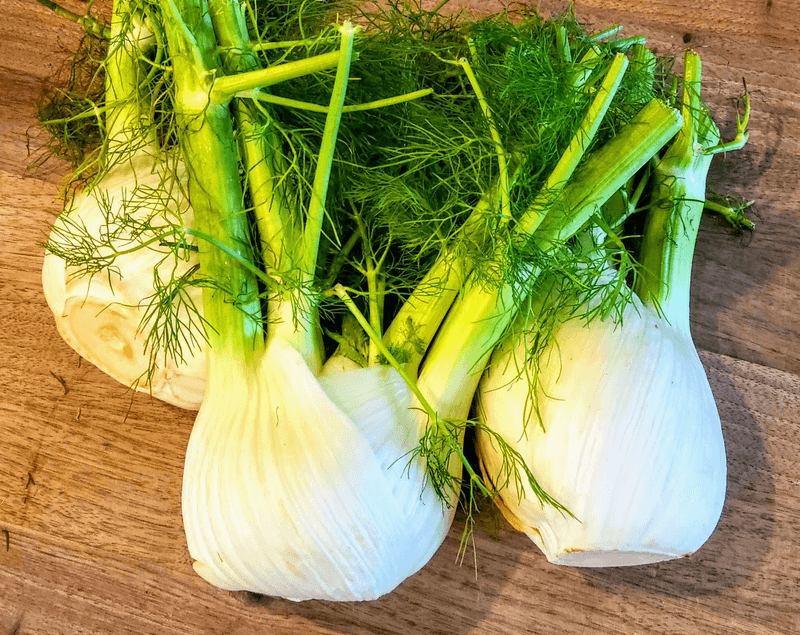
A mild anise note gives fennel its distinctive yet balanced flavour. In many recipes, the fronds are treated as a herb while the bulb is used more like a vegetable.
Mediterranean cooking often pairs it with fish or slow-cooked dishes. When raw, it adds a fresh, aromatic crunch to salads.
Its ability to work across different styles makes it especially versatile.
9. Sage
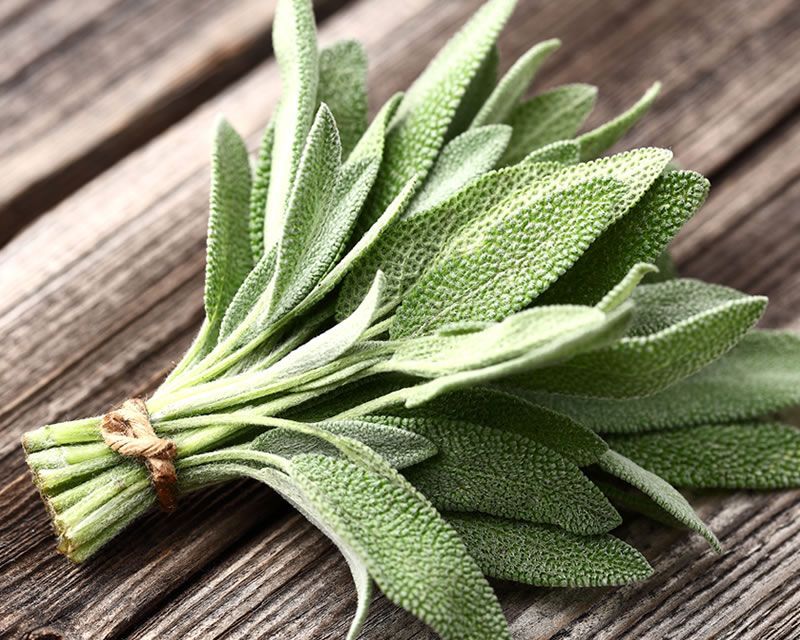
Sage has been valued since ancient times for its strong flavour and symbolism. It is commonly used in stuffing, sauces, and savoury dishes.
Sage tea remains a traditional household drink in many cultures. The herb has also been used historically in seasonal routines and rituals.
Its reputation comes from long-standing use rather than medical certainty.
10. Oregano
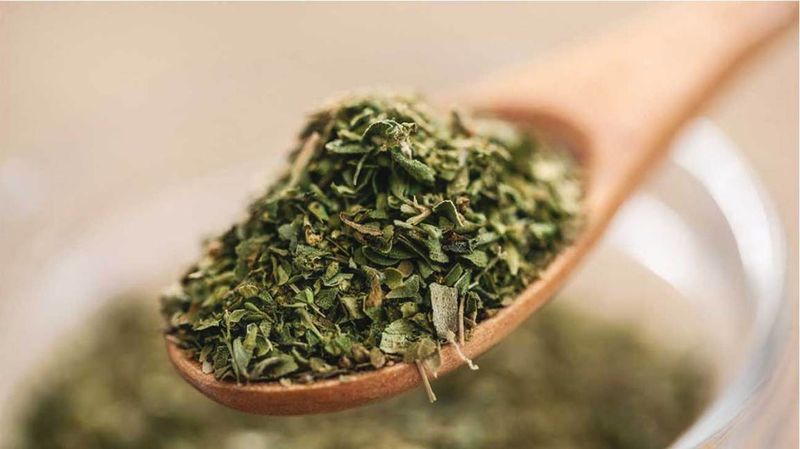
Oregano is far more than a pizza topping. It plays a central role in Mediterranean cooking, bringing warmth and balance to sauces and roasted dishes.
Both fresh and dried forms are widely used in everyday meals. The herb has been traditionally associated with food preservation and flavour.
Its value sits comfortably in the kitchen rather than the medicine cabinet.



