











A busy kitchen can quickly turn into organised chaos, especially when meals are thrown together on the fly. Small habits often make a bigger difference than people realise, quietly shaping how safe and comfortable the space feels.
It is surprisingly easy to tighten up routines without making cooking feel like a chore. A few thoughtful tweaks can help everyday food prep run more smoothly and confidently.
All information is provided for general interest only. Food safety guidance may vary depending on household needs and local recommendations.
1. Wash Hands Thoroughly Before Handling Any Food

Your hands touch countless surfaces throughout the day, picking up invisible bacteria along the way. Before you start cooking or preparing meals, spend at least 20 seconds scrubbing with warm, soapy water.
Don't forget the backs of your hands, between your fingers, and under your nails. Proper handwashing is your first defence against spreading germs to the food you're about to eat.
2. Keep Raw And Cooked Foods Completely Separate
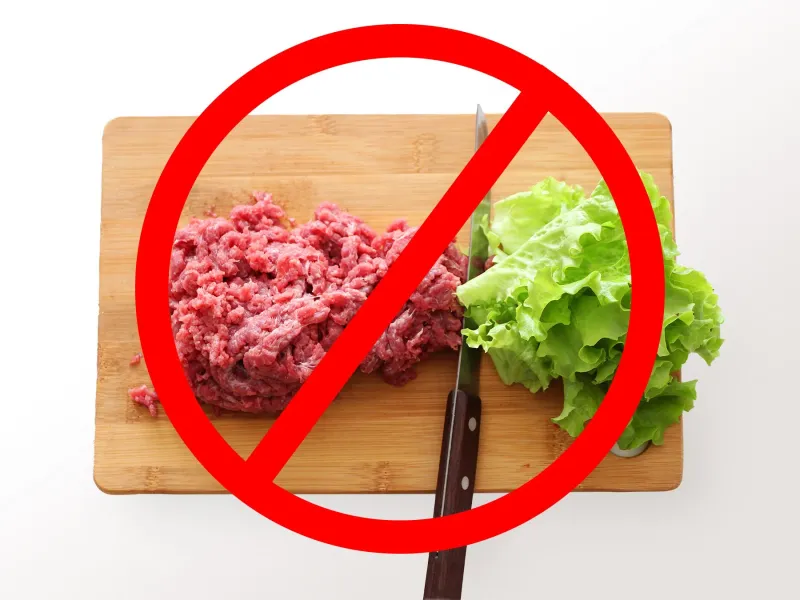
Cross-contamination happens when raw meat juices or bacteria transfer to ready-to-eat foods. Always store raw meat, poultry, and seafood on the bottom shelf of your fridge, preventing drips onto other items.
Use different plates and utensils for raw and cooked foods. This simple step stops harmful bacteria like salmonella from spreading and keeps your meals safe to enjoy.
3. Clean And Sanitise Work Surfaces After Food Preparation
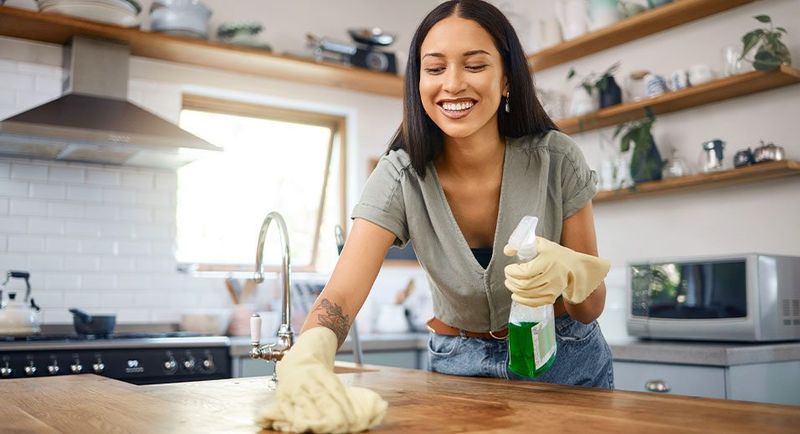
Countertops collect bacteria from raw ingredients, shopping bags, and everyday kitchen activities. After preparing food, especially raw meat, wipe down all surfaces with hot, soapy water or a kitchen-safe disinfectant.
Let the surface air-dry or use a clean towel. Regular sanitising prevents bacteria from building up and contaminating the next meal you prepare on that spot.
4. Store Food At Safe Refrigerator And Freezer Temperatures
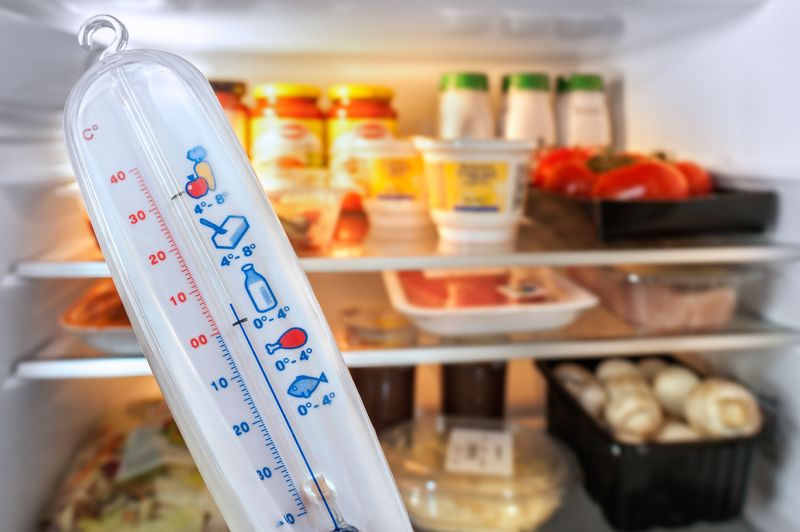
Bacteria multiply rapidly when food sits in the 'danger zone' between 5°C and 63°C. Keep your fridge at 5°C or below and your freezer at -18°C or colder to slow bacterial growth.
Use a fridge thermometer to check temperatures regularly. Proper storage extends food freshness and prevents nasty surprises like food poisoning from seemingly fine leftovers.
5. Check Use By Dates And Rotate Food Regularly
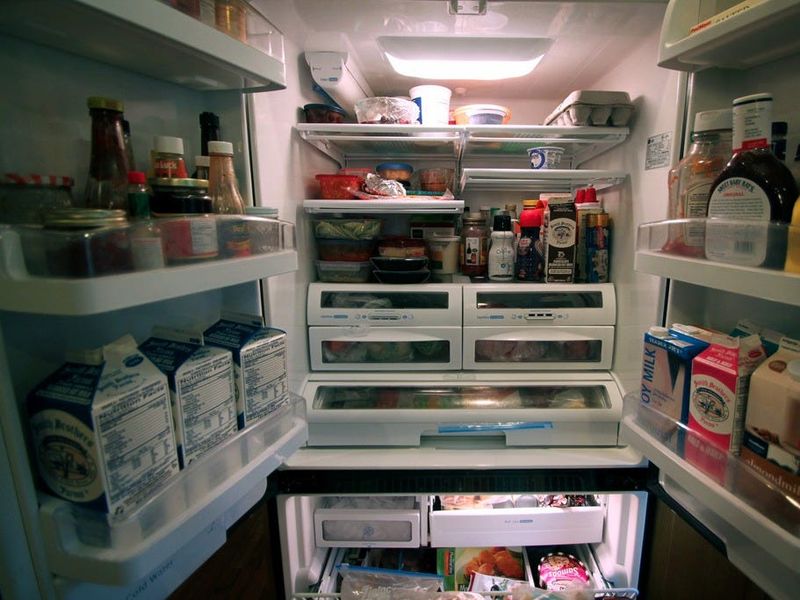
Food labels exist for a reason - 'use by' dates indicate when products are no longer safe to consume. Make it a habit to check dates when unpacking groceries and organising your fridge.
Practice 'first in, first out' by moving older items to the front. This rotation system reduces waste and ensures you're always eating food at its freshest and safest.
6. Wash Fruit And Vegetables Before Eating Or Cooking
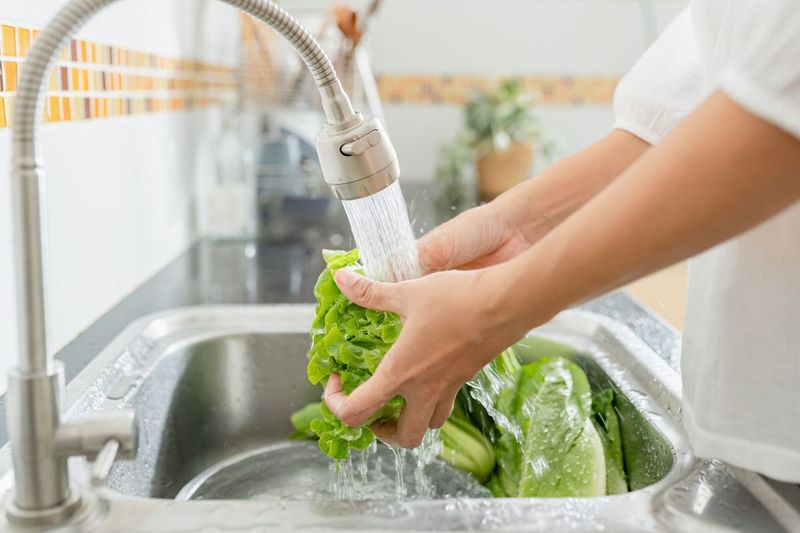
Even pre-washed produce benefits from a quick rinse under running water. Dirt, pesticides, and bacteria can linger on the surface of fruits and vegetables from the farm, transport, and shop handling.
Gently rub produce whilst rinsing to remove contaminants. For items with thick skins like melons, use a clean brush to scrub the surface before cutting through.
7. Cook Foods To Safe Internal Temperatures
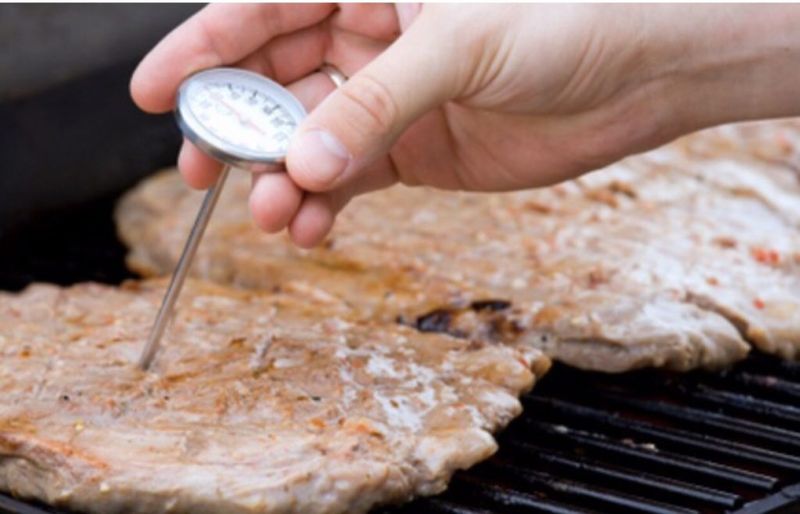
Colour alone doesn't tell you if meat is safely cooked - only a food thermometer gives you certainty. Poultry needs to reach 75°C, whilst beef and pork should hit at least 63°C internally.
Insert the thermometer into the thickest part of the meat, avoiding bone. Proper cooking kills harmful bacteria like E. coli and campylobacter that cause serious illness.
8. Use Separate Chopping Boards For Different Food Types
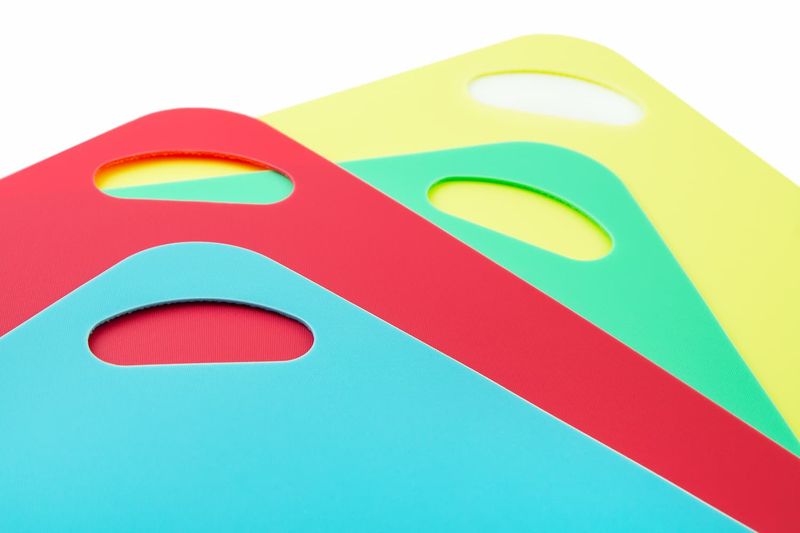
Investing in colour-coded chopping boards makes kitchen safety effortless. Red for raw meat, green for vegetables, and white for dairy and bread creates a foolproof system against cross-contamination.
Bacteria from raw meat can hide in knife marks on boards. Using dedicated boards for different food groups prevents these germs from transferring to foods eaten raw.
9. Avoid Leaving Perishable Foods At Room Temperature
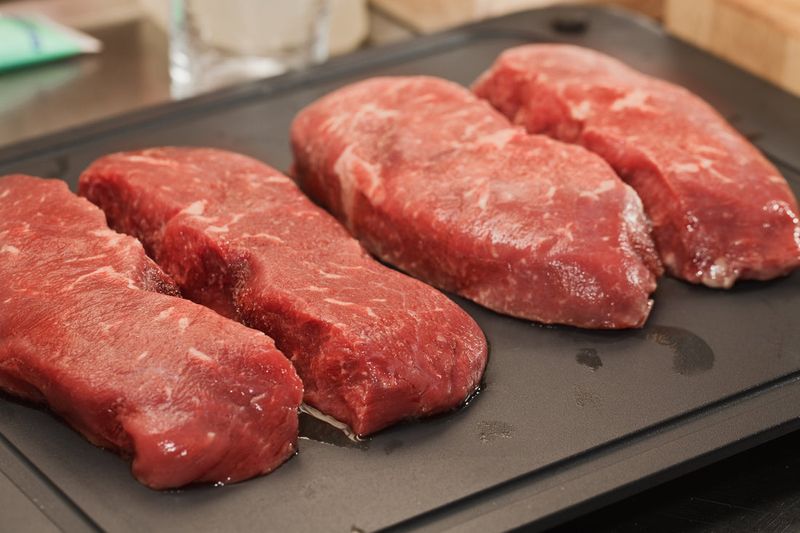
The two-hour rule is crucial: never leave perishable foods out for more than two hours, or one hour if it's particularly warm. Bacteria double in number every 20 minutes at room temperature.
Refrigerate leftovers promptly after meals and don't defrost meat on the counter. Safe practices mean food stays delicious without becoming a breeding ground for illness-causing microbes.
10. Keep Kitchen Cloths And Sponges Clean And Dry
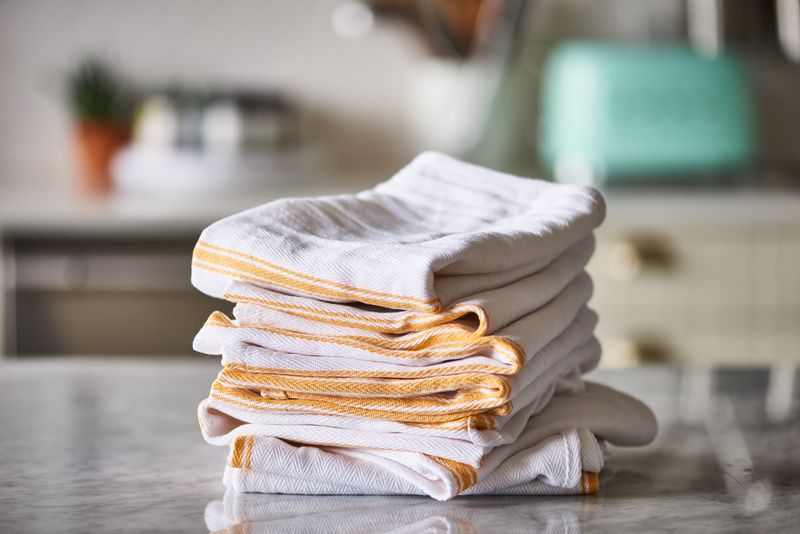
Damp, well used cloths and sponges can quickly become a cosy home for bacteria, even when they look clean on the surface. Washing dishcloths regularly in hot water helps remove grease, food residue and lingering germs that love warm, moist fabrics.
Sponges should be replaced frequently, especially once they start breaking down or holding unpleasant odours. Between uses, wringing cloths out properly and allowing them to dry fully reduces moisture that bacteria thrive on.
Keeping a small rotation of fresh cloths makes staying on top of kitchen hygiene feel simple rather than fussy.