













Spices play a quiet but important role in shaping flavour, aroma, and depth in everyday cooking. Even simple ingredients can taste noticeably different depending on how they are seasoned and combined.
Keeping a small but thoughtful selection of spices at home allows cooks to vary familiar recipes, explore different cuisines, and make better use of basic storecupboard staples.
Understanding which spices work well across a range of dishes can help bring more consistency and confidence to home cooked meals.
This article is for general informational purposes only. Taste preferences, ingredient availability, and cooking methods may vary between households and regions.
Photos are for illustrative purposes only.
1. Smoked Paprika
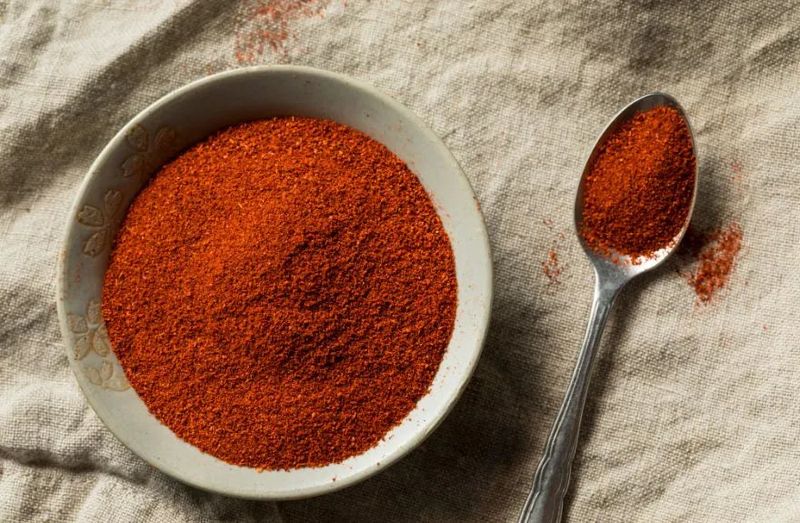
Imagine capturing the soul of a barbecue in a jar. That's smoked paprika for you.
This Spanish gem brings deep, smoky notes without ever firing up the grill, making it brilliant for adding complexity to roasted vegetables, stews, or even scrambled eggs.
Unlike its sweet or hot cousins, smoked paprika has been dried over oak fires, giving it that distinctive campfire character. A pinch transforms humble potatoes into something restaurant-worthy.
Try it on chicken before roasting, or stir it into mayonnaise for an instant flavour upgrade that'll have everyone asking for your secret.
2. Cumin Seeds
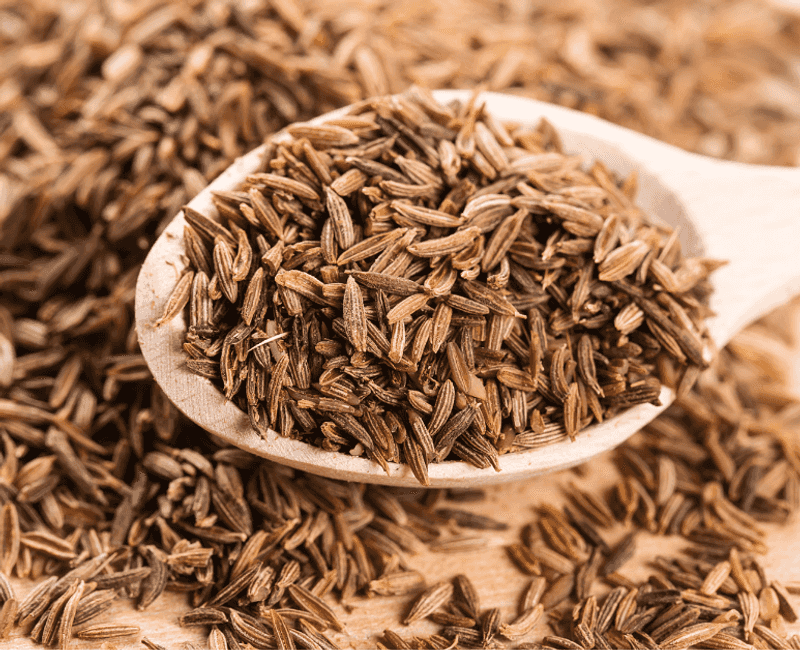
Warm, earthy, and utterly essential across half the world's cuisines, cumin seeds pack a serious punch. These little brown beauties are the backbone of curries, chilli con carne, and countless Middle Eastern dishes.
Here's a top tip: toast them in a dry pan for 30 seconds before using. The aroma that fills your kitchen is absolutely intoxicating, and it releases oils that pre-ground cumin simply can't match.
Ground or whole, cumin adds a nutty depth that makes food taste more layered and interesting. Once you start using it properly, you'll wonder how you ever cooked without it.
3. Ground Coriander
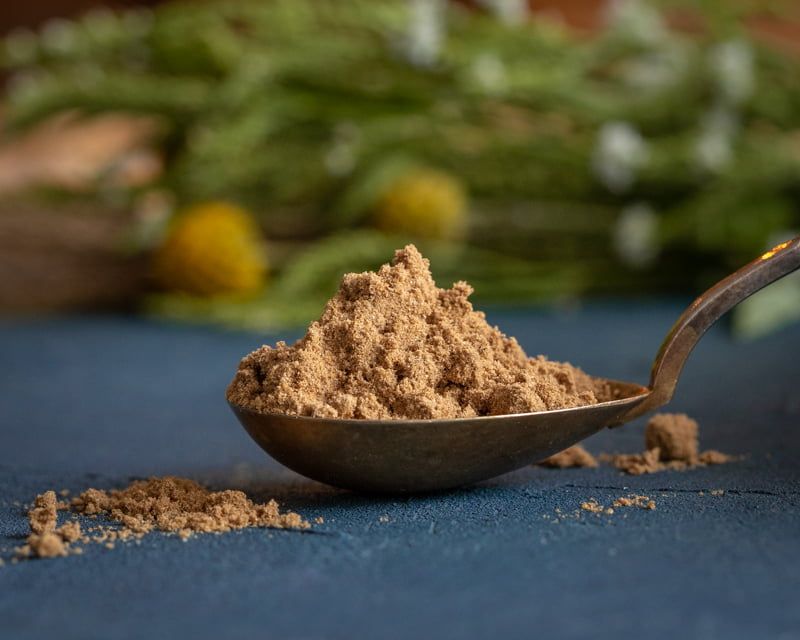
If cumin is the bass line, ground coriander is the melody that makes everything sing. With its sweet, citrusy notes and gentle warmth, this spice plays beautifully with others rather than hogging the spotlight.
Coriander seeds come from the same plant as fresh coriander (cilantro), but they taste completely different. The ground version brings a lemony sweetness that brightens curries, marinades, and even baked goods.
It's particularly lovely in homemade spice blends, where it rounds out sharper flavours and adds a subtle complexity. Keep it fresh by buying whole seeds and grinding them yourself when possible.
4. Turmeric
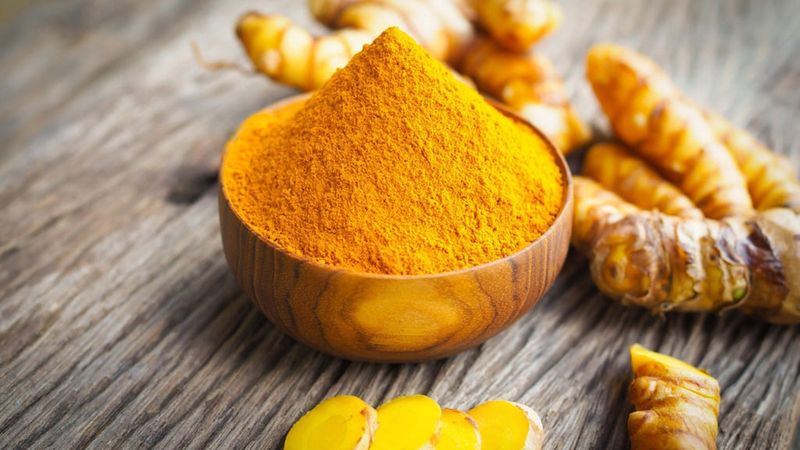
That gorgeous golden glow in your curry? That's turmeric working its magic.
This vibrant yellow spice is a staple in Indian cooking, bringing an earthy, slightly bitter flavour and serious colour to rice, stews, and even smoothies.
Beyond its culinary uses, turmeric has been celebrated for centuries for its health benefits. Just be warned: it stains absolutely everything, so handle with care unless you fancy bright yellow fingertips.
A little goes a long way with this powerful spice. Start small and build up, as too much can make dishes taste medicinal rather than delicious.
5. Cinnamon
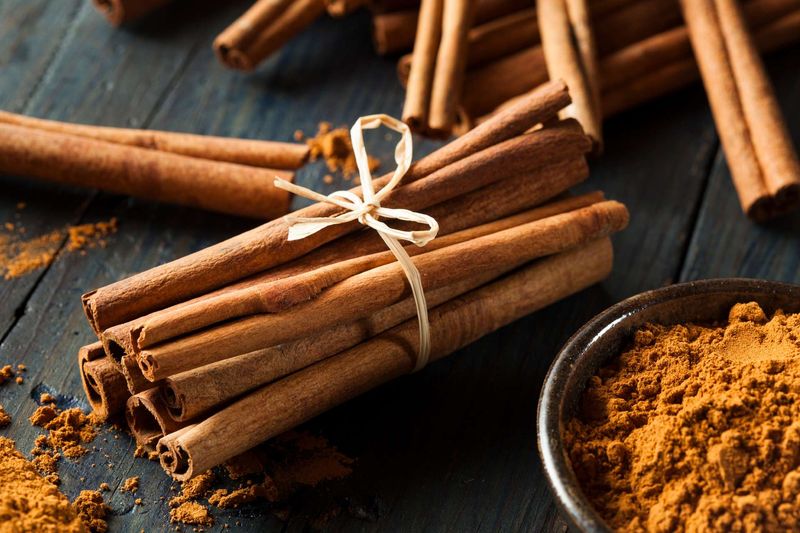
Sweet, woody, and wonderfully versatile, cinnamon is far more than just a pudding spice. Whilst it shines in apple crumbles and porridge, it also adds incredible depth to Moroccan tagines, slow-cooked lamb, and rich tomato sauces.
Ceylon cinnamon, sometimes called "true cinnamon," is milder and more delicate than the common Cassia variety you'll find in most supermarkets. Both work brilliantly, though Ceylon is gentler if you're using larger quantities.
Try adding a stick to your next pot of rice or sprinkling a pinch into your coffee grounds before brewing. It's these little touches that separate good cooks from great ones.
6. Cardamom
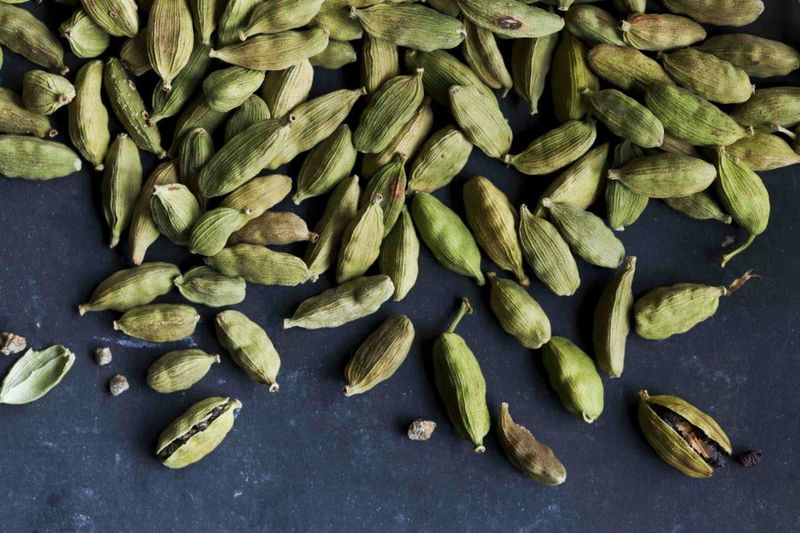
Fancy a bit of luxury in your spice rack? Cardamom is often called the "queen of spices," and one whiff explains why.
These little green pods contain intensely aromatic black seeds with a complex flavour that's simultaneously sweet, spicy, and floral.
Scandinavian bakers adore it in pastries, whilst Indian cooks wouldn't dream of making chai without it. You can use the whole pods in rice dishes or curries, or grind the seeds for a more concentrated hit.
It's pricey, sure, but a little cardamom goes an incredibly long way. Store it properly in an airtight container, and it'll reward you with extraordinary fragrance for months.
7. Star Anise
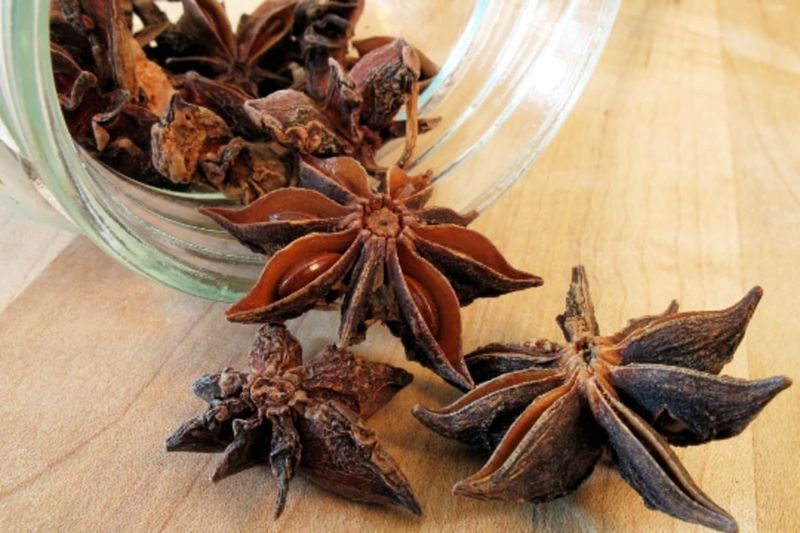
With its striking eight-pointed star shape, this spice looks like something from a Christmas decoration, but its flavour is pure magic. Star anise brings a sweet liquorice-like taste that's essential in Chinese five-spice and Vietnamese pho.
Don't let the aniseed flavour put you off if you're not usually a fan. When used in savoury dishes, it adds an intriguing warmth and depth rather than overwhelming sweetness.
One or two stars are plenty for most recipes. Drop them into braising liquids, stews, or mulled apple juice, then fish them out before serving.
They're too hard to eat but perfect for infusing.
8. Sumac
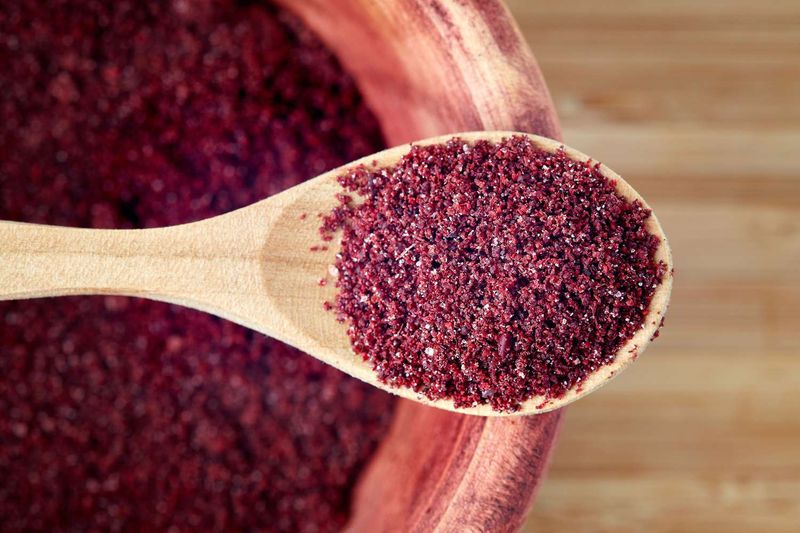
Meet the Middle East's secret weapon for adding brightness without reaching for the lemon. These deep red berries are ground into a tangy, slightly fruity powder that brings instant zing to grilled meats, salads, and roasted vegetables.
Sumac has a gorgeous wine-red colour that makes dishes look as good as they taste. It's the key ingredient in the classic spice blend za'atar and works beautifully sprinkled over hummus or yoghurt.
If you've never tried it, you're in for a treat. It's tart without being sour, adding a lemony punch that wakes up your palate and makes everything taste fresher and more vibrant.
9. Nutmeg
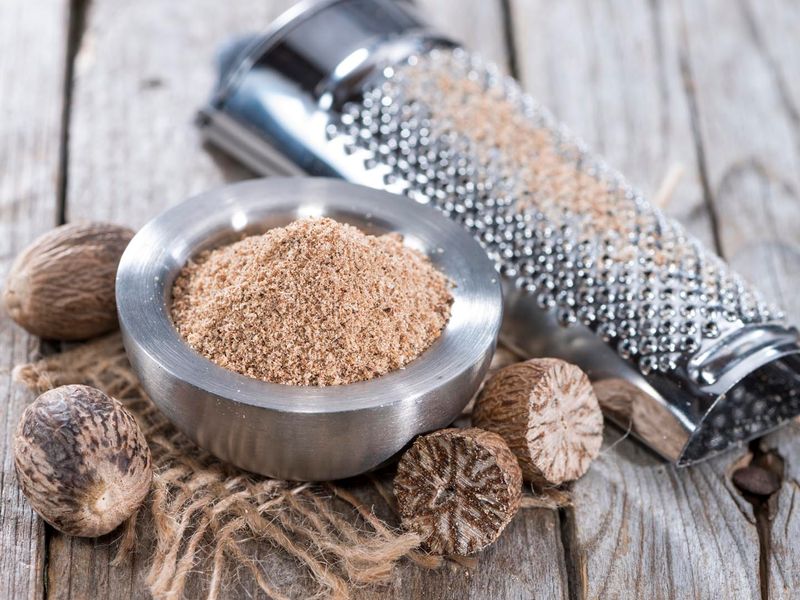
Grating fresh nutmeg is one of those small kitchen rituals that makes you feel like a proper chef. This warm, sweet spice is brilliant in béchamel sauce, mashed potatoes, and spinach dishes, adding a subtle complexity that's hard to pinpoint but impossible to ignore.
Whole nutmeg keeps its flavour far longer than the pre-ground stuff, and a single seed lasts ages. Invest in a small grater or microplane, and you'll never go back to the jar.
A tiny amount goes a long way, so start with just a few gratings. Too much can turn medicinal quickly, but the right amount adds a sophisticated warmth to both sweet and savoury creations.
10. Black Peppercorns
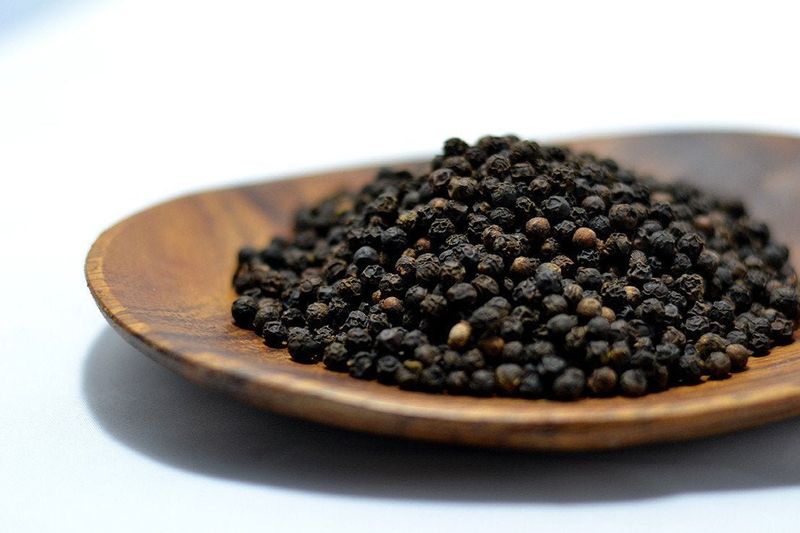
Freshly cracked black pepper is worlds apart from the dusty pre-ground stuff that's been sitting in your cupboard since 2019. Those little black spheres contain essential oils that start losing their magic the moment they're ground.
A decent pepper mill is one of the best investments you can make for your kitchen. The difference in flavour is genuinely remarkable: bright, sharp, and aromatic rather than flat and one-dimensional.
Black pepper isn't just about heat; it adds depth and brings out other flavours in your cooking. Crack it over strawberries with balsamic, or use it generously on steaks and roasted vegetables for that proper restaurant finish.
11. Fennel Seeds
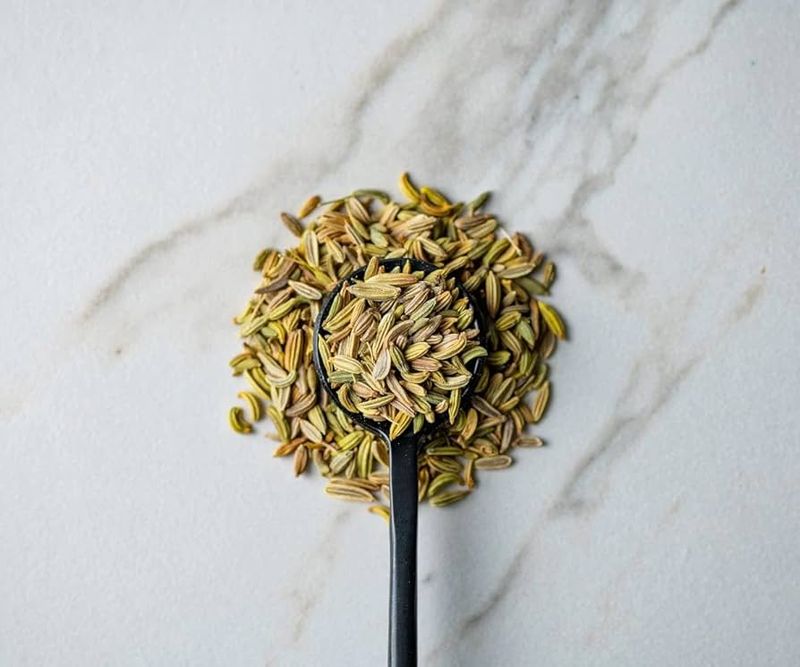
These little green-brown seeds taste like liquorice had a baby with fresh herbs, bringing a sweet, anise-like flavour that's surprisingly versatile. Italian sausage makers swear by them, and they're brilliant in tomato sauces, roasted pork, and even homemade bread.
Fennel seeds have a lovely way of cutting through rich, fatty foods, which is why they pair so beautifully with pork and oily fish. Toast them lightly to bring out their natural sweetness.
If you're not keen on strong aniseed flavours, don't worry. When used sparingly, fennel seeds add a subtle background note rather than shouting about themselves, making dishes taste more interesting without being obviously "fennel-y."



