











Every nutrition expert’s kitchen tends to look refreshingly simple, filled with reliable ingredients rather than anything flashy or hard to pronounce. These everyday staples make balanced meals easier, tastier, and far less stressful when time is tight.
Spotting the patterns behind these choices often sparks fresh ideas for what to stock in your own cupboards and fridge.
All information is provided for general interest only. Ingredient choices may vary based on dietary preferences, availability, and individual cooking habits.
1. Extra Virgin Olive Oil

Nutritionists reach for this golden liquid almost daily because it's loaded with heart-healthy monounsaturated fats and antioxidants. Drizzle it over salads, roast vegetables with it, or use it as a dip for wholegrain bread.
The flavour transforms simple dishes into something special. Look for bottles labelled 'extra virgin' to get the most nutrients and best taste possible.
2. Eggs

Crack open an egg and you've got complete protein, vitamin D, and brain-boosting choline all in one neat package. Experts love how versatile they are - scrambled for breakfast, hard-boiled for snacks, or poached on toast.
They're budget-friendly and keep you feeling full for hours. Plus, cooking them takes just minutes, making busy mornings so much easier.
3. Oats
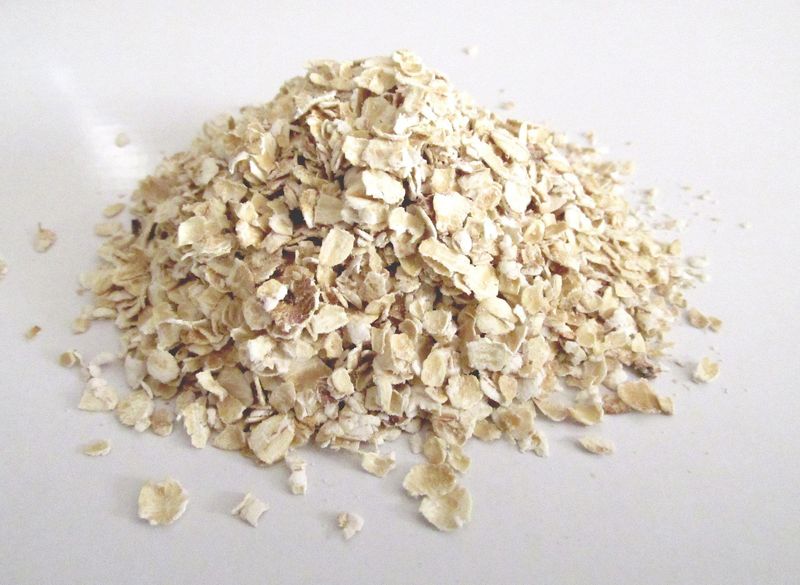
Start your day with a bowl of oats and you're fuelling up with fibre that keeps your digestive system happy and your cholesterol in check. Nutrition pros appreciate how oats release energy slowly, preventing that mid-morning energy crash.
Mix them with yoghourt, berries, or nuts for endless flavour combinations. They're also brilliant in homemade granola or energy balls.
4. Greek Yoghourt
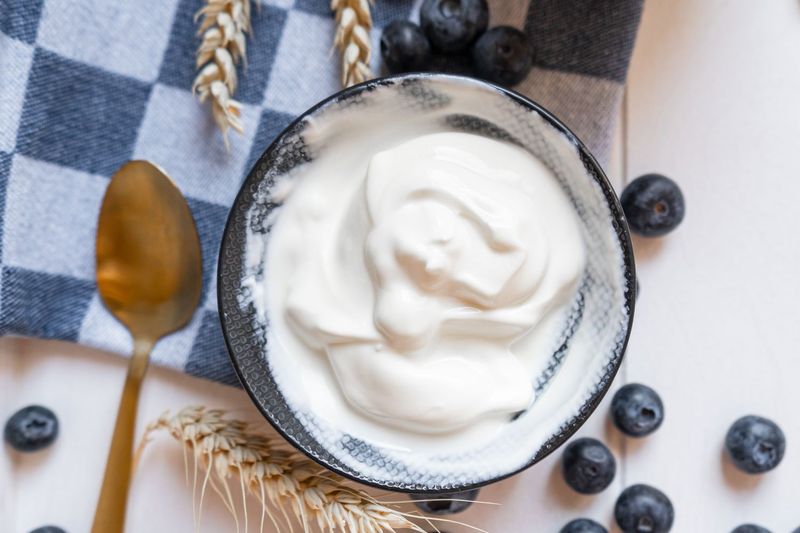
This thick, creamy yoghourt delivers nearly twice the protein of regular varieties, making it a favourite among dietitians. It's packed with probiotics that support gut health and keep your immune system strong.
Use it as a base for smoothies, a topping for curries, or simply enjoy it with fruit. The tangy flavour adds depth to both sweet and savoury dishes.
5. Tinned Tomatoes
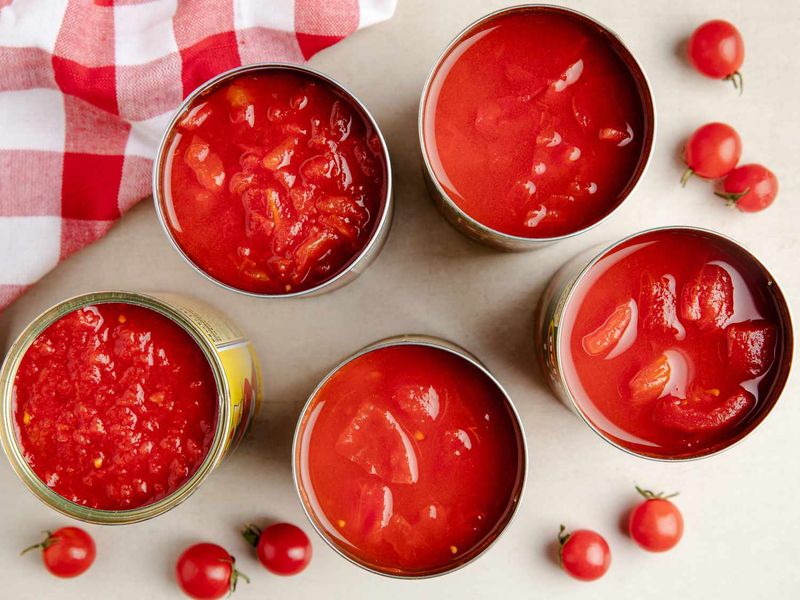
Nutrition experts always keep a few tins in the cupboard because they’re rich in lycopene, an antioxidant that becomes more available once tomatoes are cooked. They form an easy base for pasta sauces, soups, stews, and quick weeknight meals.
Long shelf life makes them reliable when fresh produce runs low. The flavour stays consistent and dependable throughout the year.
Having a couple of tins on hand makes meal planning far more flexible.
6. Garlic
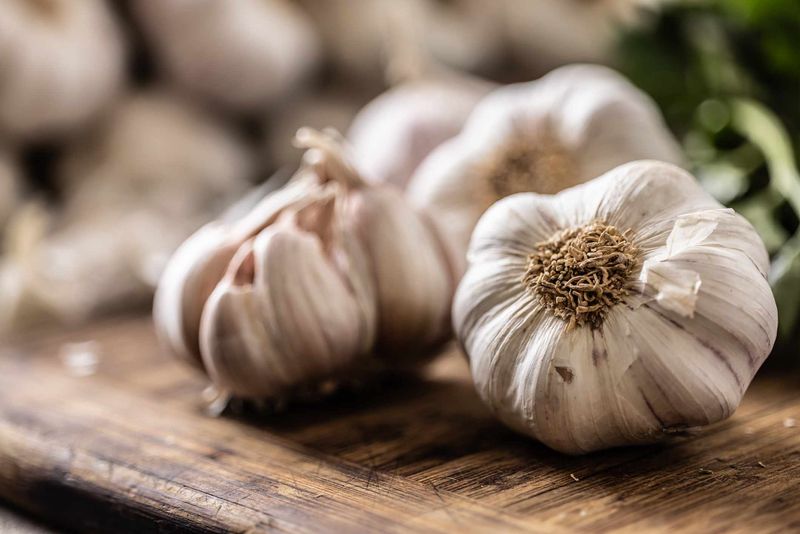
Those little cloves pack compounds that may help lower blood pressure and boost immune function, which is why dietitians always have bulbs on hand. The aroma and flavour transform bland dishes into memorable meals.
Chop it, crush it, or roast whole bulbs until they turn sweet and spreadable. Just one or two cloves can completely change a recipe's character.
7. Onions

Nearly every savoury recipe starts with onions, and nutrition experts appreciate their prebiotic fibres that feed beneficial gut bacteria. They contain antioxidants and anti-inflammatory compounds that support overall health.
Whether you sauté, caramelise, or eat them raw in salads, onions add layers of flavour. Keep yellow, red, and spring onions around for different cooking needs and taste profiles.
8. Frozen Vegetables
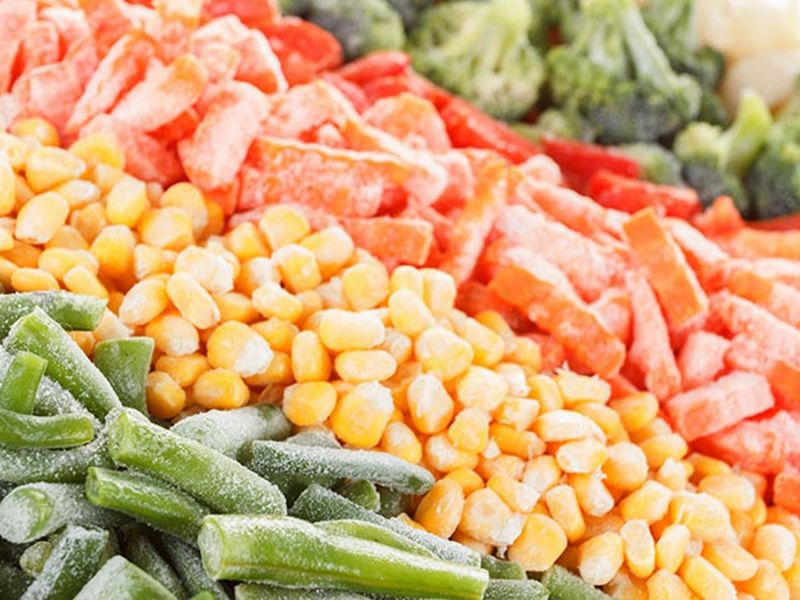
Dietitians know that frozen veg are picked and frozen at peak ripeness, locking in vitamins and minerals just as effectively as fresh. They're ready in minutes, require zero prep work, and never wilt in the crisper drawer.
Stock your freezer with broccoli, peas, peppers, and mixed blends. Toss them into stir-fries, curries, or pasta dishes whenever you need extra nutrition fast.
9. Frozen Berries
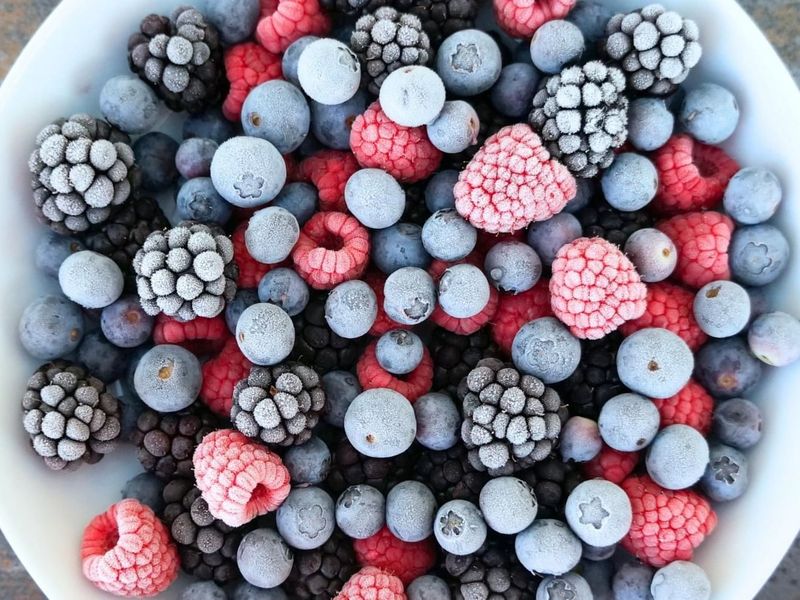
Nutrition pros keep bags of frozen berries because they're bursting with antioxidants and cost a fraction of fresh berries year-round. Blend them into smoothies, stir them into porridge, or heat them gently for a quick compote.
They're frozen right after picking, so nutrients stay intact. No washing, no sorting, no waste - just pure convenience and flavour whenever you fancy them.
10. Lentils

These tiny legumes deliver protein, iron, and fibre in abundance, making them a plant-based powerhouse that experts rely on regularly. Red lentils cook in just 15 minutes, whilst green and brown varieties hold their shape beautifully in salads.
They're incredibly affordable and fill you up properly. Add them to soups, make veggie burgers, or simmer them into hearty curries.
11. Brown Rice
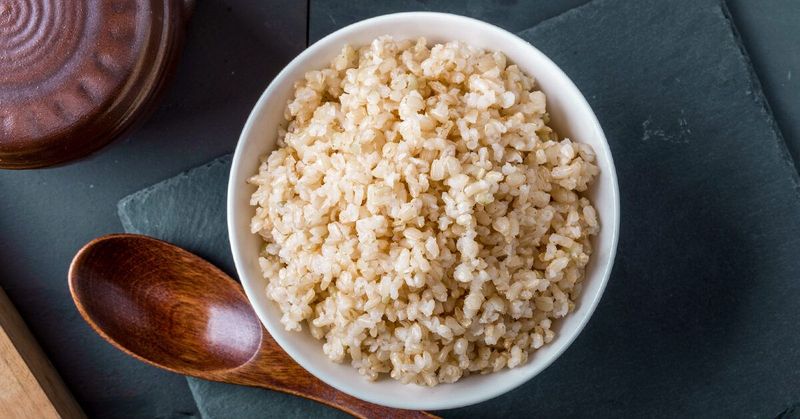
Unlike white rice, brown rice keeps its fibre-rich outer layer intact, which nutrition experts appreciate for steady energy release and digestive health. It's got a lovely nutty flavour and satisfying chew.
Cook a big batch at the weekend and use it throughout the week in stir-fries, grain bowls, or alongside curries. It's filling, wholesome, and pairs beautifully with almost anything.
12. Chickpeas
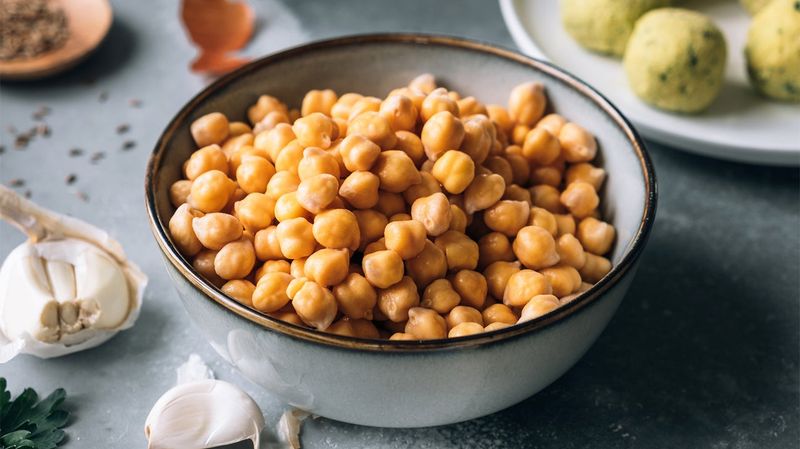
Dietitians adore chickpeas for their satisfying combination of protein and fibre that keeps hunger at bay for hours. Roast them for crunchy snacks, blend them into hummus, or toss them into curries and salads.
Tinned chickpeas are ready instantly, whilst dried ones cost even less and just need soaking. Either way, they're nutritional champions that work in countless dishes.
13. Quinoa
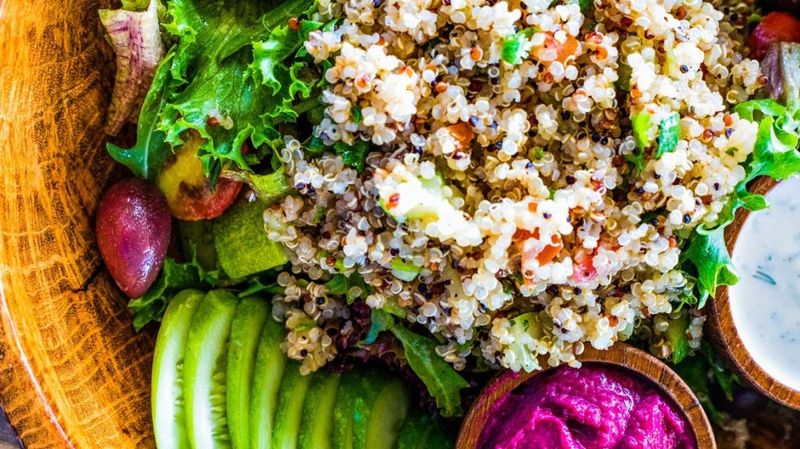
This ancient grain is actually a complete protein, containing all nine essential amino acids - something rare in plant foods. Nutrition professionals love its versatility and quick 15-minute cooking time.
Fluffy and slightly nutty, quinoa works in salads, as a porridge alternative, or as a side dish. Rinse it well before cooking to remove any bitter coating for the best flavour.
14. Wholegrain Bread
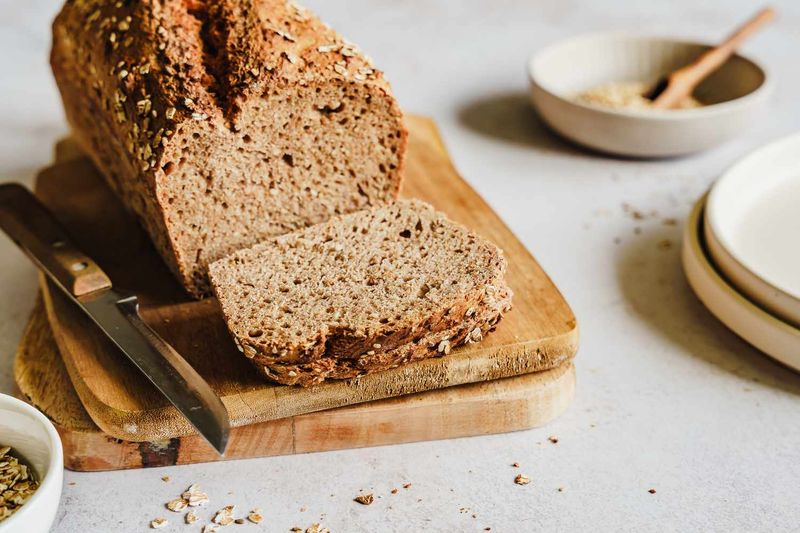
Experts choose wholegrain over white because it retains the bran and germ, delivering more fibre, B vitamins, and minerals. It keeps you fuller longer and supports stable blood sugar levels.
Toast it for breakfast, use it for sandwiches, or turn it into breadcrumbs. Check labels for 'wholegrain' or 'wholemeal' as the first ingredient to ensure you're getting the real deal.
15. Nuts
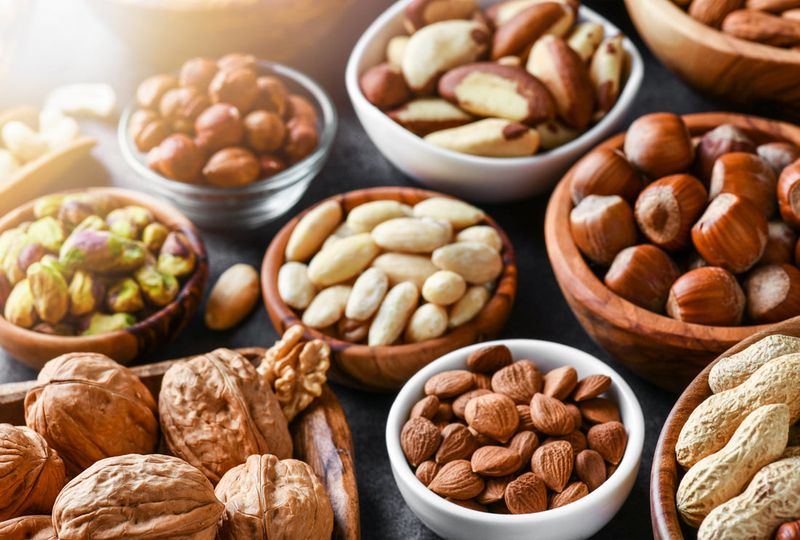
Keeping a mix of almonds, walnuts, and cashews allows nutrition experts to enjoy a wide range of nutrients and textures. Walnuts contribute plant-based omega-three, while other nuts supply vitamin E, magnesium, and healthy fats.
They work well for snacking, adding crunch to salads, or blending into sauces. A small handful feels satisfying and helps keep energy levels steady between meals.
Stored in airtight containers, they stay fresh and ready whenever inspiration strikes.
16. Seeds
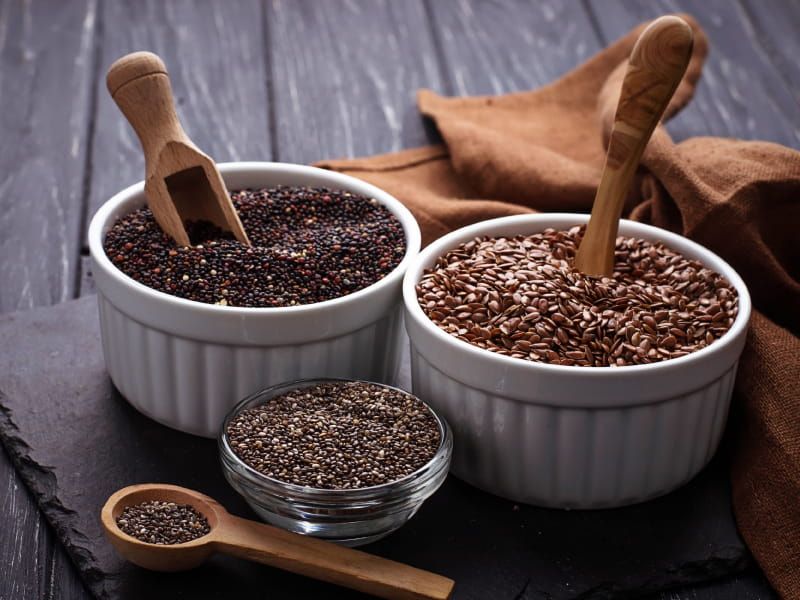
Chia, flax, pumpkin, and sunflower seeds are tiny nutritional powerhouses packed with healthy fats, protein, and minerals. Nutrition experts sprinkle them on porridge, blend them into smoothies, or add them to baked goods.
They're incredibly affordable and store for ages in the cupboard. Ground flaxseeds work brilliantly as an egg substitute in vegan baking too.
17. Leafy Greens
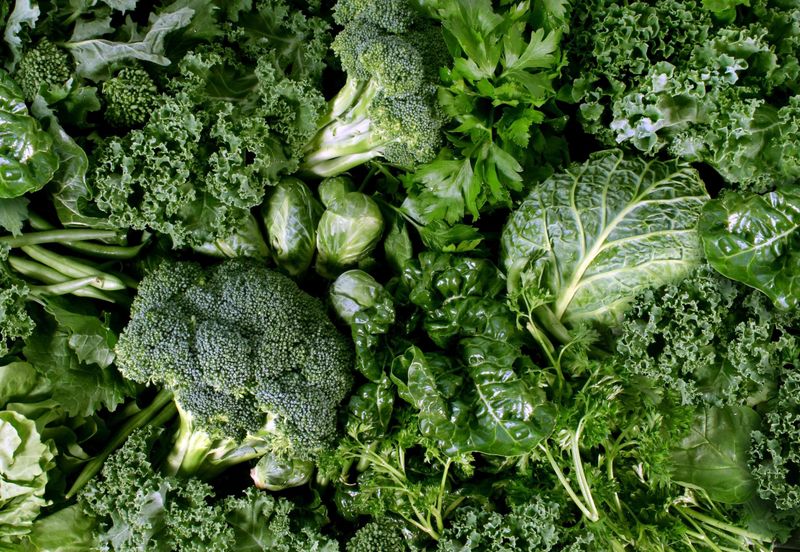
Spinach, kale, rocket, and other leafy greens are loaded with vitamins A, C, and K, plus iron and calcium. Dietitians eat them almost daily because they're low in calories but incredibly nutrient-dense.
Toss them into salads, wilt them into pasta, or blend them into smoothies where you won't even taste them. Fresh or frozen both work brilliantly depending on your recipe.
18. Natural Nut Butter
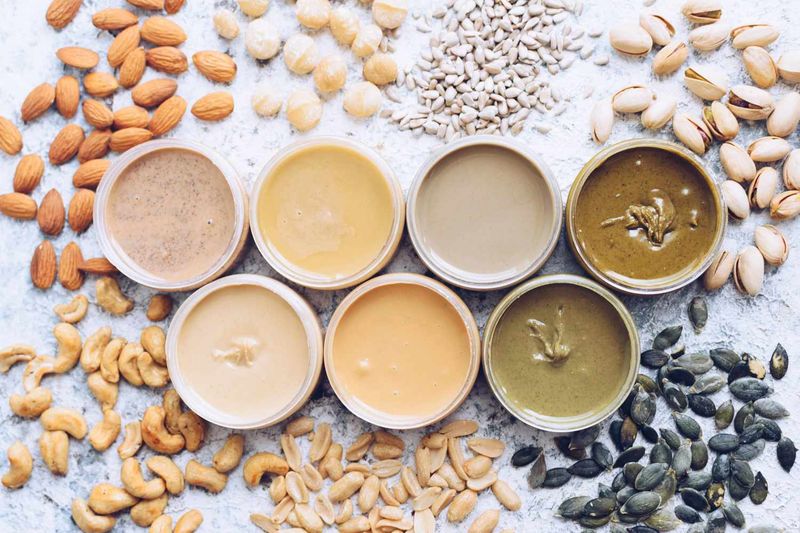
Nutrition experts choose nut butters with just one ingredient—nuts—avoiding added sugars and oils. They're rich in protein, healthy fats, and minerals that fuel your body properly.
Spread them on toast, stir them into porridge, or add a spoonful to smoothies for extra creaminess. Almond, peanut, and cashew butters each bring their own delicious flavour to recipes.
19. Herbs And Spices
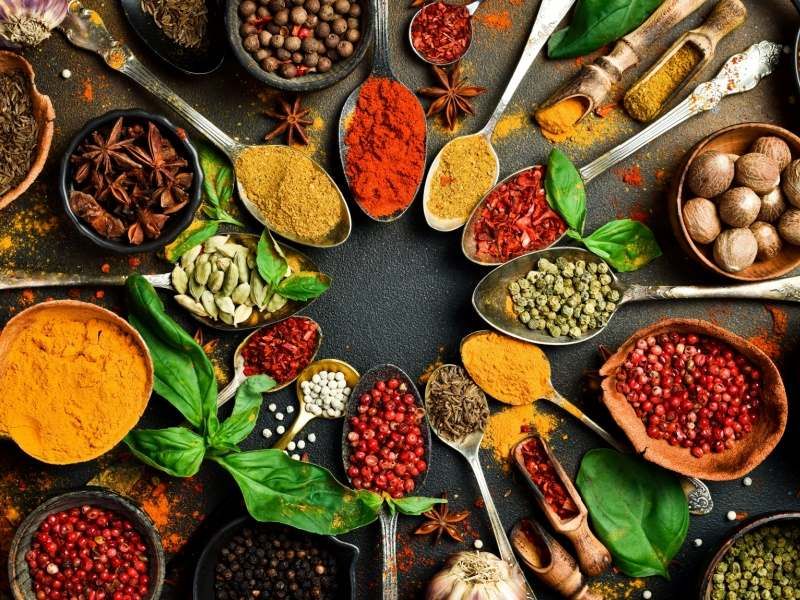
Turmeric, cinnamon, ginger, basil, oregano - dietitians stock these flavour boosters because they add taste without salt whilst delivering anti-inflammatory and antioxidant benefits. Fresh or dried, they transform simple ingredients into exciting meals.
Experiment with different combinations to find your favourites. A well-stocked spice rack means you'll never find healthy cooking boring or bland.
20. Vinegar

Apple cider and balsamic vinegars are staples for nutrition experts who use them to brighten salads, marinades, and sauces. Some research suggests vinegar may support steady blood sugar levels when used as part of balanced meals.
A splash of acidity balances rich flavours and lifts simple dishes instantly. It’s also handy for quick pickling and homemade dressings that skip unnecessary additives.
Keeping a bottle within reach makes everyday cooking feel more lively and flexible.