Balancing coffee strength, milk, and sweetness plays an important role in shaping flavour, texture, and overall drinking experience. Small adjustments in brewing ratio, milk volume, and sweetener type can noticeably change how a cup tastes and feels.
Understanding how these elements interact helps improve consistency and supports more predictable results when preparing drinks at home. Taking a structured approach makes it easier to refine personal preferences without unnecessary trial and error.
All information is provided for general information only. Taste preferences, preparation methods, and equipment may vary.
Photos are for illustrative purposes only.
Understanding Coffee Strength Basics

Coffee strength isn't about how much caffeine you're getting – it's really about the flavour intensity in your cup. The magic happens with the coffee-to-water ratio, which typically sits around 1:16 for a standard brew.
Want something bolder? Try 1:15.
Prefer a lighter touch? Go for 1:18.
Playing around within this range lets you discover what works best for your palate without guessing. Once you nail down your ideal ratio, everything else – milk and sweetness – falls into place much more easily.
Choosing The Right Milk Type

Whole milk brings richness and natural sweetness that can soften even the strongest espresso. Skim milk, on the other hand, keeps things lighter but sacrifices some of that creamy texture.
If you're exploring plant-based options, oat milk has become a favourite for its velvety consistency and subtle sweetness.
Almond milk adds a nutty note, whilst soy milk offers a more neutral base. Each type changes the overall flavour profile, so think about what you're after – comfort or something a bit more adventurous.
How Sweetness Affects Flavour Balance
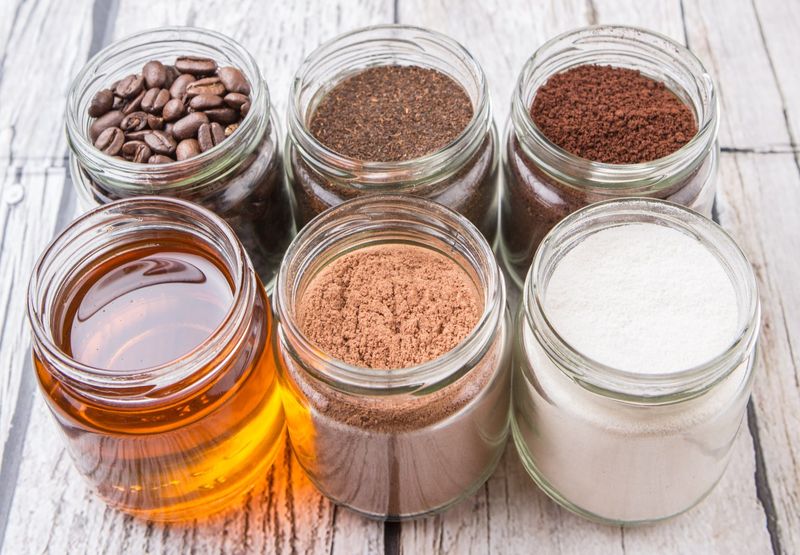
Sweetness doesn't just make coffee taste sugary – it can actually enhance or mask certain flavours depending on how much you add. Natural sweeteners like honey and maple syrup bring their own unique character, adding depth beyond plain sugar.
Artificial options like stevia can do the job calorie-free, though some people find the aftertaste off-putting.
The key is to start small and taste as you go. Too much sweetness can drown out the coffee's natural notes, whilst too little might leave it feeling harsh or unbalanced.
Adjusting Ratios For Different Drinks

A latte needs more milk and less coffee intensity compared to a flat white, which packs a punchier espresso flavour with less foam. Cappuccinos sit somewhere in between, with equal parts espresso, steamed milk, and froth creating a balanced experience.
Americanos, meanwhile, are all about dilution – adding hot water to espresso for a milder, longer drink.
Understanding these classic ratios gives you a solid foundation to tweak and personalise. Once you know the rules, breaking them becomes much more fun and intentional.
Impact Of Brew Method On Taste

Espresso delivers concentrated boldness, perfect for milk-based drinks that need a strong coffee backbone. Pour-over brewing offers clarity and nuance, letting you taste individual flavour notes without much interference.
French press, with its full immersion method, creates a heavier body that pairs beautifully with milk.
Each technique extracts coffee differently, which means the same beans can taste wildly different depending on how you brew them. Matching your method to your desired balance is half the battle won before you even add milk or sugar.
Temperature And Texture Considerations
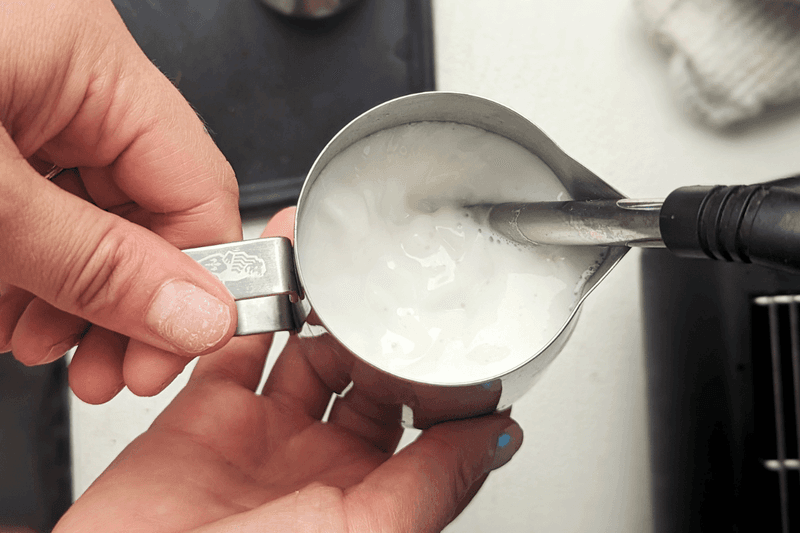
Water that's too hot can scorch your coffee, bringing out harsh, bitter flavours. Aim for somewhere between 90°C and 96°C for optimal extraction.
Milk temperature matters too – overheating it can kill the sweetness and create a burnt taste.
Texture plays a huge role as well. Silky microfoam feels luxurious and blends seamlessly with espresso, whilst frothy bubbles can feel lighter but less integrated.
Getting both temperature and texture right transforms a decent cup into something genuinely satisfying.
Common Balancing Mistakes To Avoid
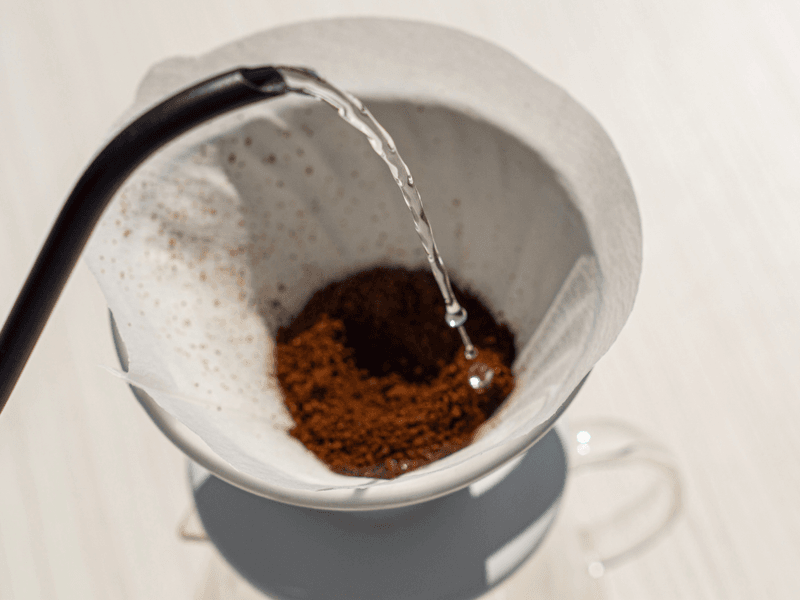
One classic error? Adding milk to weak coffee and wondering why it tastes watery.
Start with a strong enough base, or the milk will completely wash it out. Another pitfall is over-sweetening to mask bitterness instead of fixing the brew itself – you'll end up with sugary coffee that still doesn't taste great.
Using stale beans or the wrong grind size throws everything off too. Small missteps compound quickly, but once you know what to watch for, avoiding them becomes second nature and your daily cup improves dramatically.
Tasting And Fine Tuning At Home

The best way to find your perfect balance is to taste intentionally, not just gulp it down. Take a sip before adding anything, then adjust one element at a time – strength first, then milk, then sweetness.
Keep notes if you're serious about it.
Write down what you changed and how it affected the flavour. Over time, you'll develop an intuitive sense for what works and what doesn't.
This process turns coffee making from a daily chore into something genuinely enjoyable and rewarding.
Consistency Across Daily Brewing
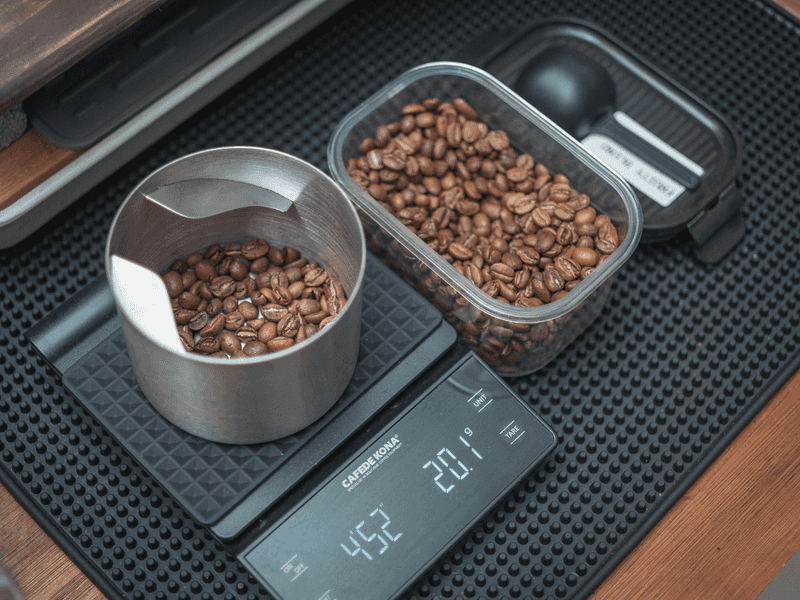
Once you've nailed your ideal cup, the challenge becomes making it the same way every morning. Measure your coffee and water with a scale rather than eyeballing it – precision matters more than you'd think.
Use fresh beans and grind them just before brewing for maximum flavour.
Keep your equipment clean, as old coffee oils can turn rancid and ruin even the best beans. Consistency isn't boring – it's the foundation that lets you enjoy a reliably brilliant cup day after day without the guesswork or disappointment.