













Green tea feels simple until one disappointing cup turns grassy, bitter, or oddly flat. Small brewing habits quietly shape the flavour, aroma, and overall experience far more than most people realise.
Once you start spotting the little slip-ups, making a consistently enjoyable cup becomes surprisingly satisfying.
All information is provided for general interest only and does not replace professional dietary or medical advice. Individual tolerance, sensitivities, and nutritional needs may vary.
1. Using Boiling Water Instead Of Cooler Water
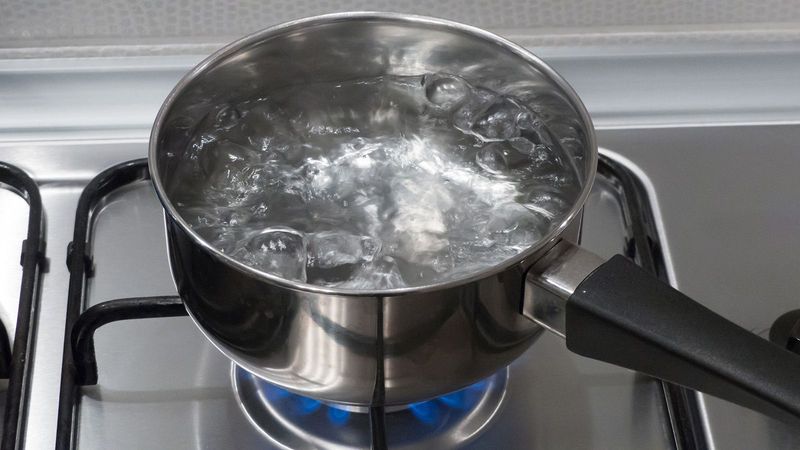
Pouring freshly boiled water straight onto green tea leaves often pulls out too many bitter flavours, which can make the cup taste harsh instead of smooth. Green tea tends to shine when brewed with slightly cooler water, allowing the gentler notes to come through more clearly.
Letting the kettle rest for a short while after boiling helps bring the temperature down naturally. This small pause can make a noticeable difference in aroma and balance.
Once you get used to the softer taste, it’s hard to go back to scalding hot pours.
2. Steeping The Tea For Too Long
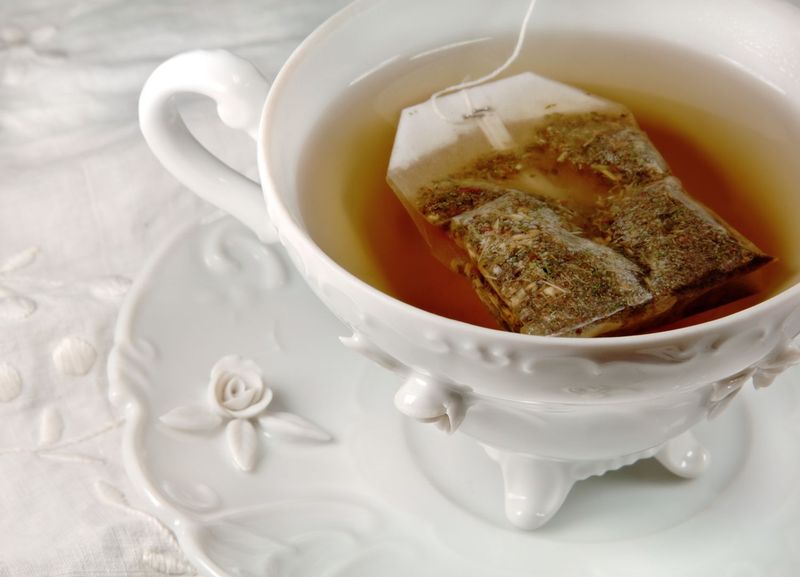
Leaving your tea bag or leaves in the water for ages might seem harmless, but it actually makes your drink taste harsh and astringent. Oversteeping releases too many tannins, which create that unpleasant dry feeling in your mouth.
Most green teas only need 2-3 minutes to reach perfection. Set a timer on your phone to remind yourself when it's ready to enjoy.
3. Adding Milk, Which Reduces Some Beneficial Compounds
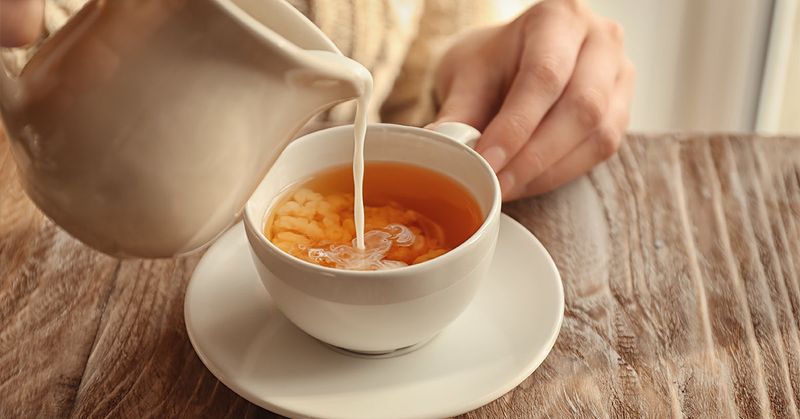
Many people enjoy milk in their tea, but proteins in dairy can bind with green tea's catechins and reduce their effectiveness. These powerful antioxidants are one of the main reasons green tea is so good for you.
If you prefer a creamier taste, try plant-based alternatives like almond or oat milk instead. Better yet, learn to appreciate green tea's natural flavour without any additions.
4. Drinking It On An Empty Stomach If You're Sensitive
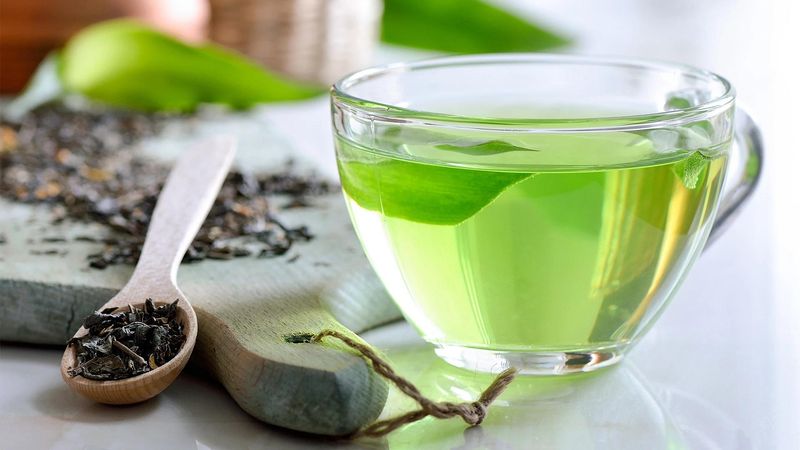
Starting your morning with green tea on an empty tummy can cause nausea or stomach discomfort for some people. The tannins and caffeine content may irritate your digestive system when there's no food to buffer them.
If you notice queasiness, try drinking your tea after breakfast or with a light snack. Everyone's body reacts differently, so pay attention to how yours responds.
5. Storing Tea Leaves Improperly And Letting Them Go Stale
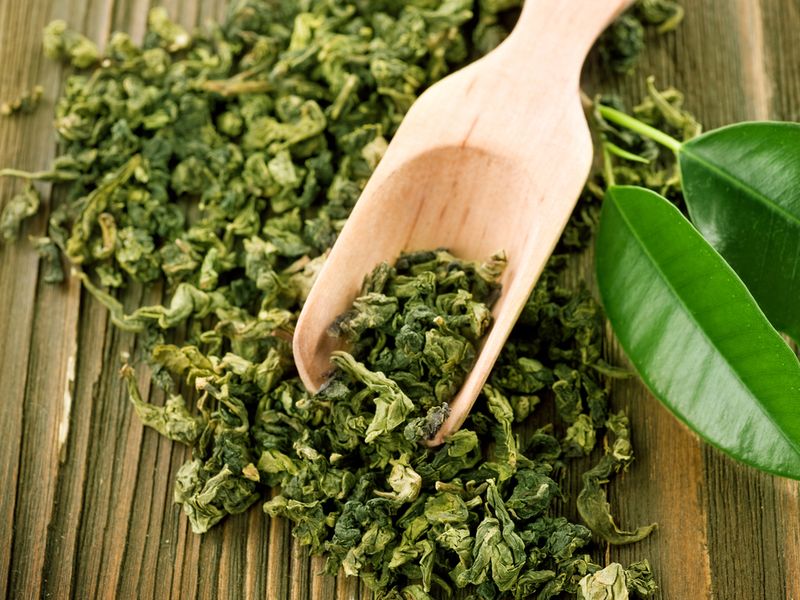
Tossing your tea into any old container and forgetting about it leads to stale, flavourless leaves that won't deliver the health benefits you're after. Exposure to air, light, and moisture quickly degrades tea quality.
Keep your green tea in an airtight container away from direct sunlight and strong odours. A cool, dark cupboard works perfectly for maintaining freshness and flavour for months.
6. Using Low-Quality Or Heavily Chlorinated Water

Water makes up 99% of your cup of tea, so its quality matters enormously. Tap water with high chlorine levels or unpleasant flavours will ruin even the finest green tea leaves.
Filtered or spring water brings out the tea's true character and subtle notes. If your tap water tastes off when you drink it plain, it'll definitely affect your tea's flavour and enjoyment.
7. Adding Too Much Sugar Or Sweeteners

Dumping spoonfuls of sugar into your green tea defeats the purpose of drinking such a healthy beverage. Excessive sweeteners add empty calories and can overshadow the tea's natural, delicate taste.
If you must sweeten it, try a small amount of honey or stevia instead. Gradually reduce the sweetness over time, and you'll soon appreciate green tea's authentic, refreshing flavour without any additions.
8. Drinking It Alongside Iron-Rich Meals
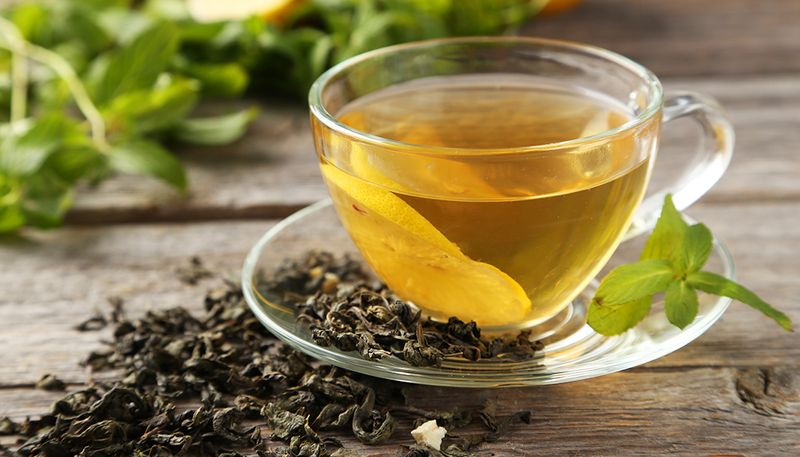
Green tea contains compounds that can interfere with your body's ability to absorb iron from plant-based foods like spinach and lentils. This becomes especially important for people who struggle with low iron levels or follow vegetarian diets.
Wait at least an hour after eating iron-rich meals before enjoying your tea. This simple timing adjustment helps ensure your body absorbs all the nutrients it needs.
9. Reheating Or Microwaving Brewed Tea
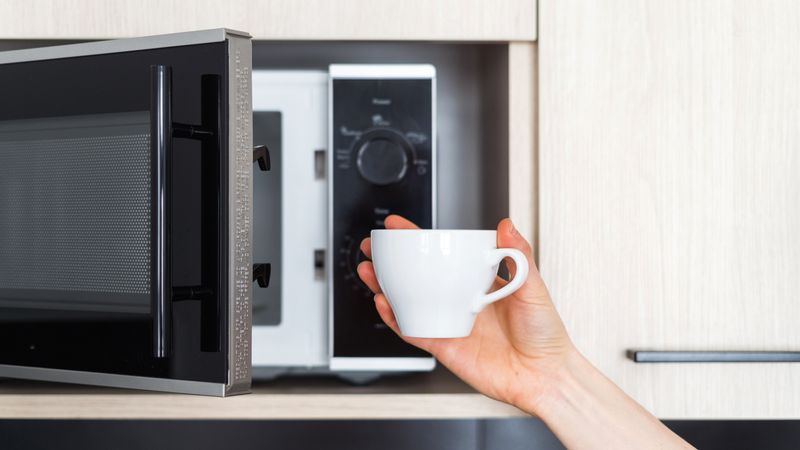
Reheating leftover tea might save time, but it usually dulls the fresh taste that makes a good cup so enjoyable in the first place. Heat can flatten delicate aromas and leave the tea tasting tired or slightly stale.
Freshly brewed tea tends to deliver brighter flavour and a cleaner finish. Making a new cup only takes a few minutes and often feels more rewarding than reheating yesterday’s leftovers.
Your taste buds will usually thank you for the small extra effort.



