











There’s something quietly refreshing about the way Nordic cooking treats simple ingredients with real respect, letting natural flavours shine instead of hiding them behind heavy sauces. From crisp vegetables and hearty grains to bright berries and clean-tasting fish, the plates always seem to feel light yet satisfying at the same time.
It’s the kind of food style that feels easy to enjoy day after day while still offering plenty of variety and comfort. Once you start noticing the small details behind these choices, the whole approach becomes even more appealing.
All information is provided for general interest only and should not be taken as dietary or medical advice. Individual nutritional needs and preferences may vary. Food availability and preparation methods can differ by region.
1. Emphasis On Seasonal Produce
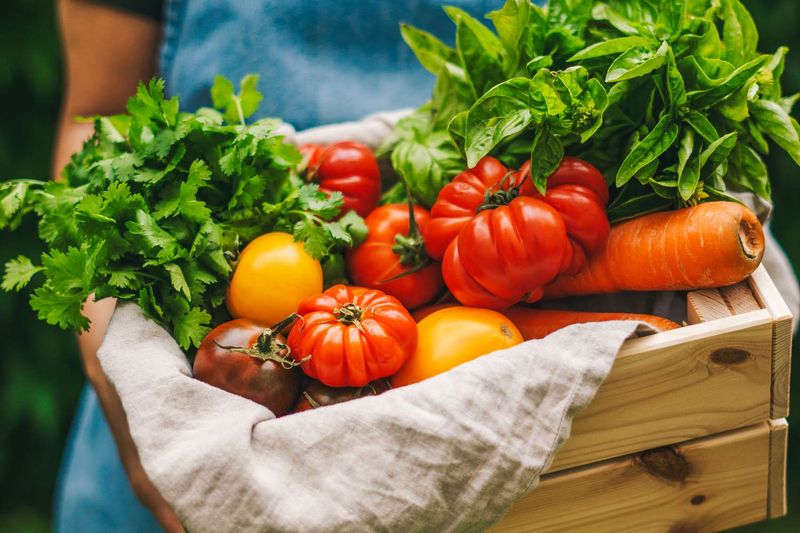
Eating what's in season means you're getting the freshest, most flavourful fruits and vegetables available. Nordic cultures have always followed nature's calendar, enjoying crisp apples in autumn and tender asparagus in spring.
This approach reduces the need for long-distance shipping and ensures nutrients are at their peak. Your plate becomes a colourful reflection of the changing seasons throughout the year.
2. High Intake Of Fatty Fish

Cold northern waters are home to salmon, mackerel, and herring, which naturally feature in many Nordic dishes. These fish bring rich flavour, satisfying texture, and plenty of versatility to everyday cooking.
Whether grilled, smoked, baked, or cured, they slot easily into both simple home meals and traditional recipes. Fish has long been valued across the region for its freshness and availability rather than complicated preparation.
It’s one of those ingredients that quietly anchors many Nordic plates without stealing the spotlight.
3. Frequent Use Of Root Vegetables
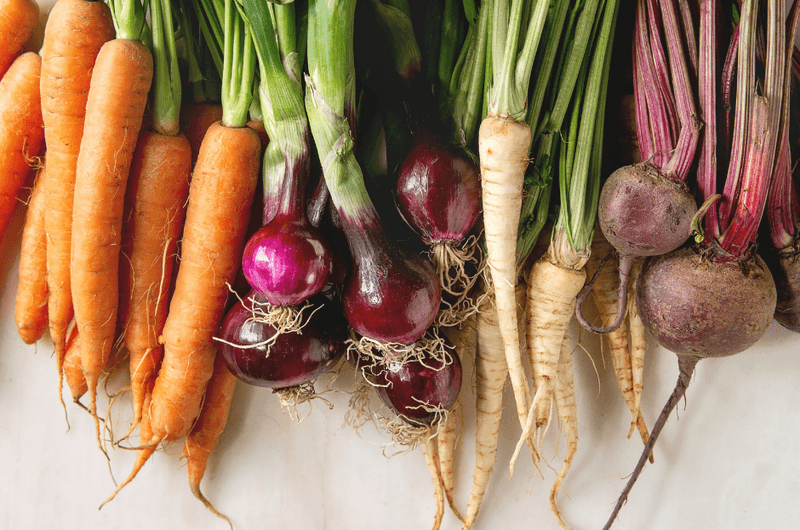
Carrots, beetroot, turnips, and parsnips thrive in Nordic climates, offering earthy sweetness and hearty nutrition. These underground gems can be roasted, mashed, or added to soups for comforting warmth.
Root vegetables store well through long winters, making them practical and sustainable choices. Their natural sugars caramelise beautifully when cooked, creating satisfying dishes bursting with colour.
4. Whole Grains As Daily Staples
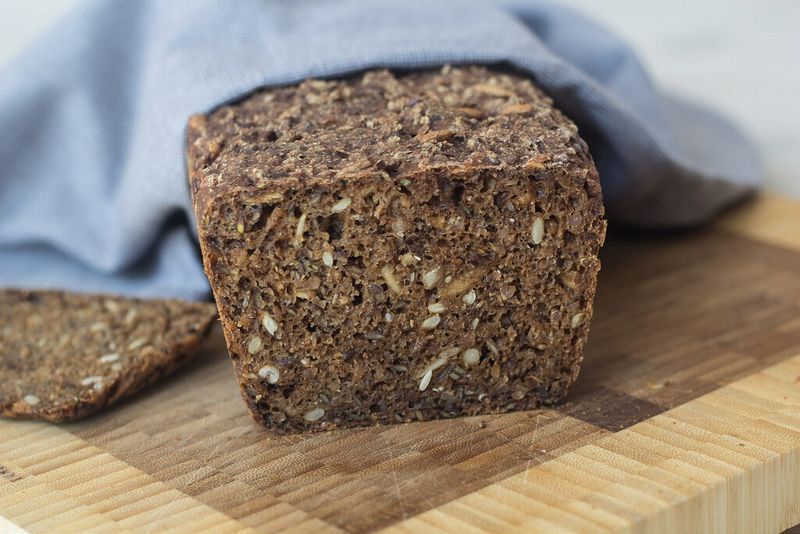
Rye, barley, and oats form the foundation of Nordic meals, providing sustained energy and essential fibre. Dark, dense rye bread is a beloved staple, served at nearly every meal with various toppings.
These grains grow well in cooler climates and have been cultivated for centuries. Porridge made from oats or barley offers a warming, nutritious start to chilly mornings.
5. Focus On Foraged Foods

Wild mushrooms, berries, and herbs gathered from forests add unique flavours you simply can't buy in shops. Foraging connects people to nature and provides free, nutrient-dense ingredients for cooking.
Chanterelles, lingonberries, and wild garlic are treasured finds during forest walks. This ancient practice encourages outdoor activity whilst adding variety and excitement to the Nordic table.
6. Minimal Food Processing
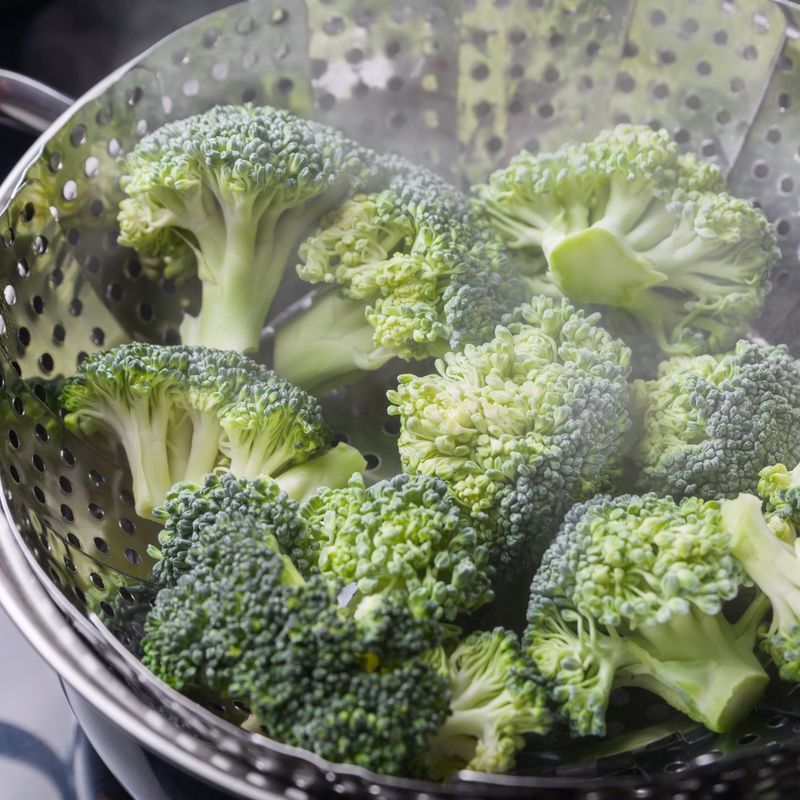
Nordic cuisine celebrates ingredients in their natural state, avoiding heavy sauces and complicated preparations. Simple cooking methods like steaming, roasting, and grilling preserve nutrients and authentic flavours.
Fresh fish needs little more than salt and dill to shine on the plate. This straightforward approach means fewer additives, less sugar, and more wholesome goodness in every bite.
7. Use Of Rapeseed Oil Instead Of Butter
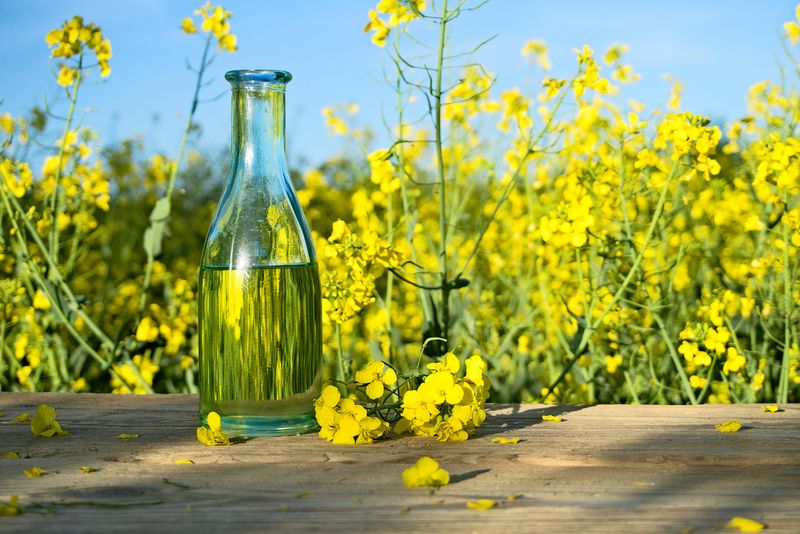
Rapeseed oil is widely produced in Nordic countries and often appears alongside traditional cooking fats. Its mild flavour makes it easy to use in everything from salad dressings to gentle frying without overpowering other ingredients.
Many cooks enjoy how light it feels compared with heavier fats, especially in vegetable-focused dishes. Butter still plays an important role in baking and classic recipes, so both fats comfortably share the kitchen.
This balance keeps cooking flexible while making good use of local crops.
8. Strong Tradition Of Fermentation

Fermenting food originally developed as a way to preserve ingredients through long winters. Over time, the tangy flavours became a defining part of Nordic cooking rather than just a practical solution.
Pickled fish, cultured dairy, and fermented vegetables regularly appear on traditional tables. These foods add depth, contrast, and a pleasant sharpness that lifts heavier dishes.
It’s a technique that blends heritage, flavour, and clever food preservation into everyday meals.
9. Moderate Portion Sizes

Nordic meals focus on quality rather than quantity, with sensibly sized servings that satisfy without overwhelming. This mindful approach to eating helps maintain healthy weight and prevents the sluggish feeling from overeating.
Plates are filled with variety - a bit of fish, some vegetables, and whole grains - rather than mountains of a single item. Eating slowly and appreciating each bite is part of the cultural tradition.
10. Natural Sweetness From Berries And Fruit
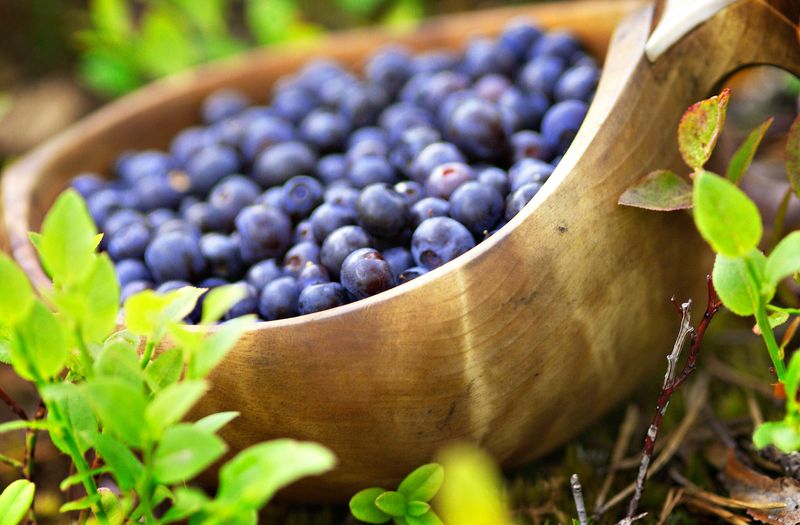
Nordic summers bring an abundance of berries that often find their way into desserts, breakfasts, and baked treats. Blueberries, strawberries, and cloudberries add colour, freshness, and gentle sweetness to many recipes.
They’re commonly paired with grains, yoghurt, or light pastries for simple yet satisfying combinations. Refined sugar is still used in plenty of traditional sweets, but fruit plays a visible supporting role.
The result is a dessert style that often feels bright, seasonal, and naturally appealing.
11. Balanced Use Of Dairy Products
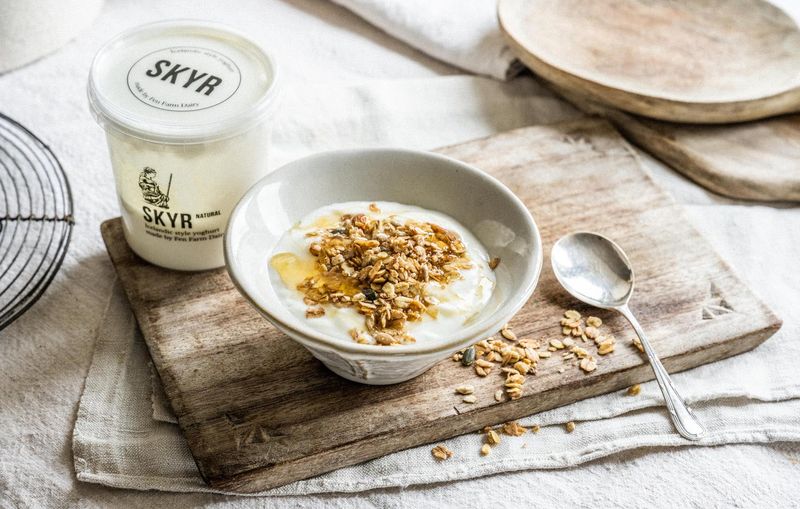
Yoghurt, skyr, and cheese feature in Nordic diets but in thoughtful amounts rather than excessive quantities. These fermented dairy products provide protein, calcium, and probiotics for strong bones and healthy digestion.
Skyr, an Icelandic yoghurt-like product, has become particularly popular for its thick texture and high protein content. Dairy complements rather than dominates meals, adding richness without heaviness.
12. Respect For Local And Sustainable Sourcing
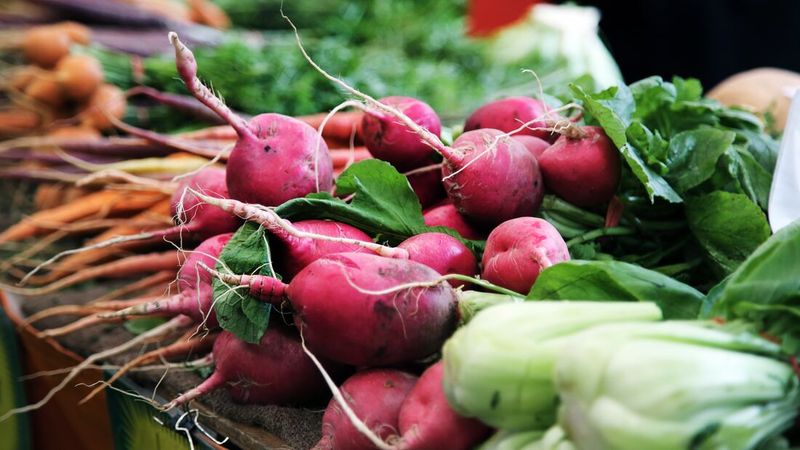
Nordic people prioritise ingredients from nearby farms and waters, reducing environmental impact whilst supporting local communities. This commitment to sustainability means fresher food with smaller carbon footprints on every plate.
Knowing where your food comes from creates a deeper connection to meals and the land. Seasonal, local eating isn't just trendy in Scandinavia—it's a way of life that honours both tradition and the planet.