













Scottish food has a wonderful way of blending comfort, heritage, and bold flavours into dishes that feel both familiar and full of character.
Many classic recipes have stood the test of time, shaped by local ingredients and generations of home cooking.
Modern kitchens and restaurants continue to celebrate these favourites while giving them gentle contemporary twists.
Curious which traditional plates are still winning hearts and appetites today?
All information is provided for general interest only. Taste, appearance, and availability may vary.
1. Neeps And Tatties
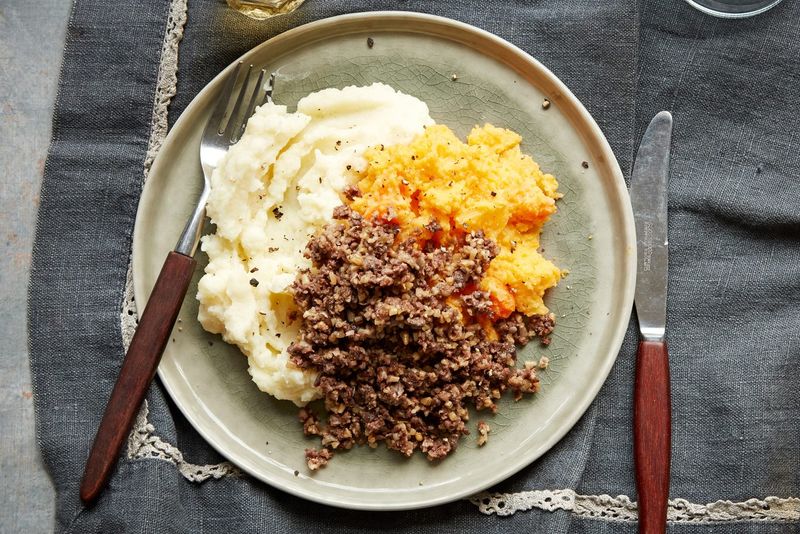
Neeps and tatties bring together creamy mashed swede and fluffy potatoes for a comforting Scottish classic.
The slightly sweet, earthy flavour of the swede balances beautifully with the soft richness of the potatoes.
A little butter, gentle seasoning, and careful mashing turn these simple vegetables into something quietly satisfying and full of character.
Served alongside hearty mains, this duo adds warmth and familiar comfort to the plate without any fuss or complexity.
2. Cullen Skink
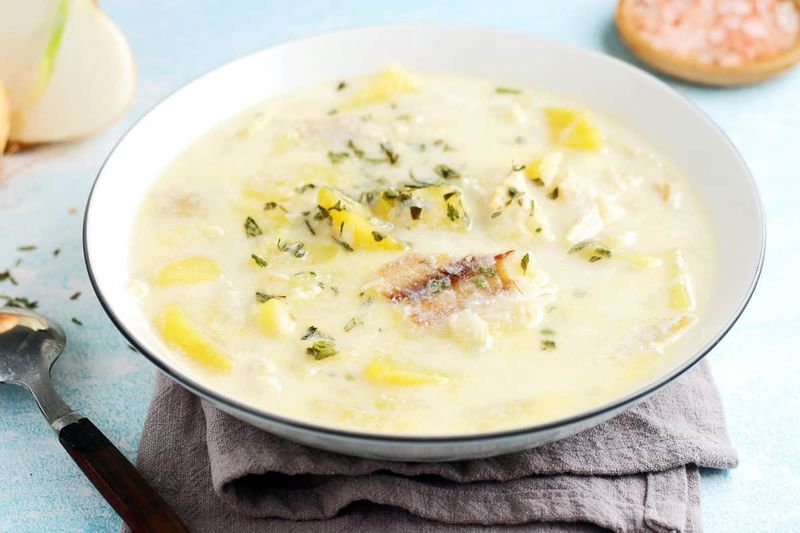
This creamy smoked haddock soup hails from the fishing village of Cullen in northeast Scotland.
Chunks of flaky fish swim in a velvety broth made with potatoes, onions, and milk, creating pure comfort in a bowl.
The smoky flavour of the haddock gives this chowder its distinctive character.
Fishermen's families created this nourishing meal to make the most of their daily catch, and it remains a beloved Scottish staple today.
3. Haggis
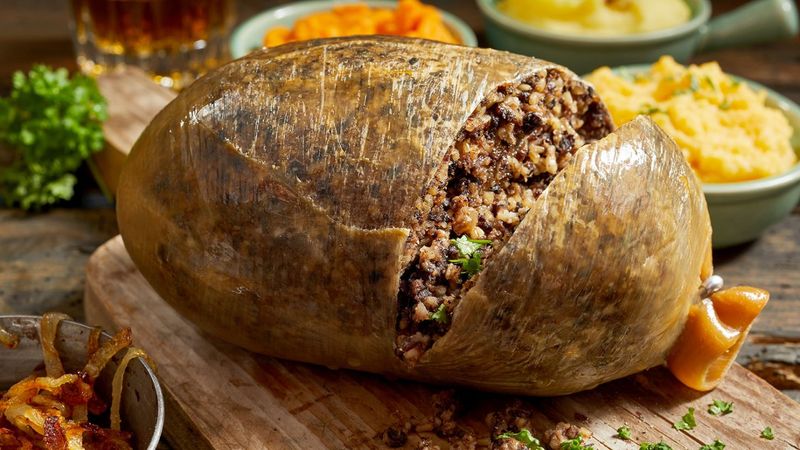
Often called Scotland's national dish, haggis combines lamb's heart, liver, and lungs with oatmeal, onions, and spices, all tucked inside a sheep's stomach casing.
The mixture creates a surprisingly rich, peppery flavour that's become legendary worldwide.
Burns Night celebrations wouldn't be complete without this iconic dish taking centre stage.
Traditionally served with neeps and tatties, haggis offers an authentic taste of Scottish culture that's both filling and memorable.
4. Scotch Broth
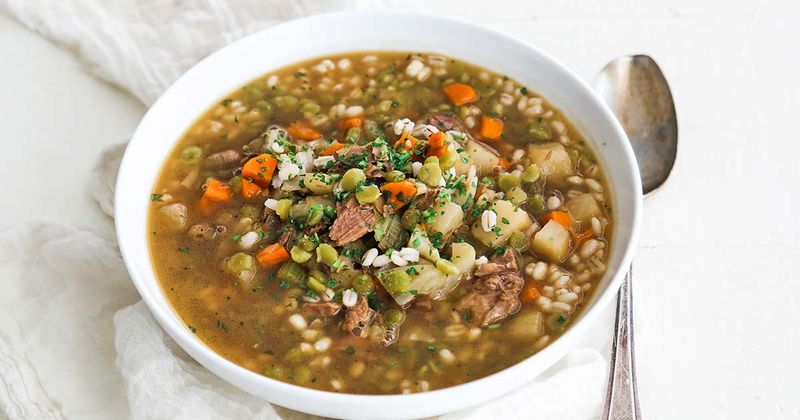
Hearty lamb, pearl barley, and root vegetables simmer together for hours to create this warming soup that's been sustaining Scots for centuries.
Carrots, turnips, and leeks add colour and nutrition to every spoonful.
Winter afternoons call for this thick, satisfying broth that's practically a meal on its own.
The barley thickens the liquid whilst adding a pleasant, chewy texture that makes Scotch broth wonderfully filling and perfect for cold days.
5. Arbroath Smokie
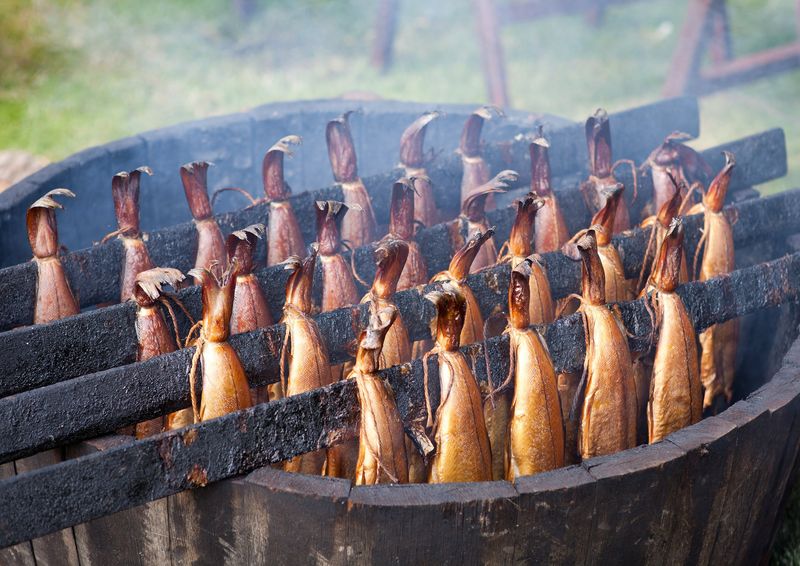
These hot-smoked haddock come from the small fishing town of Arbroath and carry a protected geographical status.
The fish are salted, tied in pairs, and smoked over hardwood fires until they develop a gorgeous copper colour.
Unlike cold-smoked fish, Arbroath smokies are fully cooked during the smoking process.
Their distinctive flavour comes from traditional methods passed down through generations, making them a true Scottish delicacy worth seeking out.
6. Stovies
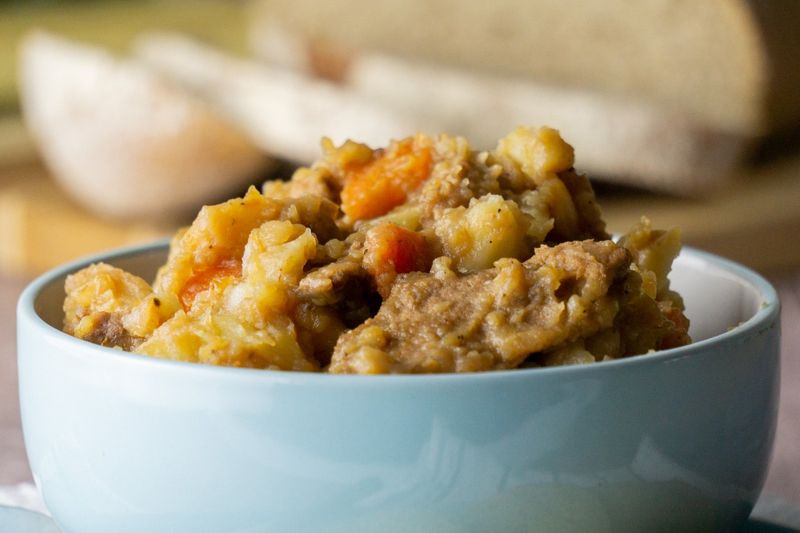
Born from thrifty Scottish kitchens, stovies turn leftover roast meat and potatoes into something absolutely delicious.
Everything gets slowly cooked together in one pot with onions and a bit of stock until the potatoes break down into a comforting mash.
Each family has their own special recipe, making stovies wonderfully varied across Scotland.
This humble dish proves that the best meals often come from making creative use of what's already in your kitchen.
7. Skirlie
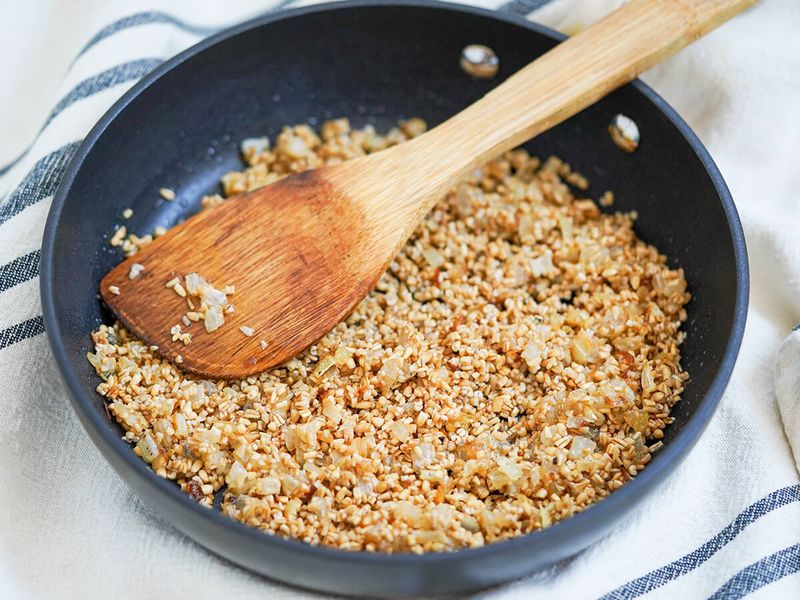
Toasted oatmeal fried with onions and butter creates this simple yet flavourful Scottish side dish.
The oats turn golden and crispy whilst absorbing all the savoury goodness from the other ingredients.
Originally a stuffing for chicken or other poultry, skirlie now appears alongside many Scottish meals.
Its nutty taste and crunchy texture add an interesting contrast to softer foods, proving that basic ingredients can create something truly special when treated right.
8. Forfar Bridie
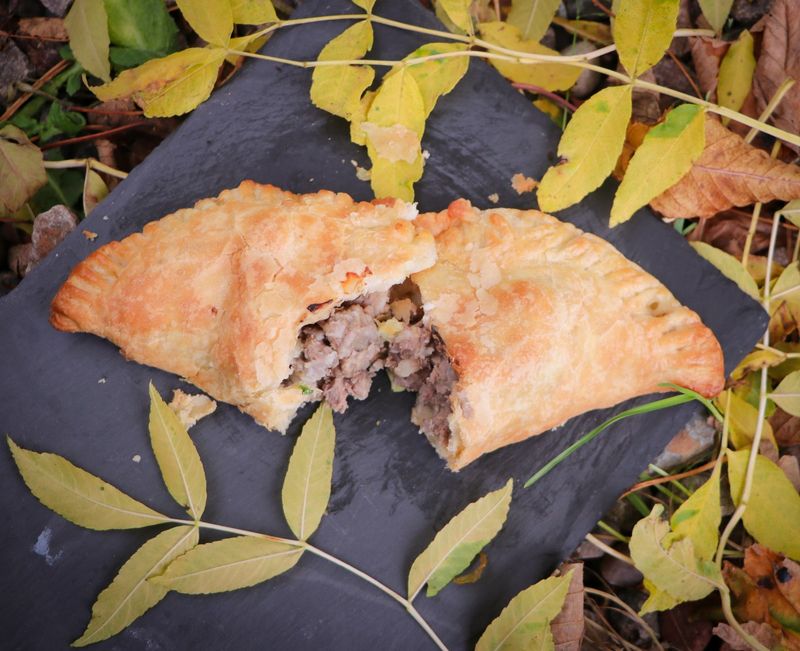
This horseshoe-shaped pastry from the town of Forfar contains seasoned minced beef and onions wrapped in flaky pastry.
Unlike its cousin the Cornish pasty, bridies traditionally skip the potato and focus on meaty flavour.
Crimped along the top rather than the side, these hand pies were perfect for farmers and workers needing portable meals.
Bakeries across Scotland still make fresh bridies daily, keeping this Angus tradition alive and delicious.
9. Aberdeen Butteries
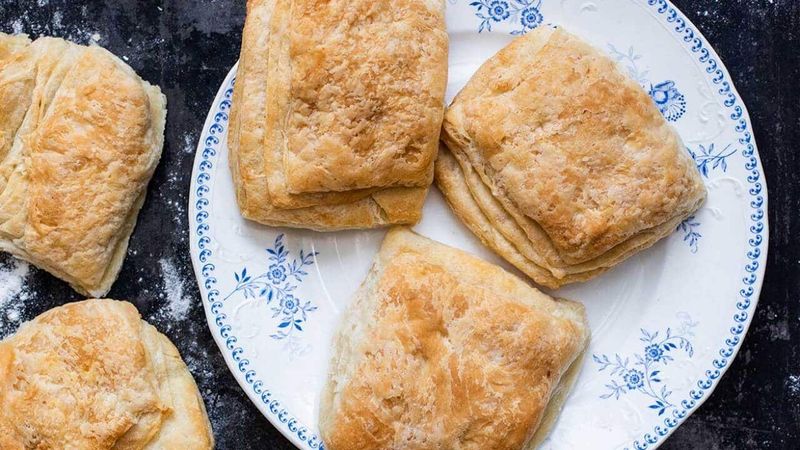
Also known as rowies, these flaky, salty rolls originated in Aberdeen to feed fishermen heading out for long days at sea.
Layers of butter and lard create an incredibly rich, crispy texture that's quite different from ordinary bread rolls.
Best enjoyed warm with butter or jam, butteries split opinion between those who adore their savoury saltiness and newcomers surprised by their unique character.
They remain an Aberdeen breakfast staple and regional treasure.
10. Black Pudding
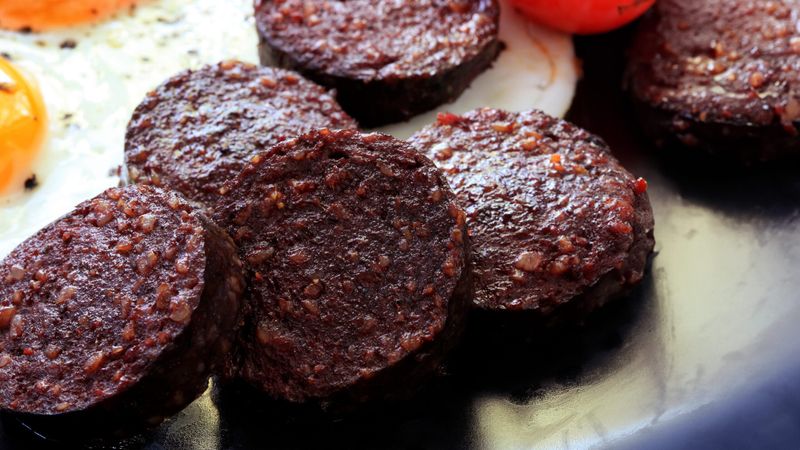
This dark sausage combines oatmeal, onions, and blood to create a surprisingly delicious breakfast staple found throughout Scotland.
When sliced and fried, the outside becomes crispy whilst the inside stays soft and richly flavoured.
Scottish black pudding often contains more oatmeal than versions from other countries, giving it a distinctive texture.
It's a traditional part of a full Scottish breakfast and pairs wonderfully with eggs and bacon for a hearty morning meal.
11. White Pudding
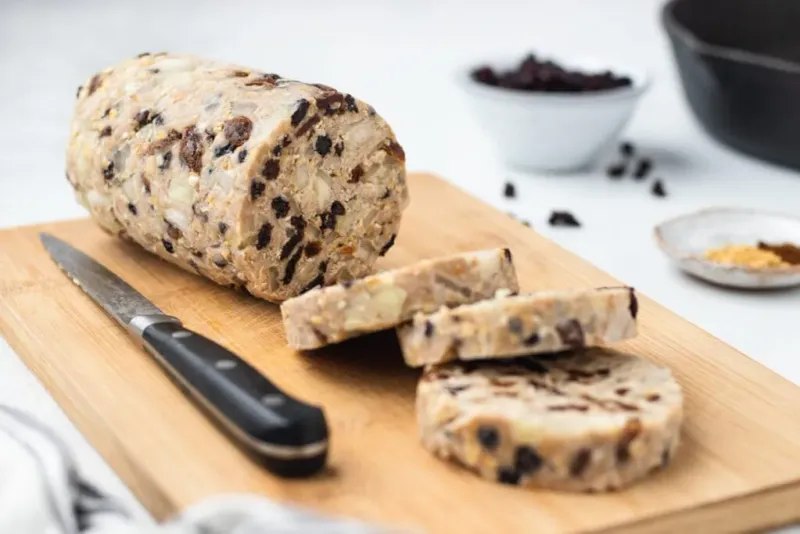
Similar to black pudding but without the blood, white pudding uses oatmeal, suet, onions, and spices to create a pale, peppery sausage.
The mixture gets stuffed into casings and then sliced for cooking.
Fried until golden, white pudding develops a lovely crust that contrasts with its crumbly interior.
Less well-known than its darker cousin, this breakfast favourite deserves recognition for its subtle, satisfying flavour that complements rather than overwhelms other breakfast foods.
12. Scottish Tablet
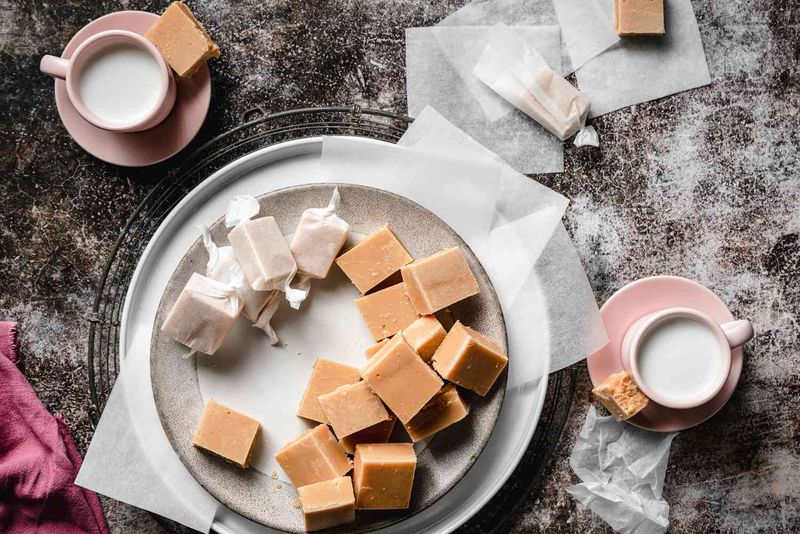
Don't confuse this with fudge - Scottish tablet is firmer, grainier, and sweeter than its softer cousin.
Sugar, butter, and condensed milk are boiled together then beaten as they cool, creating a crystalline texture that melts on your tongue.
This traditional sweet appears at celebrations, gift shops, and granny's kitchens across Scotland.
One piece is never enough, as the buttery sweetness and satisfying crunch make tablet dangerously moreish and utterly irresistible.
13. Shortbread
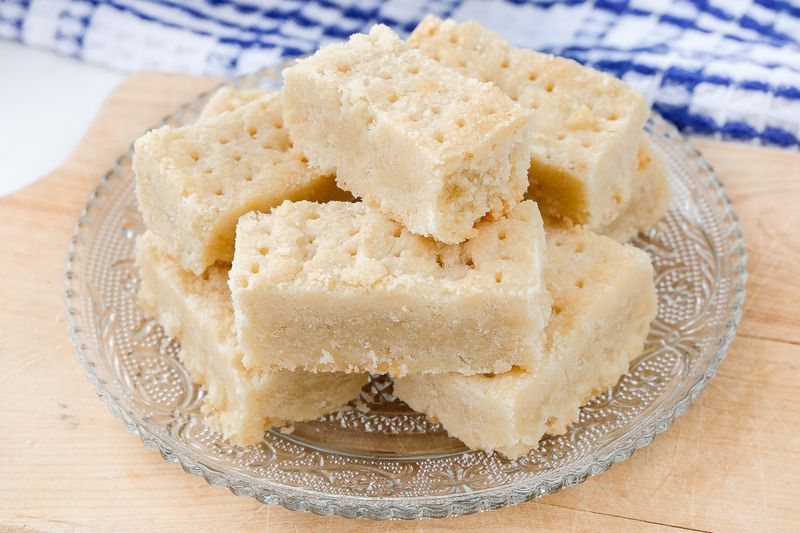
Just three simple ingredients - butter, sugar, and flour - combine to create Scotland's most famous biscuit.
The high butter content gives shortbread its characteristic crumbly texture and rich flavour that melts away beautifully.
Traditionally shaped into rounds, fingers, or petticoat tails, shortbread appears at every Scottish celebration.
Its simplicity means quality ingredients really matter, and proper Scottish shortbread should never be dry or bland, only buttery perfection in every golden bite.
14. Dundee Cake
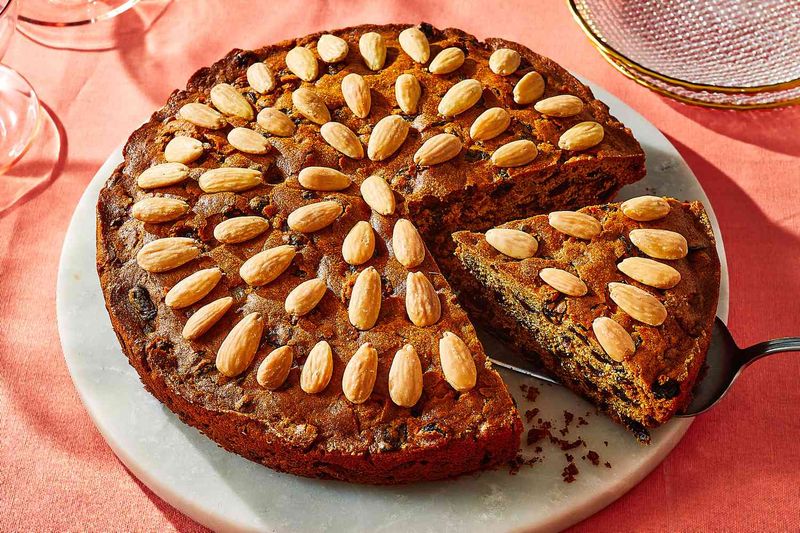
Dundee cake stands out for its rich fruit base and distinctive topping of neatly arranged blanched almonds.
Sultanas, currants, mixed peel, and a hint of citrus create a lighter, more fragrant sponge than many heavier fruit cakes.
Its balanced sweetness makes it just as enjoyable with an afternoon cuppa as it is served as a simple dessert.
Over time, this elegant bake has earned its place as a well-loved Scottish classic that continues to appear in bakeries and home kitchens alike.
15. Cock A Leekie Soup
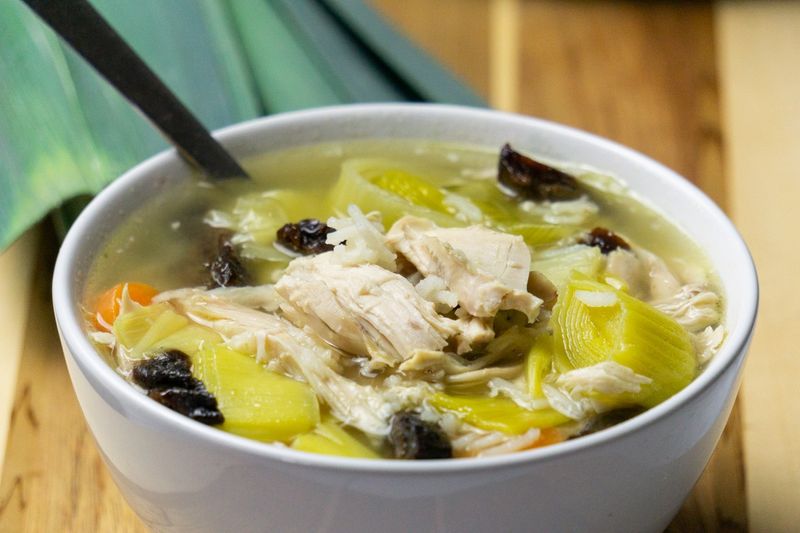
With a name that makes everyone giggle, this traditional soup combines chicken, leeks, and sometimes prunes in a warming broth.
The unusual addition of dried fruit adds subtle sweetness that balances the savoury chicken perfectly.
Dating back to the 16th century, this soup was served at grand Scottish banquets and humble family tables alike.
The leeks give it a mild onion flavour, whilst the long-simmered chicken creates a comforting broth that's nourishing and delicious.
16. Kedgeree
Though originally from India, kedgeree became a Scottish breakfast favourite during Victorian times.
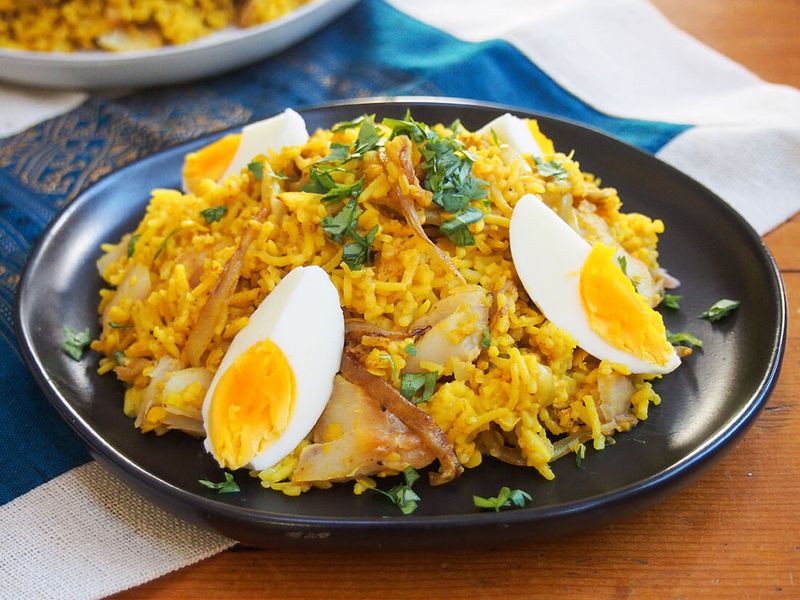
Smoked haddock, rice, hard-boiled eggs, and curry spices come together in this savoury morning dish that's both filling and flavourful.
The golden rice studded with flakes of fish and egg creates a beautiful presentation on the breakfast table.
Scottish cooks adapted this colonial import so thoroughly that many now consider it a traditional Scottish dish, especially in grand country house breakfasts.



