











Watching seeds turn into something you can actually cook and enjoy adds a little magic to everyday routines.
Even small spaces can produce surprisingly generous results with the right choices and a bit of patience.
A few beginner-friendly plants make it easy to get started without feeling overwhelmed.
All information is provided for general interest only. Growing results, availability, and seasonal success may vary depending on climate, space, and care.
1. Lettuce
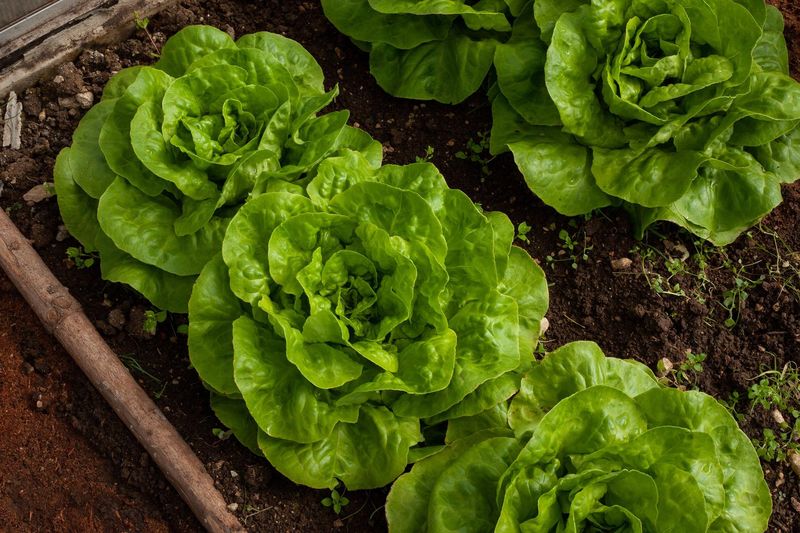
Crisp leaves can appear in your salad bowl within weeks of planting seeds.
Lettuce grows happily in containers or garden beds, tolerating partial shade better than many vegetables.
Harvest outer leaves regularly to encourage continuous production throughout the season.
Cool weather suits this leafy green perfectly, making spring and autumn ideal planting times for maximum success and flavour.
2. Radishes
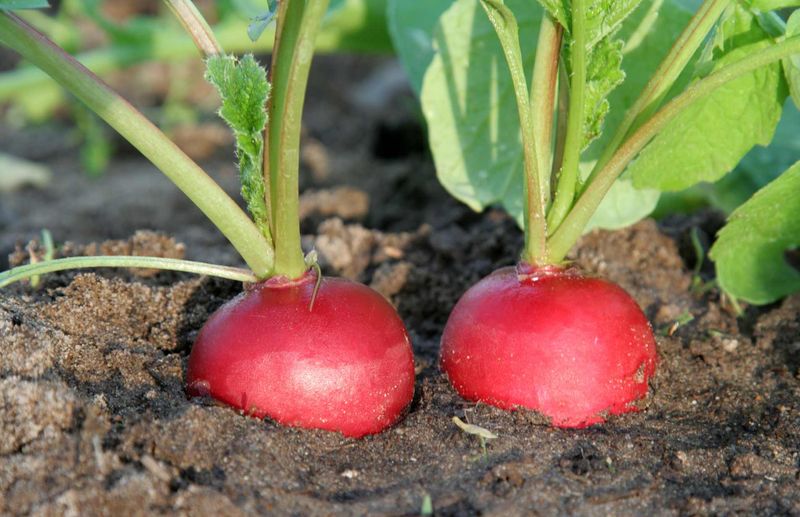
From seed to plate in just three weeks, radishes are the speedsters of the vegetable world.
Their peppery crunch adds zing to salads whilst requiring minimal effort from gardeners.
Compact roots develop quickly in loose soil, making them perfect for impatient beginners.
Sow small batches every fortnight for a continuous supply of these colourful, fast-growing gems throughout spring and early summer.
3. Spring Onions
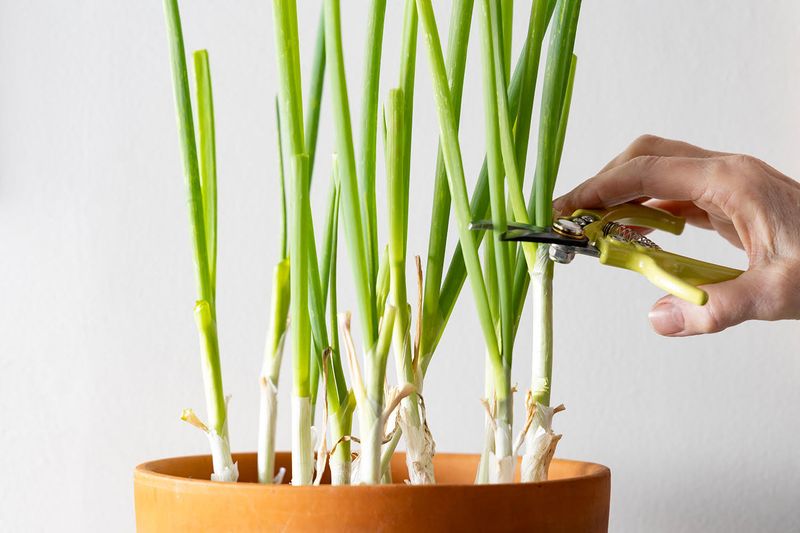
These slender stalks bring mild onion flavour to countless dishes without taking up much space.
Plant them densely in pots or borders, and they'll thrive with little fuss.
Ready to harvest in roughly eight weeks, spring onions regrow from their roots if you leave the base intact.
Their resilience and quick turnaround make them brilliant for first-time growers seeking reliable results and fresh garnishes.
4. Tomatoes
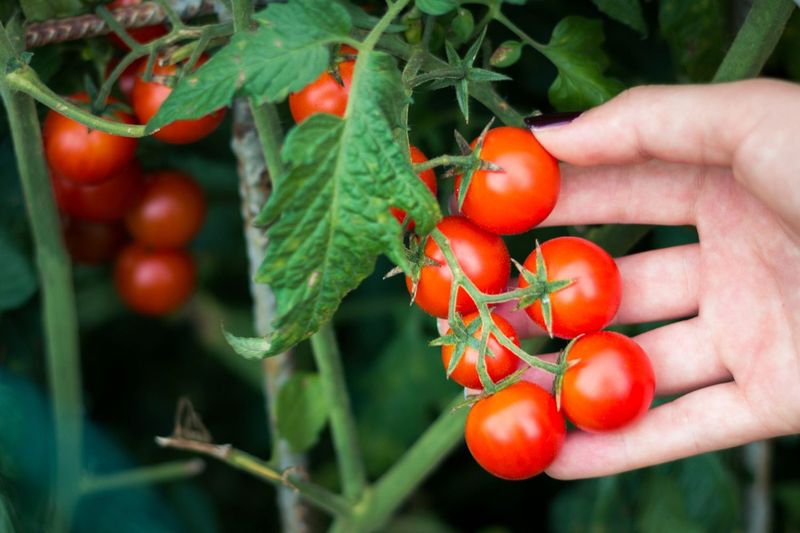
Nothing beats the taste of sun-warmed tomatoes plucked straight from the vine.
Cherry varieties are particularly forgiving, producing abundant fruit even in pots on sunny patios.
Provide support with canes or cages as plants grow tall and heavy with ripening fruit.
Regular watering and feeding ensure juicy harvests from midsummer onwards, rewarding your patience with flavour supermarkets simply cannot match.
5. Courgettes
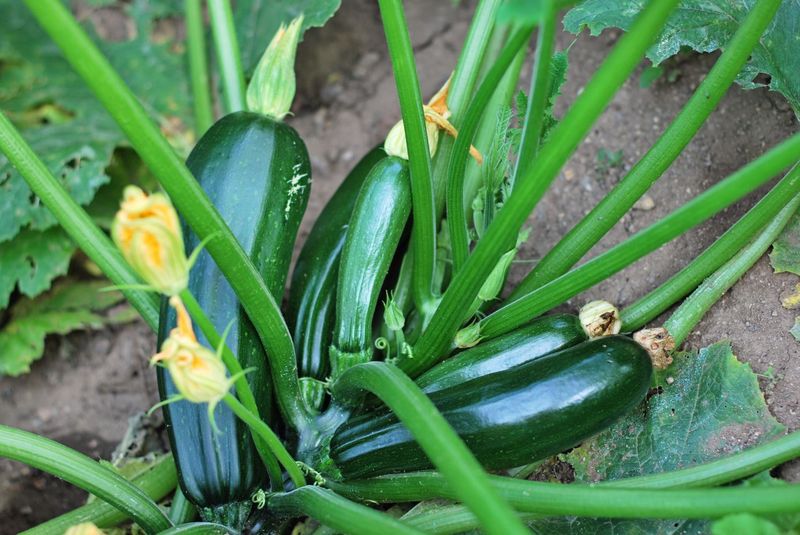
Prolific producers, courgette plants can overwhelm you with their generosity once they start fruiting.
A single plant often supplies enough for an entire household throughout summer.
Large leaves and bright yellow flowers signal healthy growth in sunny spots with rich soil.
Pick fruits when small and tender for the best texture and taste, checking plants daily during peak season to prevent marrows appearing overnight!
6. Spinach
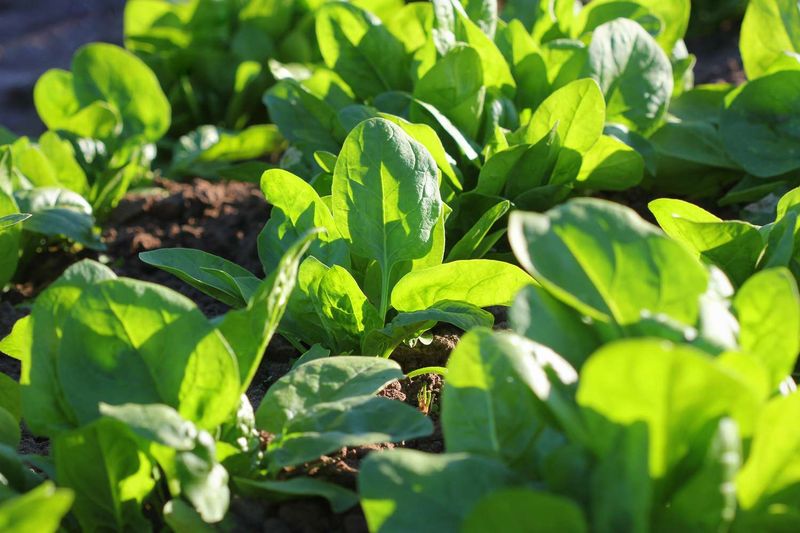
Packed with nutrients and incredibly straightforward to cultivate, spinach thrives in cooler months when other crops struggle.
Sow seeds directly into the ground or containers for quick germination.
Young leaves taste sweetest in salads, whilst mature foliage works brilliantly cooked in various dishes.
Successive sowings every few weeks guarantee fresh greens from early spring through autumn, making spinach a reliable kitchen staple.
7. Beetroot
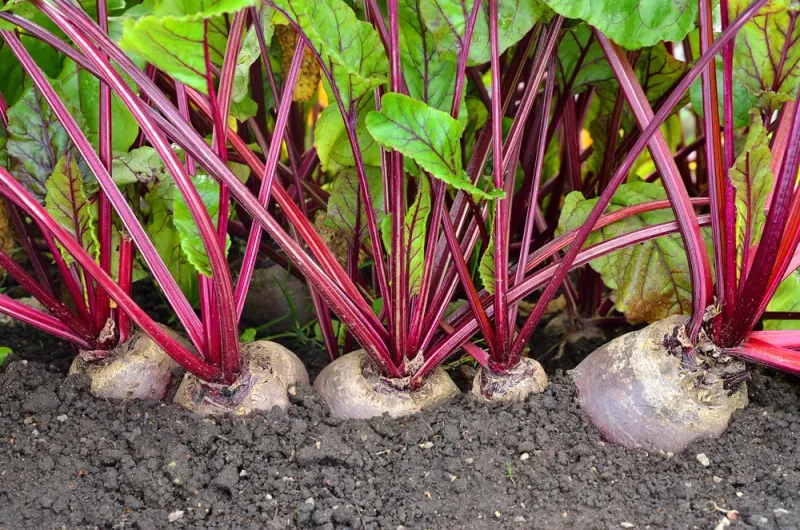
Earthy sweetness develops beneath the soil whilst attractive foliage adds ornamental value above ground.
Beetroot tolerates various conditions, though it prefers consistent moisture for tender roots.
Thin seedlings to proper spacing as they emerge, using the baby leaves in salads.
Harvest when roots reach golf-ball size for the most delicate flavour, or leave longer for larger specimens perfect for roasting and pickling.
8. Peas
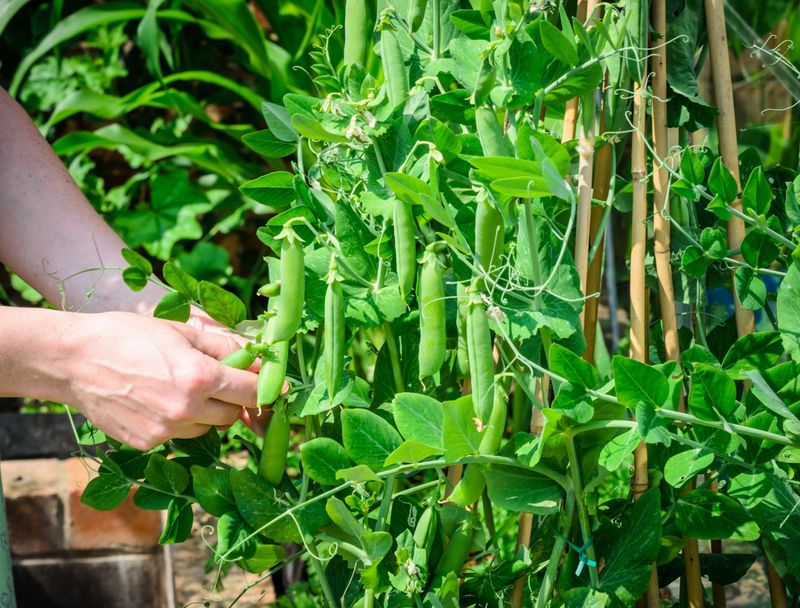
Few gardening moments rival the satisfaction of shelling fresh peas straight into your mouth.
These climbing plants need support but reward minimal effort with sweet, tender pods.
Spring sowings produce early summer harvests, whilst autumn plantings can overwinter for extra-early crops.
Pick pods regularly to encourage more flowers and fruit, enjoying their crisp sweetness raw or lightly steamed within hours of harvesting.
9. Carrots
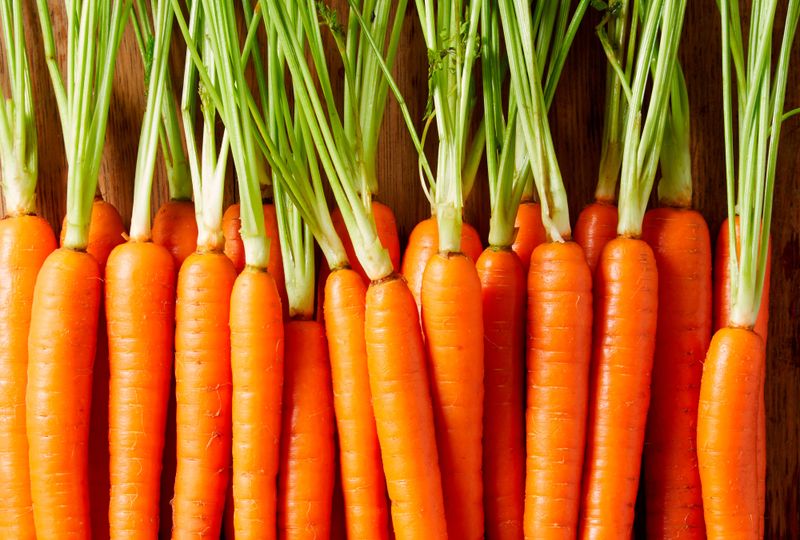
Crunchy and naturally sweet, homegrown carrots taste remarkably different from shop-bought versions.
Choose shorter varieties for containers or heavy soil, reserving long types for deep, loose earth.
Thin seedlings ruthlessly to prevent crowding and ensure straight roots develop properly.
Patience pays off after roughly twelve weeks when you pull up vibrant orange roots, perfect for snacking, roasting, or adding colour to countless meals.
10. Potatoes
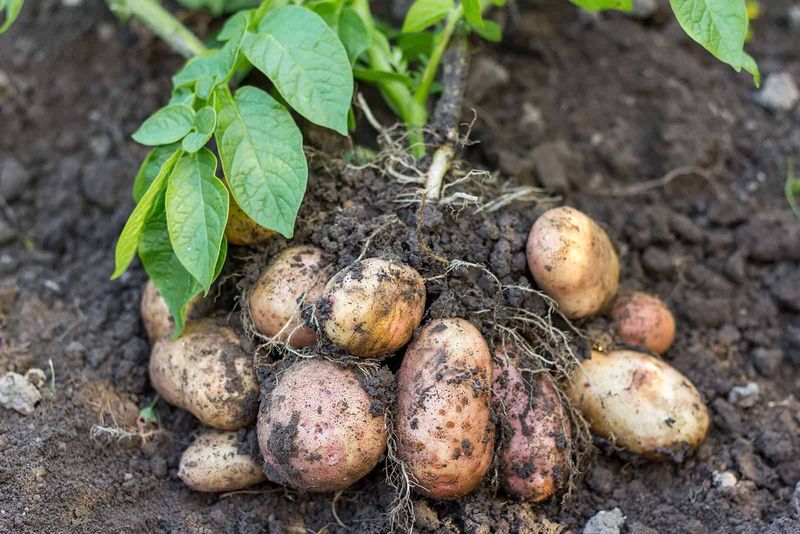
Did you know? You can grow potatoes in bags, bins, or even old tyres if garden space is limited.
Plant seed potatoes in spring, then earth up stems as they grow taller.
New potatoes arrive in early summer, whilst maincrop varieties store well for months after autumn harvest.
Digging up your first potato crop feels like unearthing buried treasure, making this staple vegetable endlessly rewarding for beginners.
11. Strawberries
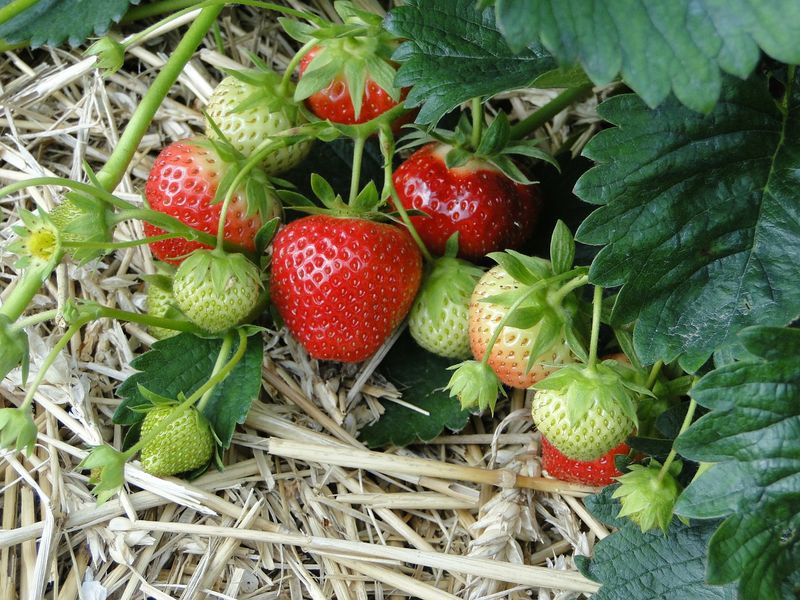
Juicy red berries warmed by sunshine taste incomparably better than refrigerated supermarket offerings.
Strawberry plants spread via runners, gradually filling containers or borders with productive growth.
Protect ripening fruit from birds with netting, and elevate berries off soil using straw to prevent rot.
Plants fruit for several years, rewarding you each summer with sweet harvests perfect for eating fresh or transforming into preserves.
12. Herbs
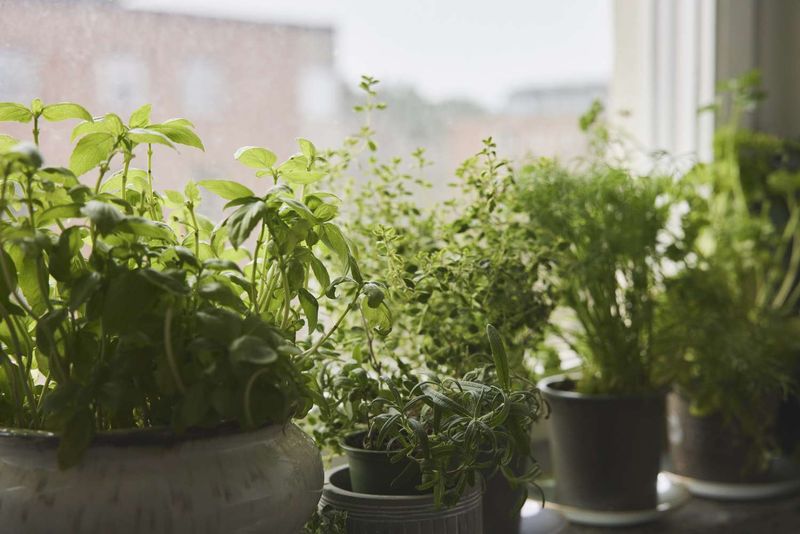
Windowsill pots brimming with basil, parsley, or coriander bring restaurant-quality flavours to everyday cooking.
Most herbs demand little beyond sunshine, drainage, and occasional watering.
Snip leaves regularly to encourage bushy growth and prevent flowering, which can alter taste.
Perennial varieties like rosemary and thyme return year after year, whilst annual herbs like basil provide abundant summer harvests from small spaces.
13. Kale
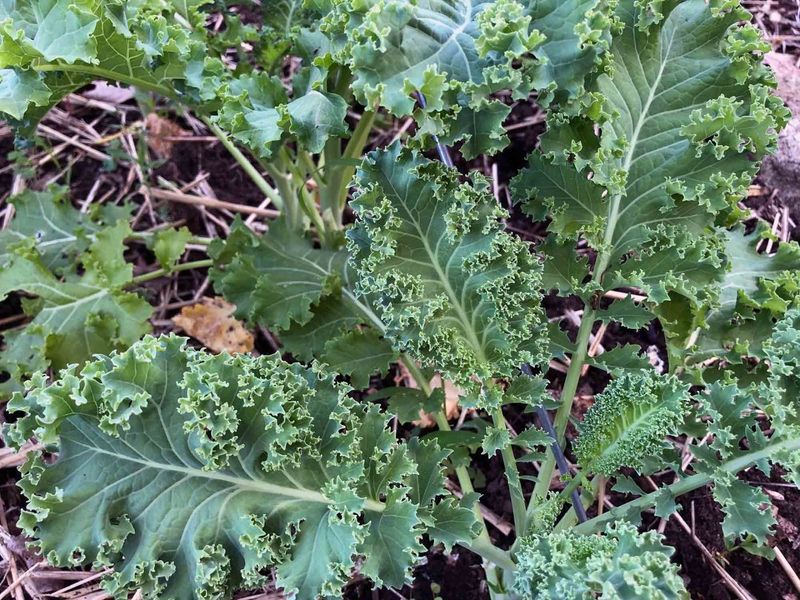
This nutritional powerhouse laughs at frost, actually improving in flavour after cold snaps.
Sturdy leaves withstand harsh weather whilst providing harvests throughout winter when fresh produce becomes scarce.
Pick lower leaves first, allowing the plant to continue growing upwards and producing more foliage.
Kale's resilience and productivity make it brilliant for year-round gardening, offering vitamins and versatility in countless healthy recipes.
14. Swiss Chard
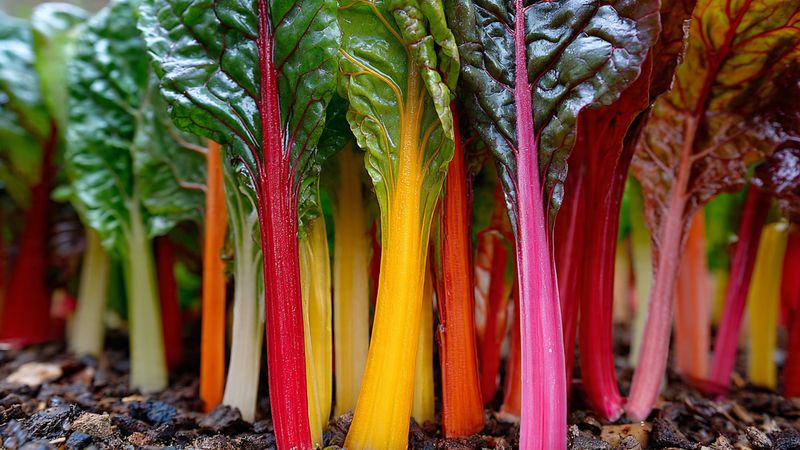
Rainbow-stemmed chard brings both beauty and nutrition to gardens with minimal demands.
Colourful stalks in red, yellow, and white make this vegetable as ornamental as it is edible.
Cut outer leaves when needed, leaving the centre to regenerate for months of continuous harvests.
Swiss chard tolerates heat better than spinach whilst offering similar culinary uses, making it reliable throughout summer when other greens bolt.
15. Runner Beans
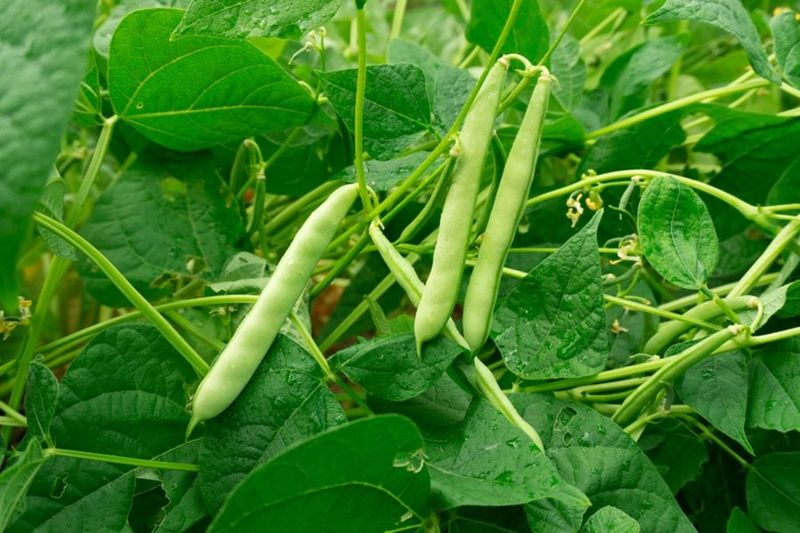
Scarlet flowers attract pollinators before transforming into dangling pods packed with tender beans.
These vigorous climbers need sturdy supports but produce impressive yields from vertical space.
Pick beans young and often to maintain production throughout summer and prevent stringy texture developing.
Their dual role as productive crops and attractive garden features makes runner beans perfect for beginners wanting maximum impact from limited ground area.