











Getting enough fibre often sounds easier than it actually feels in day-to-day life.
Busy routines, quick meals, and familiar favourites can quietly push fibre-rich foods off the plate without anyone noticing.
The good news is that boosting fibre does not require dramatic diet changes or complicated recipes – small, practical swaps and additions can fit seamlessly into meals you already enjoy.
Over time, these gentle changes can support digestion, steady energy levels, and everyday wellbeing.
All information is provided for general interest only.
Nutritional needs vary between individuals, and this content is not a substitute for personalised dietary advice.
Photos are for illustrative purposes only.
1. Easy Breakfast Swaps That Boost Fibre Intake

Swapping out your usual white toast or sugary cereal for wholegrain options is one of the easiest wins you'll ever score.
Porridge made with oats, whole wheat toast, or a bran-based cereal can instantly triple your morning fibre without changing much else.
Top it with sliced banana, a handful of berries, or a sprinkle of chia seeds for extra texture and flavour.
Your gut will thank you, and you'll likely stay fuller until lunch.
Even adding a tablespoon of wheat bran to your usual cereal does wonders if you're not ready for a full switchover yet.
2. Smarter Sandwich Fillings That Add Extra Fibre

Your lunchtime sarnie doesn't have to be boring just because it's healthy.
Start by choosing wholemeal or seeded bread instead of white, which alone bumps up the fibre significantly.
Then load it with crunchy veg like shredded carrots, sliced peppers, cucumber, or leafy greens such as spinach and rocket.
Hummus or mashed avocado makes a creamy, fibre-rich spread that's far tastier than plain butter.
Chuck in some chickpeas or leftover roasted veggies for even more staying power.
You'll barely notice the upgrade, but your body definitely will.
3. How To Upgrade Pasta And Rice With Wholegrains

White pasta and rice are kitchen staples, but they're pretty rubbish when it comes to fibre.
Swapping them for brown rice, quinoa, wholewheat pasta, or barley transforms your meal nutritionally without sacrificing taste.
If you're not keen on the chewier texture straight away, try mixing half white and half wholegrain to ease yourself in.
The nutty flavour actually pairs brilliantly with rich sauces and curries.
You can also experiment with buckwheat noodles or bulgur wheat for variety.
These wholegrains keep you satisfied longer and help stabilise your energy throughout the day.
4. Simple Snack Changes That Keep You Fuller Longer

Crisps and biscuits might be tempting, but they leave you hungry again in no time.
Reach for a handful of almonds, walnuts, or a mix of seeds instead, which pack fibre, healthy fats, and protein into every bite.
Fresh fruit like apples or pears (with the skin on) are brilliant too, especially when paired with a dollop of nut butter.
Carrot sticks, cucumber slices, or celery with hummus make crunchy, satisfying snacks that actually nourish you.
Even plain popcorn, lightly salted, is a surprisingly high-fibre treat that won't wreck your afternoon energy.
5. Easy Ways To Add Beans And Lentils To Familiar Dishes

Beans and lentils are absolute fibre powerhouses, and they're ridiculously versatile too.
Toss a tin of chickpeas into your salad, stir red lentils into your Bolognese sauce, or add black beans to tacos and wraps.
They blend seamlessly into soups, stews, and curries, bulking out meals while keeping costs down.
A cup of cooked lentils delivers around 15 grams of fibre, which is nearly half your daily target.
If you're worried about the texture, mash them slightly or choose smaller varieties like Puy lentils that cook down beautifully and absorb flavours brilliantly.
6. How Frozen Vegetables Can Increase Fibre Without Extra Prep

Frozen veg often gets unfairly judged, but it's actually frozen at peak freshness, locking in nutrients and fibre.
Keep bags of spinach, peas, broccoli, or mixed veg in your freezer for instant meal boosters.
Chuck a handful into pasta sauces, curries, stir-fries, or scrambled eggs without any chopping or fuss.
They cook in minutes and add colour, texture, and serious nutritional value to whatever you're making.
No waste, no wilted leaves in the fridge, and no excuses.
It's one of the smartest shortcuts to hitting your fibre goals effortlessly every single day.
7. Fibre-Rich Toppings That Add Crunch And Texture
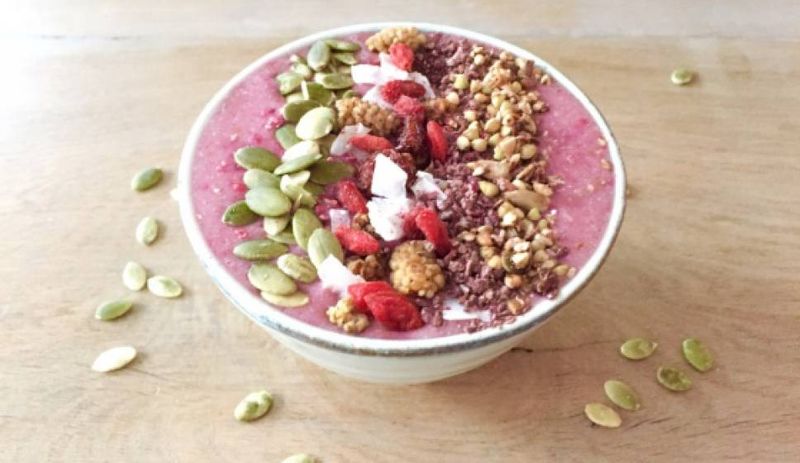
Sometimes all a meal needs is a little something extra on top to make it feel special and boost the fibre at the same time.
Sprinkle toasted seeds like sunflower, pumpkin, or sesame over salads, soups, or roasted veg for a satisfying crunch.
Crushed nuts, flaxseeds, or a handful of bran flakes work brilliantly on yoghurt, porridge, or smoothie bowls.
Even a scattering of fresh herbs and chopped spring onions adds a bit of fibre along with flavour.
These little touches make meals more interesting while sneaking in extra nutrition without any real effort at all.
8. How To Build Fibre Into Soups And Stews

Soups and stews are perfect vehicles for loading up on fibre without anyone noticing.
Start with a base of onions, carrots, and celery, then add beans, lentils, or pearl barley to bulk it out beautifully.
Throw in chopped kale, spinach, or cabbage towards the end for extra greens and texture.
Using wholegrain pasta or brown rice instead of white makes a subtle but meaningful difference too.
The beauty of soups is everything melds together, so even the fussiest eaters won't pick out the healthy bits.
Plus, they freeze brilliantly for easy, fibre-packed meals on demand.
9. Simple Baking Tweaks That Increase Fibre Content

Baking at home gives you total control over what goes into your treats, and sneaking in extra fibre is easier than you'd think.
Swap half the white flour for wholemeal or spelt flour in muffins, cakes, or biscuits without compromising texture too much.
Adding oats, bran, or ground flaxseed to the mix boosts fibre while keeping things moist and delicious.
Mashed banana, grated apple, or pureed prunes can replace some of the fat and sugar while adding natural sweetness and fibre.
Your bakes will still taste amazing, but they'll actually give you a bit of nutritional benefit alongside the indulgence.
10. How Small Daily Changes Add Up Over Time

You don't need to transform your diet overnight to see real results.
Adding an extra piece of fruit here, swapping white bread for wholemeal there, or tossing a handful of beans into dinner all count.
Over a week, these tiny tweaks can easily add up to an extra 50 or 60 grams of fibre, which makes a genuine difference to your digestion, energy, and overall wellbeing.
The key is consistency, not perfection.
Gradually increasing your fibre intake also gives your gut time to adjust, preventing any uncomfortable bloating.
Drink plenty of water, and you'll feel the benefits sooner than you think.