It’s amazing how everyday vegetables can quietly support the body in ways that go far beyond basic nutrition.
A simple trip to the greengrocer can feel a bit like stocking a natural wellness cabinet, packed with colour, flavour, and helpful plant compounds.
Curious choices in the kitchen often lead to small improvements in energy, digestion, and overall wellbeing that add up over time.
Some of these vegetables might already be sitting in your fridge, just waiting to show what they can really do.
All information is provided for general educational purposes only and should not be considered medical advice.
Nutritional needs, responses to foods, and individual health conditions vary.
Always consult a qualified healthcare professional for personalised dietary or medical guidance.
1. Broccoli
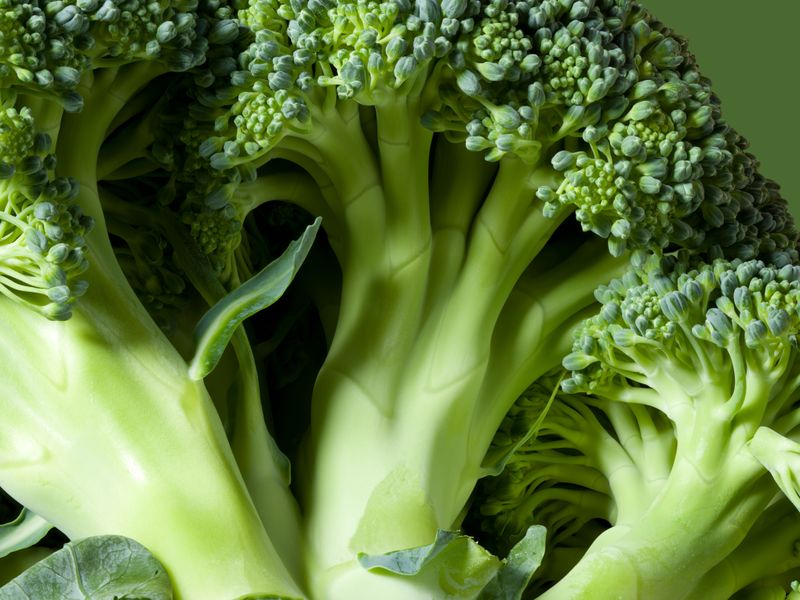
Broccoli is rich in sulforaphane, a naturally occurring plant compound that has been widely studied for its potential protective effects in the body.
It supports the body’s natural defence systems and helps maintain healthy inflammatory balance when eaten regularly.
Alongside that, it delivers plenty of vitamin C and fibre, which quietly support immune health and digestion without much effort on your part.
Lightly steaming it keeps the flavour fresh while helping retain many of its helpful nutrients.
2. Spinach
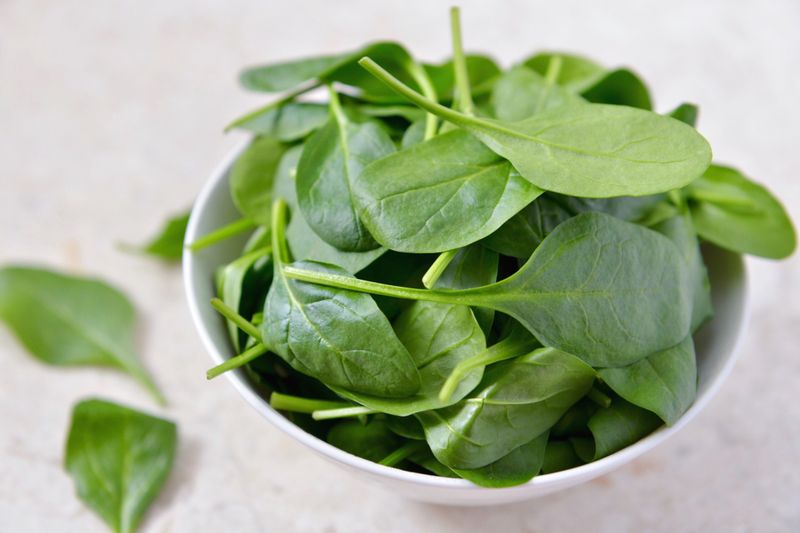
Popeye knew what he was talking about!
Spinach contains nitrates that improve blood flow and lower blood pressure naturally.
Rich in iron, it helps carry oxygen throughout your body, fighting fatigue and boosting energy levels.
Throw a handful into smoothies, salads, or pasta dishes.
Your heart and muscles will thank you for this leafy powerhouse.
3. Kale
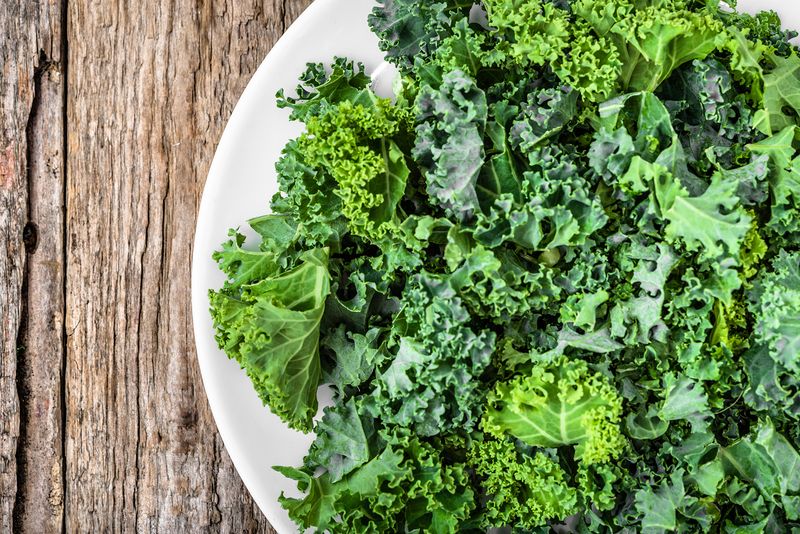
Often called a superfood, kale deserves its reputation.
It's absolutely bursting with vitamins A, K, and C, which protect your eyes, bones, and immune system.
The antioxidants in kale, particularly lutein and zeaxanthin, guard against age-related vision problems.
Massage raw kale with lemon juice to soften it, or bake crispy kale crisps for a nutritious snack.
4. Garlic
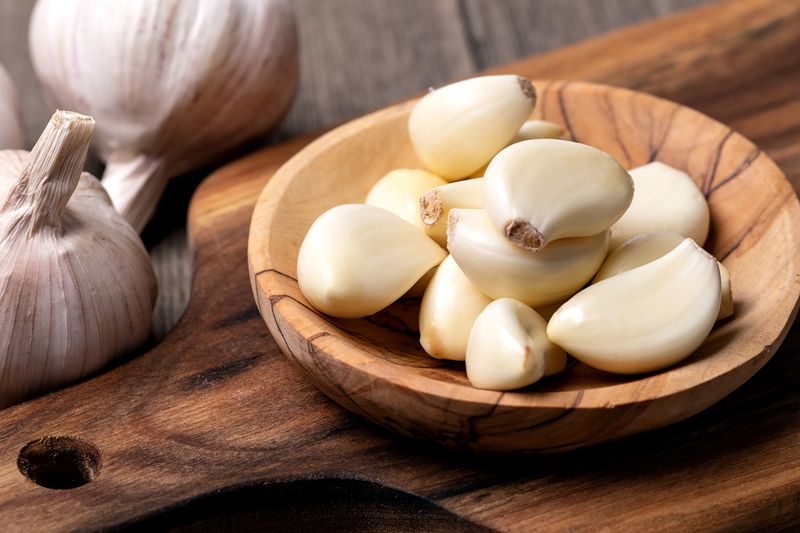
For centuries, cultures worldwide have used garlic as natural medicine, and science backs them up.
Allicin, the active compound released when you crush garlic, has antibacterial and antiviral properties that fight infections.
It also helps lower cholesterol and blood pressure, protecting your cardiovascular system.
Add raw garlic to dressings or cook it gently to maintain its healing benefits.
5. Beetroot
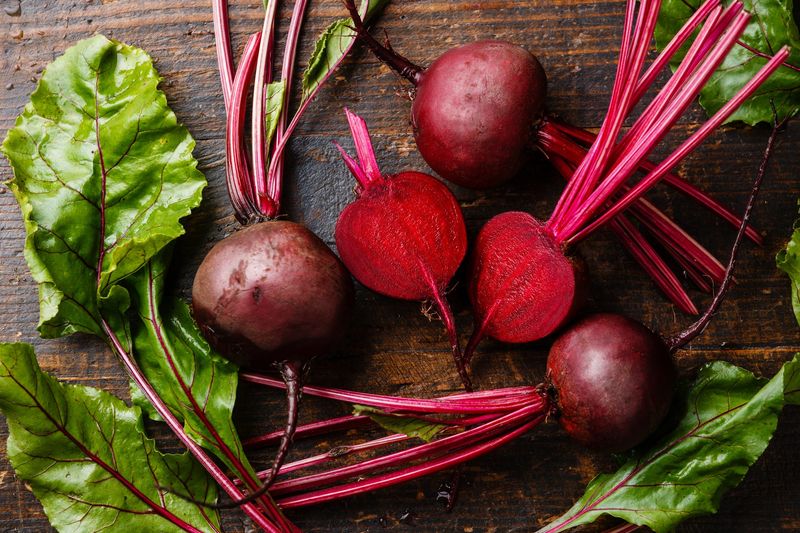
That deep ruby colour comes from betalains, antioxidants that help protect cells from everyday wear and tear.
Beetroot is also well known for supporting healthy circulation thanks to its natural nitrate content.
Many people enjoy it for the gentle energy boost it can provide during active days or busy routines.
Roasting, juicing, or grating it into salads adds both colour and a naturally sweet earthy flavour to meals.
6. Carrots
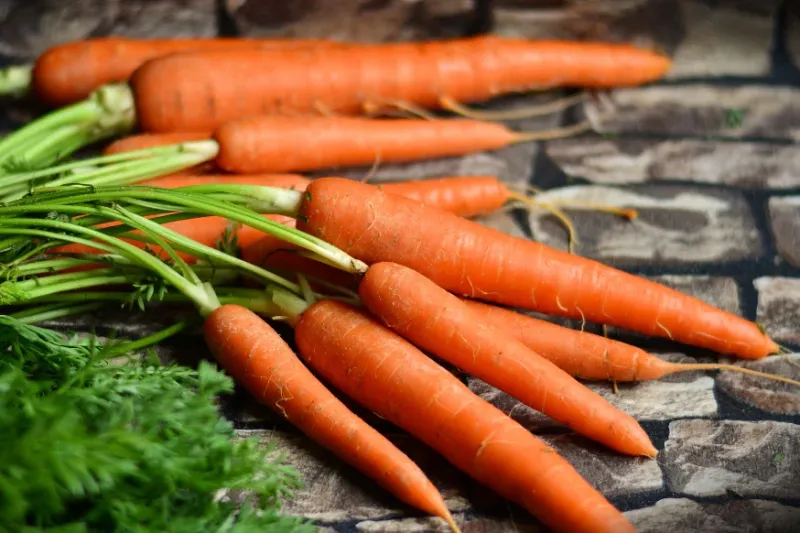
Your mum was right - carrots really are good for your eyes!
They're loaded with beta-carotene, which your body converts to vitamin A, essential for healthy vision and skin.
Carrots also contain antioxidants that may reduce your risk of certain cancers and heart disease.
Snack on them raw with hummus or roast them with honey for a sweet, nutritious side dish.
7. Cabbage
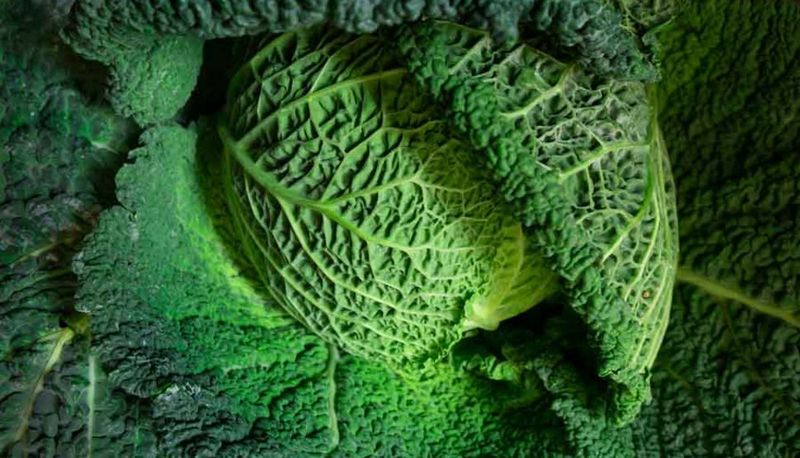
Don't underestimate this humble vegetable.
Cabbage is part of the cruciferous family, known for cancer-fighting compounds called glucosinolates.
It's particularly good for gut health, with natural probiotics in fermented versions like sauerkraut supporting your digestive system.
Low in calories but high in vitamin K, cabbage helps with blood clotting and bone strength.
Add it to stir-fries or coleslaw.
8. Brussels Sprouts
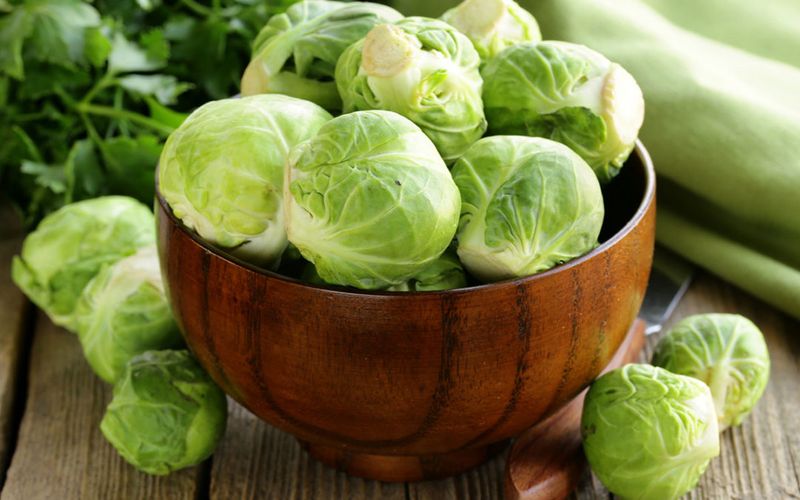
These mini cabbages might have a bad reputation from overcooked school dinners, but properly prepared Brussels sprouts are nutritional goldmines.
They're packed with vitamin C, folate, and compounds that support liver detoxification.
Research suggests they may help reduce DNA damage and lower cancer risk.
Roast them with olive oil until crispy for a delicious, healthy side that even sceptics will enjoy.
9. Red Peppers

Red peppers are an excellent source of vitamin C, providing more than many citrus fruits in a similar serving size.
This supports immune function and helps the body maintain healthy skin and tissue repair.
They also contain vitamin A and protective plant compounds that contribute to overall cell health.
Enjoying them raw keeps their crunch and freshness, while roasting brings out a rich natural sweetness that works beautifully in many dishes.
10. Sweet Potato
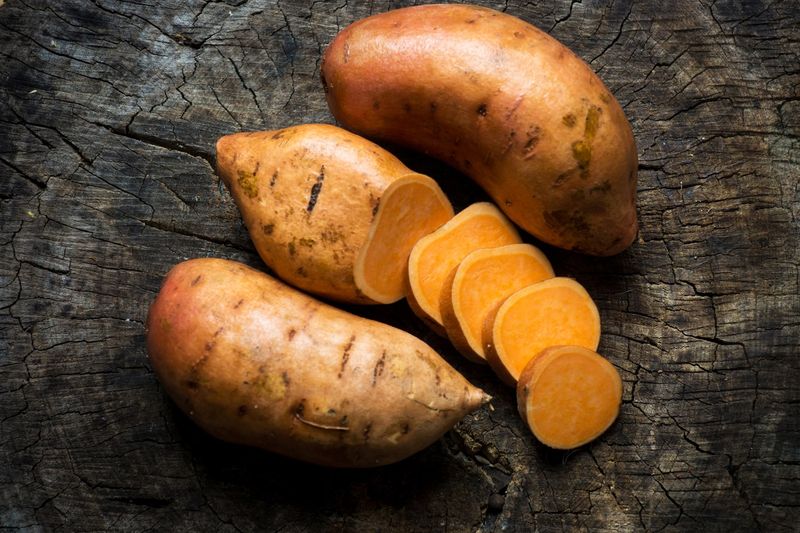
With their gorgeous orange flesh, sweet potatoes are bursting with beta-carotene, supporting eye health and immune function.
They have a lower glycaemic index than regular potatoes, meaning they won't spike your blood sugar as dramatically.
The fibre content keeps you feeling full longer and supports healthy digestion.
Bake them whole, mash them, or slice them into wedges for nutritious chips.