











A really good omelette feels simple until you try making one at home and realise how many tiny details can change the result.
Texture, heat, seasoning, and timing all play a role in turning a basic egg dish into something genuinely satisfying.
Small tweaks in your routine can make mornings feel calmer and far more delicious.
A few smart habits in the kitchen often save time, reduce frustration, and deliver consistently better results.
All information is provided for general interest only. Taste, appearance, and availability may vary.
1. Use A Non Stick Pan In Good Condition
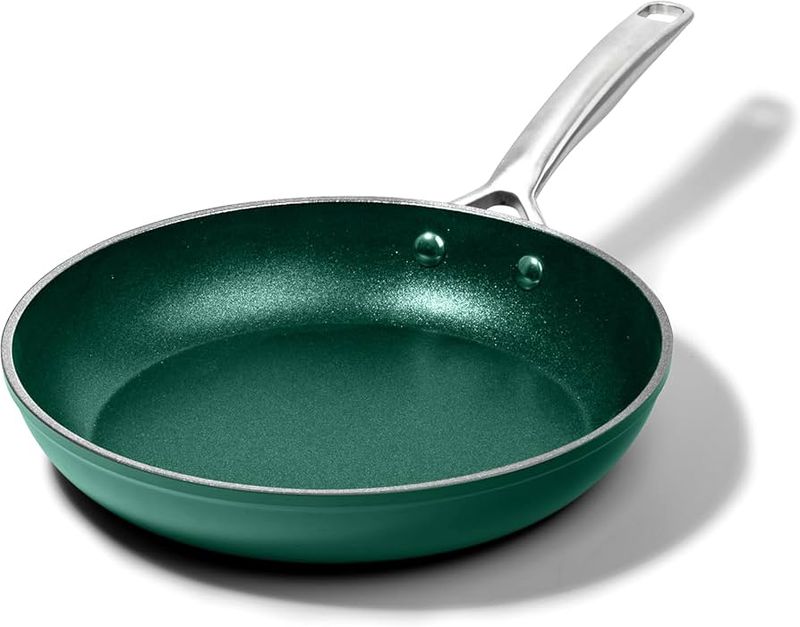
Your pan makes all the difference when cooking delicate eggs.
A scratched or damaged surface causes sticking, tearing, and frustration that ruins even the best technique.
Investing in a quality non-stick pan and treating it gently extends its life significantly.
Avoid metal utensils and harsh scrubbing to keep the coating intact and your omelets sliding out effortlessly every morning.
2. Preheat The Pan Before Adding The Eggs
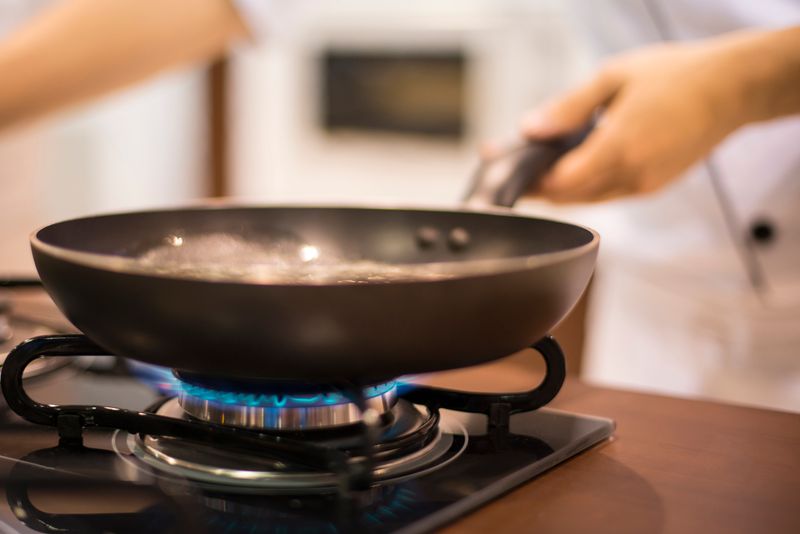
Giving the pan a short warm-up helps the eggs start cooking evenly instead of spreading out too thin.
A gently heated surface allows the mixture to set smoothly without sticking or scorching.
You can check readiness by hovering your hand a safe distance above the pan and feeling a steady, gentle warmth rather than intense heat.
This simple habit improves texture, makes flipping easier, and keeps the cooking process calm and controlled.
3. Whisk The Eggs Until Fully Combined
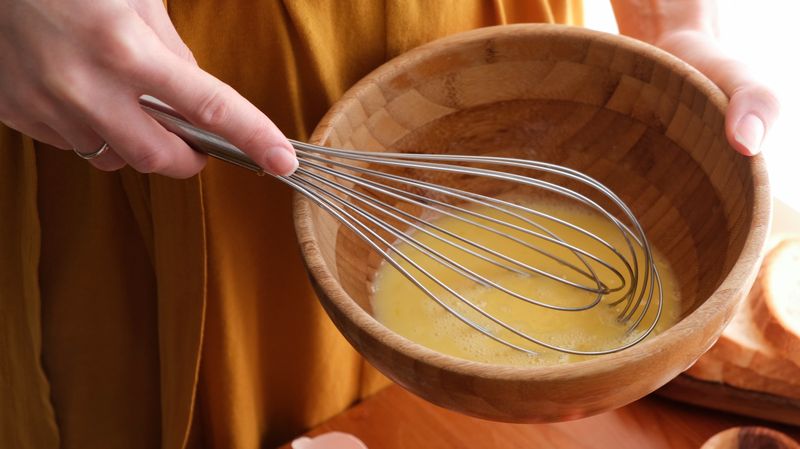
Streaky eggs create an uneven texture that looks amateurish and tastes inconsistent.
Whisking thoroughly incorporates air whilst blending the whites and yolks into one smooth, golden mixture.
Aim for about 30 seconds of vigorous whisking until no white streaks remain visible.
This simple step guarantees a uniformly tender omelet with beautiful colour throughout.
4. Season The Eggs Lightly Before Cooking
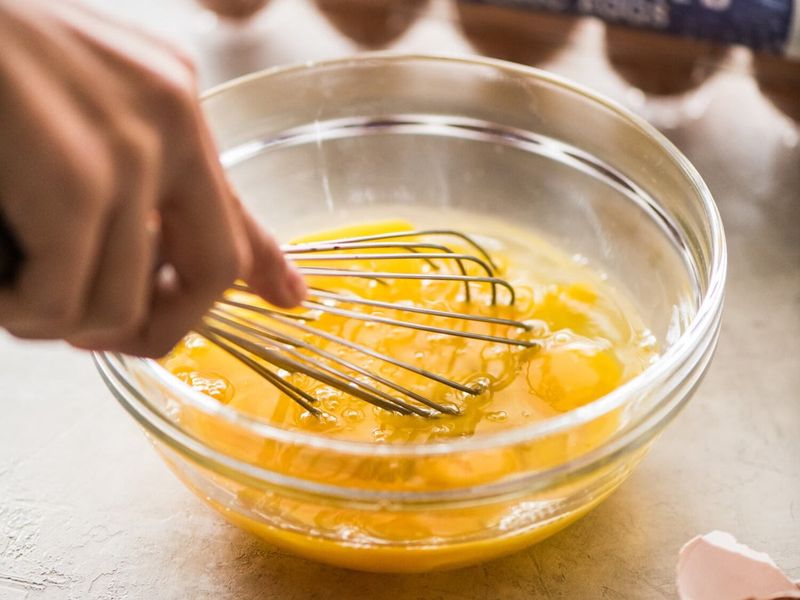
Adding salt directly to raw eggs allows the seasoning to distribute evenly throughout every bite.
Sprinkling it on afterwards often leaves some parts bland whilst others taste too salty.
Just a pinch of salt and a grind of pepper enhances the natural flavour without overpowering it.
Remember, you can always add more later, but you can't take it away.
5. Cook Over Low To Medium Heat For Better Texture
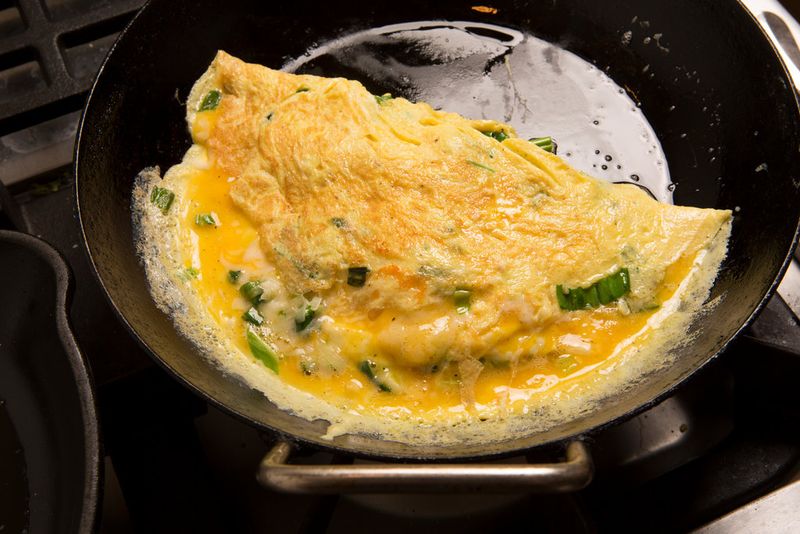
High heat might seem faster, but it creates tough, rubbery eggs with browned edges that taste burnt.
Patience rewards you with silky, creamy curds that melt in your mouth.
Medium-low temperatures give you control, allowing the eggs to cook gently and evenly.
This method takes just a few extra minutes but delivers restaurant-quality results worth waiting for.
6. Use Butter Or A Small Amount Of Neutral Oil
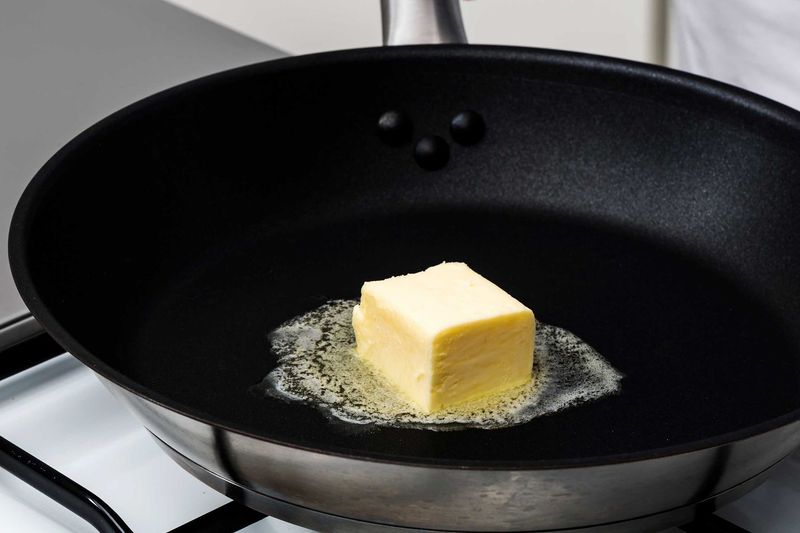
Fat prevents sticking whilst adding rich flavour that elevates your omelet from ordinary to extraordinary.
Butter brings a luxurious taste, whilst neutral oils like sunflower work brilliantly without competing flavours.
You only need about half a tablespoon - just enough to coat the pan lightly. Too much makes your omelet greasy rather than deliciously tender and golden.
7. Add Fillings That Are Already Cooked And Warm

Raw vegetables release moisture that makes your omelet soggy and watery, whilst cold ingredients lower the temperature and interrupt cooking.
Pre-cooking ensures everything reaches the perfect temperature together.
Sauté mushrooms, peppers, or onions beforehand, and warm any meats or cheeses slightly.
This preparation guarantees a cohesive dish where every component tastes its absolute best.
8. Avoid Overfilling To Keep Folding Easy
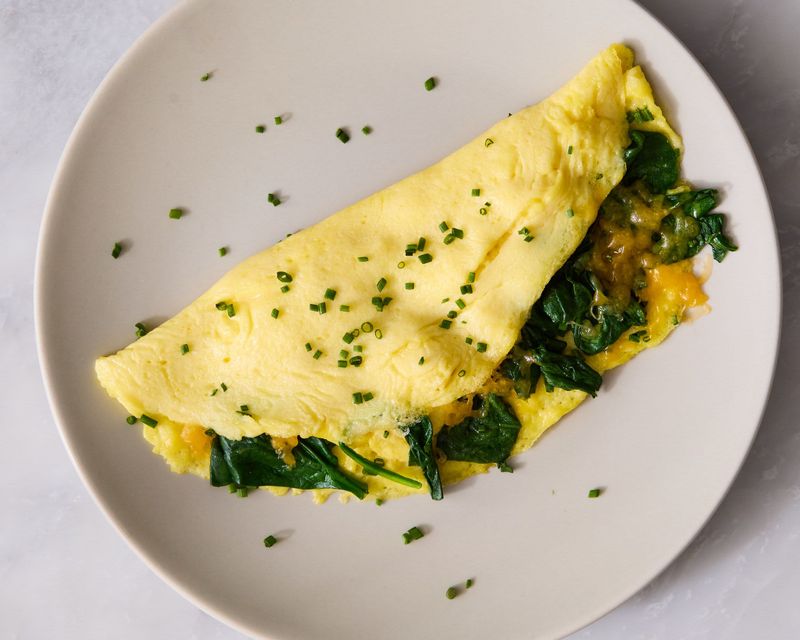
Cramming too many ingredients creates a bulging mess that tears when you try folding it over.
Restraint is key - think of your omelet as a delicate parcel rather than an overstuffed sandwich.
Two or three tablespoons of filling provides plenty of flavour without compromising structure.
Less truly is more when it comes to achieving that classic, elegant half-moon shape.
9. Gently Loosen The Edges Before Folding
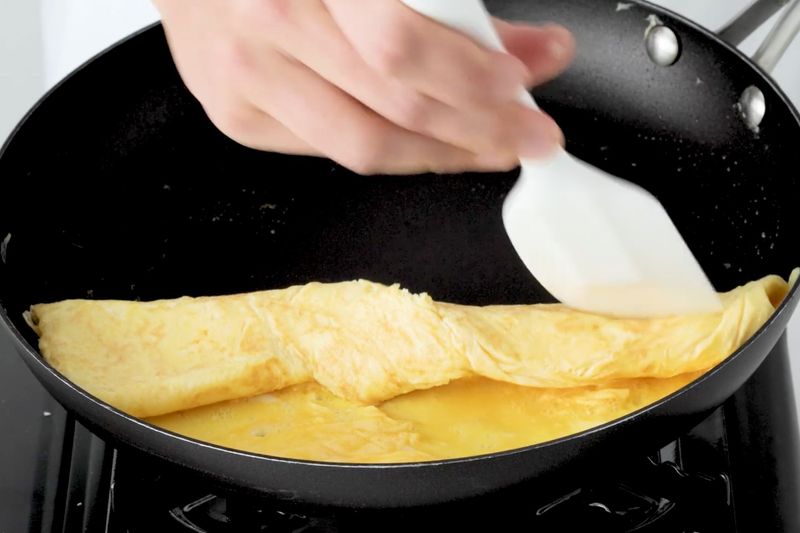
Even with a non-stick pan, edges can grip slightly as they cook, making folding awkward and risky.
Running a silicone spatula around the perimeter frees everything up beautifully.
This quick check takes five seconds but prevents frustrating tears and breaks.
Once loosened, your omelet glides smoothly, folding over itself like a professional chef's creation every single time.
10. Remove From Heat Slightly Early To Prevent Overcooking
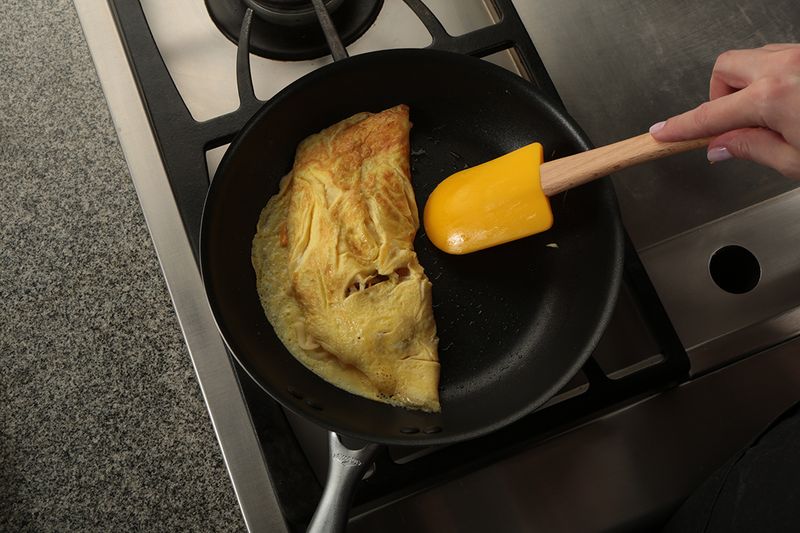
Residual heat continues cooking even after you turn off the flame, so pulling your omelet a touch early prevents that disappointing dry texture.
Aim for just-set edges with a slightly glossy centre.
Carryover cooking finishes the job whilst you plate up, resulting in perfectly tender eggs.
This timing trick separates amateur cooks from those who consistently nail flawless, creamy omelets.