Big lifestyle changes often sound inspiring, but they rarely stick when real life gets busy.
Simple food tweaks, on the other hand, can quietly improve energy levels, focus, and how smoothly your day flows without feeling restrictive or complicated.
Small shifts in what you eat and how you plan meals can make everyday routines feel calmer, more balanced, and easier to maintain over time.
All information is provided for general interest only.
Individual nutritional needs, preferences, and results may vary.
Photos are for illustrative purposes only.
1. Start The Day With A Protein-Rich Breakfast
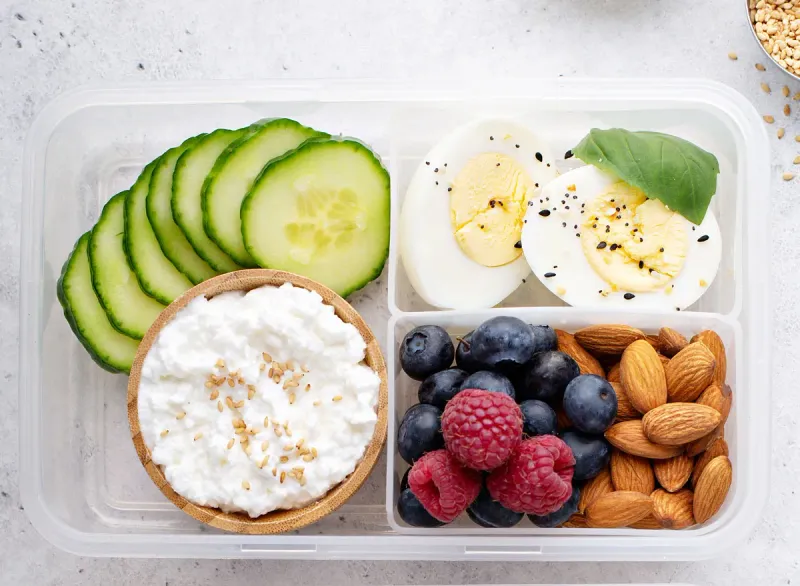
Mornings can feel like a sprint, but starting with protein sets a steadier pace for the rest of your day.
Eggs, Greek yoghurt, or even a handful of nuts give your body fuel that lasts longer than a sugary cereal rush.
Protein keeps you full, helps stabilise blood sugar, and stops that mid-morning stomach rumble that sends you hunting for snacks.
It also supports muscle repair and keeps your brain sharp when you're tackling morning tasks.
Think scrambled eggs with spinach, porridge topped with nut butter, or a smoothie blended with protein powder.
Simple swaps, big impact.
2. Add A Portion Of Vegetables To Every Main Meal
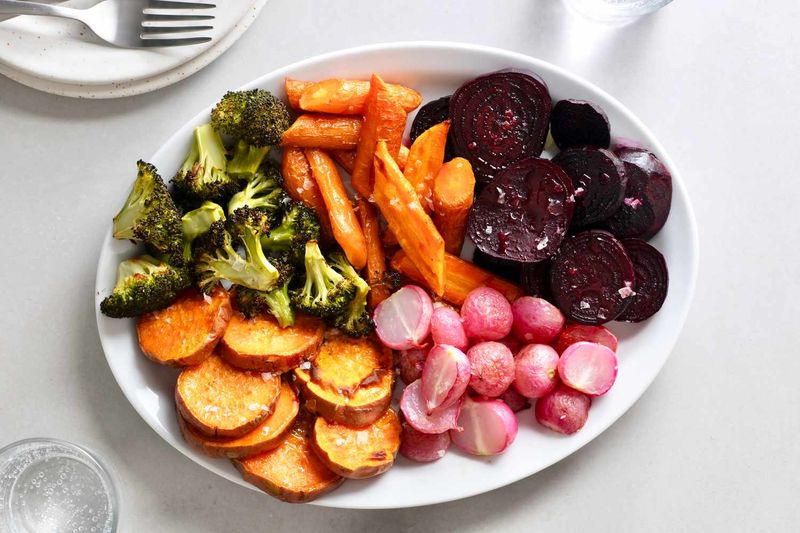
Vegetables are the unsung heroes of balanced eating, yet they're often the first thing we skip when time's tight.
Aiming for a decent portion at lunch and dinner boosts fibre, vitamins, and minerals without much effort.
Roasted veg, steamed greens, or a quick salad can transform a plain meal into something more nourishing.
They fill you up without piling on calories, and they add colour and crunch that makes eating more enjoyable.
Keep frozen veg on hand for busy nights.
They're just as nutritious and take minutes to prepare, making healthy eating genuinely doable.
3. Swap Sugary Drinks For Water Or Herbal Tea

Fizzy drinks and sweetened juices might taste brilliant, but they're sneaky sources of empty calories and sugar spikes.
Switching to water or herbal tea cuts down on unnecessary sugar and keeps you hydrated without the crash.
Water supports digestion, energy levels, and even your skin.
Herbal teas like peppermint or chamomile add variety and can be soothing after a long day, all without added sugars or artificial ingredients.
If plain water feels boring, try adding cucumber, berries, or citrus slices.
Small changes like this can genuinely shift how you feel throughout the day.
4. Keep Healthy Snacks Visible And Easy To Reach
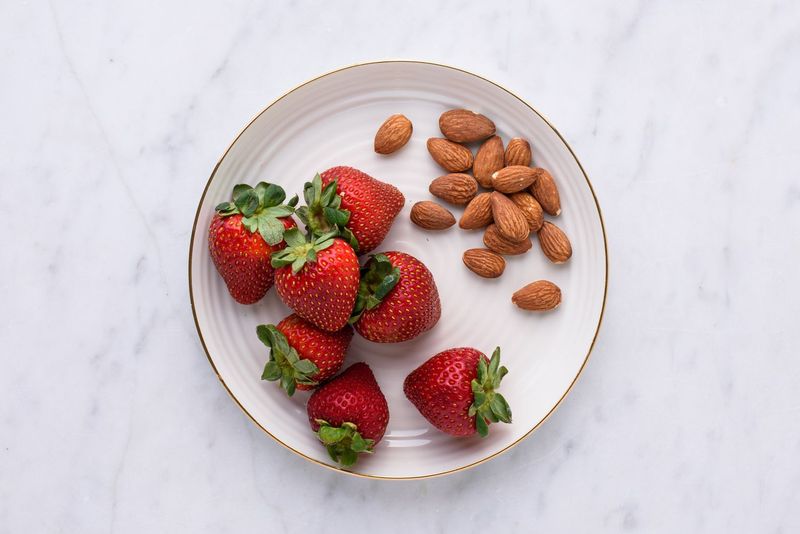
Out of sight, out of mind works both ways. When crisps and chocolate sit front and centre, that's what you'll grab.
But if fruit, nuts, or veggie sticks are within arm's reach, you're far more likely to choose them instead.
Prepping snacks ahead, like slicing carrots or portioning out almonds, removes the barrier of effort.
Healthy eating becomes easier when it's the convenient option, not the complicated one.
Keep a fruit bowl on the counter and stash snack-sized bags in your desk drawer.
Simple visibility shifts your choices without needing willpower.
5. Choose Wholegrains Instead Of Refined Carbs
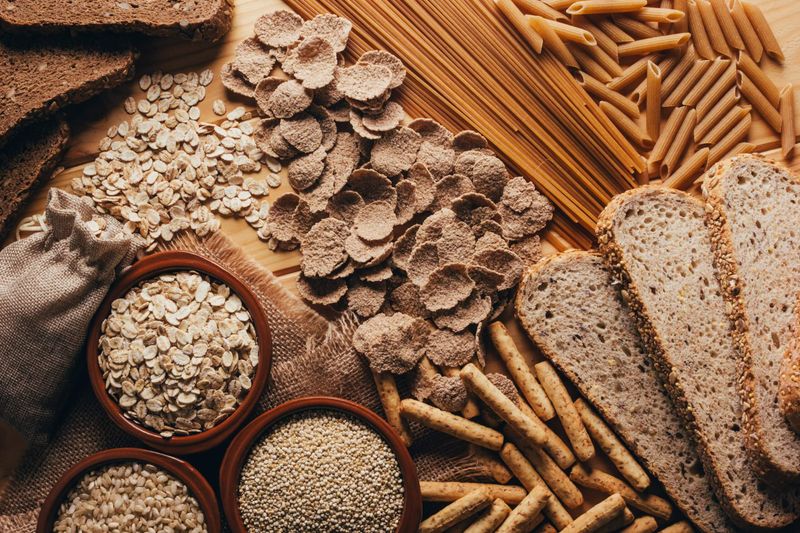
White bread and pasta aren't evil, but swapping them for wholegrains brings extra fibre, vitamins, and minerals that refined versions lack.
Brown rice, wholegrain bread, and oats digest slower, keeping energy steady and hunger at bay longer.
Wholegrains support gut health and help regulate blood sugar, which means fewer energy crashes and cravings.
They also add a nuttier flavour and heartier texture that makes meals more satisfying.
Start small by mixing half white and half brown rice, or choosing wholemeal wraps.
Gradual changes stick better than drastic overhauls.
6. Include A Source Of Healthy Fats Each Day
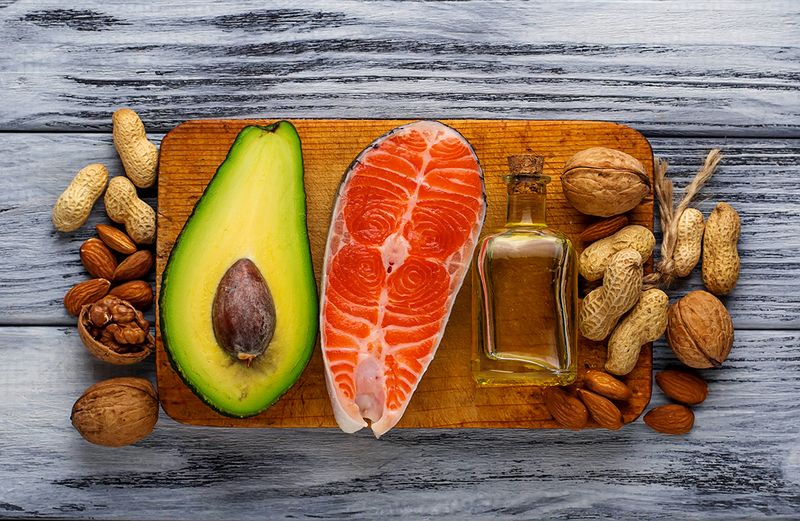
Fats got a bad reputation for years, but the right kinds are essential for brain function, hormone balance, and keeping you satisfied after meals.
Avocados, nuts, seeds, oily fish, and olive oil are all brilliant choices.
Healthy fats slow digestion, which helps you feel fuller for longer and prevents blood sugar spikes.
They also support the absorption of fat-soluble vitamins like A, D, E, and K, making your meals more nutritious overall.
Drizzle olive oil on salads, snack on a handful of walnuts, or add half an avocado to your lunch.
Easy, tasty, and genuinely good for you.
7. Plan Simple Meals Ahead For Busy Evenings
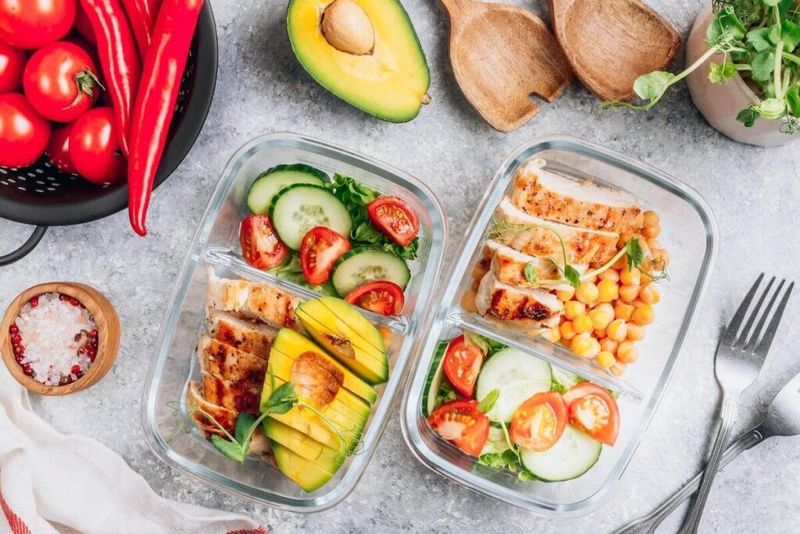
When you're tired and hungry, decision-making goes out the window.
Planning a few simple meals ahead means you're less likely to order takeaway or throw together something nutritionally empty.
It doesn't have to be fancy.
Batch-cooking a big pot of soup, prepping ingredients for stir-fries, or even just deciding what's for dinner before 6pm takes the pressure off.
Keep a rotating list of five easy meals you can make without thinking.
Planning reduces stress, saves money, and keeps your eating habits on track even when life gets hectic.
8. Slow Down And Eat Without Screens When Possible

Eating while scrolling or watching telly disconnects you from what you're actually consuming.
You miss fullness cues, eat faster, and often finish your plate without really tasting a thing.
Mindful eating doesn't require meditation.
Just putting your phone down and chewing slowly helps your brain register when you're satisfied, preventing overeating and improving digestion.
Try it with one meal a day. Notice flavours, textures, and how your body feels.
It sounds simple, but it's surprisingly powerful for building a healthier relationship with food.
9. Keep Portion Sizes Consistent And Balanced
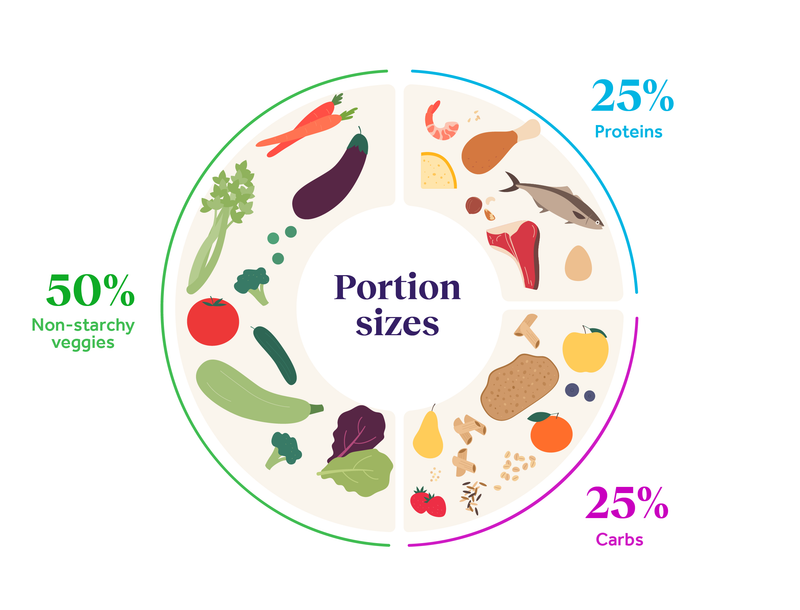
Portion sizes have crept up over the years, and it's easy to serve yourself more than your body actually needs.
Consistent, balanced portions help regulate appetite and prevent the sluggish feeling that comes from overeating.
A rough guide is half your plate as veg, a quarter protein, and a quarter carbs.
It's not about restriction; it's about giving your body what it needs without overdoing it.
Using smaller plates can help visually, and listening to hunger cues matters more than finishing everything.
Balance beats perfection every time.
10. Stay Hydrated Throughout The Day With Regular Sips

Dehydration sneaks up quietly, leaving you tired, foggy, and mistaking thirst for hunger.
Sipping water regularly throughout the day keeps your energy steady, supports digestion, and helps your body function at its best.
You don't need to chug litres at once.
Small, frequent sips are easier to maintain and more effective than forcing down water when you're already parched.
Keep a reusable bottle with you, set reminders if needed, and notice how much better you feel.
Hydration is one of the easiest wins for better daily routines.