













Fresh starts often bring big intentions around food, energy, and feeling a little more balanced day to day.
The tricky part isn’t setting goals, it’s keeping them realistic once real life gets busy and tempting snacks appear.
Small, steady habits tend to last far longer than dramatic overhauls that fizzle out quickly.
A few thoughtful tweaks can make healthier choices feel easier and far more enjoyable.
All information is provided for general interest only. Nutritional needs vary between individuals, and this content is not intended as medical advice. Consult a qualified professional for personalised dietary guidance.
1. Plan Your Meals Ahead
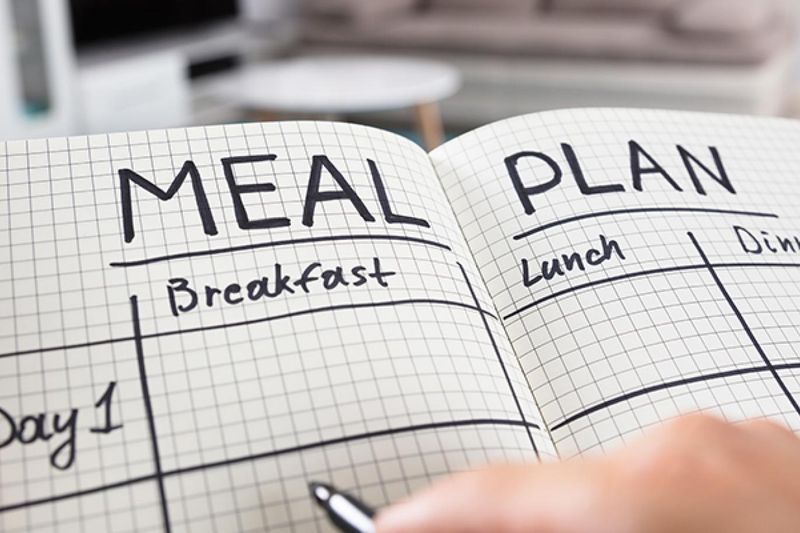
Knowing what you'll eat before hunger strikes makes all the difference.
Spend an hour each weekend mapping out breakfasts, lunches, and dinners for the coming days.
You'll save time, reduce stress, and avoid last-minute unhealthy choices.
Plus, meal planning helps you balance nutrients and prevents food waste, making your budget stretch further whilst keeping you on track.
2. Keep Healthy Snacks Within Reach
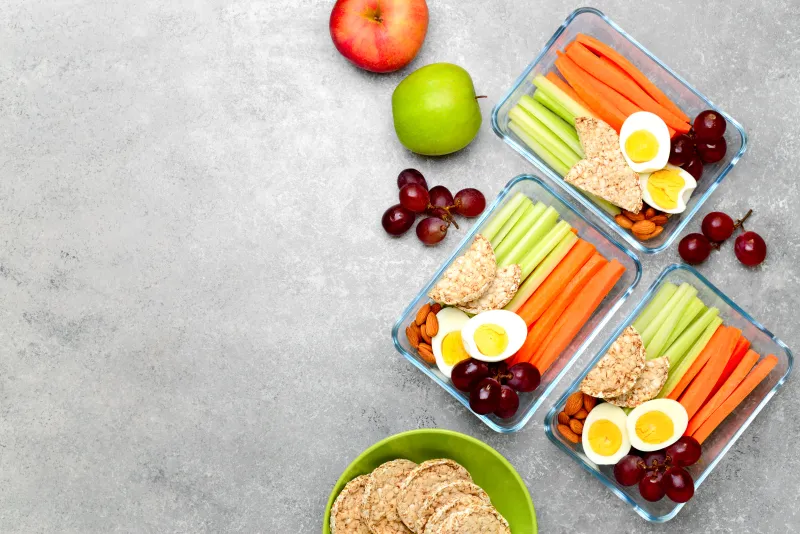
When cravings hit, convenience often wins.
Stock your kitchen, desk, and bag with nutritious options like nuts, fruit, or veggie sticks.
Having these readily available means you're less likely to reach for crisps or biscuits.
Pre-portion snacks into small containers so grabbing something wholesome becomes effortless, helping you maintain energy levels without derailing your goals.
3. Drink Plenty Of Water

Water plays a big role in keeping your body functioning comfortably throughout the day, especially when you’re busy or active.
Thirst can sometimes feel similar to hunger, which makes it easy to snack when what you really need is a drink.
Keeping a refillable bottle nearby makes sipping regularly feel effortless rather than something you forget about.
Staying well hydrated supports digestion, concentration, and everyday energy, helping healthy choices feel much easier to stick with.
4. Eat Regular Meals
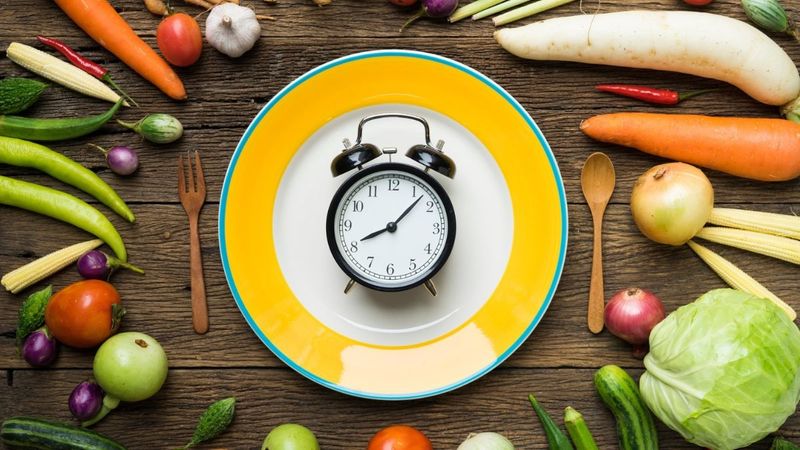
Skipping meals can sound tempting when schedules get hectic, but it often leads to stronger cravings later on.
Spacing meals evenly through the day helps maintain steady energy levels and makes planning food feel more manageable.
When you’re not overly hungry, it’s much easier to choose balanced options instead of grabbing whatever is closest.
A steady routine creates a calmer relationship with food, making healthy habits feel natural rather than forced.
5. Focus On Whole Foods
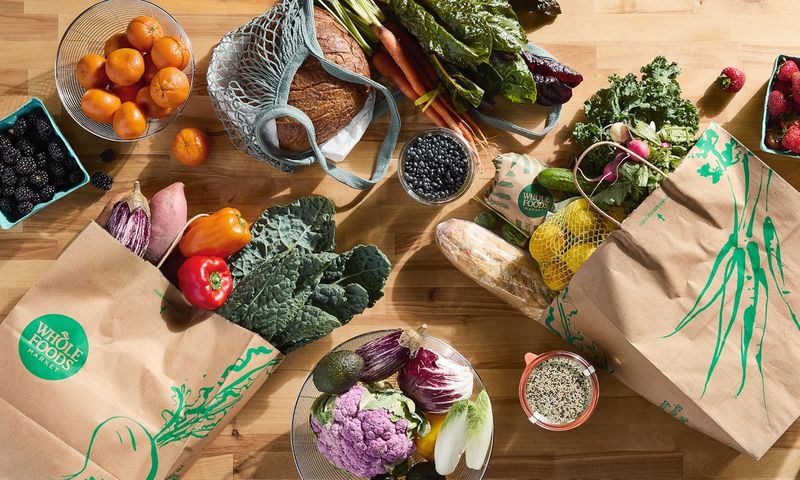
Whole foods come from nature with minimal processing - think vegetables, fruits, whole grains, and lean proteins.
They're packed with vitamins, minerals, and fibre your body craves.
Building meals around these ingredients naturally crowds out less nutritious options.
You'll feel more satisfied and energised whilst supporting long-term health, making it simpler to maintain your commitments without feeling deprived or restricted.
6. Read Food Labels Carefully

Packaging can be deceiving, with health claims masking high sugar or sodium content.
Flip products over and scan the ingredients list and nutrition panel.
Look for items with fewer additives and recognisable ingredients.
Understanding what you're actually eating empowers better decisions at the supermarket, helping you choose foods that truly align with your goals rather than clever marketing messages.
7. Control Portion Sizes
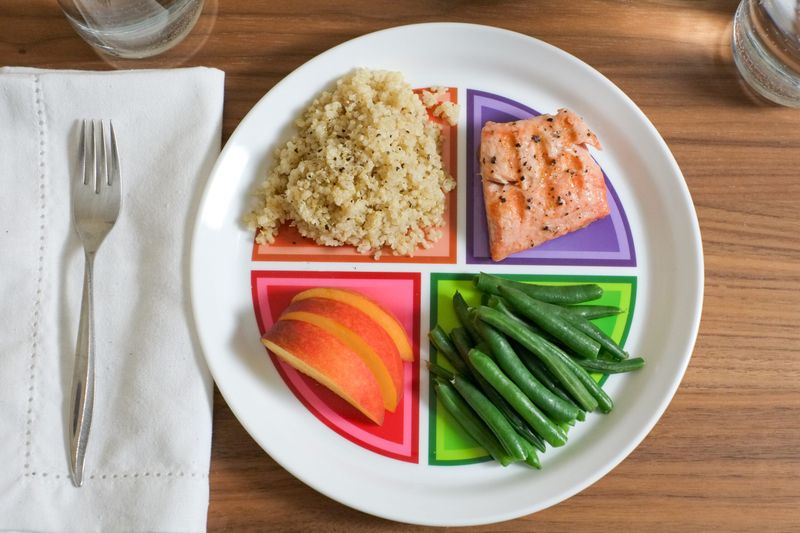
Even nutritious foods can contribute to weight gain when eaten in excessive amounts.
Using smaller plates tricks your brain into feeling satisfied with less.
Measure servings occasionally to recalibrate your sense of appropriate portions.
This awareness prevents mindless overeating whilst still allowing you to enjoy your favourite foods, creating a balanced approach that's sustainable for the long haul.
8. Cook More Meals At Home

Restaurant dishes often contain hidden calories, excessive salt, and unhealthy fats.
Preparing food in your own kitchen gives you complete control over ingredients and cooking methods.
Home cooking doesn't require fancy skills - simple recipes work brilliantly.
You'll save money, develop new abilities, and know exactly what's fuelling your body, making it easier to stay aligned with your nutritional intentions.
9. Shop With A Grocery List

Wandering supermarket aisles without direction leads to impulse purchases of tempting treats.
Before shopping, create a detailed list based on your meal plan.
Stick to it religiously, avoiding detours down the biscuit aisle.
This strategy keeps your trolley filled with nutritious choices whilst protecting your budget, ensuring you have everything needed for healthy eating without unnecessary extras cluttering your cupboards.
10. Avoid Shopping When Hungry

Everything looks irresistible when your stomach's growling.
Hunger clouds judgement, making high-calorie, processed foods seem like brilliant ideas.
Eat a balanced meal or substantial snack before heading to the shops.
You'll make rational choices based on nutrition rather than immediate cravings, filling your basket with foods that support your goals instead of items you'll regret purchasing later.
11. Include Protein With Every Meal
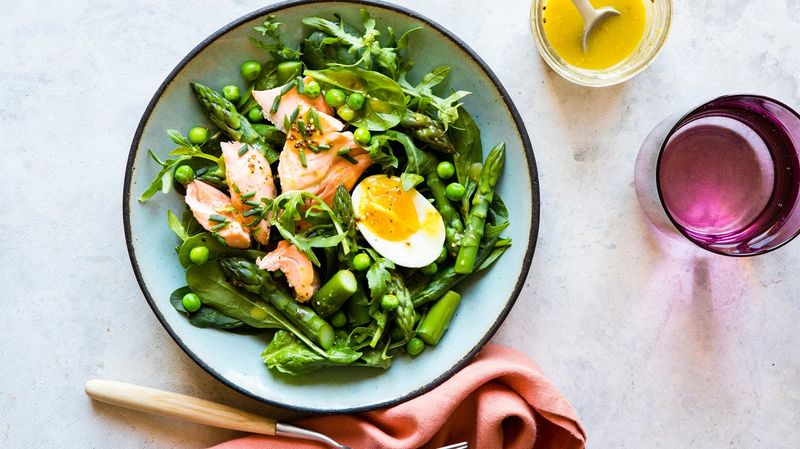
Protein keeps you fuller longer and supports muscle maintenance.
Whether it's eggs at breakfast, chicken at lunch, or beans with dinner, make it a priority.
This macronutrient stabilises blood sugar and reduces between-meal snacking.
You'll experience fewer energy crashes and maintain steady focus throughout the day, making it considerably easier to resist temptations and honour your healthy eating commitments.
12. Add More Vegetables To Plates
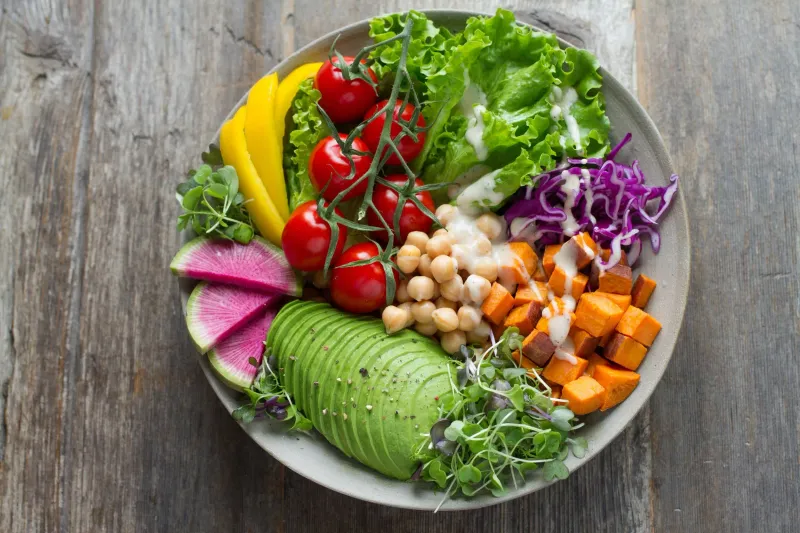
Vegetables deliver essential nutrients with minimal calories, plus they're incredibly filling.
Challenge yourself to fill half your plate with colourful veg at each meal.
Experiment with different preparation methods - roasted, steamed, or raw with hummus.
The variety prevents boredom whilst boosting your vitamin and fibre intake, supporting digestion and overall health without requiring complicated recipes or expensive ingredients.
13. Limit Ultra-Processed Foods
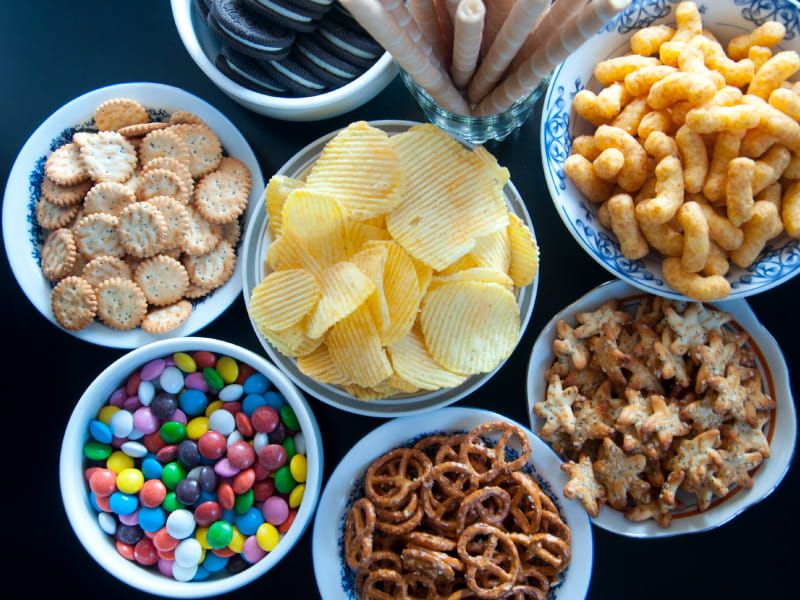
Ultra-processed items like ready meals, sugary cereals, and packaged snacks contain additives that can trigger overeating.
They're engineered for maximum appeal rather than nutrition.
Gradually reduce your reliance on these convenience products.
Swap crisps for popcorn you season yourself, or replace instant noodles with quick stir-fries.
Small changes accumulate, improving how you feel whilst supporting your long-term health objectives.
14. Keep A Consistent Eating Routine

Your body thrives on predictability - eating at similar times daily regulates hunger hormones and improves digestion.
Consistency doesn't mean rigidity - allow some flexibility for special occasions.
However, maintaining a general pattern prevents erratic eating behaviours that derail progress.
You'll find yourself naturally hungry at mealtimes and less prone to impulsive snacking, creating a rhythm that supports your goals effortlessly.
15. Practise Mindful Eating
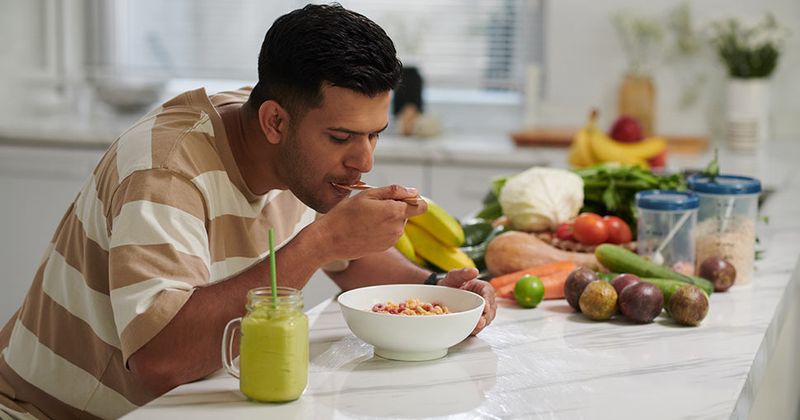
Scarfing down meals whilst watching television or scrolling phones disconnects you from hunger and fullness signals.
Slow down and actually taste your food.
Chew thoroughly, notice textures and flavours, and pause between bites.
This awareness helps you recognise when you're satisfied, preventing overeating.
You'll enjoy meals more whilst naturally consuming appropriate amounts, making healthy eating feel pleasurable rather than restrictive.
16. Allow Occasional Treats In Moderation
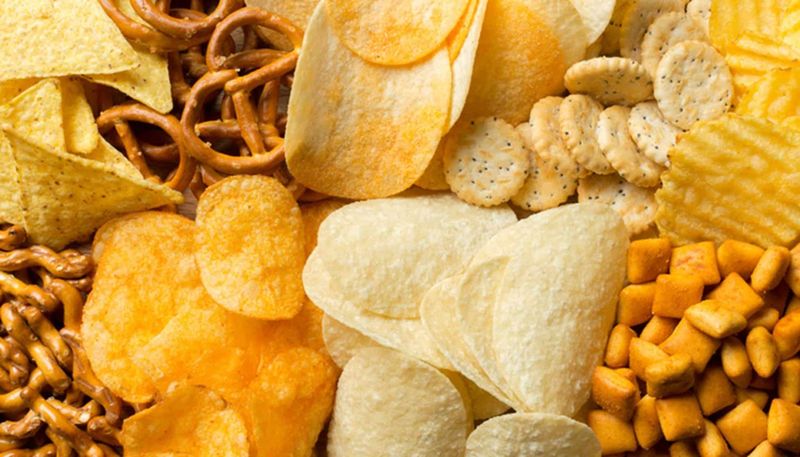
Completely banning favourite foods often leads to feelings of deprivation and eventual binges.
Instead, work treats into your plan occasionally.
Enjoy a small dessert or favourite snack without guilt, savouring every bite.
This balanced approach prevents the all-or-nothing mentality that sabotages so many eating goals, proving you can maintain healthy habits whilst still experiencing life's delicious pleasures in reasonable amounts.
17. Get Enough Sleep

Sleep deprivation disrupts hormones that regulate appetite, increasing cravings for sugary and fatty foods.
Aim for seven to nine hours nightly.
Establish a calming bedtime routine and maintain consistent sleep schedules.
Quality rest supports better food choices throughout the following day, as you'll have the mental clarity and willpower needed to stick with your intentions rather than seeking quick energy from unhealthy options.
18. Stay Physically Active

Regular movement complements healthy eating by boosting metabolism and improving mood.
You don't need intense workouts - even daily walks make a difference.
Physical activity helps regulate appetite and reduces stress-related eating.
When you're caring for your body through exercise, you're naturally motivated to fuel it properly, creating a positive cycle where healthy habits reinforce each other and become increasingly automatic.
19. Track Progress In Simple Ways

Monitoring your journey doesn't require complicated apps or obsessive counting.
Keep a basic food journal or take weekly photos of typical meals.
Notice how you feel - energy levels, mood, sleep quality.
These observations reveal patterns and celebrate progress beyond the scale.
Simple tracking provides accountability whilst helping you identify what works best for your unique body and lifestyle, refining your approach over time.
20. Be Patient And Consistent

Lasting change happens gradually, not overnight.
Some days will feel easier than others, and occasional slip-ups are completely normal.
What matters is getting back on track without harsh self-criticism.
Focus on building sustainable habits rather than seeking perfection.
Consistency over time produces remarkable results, transforming healthy eating from a temporary resolution into a natural, enjoyable part of your everyday life.



