













Bread has been part of human diets for thousands of years, developing alongside farming, trade, and regional cooking traditions.
From crusty loaves baked in European ovens to soft flatbreads cooked on hot griddles across Asia and the Middle East, each style reflects local ingredients, climate, and everyday eating habits.
These breads are valued not only for flavour and texture, but also for how they fit into daily meals, celebrations, and family routines.
Looking at different bread traditions offers a simple way to understand how food connects people across cultures.
All information is provided for general interest only.
Taste, appearance, and availability may vary by region and personal preference.
Photos are for illustrative purposes only.
1. French Baguette
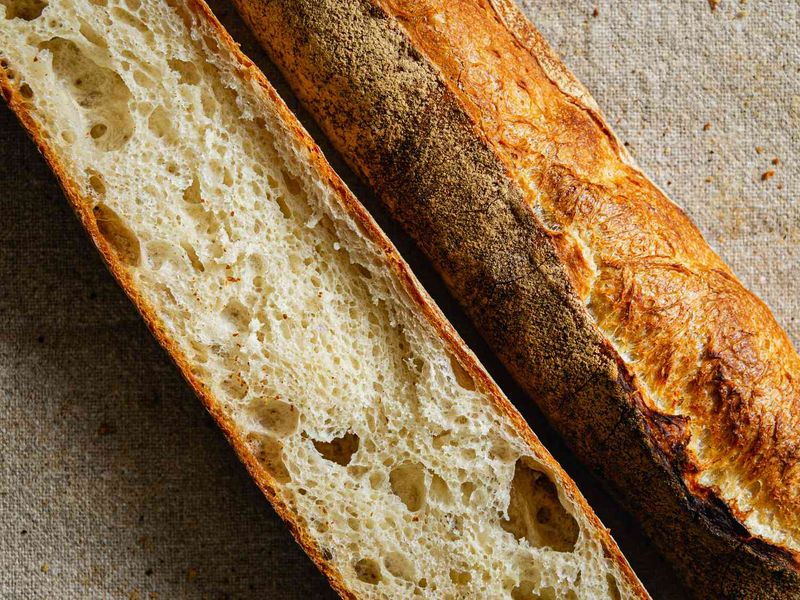
Picture this: a long, golden stick with a crust so crispy it crackles when you squeeze it.
That's the magic of a proper French baguette.
Inside, you'll find an airy, almost cloud-like texture with irregular holes that soak up butter like a dream.
The French take their baguettes seriously – there are even laws about what can be called a traditional baguette.
Best enjoyed fresh from the bakery, ideally still warm, torn apart with your hands rather than sliced.
Pair it with cheese, jam, or simply good salted butter for breakfast perfection.
2. Traditional Sourdough
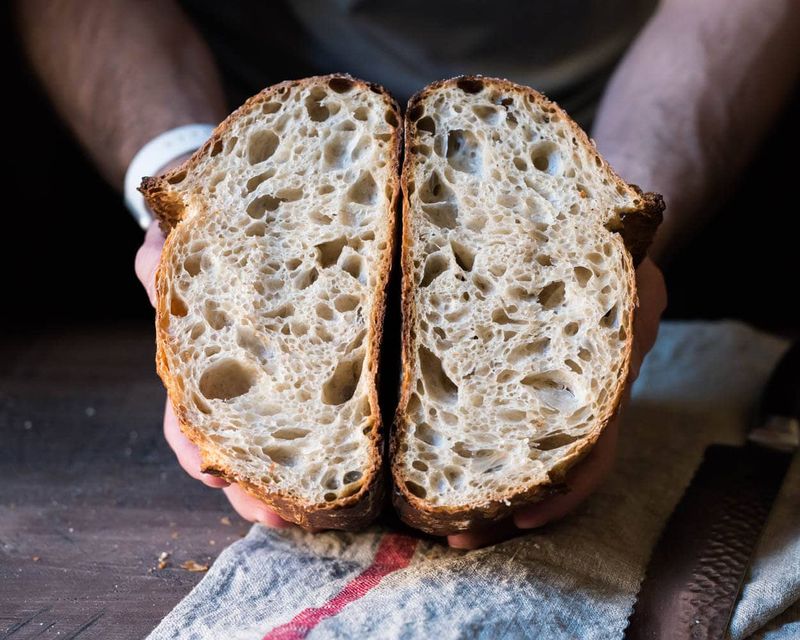
Sourdough is the hipster of the bread world, but it earned its trendy status honestly.
Made with wild yeast and bacteria instead of commercial yeast, it develops a tangy flavour that's utterly addictive.
The fermentation process takes days, not hours, which gives the bread its characteristic chewy texture and those gorgeous air pockets.
Plus, many people find it easier to digest than regular bread.
That thick, crackling crust and sour kick make it brilliant for everything from morning toast to mopping up soup.
3. Italian Focaccia
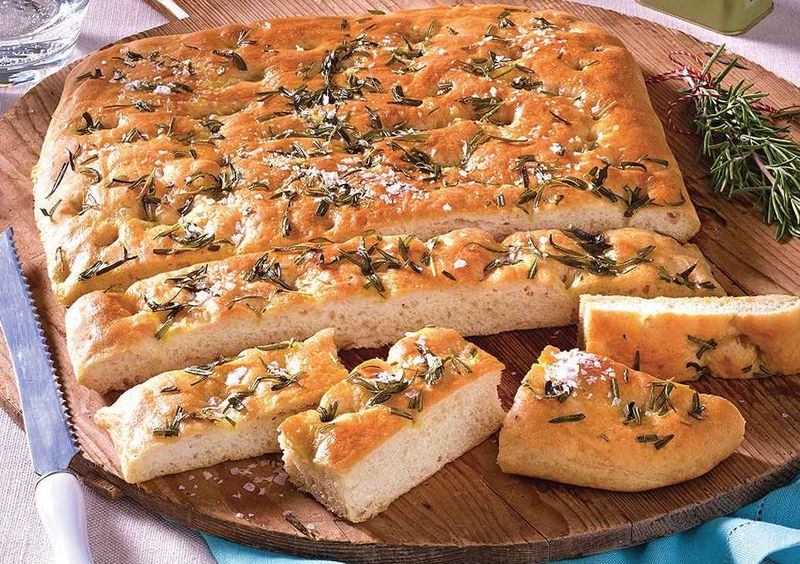
Focaccia is basically pizza's fluffier, more easygoing cousin.
This Italian flatbread gets poked all over before baking, creating little dimples that collect pools of olive oil and whatever toppings you fancy.
Rosemary and sea salt are the classic combo, but cherry tomatoes, olives, or caramelised onions work beautifully too.
The texture sits somewhere between bread and cake – soft, pillowy, and ridiculously moreish.
Brilliant on its own, even better as a sandwich base, and absolutely perfect for dunking in balsamic vinegar.
4. Ciabatta Bread
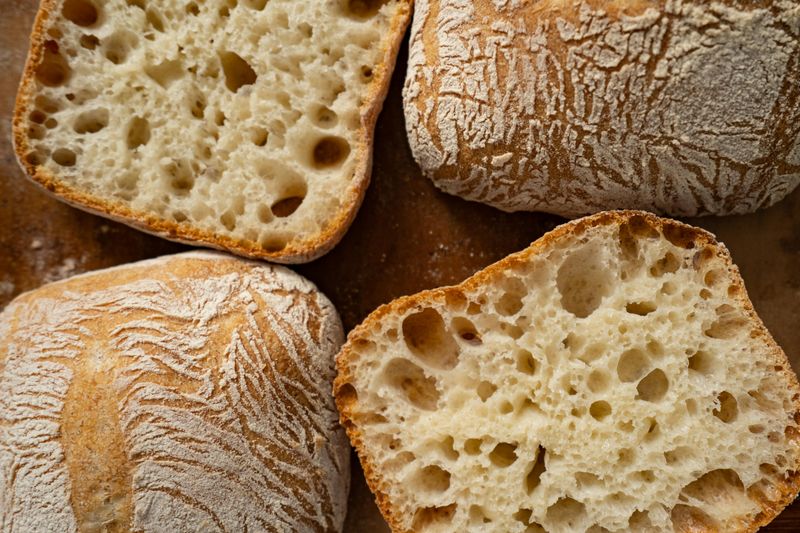
Don't let the name fool you – ciabatta means "slipper" in Italian, named for its flat, elongated shape.
Created in the 1980s as Italy's answer to the French baguette, it quickly became a sandwich superstar.
The crust is thin and crispy, whilst the inside boasts massive, irregular holes perfect for soaking up olive oil or sandwich fillings.
That open crumb structure comes from a very wet dough that's tricky to handle.
Brilliant for paninis or simply grilled with garlic butter.
5. Naan Flatbread
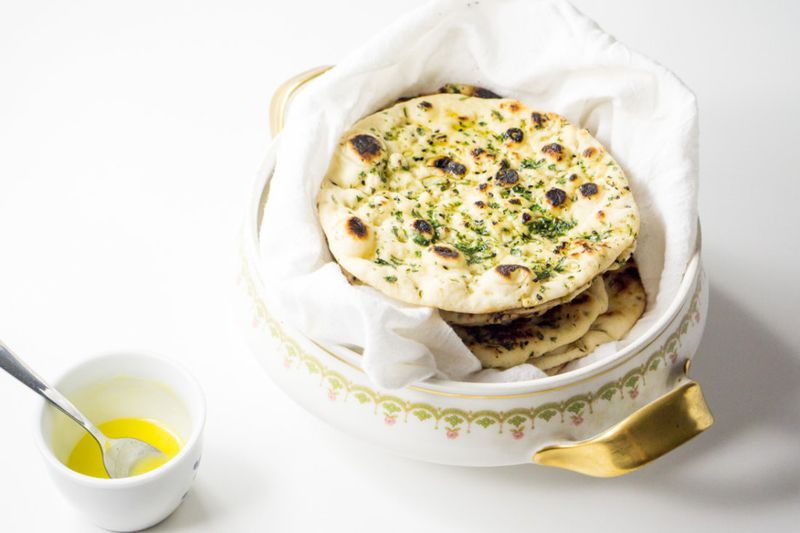
Straight from the blazing heat of a tandoor oven comes naan, India's beloved flatbread that's soft, pillowy, and slightly charred in all the right places.
Those black blistered spots aren't burnt – they're flavour bombs.
Traditional naan uses yoghurt in the dough, giving it a subtle tang and incredibly tender texture.
Garlic naan, brushed with butter and sprinkled with fresh garlic, is possibly one of humanity's greatest achievements.
Perfect for scooping up curry, wrapping round kebabs, or honestly just eating straight from the basket.
6. Pita Bread
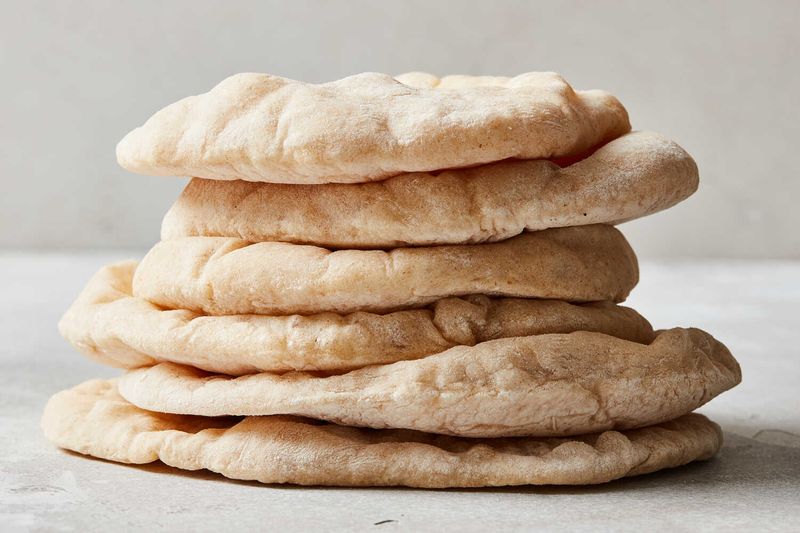
Pita is the bread that does a magic trick – it puffs up like a balloon in the oven, creating a perfect pocket for stuffing.
This Middle Eastern staple has been around for thousands of years, and it's easy to see why.
The high heat causes steam to separate the layers, forming that handy pouch that holds falafel, kebabs, or salad without falling apart.
Soft yet sturdy, it's the ultimate edible plate.
Also brilliant torn up and toasted into crispy chips for hummus dunking.
7. Rye Bread
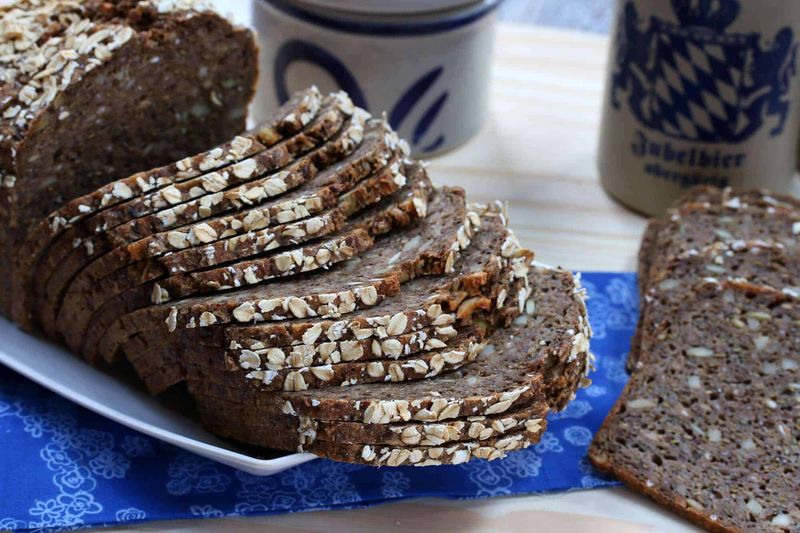
Rye bread is the serious, sophisticated type that doesn't mess about.
Popular across Northern and Eastern Europe, it ranges from light to almost black, depending on how much rye flour is used.
The flavour is earthy, slightly sour, and wonderfully complex – nothing like the fluffy white stuff.
Caraway seeds often make an appearance, adding a warm, aromatic note.
Dense and hearty, a single slice keeps you satisfied for hours.
Brilliant topped with smoked salmon, pickled herring, or sharp cheese.
8. Irish Soda Bread
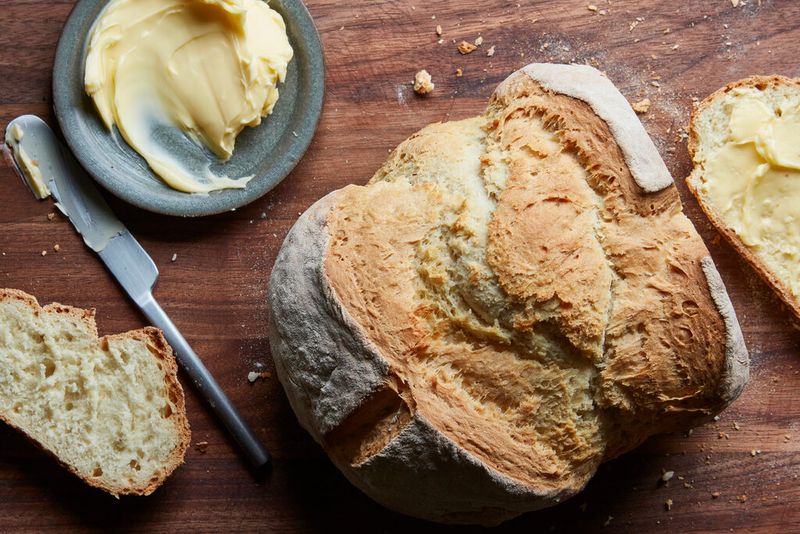
When you're short on time but craving fresh bread, Irish soda bread comes to the rescue.
No yeast, no kneading, no waiting around for hours – just mix, shape, and bake.
Bicarbonate of soda reacts with buttermilk to make it rise, giving a slightly tangy flavour and wonderfully crumbly texture.
The traditional cross cut on top isn't just decorative – it helps the bread cook evenly and, according to folklore, lets the fairies out.
Gorgeous warm with butter and jam for afternoon tea.
9. Challah Bread

With its gorgeous braided shape and shiny golden crust, challah looks like bread dressed up for a party.
This traditional Jewish bread graces Sabbath and holiday tables, and one bite explains why it's celebrated.
Enriched with eggs and a touch of honey, it's slightly sweet, incredibly soft, and pulls apart in tender, fluffy strands.
The braiding isn't just pretty – it symbolises love, truth, and peace intertwined.
Makes absolutely spectacular French toast the next day, if there's any left.
10. Corn Tortilla
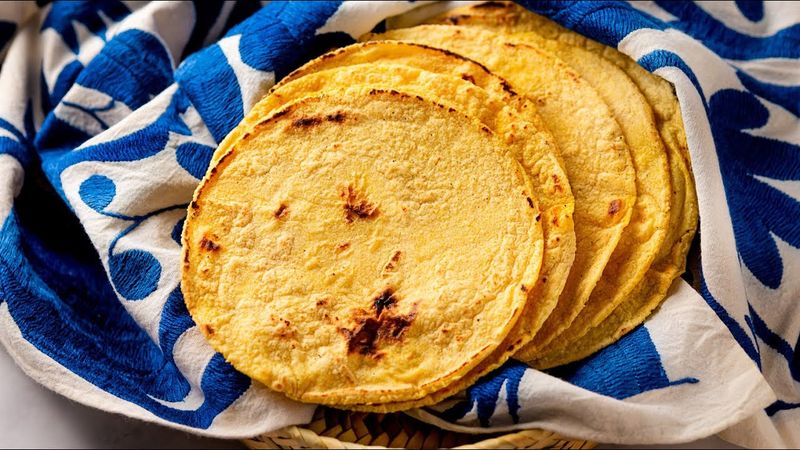
Corn tortillas are ancient – we're talking thousands of years old, predating wheat bread in the Americas by ages.
Made from masa (nixtamalised corn dough), they have a distinctive earthy, slightly sweet flavour that's worlds apart from flour tortillas.
Proper ones are cooked on a hot griddle until they get those characteristic brown spots and a bit of char.
They're gluten-free naturally, which is a bonus.
Essential for authentic tacos, brilliant fried into crispy chips, or simply warmed and buttered.



