













Winter often brings a renewed appreciation for traditional British restaurants, where warm interiors and familiar dishes suit the colder months.
As daylight shortens and temperatures drop, these dining rooms offer a sense of comfort built around seasonal cooking and long-established menus.
Many of these restaurants come into their own during winter, when slow-cooked dishes, rich sauces, and classic puddings feel most fitting.
Whether located in city centres or rural settings, they reflect a style of British dining shaped by season and setting.
These restaurants highlight how traditional cooking continues to feel relevant and appealing during the winter months.
All information is provided for general interest only.
Menus, opening hours, and availability may vary by location and season.
Photos are for illustrative purposes only.
1. Rules
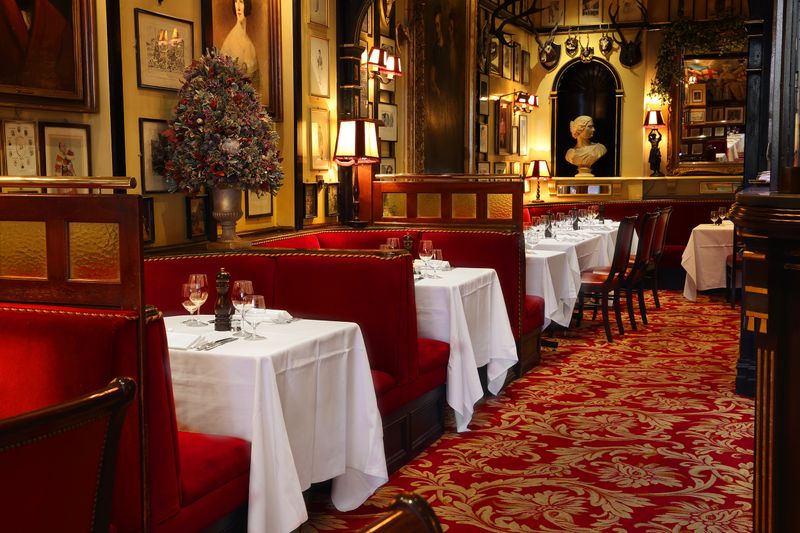
Covent Garden's oldest restaurant has been feeding Londoners since 1798, and its Georgian charm feels especially magical when winter winds howl outside.
The upstairs dining room glows with soft lighting that bounces off butter-yellow walls, whilst downstairs the original vaulted ceilings create an intimate hideaway perfect for lingering over a long lunch.
Game season brings out the best of the menu here – think venison, partridge, and wild duck prepared with a lightness that respects tradition without feeling stuffy.
The staff know their regulars by name, creating that rare mix of formality and genuine warmth.
2. Wiltons
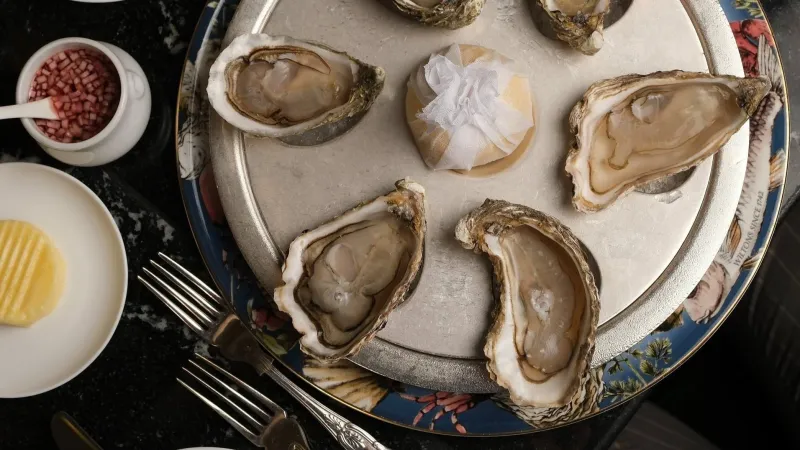
Jermyn Street's most distinguished address since 1742 specializes in the kind of cooking that never goes out of style because it never chased fashion in the first place.
Oysters arrive ice-cold and briny, whilst roasted grouse comes perfectly pink, served with all the proper trimmings on Wedgwood china.
The wood-paneled rooms whisper of old money and political intrigue, yet the atmosphere never tips into stuffiness – just proper, confident hospitality that's been perfected over nearly three centuries.
Winter game season showcases their kitchen at absolute peak performance.
3. The Ivy
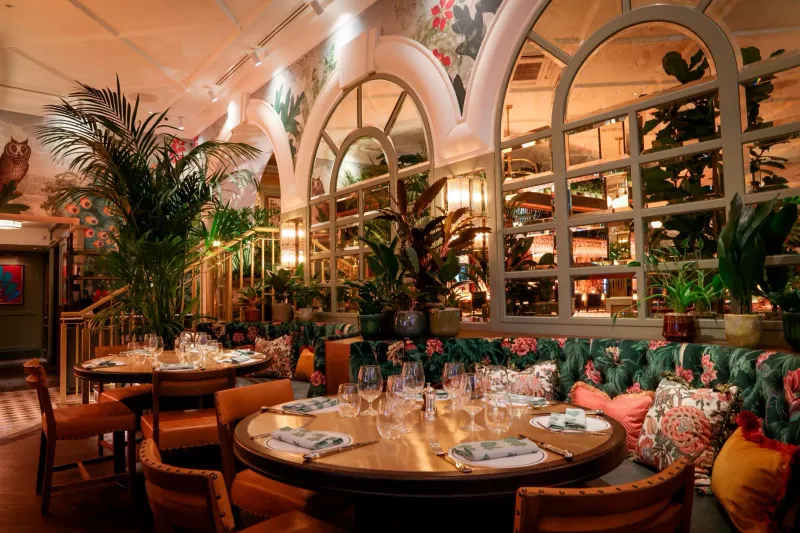
Behind those famous stained-glass windows on West Street sits a dining room that's hosted everyone from royalty to rock stars since 1917.
Winter at The Ivy means shepherd's pie elevated to an art form, and fish cakes so perfectly golden they could make a grown person weep with joy.
The art deco interior – all dark wood and jewel-toned leather – feels like stepping into a glamorous time capsule where the outside world's troubles can't quite reach you.
Booking remains notoriously tricky, but that's half the appeal, isn't it?
4. The Hawthorn
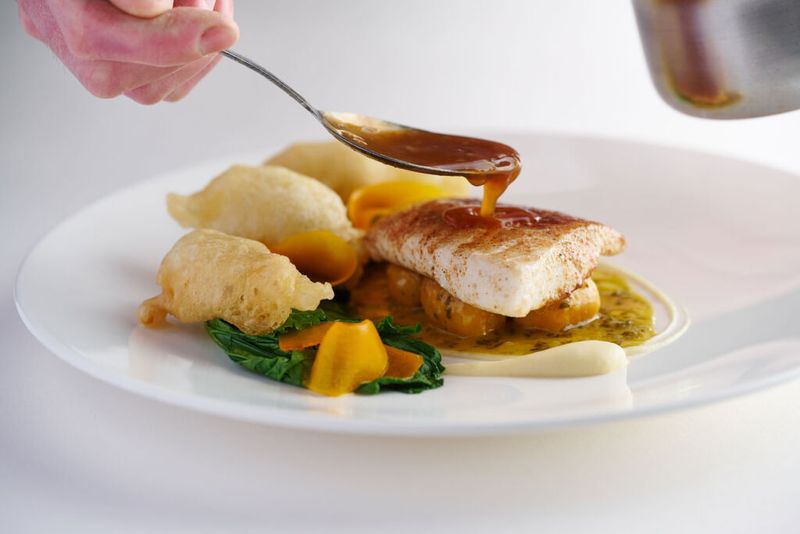
Tucked inside a Cotswolds manor house, this restaurant proves that British cooking can be both deeply traditional and thrillingly inventive.
Chef Aaron Potter sources obsessively from nearby farms, transforming root vegetables and heritage grains into dishes that taste simultaneously ancient and completely new.
The dining room strikes that difficult balance between formal and comfortable – you'll want to dress nicely, but you won't feel like you're dining in a museum.
Winter tasting menus here read like a tour through Britain's agricultural heritage, reimagined with serious technical skill.
5. The Sportsman
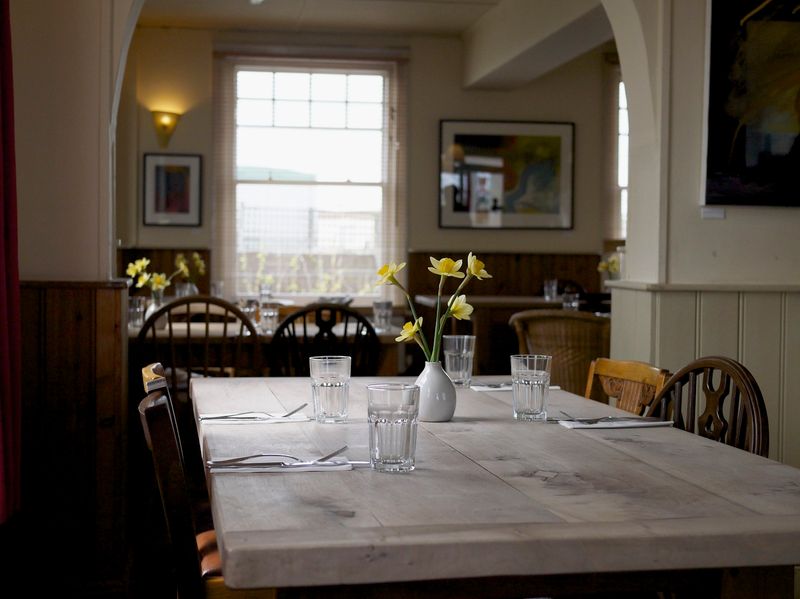
This weather-beaten pub on the Kent marshes looks like it might blow into the sea during a proper winter gale, yet inside, magic happens daily.
Chef Stephen Harris forages from the surrounding landscape and catches seafood practically from the doorstep, creating a menu that changes with whatever nature provides.
The slip sole – caught locally and cooked in brown butter – has achieved legendary status among food lovers who make pilgrimages here.
Don't expect fancy décor; the genius lives entirely on the plate and in the remarkable value for Michelin-starred cooking.
6. The Hand & Flowers
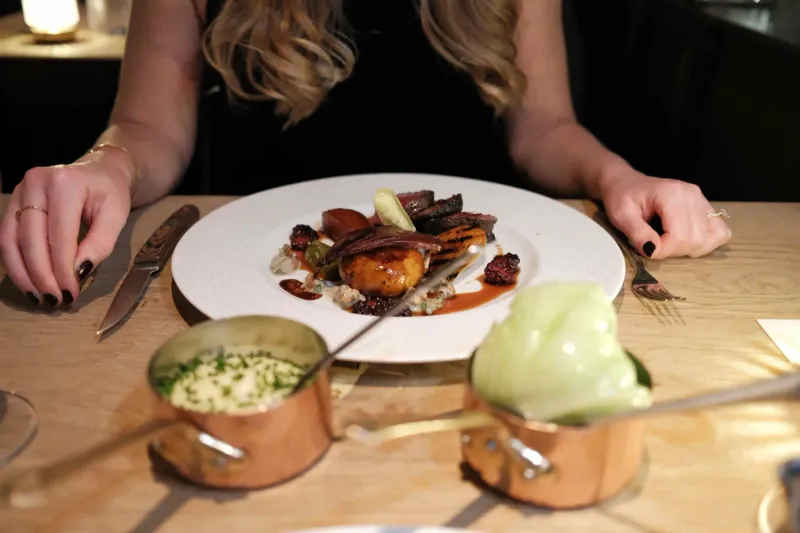
Tom Kerridge transformed this Marlow pub into Britain's only two-Michelin-starred pub, yet somehow it still feels like a proper local where you could pop in for lunch.
The duck fat chips alone justify the drive from London, whilst the slow-cooked lamb shoulder could convert the staunchest vegetarian.
Winter here means rich, deeply flavored dishes that celebrate British ingredients without pretension – just brilliant cooking served in rooms that maintain their pubby charm despite all the accolades.
Book months ahead; this place is permanently rammed for good reason.
7. The Nut Tree Inn
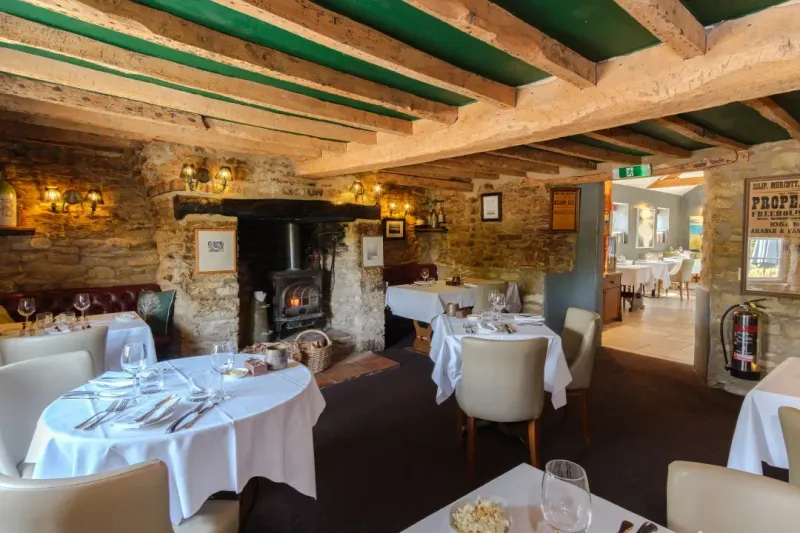
This thatched Oxfordshire inn manages to feel both utterly timeless and gently contemporary – a trick few restaurants pull off successfully.
The menu changes constantly based on what's actually good right now, not what some corporate calendar dictates, meaning winter brings game, roots, and preserved autumn flavors working in harmony.
Chef Mike North trained under some serious culinary heavyweights, yet his cooking here never shows off – it simply showcases ingredients at their absolute best.
The sort of place that makes you understand why people move to the countryside.
8. The Loch Bay Restaurant
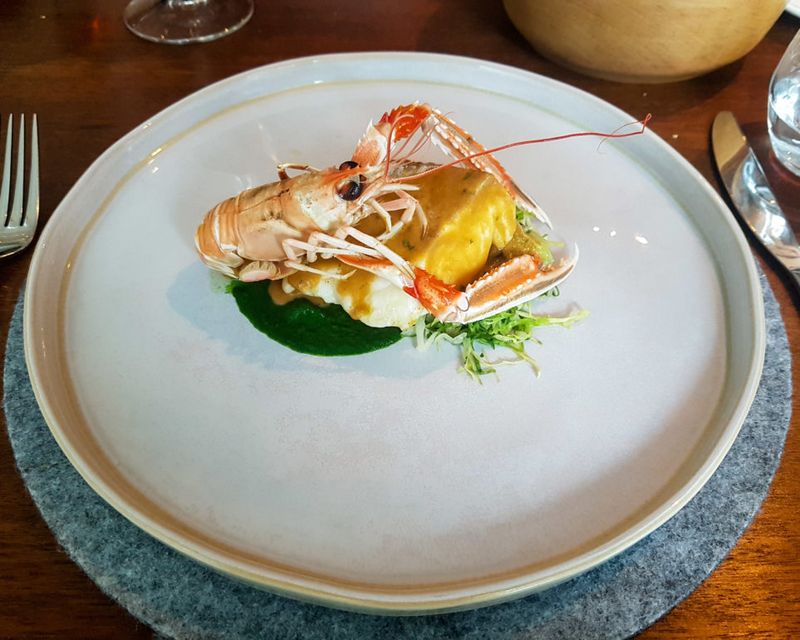
On the Isle of Skye's wild western edge, this tiny restaurant serves some of Scotland's finest seafood whilst winter storms rage outside the windows.
Chef Michael Smith works with whatever the local boats bring in – langoustines so sweet they barely need cooking, scallops the size of your palm, and fish so fresh it arrived swimming that morning.
The dining room holds maybe a dozen people, creating an intimacy that feels more like dining in someone's brilliant home than a restaurant.
Getting here requires commitment, but that journey becomes part of the experience.
9. The Star Inn At Harome
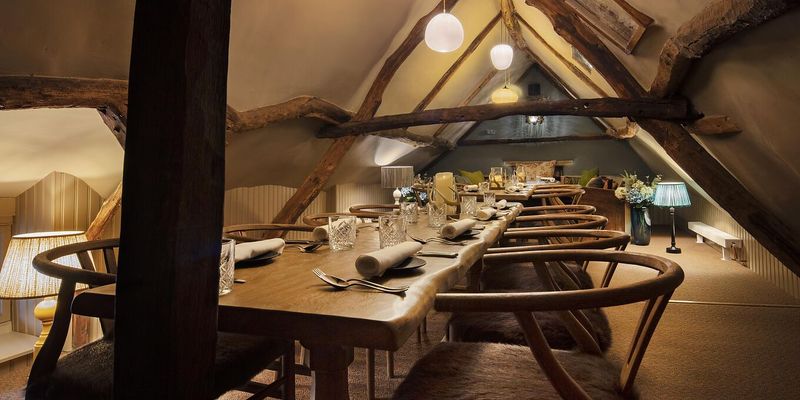
Andrew Pern's North Yorkshire institution proves that proper British cooking never went away – we just stopped paying attention for a while.
This fourteenth-century thatched inn serves food that's simultaneously cutting-edge and deeply rooted in Yorkshire tradition, with ingredients sourced from the surrounding moors and dales.
Winter means game from local estates, vegetables from kitchen gardens that have fed this village for generations, and puddings that'll have you loosening your belt without a shred of regret.
The low-beamed rooms glow with warmth that's both literal and metaphorical.



