











Fibre is often talked about, yet quietly overlooked when it comes to everyday food choices.
Many commonly available foods contain plenty of it, but they do not always make it onto regular shopping lists.
Taking a closer look at these options can make meals feel more balanced without feeling restrictive.
All information is provided for general interest only and should not be considered nutritional or medical advice. Dietary needs vary between individuals, and fibre tolerance can differ depending on health and lifestyle. Consult a qualified healthcare professional for personalised advice.
1. Lentils
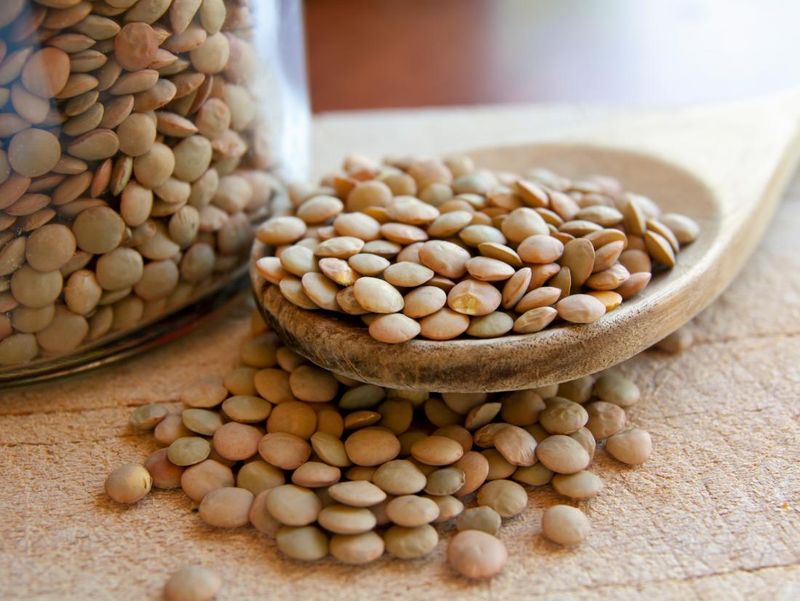
Lentils are naturally rich in fibre and are often highlighted as one of the most fibre-dense plant foods.
A cooked serving provides a substantial amount, making them a reliable choice for boosting daily fibre intake.
They cook quickly, soak up flavours beautifully, and fit easily into soups, curries, and salads.
Affordable and easy to store, lentils make it simple to eat more fibre without overthinking meal planning.
2. Chickpeas
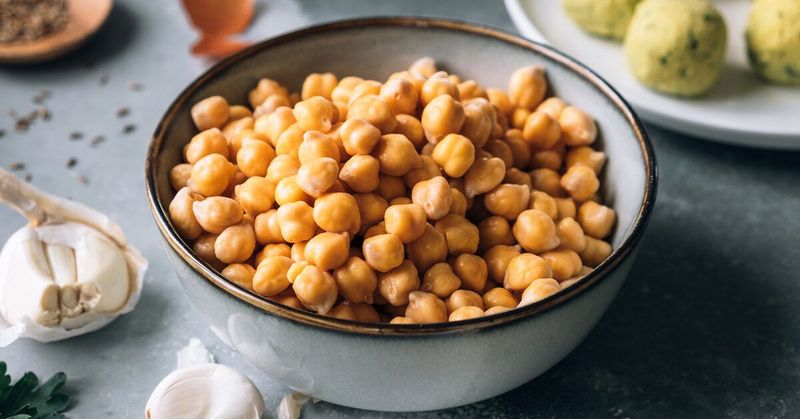
Ever wondered why hummus feels so satisfying? Chickpeas deliver around 12 grams of fibre per cup, keeping you fuller for longer.
These versatile legumes transform beautifully whether roasted for a crunchy snack or mashed into dips.
Toss them into salads for extra texture, or simmer them in warming stews.
Their slightly nutty taste pairs wonderfully with Mediterranean and Indian spices, making them endlessly adaptable for creative home cooks.
3. Butter Beans
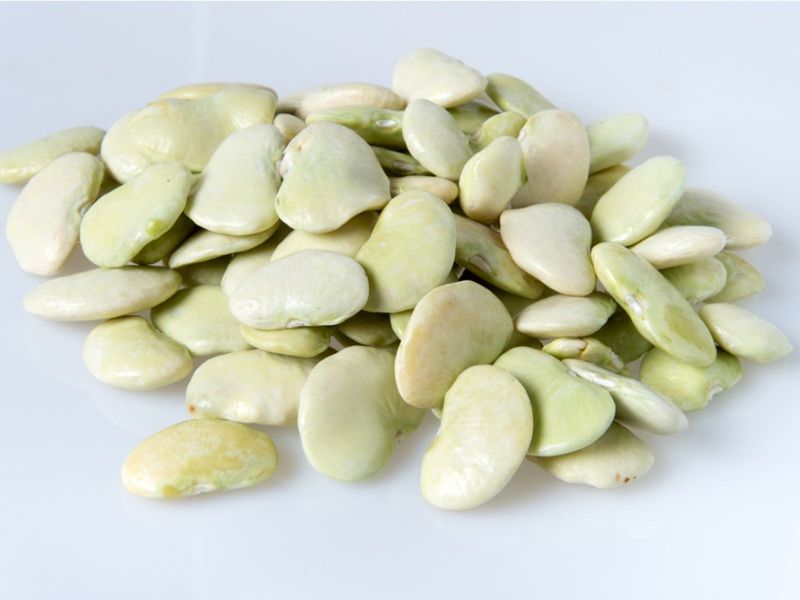
With their buttery texture and mild flavour, these large, flat beans offer about 7 grams of fibre per cooked cup.
Butter beans melt beautifully into tomato-based sauces, creating a comforting, hearty meal without much effort.
They're brilliant mashed onto toast with garlic and herbs, or simply warmed through with olive oil and lemon.
Many Britons overlook them, but they're genuinely one of the easiest ways to boost your fibre intake deliciously.
4. Wholegrain Rye
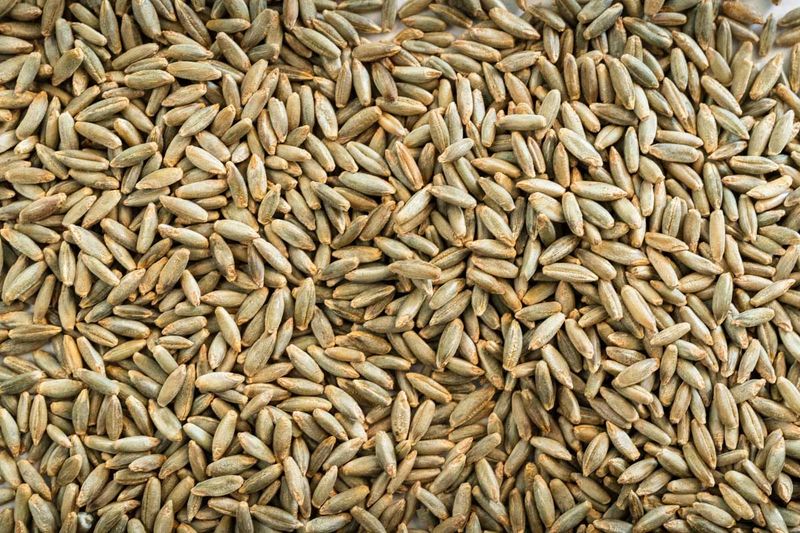
Dark, dense, and seriously satisfying, wholegrain rye bread contains roughly 6 grams of fibre per two-slice serving.
Its rich, slightly sour flavour makes it perfect for open-faced sandwiches topped with cheese, pickles, or smoked fish.
Rye keeps you feeling full much longer than white bread, thanks to its impressive fibre content.
Swap your usual sandwich loaf for rye a few times weekly, and you'll notice the difference in your energy levels.
5. Oats
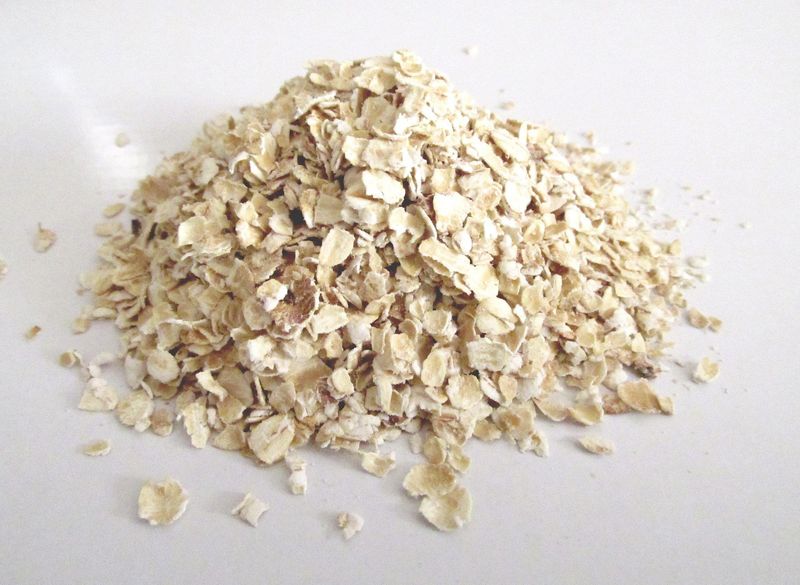
A steaming bowl of porridge isn't just comforting - it's loaded with about 4 grams of fibre per serving.
Oats contain a special type of fibre called beta-glucan, which helps lower cholesterol and supports heart health.
Whether you prefer them cooked traditionally on the hob or soaked overnight, oats are brilliantly versatile.
Stir in fruits, nuts, or a drizzle of honey, and you've got a breakfast that'll power you through the morning effortlessly.
6. Barley
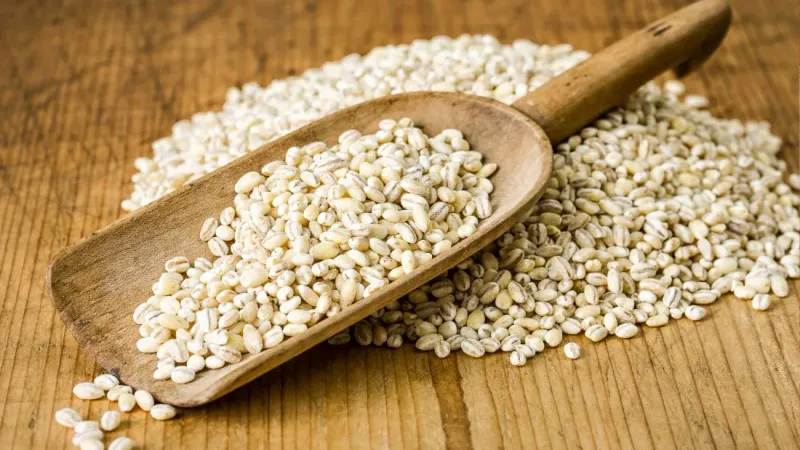
Often forgotten in modern kitchens, barley packs an impressive 6 grams of fibre per cooked cup.
Its chewy texture and nutty taste make it fantastic in soups, stews, and even risotto-style dishes.
Pearl barley cooks relatively quickly and absorbs flavours wonderfully, turning simple broths into filling meals.
Try adding it to vegetable soups or using it as a base for grain salads - it's a proper old-fashioned ingredient that deserves a comeback.
7. Brussels Sprouts
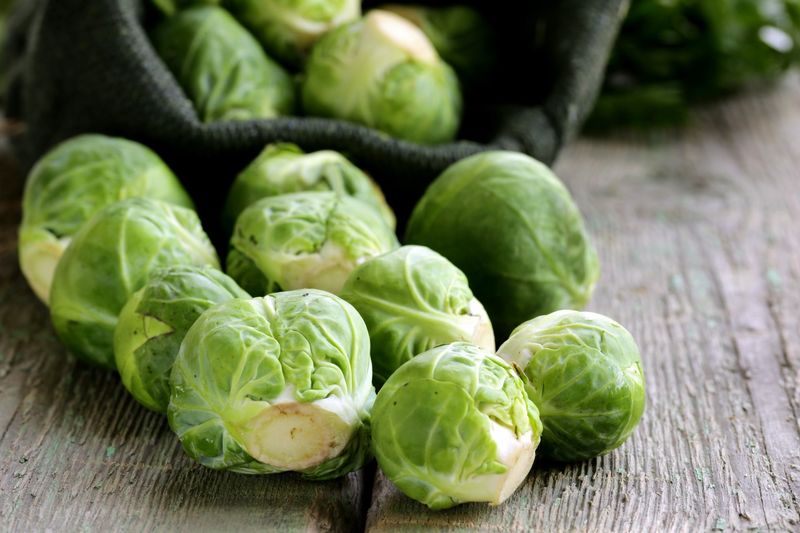
These mini cabbages get a bad reputation, but roasting them changes everything.
Brussels sprouts provide around 4 grams of fibre per cooked cup, plus loads of vitamins and antioxidants.
Halve them, toss with olive oil and seasoning, then roast until the edges turn crispy and caramelised.
The result is sweet, nutty, and absolutely nothing like the boiled-to-mush version you might remember from childhood dinners - honestly, give them another chance!
8. Cabbage
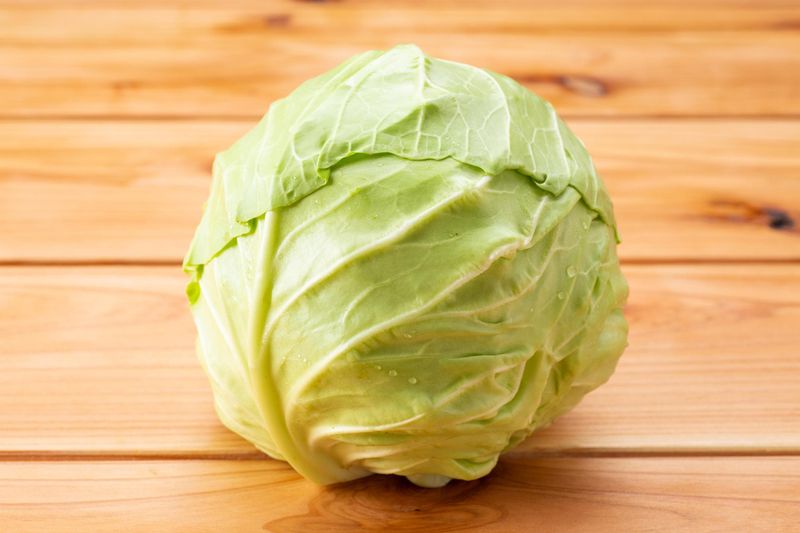
Affordable, long-lasting, and surprisingly fibre-rich at 2 grams per cup when raw, cabbage is a kitchen workhorse.
Shred it raw into colourful slaws, braise it slowly with apples and spices, or stuff whole leaves with savoury fillings.
Red cabbage adds gorgeous colour to any plate, whilst the green variety works brilliantly in stir-fries.
It's one of those vegetables that lasts for weeks in the fridge, making healthy eating wonderfully convenient and economical.
9. Raspberries
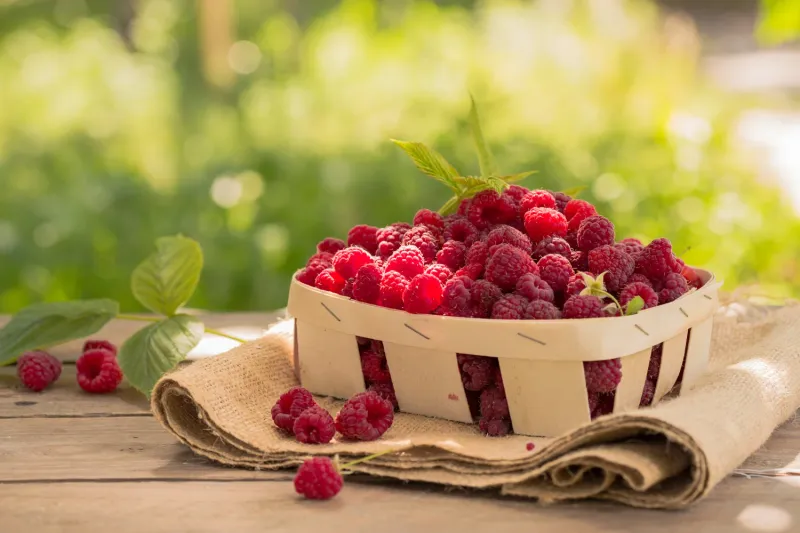
Sweet, juicy, and boasting 8 grams of fibre per cup, raspberries are fibre champions amongst fruits.
They're brilliant stirred into yoghurt, scattered over porridge, or simply enjoyed by the handful as a naturally sweet treat.
Fresh raspberries can be pricey, but frozen ones work just as well nutritionally and cost much less.
They also contain powerful antioxidants that support overall health, making them a delicious way to meet your daily fibre goals without any fuss.
10. Chia Seeds
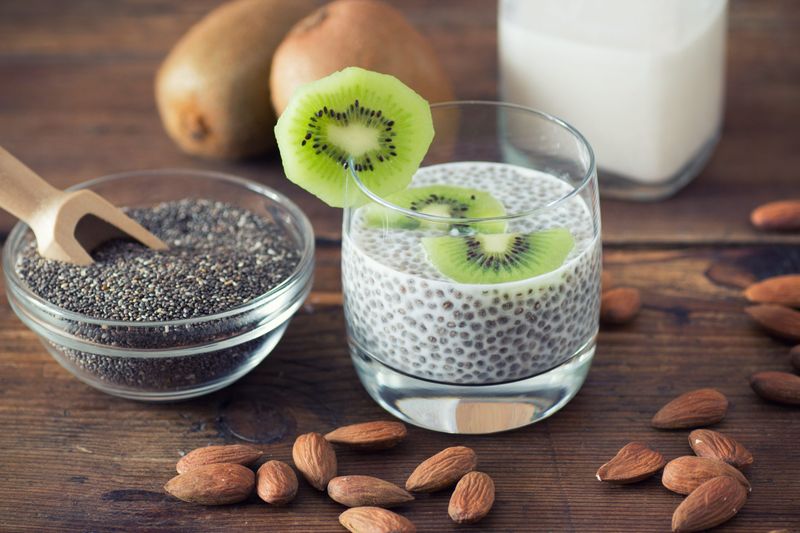
Don't let their tiny size fool you - just two tablespoons of chia seeds deliver a whopping 10 grams of fibre.
These little seeds absorb liquid and form a gel-like texture, making them perfect for puddings, smoothies, and porridge toppings.
Soak them overnight in milk or plant-based alternatives, then top with fruit and nuts for an effortless breakfast.
They're flavourless, so they won't interfere with your favourite recipes whilst quietly boosting your fibre intake significantly.