













There’s something almost magical about the old tradition of making Christmas pudding completely by hand, long before ready-made versions lined supermarket shelves.
Families once gathered to stir, steam, and wait patiently, filling the house with warm, spiced aromas that lingered for days.
Today, the process can feel a bit mysterious, but understanding how it was done brings back the rhythm and anticipation that made the season feel so special.
This article is for cultural and culinary interest. Recipes, techniques, and ingredients vary depending on family traditions and regional differences, and results may look or taste slightly different from modern shop-bought puddings.
The Tradition Behind Christmas Pudding
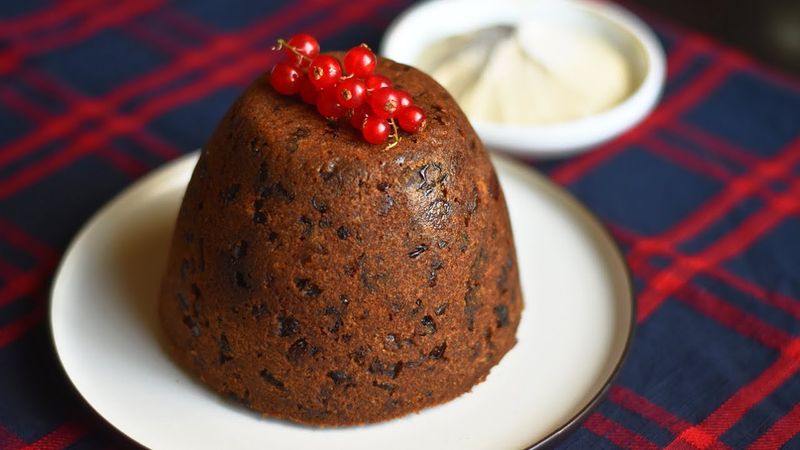
Victorian families would gather on Stir-up Sunday, the last Sunday before Advent, to prepare their Christmas puddings together.
Each family member took turns stirring the mixture from east to west, representing the journey of the Three Wise Men.
Hidden silver coins were often tucked inside, bringing good fortune to whoever found them in their slice.
The pudding would then mature for weeks, developing deep, complex flavours that shop versions simply cannot match.
This ritual created anticipation and excitement that lasted throughout December, making Christmas Day even more meaningful.
Essential Ingredients And Tools
Gathering your ingredients feels like treasure hunting through your pantry.
You will need dried fruits like raisins, sultanas, and currants, plus candied peel for sweetness and texture.
Suet provides the pudding's characteristic richness, whilst dark brown sugar and black treacle add depth and colour.
Breadcrumbs, flour, and eggs bind everything together beautifully.
For equipment, a proper pudding basin with a lid proves essential, along with greaseproof paper, string, and a large pot for steaming.
These simple tools have remained unchanged for generations.
Preparing And Mixing The Batter
Mixing Christmas pudding batter requires patience and a bit of muscle.
Start by combining your dried fruits with the sugar, spices, and grated suet in your largest mixing bowl.
Crack in the eggs and add the breadcrumbs, then stir everything clockwise whilst making a wish.
The mixture should feel thick and heavy, clinging to your spoon with satisfying weight.
Many families invite everyone to stir, even young children, creating shared memories.
The batter should rest overnight, allowing flavours to mingle before steaming begins.
The Steaming And Storing Process
Steaming transforms your mixture into proper Christmas pudding magic.
Pack the batter firmly into your greased basin, leaving space at the top for expansion during cooking.
Cover with greaseproof paper and foil, securing tightly with string to create a waterproof seal.
Place the basin in a large pot with boiling water reaching halfway up its sides.
Steam for six to eight hours, topping up water regularly.
Once cooled, store your pudding in a cool, dark cupboard, feeding it occasionally with a spoonful of juice to keep it moist.
Why The Tradition Is Worth Remembering
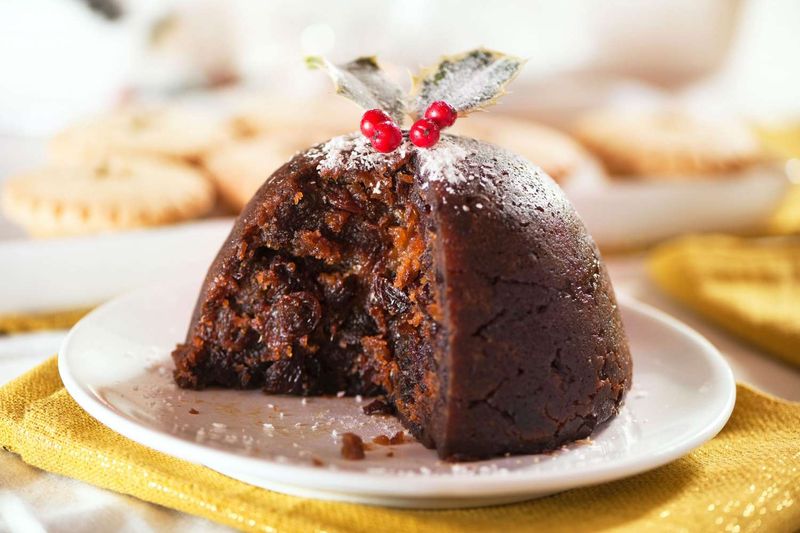
Making Christmas pudding from scratch wasn’t just about the recipe; it was about slowing down and sharing a moment that felt special.
The stirring, the waiting, and the wonderful scents filling the kitchen created a sense of togetherness that shop-bought versions can never quite replace.
Even if many families no longer make it this way, the memory of the process lives on in stories and handed-down techniques.
Bringing back even part of the tradition can feel like reclaiming a small piece of warmth from Christmas past.



