











As the body changes with age, nutritional needs and eating habits often need gentle adjustment.
In your 60s, small, considered changes to everyday meals can support energy levels, strength, and overall wellbeing without requiring major disruption.
Focusing on practical tweaks that fit naturally into daily routines can make eating feel more supportive and sustainable over time.
All information is provided for general interest only and is not intended as medical or dietary advice.
Individual needs and health circumstances vary, and guidance from a qualified healthcare professional may be helpful.
Photos are for illustrative purposes only.
1. Prioritising Protein At Every Meal
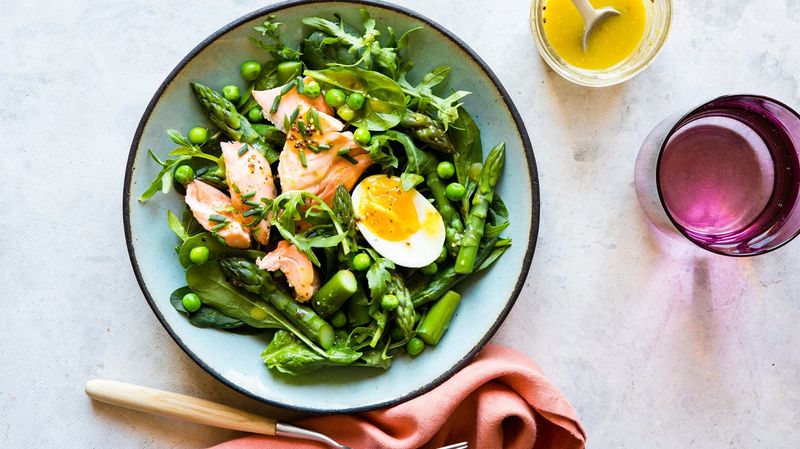
Muscle mass naturally declines after 50, which can leave you feeling weaker and more tired than you'd like.
Eating enough protein at breakfast, lunch, and dinner helps your body hold onto that precious muscle and keeps your strength up.
Think lean chicken, fish, beans, lentils, eggs, or a dollop of Greek yoghurt.
Even a handful of nuts can do the trick.
It's not about eating loads more; just spreading it throughout the day so your body gets a steady supply to work with.
2. Choosing Fibre-Rich Foods More Often
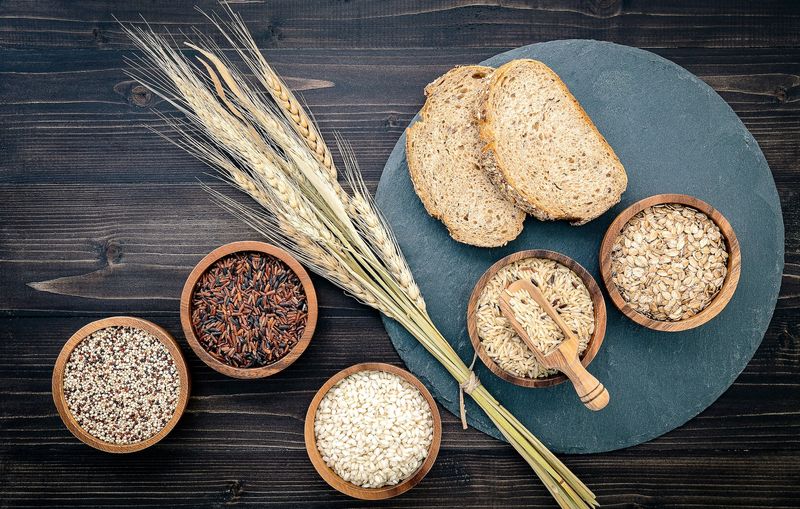
Digestion can get sluggish as the years tick by, and that's where fibre becomes your best mate.
Whole grains like oats, brown rice, and quinoa keep things moving smoothly and give you energy that lasts, rather than a quick spike and crash.
Toss in plenty of veg, fruits, and legumes too.
Your gut will thank you, and you'll feel lighter and more comfortable throughout the day.
Plus, fibre helps keep your heart happy and your blood sugar steady.
3. Staying Consistent With Regular Mealtimes

Skipping meals or eating at random times can leave your energy all over the place.
Your body thrives on routine, especially now, and eating at roughly the same times each day helps regulate your metabolism and keeps your blood sugar from doing the tango.
You don't need to be militant about it; just aim for breakfast, lunch, and dinner around the same hours most days.
It's a simple habit that makes a surprisingly big difference to how steady and alert you feel.
4. Focusing On Hydration Throughout The Day
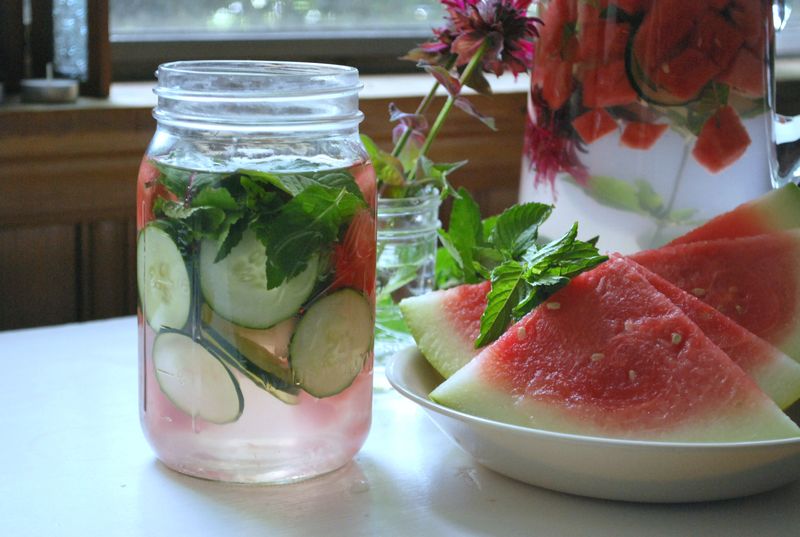
Here's a sneaky truth: your sense of thirst fades as you get older, so you might not realise you're running low on fluids.
Dehydration can make you feel tired, fuzzy-headed, and just generally rubbish.
Aim for six to eight cups a day; water, herbal teas, and even water-rich foods like cucumbers and watermelon all count. Keep a bottle nearby and sip regularly, even if you're not gasping for it.
Staying hydrated supports everything from your skin to your joints to your brain.
5. Including Healthy Fats In Daily Eating
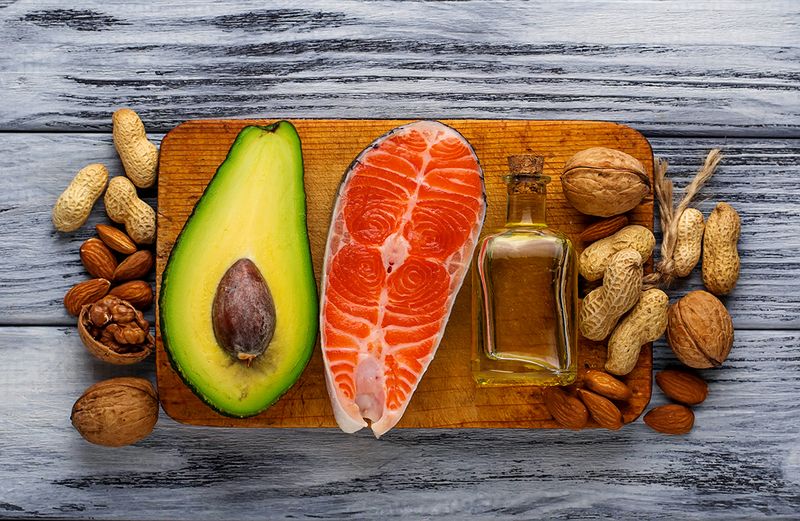
Fat got a bad reputation for years, but the right kinds are absolutely essential, especially for your brain and heart.
Avocados, nuts, seeds, and olive oil are packed with the good stuff that keeps your mind sharp and your ticker ticking nicely.
Oily fish like salmon and mackerel are brilliant too.
Don't be afraid to drizzle some olive oil on your salad or snack on a handful of almonds.
These fats help you absorb vitamins and keep you feeling satisfied after meals.
6. Reducing Reliance On Highly Processed Foods
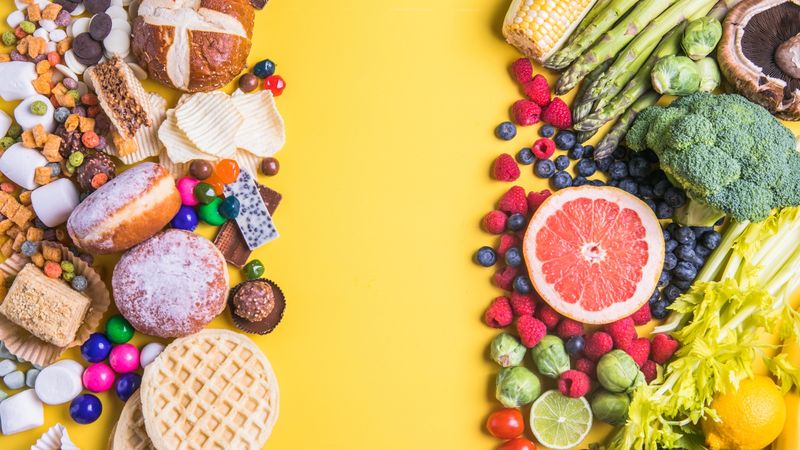
Convenience foods are tempting when you're knackered, but they're often loaded with salt, sugar, and additives that can sap your energy and mess with your health.
Swapping a few processed items for fresher alternatives doesn't have to be complicated.
Cook a bit more from scratch when you can. Think simple stews, roasted veg, or a hearty soup.
Your body will notice the difference in how you feel day to day.
Plus, real food just tastes better and leaves you more satisfied.
7. Supporting Bone Health Through Diet
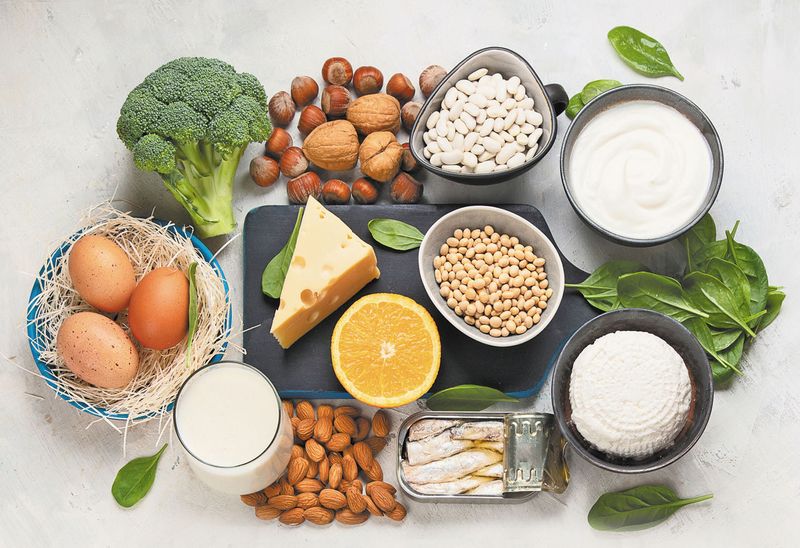
Bones can become fragile with age, but eating the right foods helps keep them strong and reduces your risk of fractures.
Calcium and vitamin D are the dynamic duo here.
Dairy products, fortified plant milks, leafy greens, and fatty fish like sardines are all excellent choices.
Getting enough sunshine helps too, but diet plays a huge role.
If you're not keen on dairy, there are plenty of fortified options and plant-based sources to explore.
Strong bones mean more confidence and independence as you move through life.
8. Paying Attention To Portion Sizes
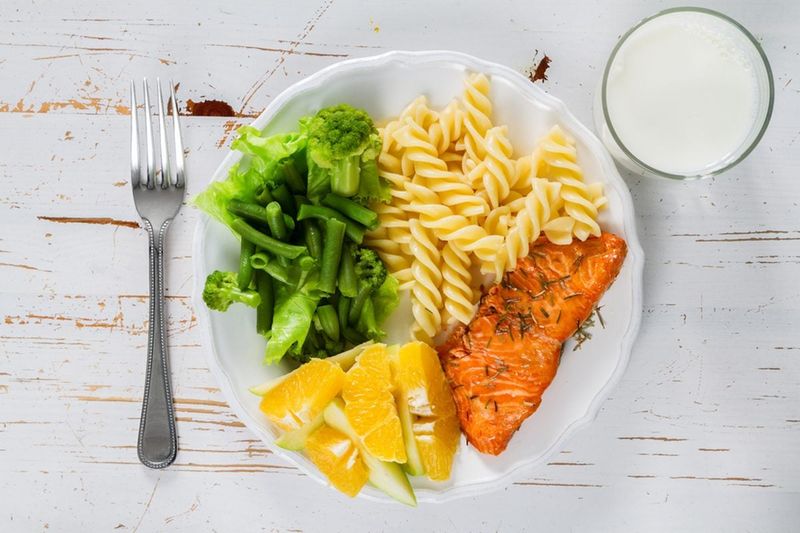
Your metabolism naturally slows down as you age, which means you don't need quite as much food as you used to.
Eating the same portions you did in your 30s can lead to unwanted weight gain and that sluggish feeling after meals.
Try using a smaller plate or simply tuning in to when you're comfortably full rather than stuffed.
It's not about deprivation; it's about eating just enough to fuel your body without overdoing it.
Mindful eating helps you enjoy your food more too.
9. Making Small Changes That Are Easy To Maintain

Grand diet overhauls rarely stick, but tiny, manageable tweaks can add up to something brilliant over time.
Maybe you start by swapping white bread for wholemeal, or adding an extra portion of veg to dinner.
These little shifts don't feel overwhelming, so you're far more likely to keep them up for the long haul.
The key is finding what works for your lifestyle and taste buds, not following some rigid plan that makes you miserable.
Consistency beats perfection every single time.