













There’s no shortage of colourful produce growing close to home, yet many of the healthiest British fruits and vegetables often get overlooked.
From earthy roots to sweet berries, these local heroes pack plenty of flavour and nutrition into every bite.
Adding more of them to your plate could be one of the simplest - and tastiest - ways to eat better year-round.
All information is provided for general interest only. For personalised dietary guidance, consult a qualified nutritionist or healthcare professional.
1. Broccoli
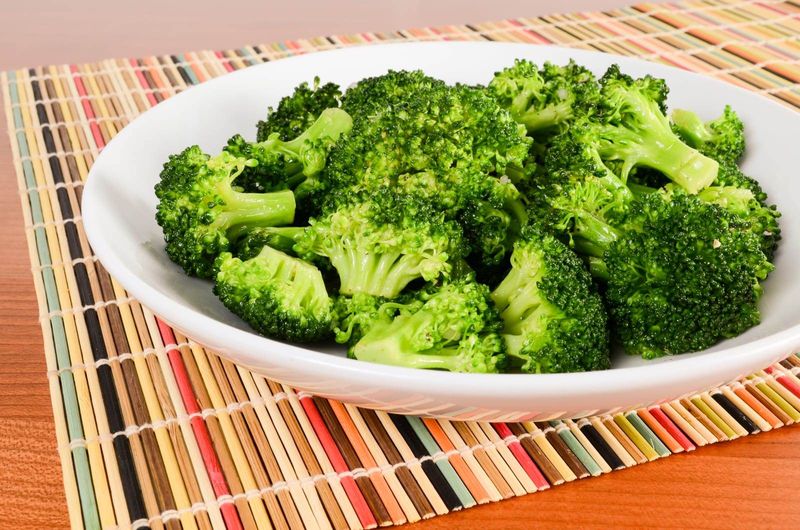
Packed with vitamin C and fibre, broccoli is a nutritional powerhouse that many people overlook.
This cruciferous veggie helps strengthen your immune system whilst supporting healthy digestion.
Steam it lightly to preserve nutrients, or roast with olive oil for a crispy treat.
Kids might enjoy it raw with hummus as a crunchy snack.
2. Kale
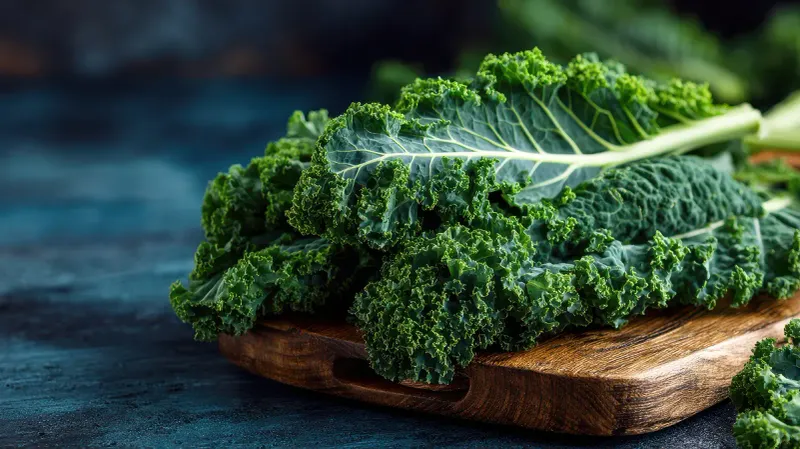
Often called a superfood, kale delivers more vitamin K than almost any other vegetable.
Its dark leaves contain powerful antioxidants that protect your cells from damage.
Massage raw kale with lemon juice to soften its texture before adding to salads.
You can also bake it into crispy chips for a healthier alternative to crisps.
3. Spinach
Remember Popeye? He was onto something!
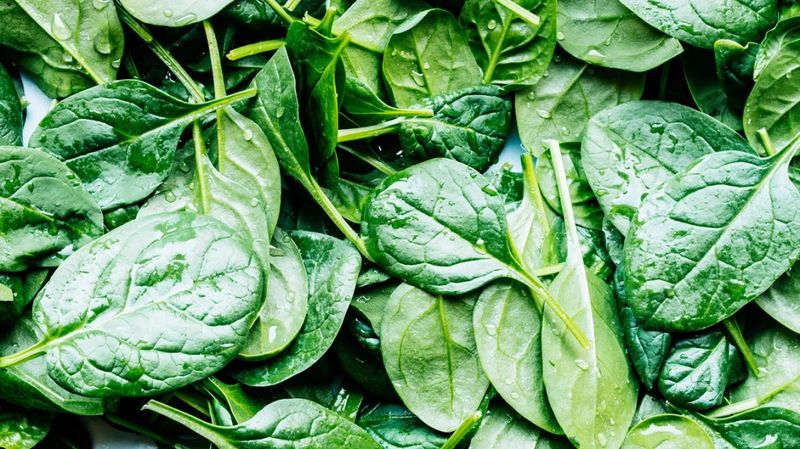
Spinach contains iron that helps carry oxygen throughout your body, keeping energy levels steady.
Baby spinach works brilliantly in smoothies without overpowering fruit flavours.
Wilt it into pasta dishes or layer it in sandwiches for an easy nutrition boost that barely changes the taste.
4. Carrots
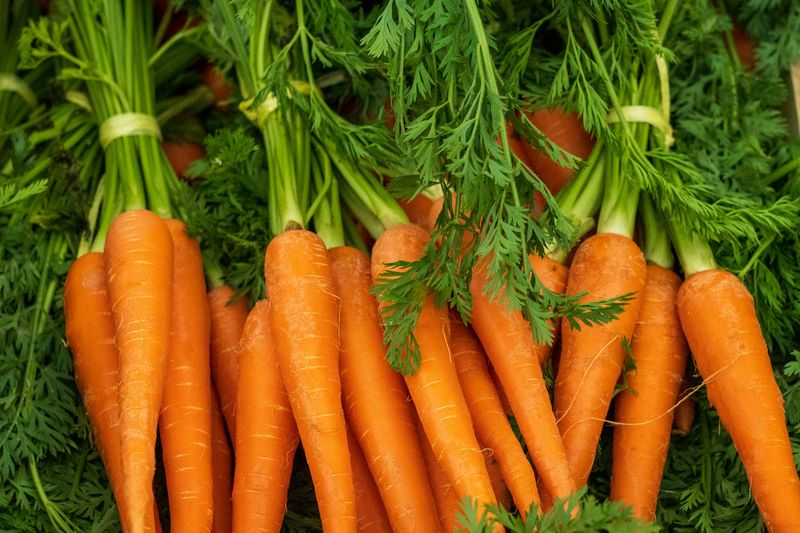
Those bright orange roots aren't just colourful - they're loaded with beta-carotene, which your body converts into vitamin A for healthy eyes and skin.
Carrots are naturally sweet, making them popular with even fussy eaters.
Munch them raw as sticks, roast them with honey, or grate them into cakes and muffins.
5. Beetroot
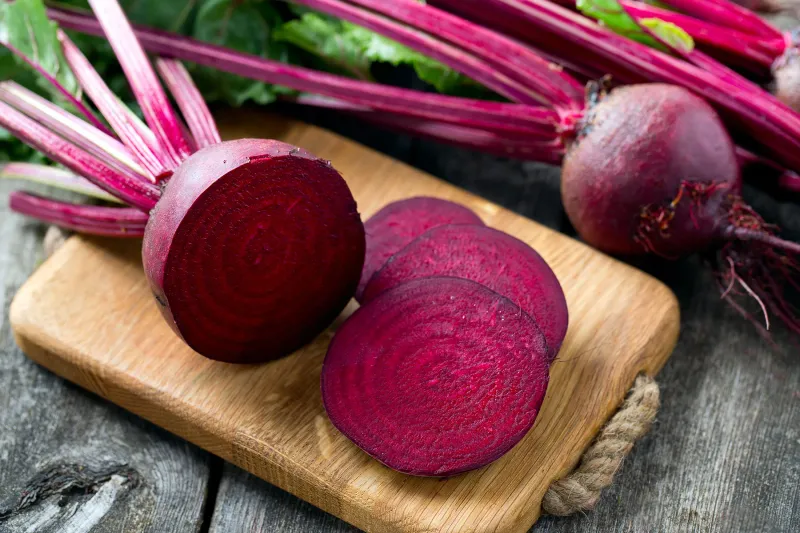
With its stunning deep purple colour, beetroot contains nitrates that can help lower blood pressure and improve athletic performance.
This earthy root vegetable has been grown in Britain for centuries.
Roast beetroot until tender, pickle it for salads, or blend it into vibrant pink hummus.
The natural sweetness pairs wonderfully with tangy goat's cheese.
6. Cauliflower
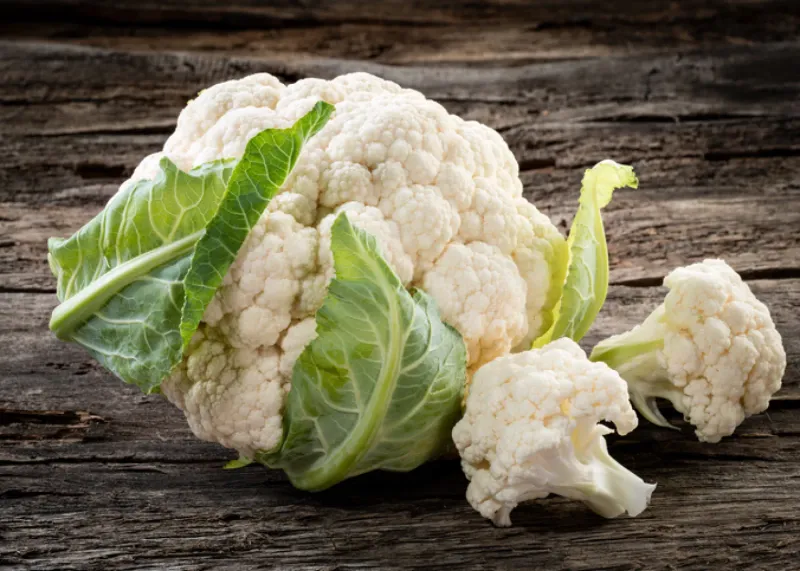
This versatile veggie has become incredibly trendy, and for good reason.
Cauliflower provides plenty of vitamin C whilst being low in calories, making it perfect for healthy eating plans.
Mash it as a potato alternative, rice it for stir-fries, or roast it whole with spices.
Its mild flavour absorbs seasonings beautifully, creating endless culinary possibilities.
7. Cabbage
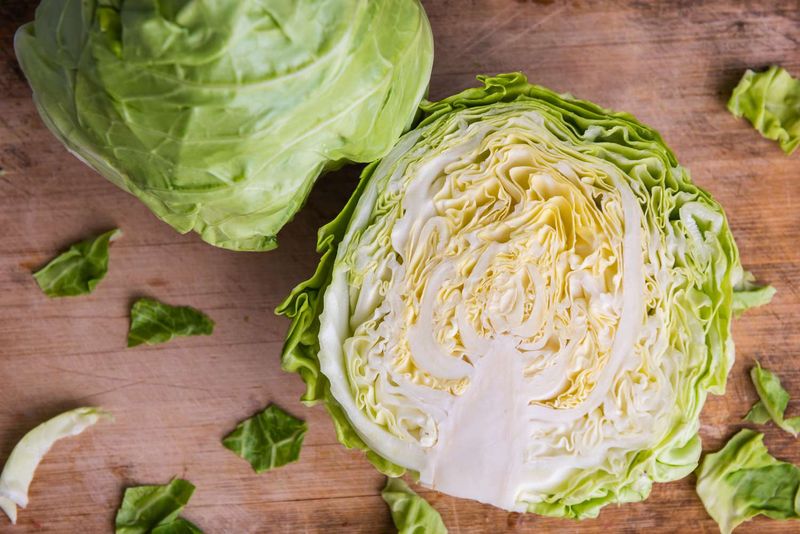
Often forgotten in modern kitchens, cabbage deserves more attention for its impressive nutrient profile and budget-friendly price.
It contains compounds that may help reduce inflammation throughout your body.
Shred it for coleslaw, ferment it into sauerkraut for gut health, or braise it slowly with apples.
Red cabbage adds gorgeous colour to any plate.
8. Leeks
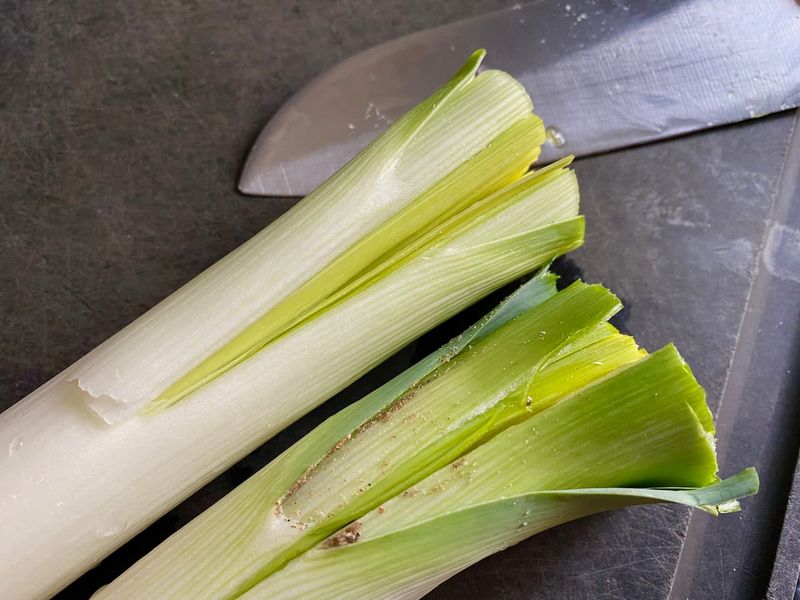
A symbol of Wales, leeks bring subtle onion flavour without overwhelming dishes.
They're rich in vitamin K and contain prebiotics that feed beneficial gut bacteria.
Slice and sauté them as a base for soups and stews.
Leeks also shine when roasted whole or braised in stock until meltingly tender, making a sophisticated side dish.
9. Courgettes
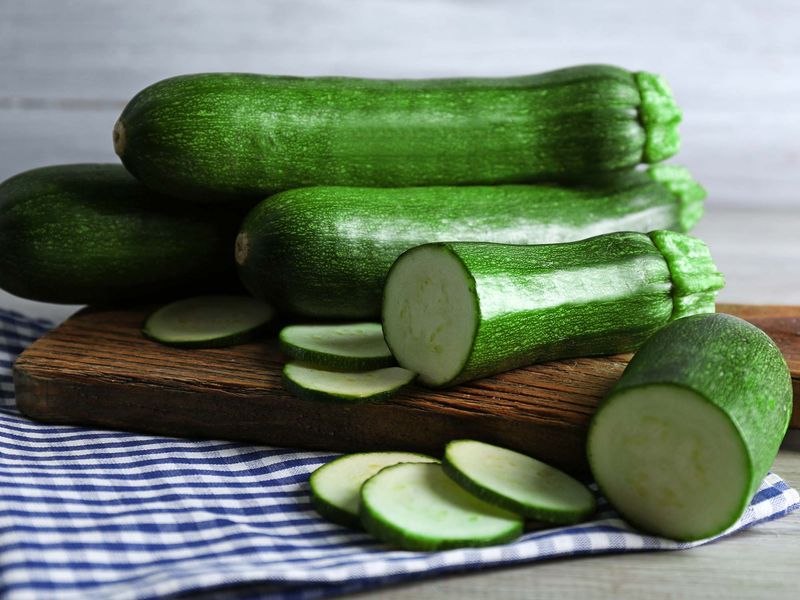
These summer squash are wonderfully mild and incredibly versatile in the kitchen.
Courgettes provide potassium for healthy blood pressure whilst being over ninety percent water, helping keep you hydrated.
Spiralize them into noodles, grate them into cakes, or slice and griddle with herbs.
Their gentle flavour means even vegetable-skeptics often enjoy them.
10. Tomatoes
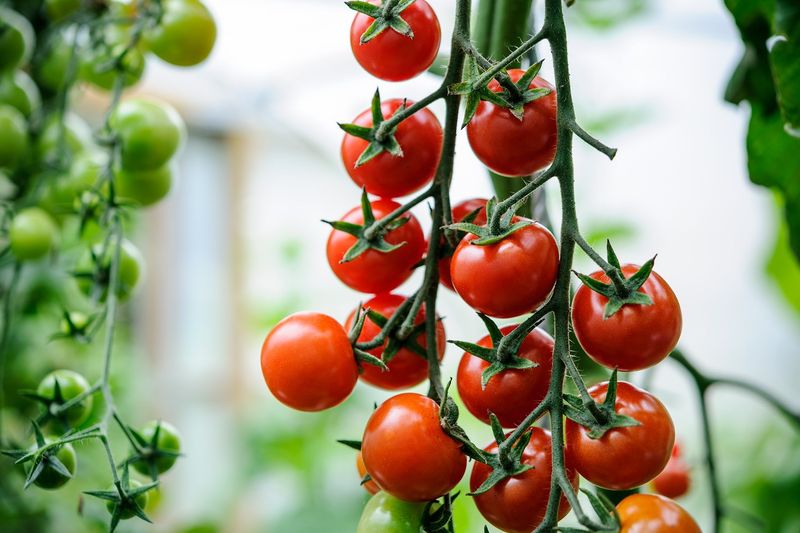
Technically a fruit but used as a vegetable, tomatoes burst with lycopene - a powerful antioxidant linked to heart health.
British-grown varieties during summer months taste incredibly sweet and flavourful.
Slice them for sandwiches, roast them slowly to concentrate flavours, or blend into homemade sauces.
Cherry tomatoes make perfect lunchbox snacks straight from the punnet.
11. Apples
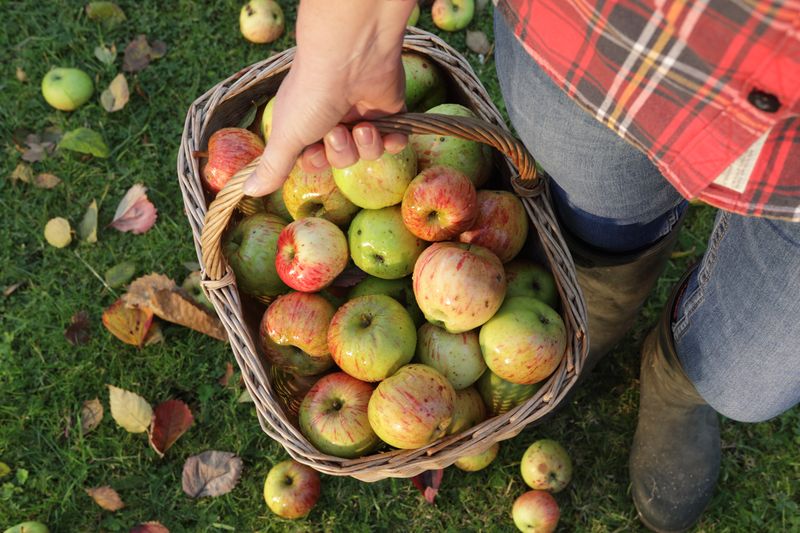
An apple a day truly can help keep the doctor away!
These classic British fruits contain soluble fibre that supports digestive health and helps control blood sugar levels.
Enjoy them raw as portable snacks, bake them into crumbles, or stew them with cinnamon.
Britain grows hundreds of heritage varieties, each with unique flavours worth discovering.
12. Pears
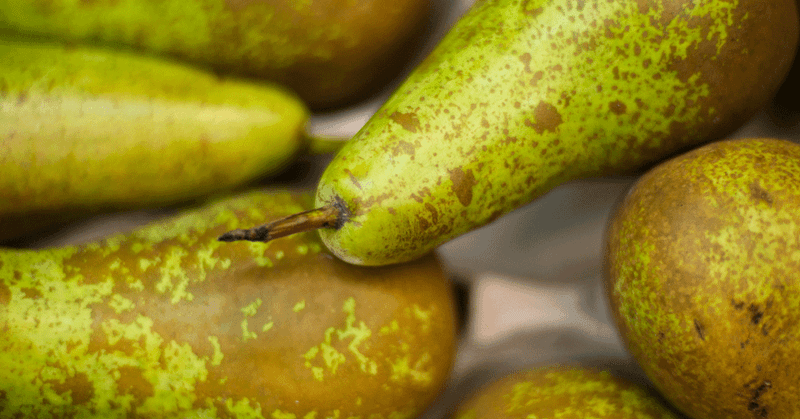
Juicy and sweet when perfectly ripe, pears offer a good dose of fibre alongside vitamin C.
Conference and Comice varieties grow particularly well in British orchards.
Eat them fresh when soft, poach them in spiced syrup for dessert, or slice them onto salads with blue cheese.
Pears also work wonderfully in chutneys paired with strong cheeses.
13. Blueberries
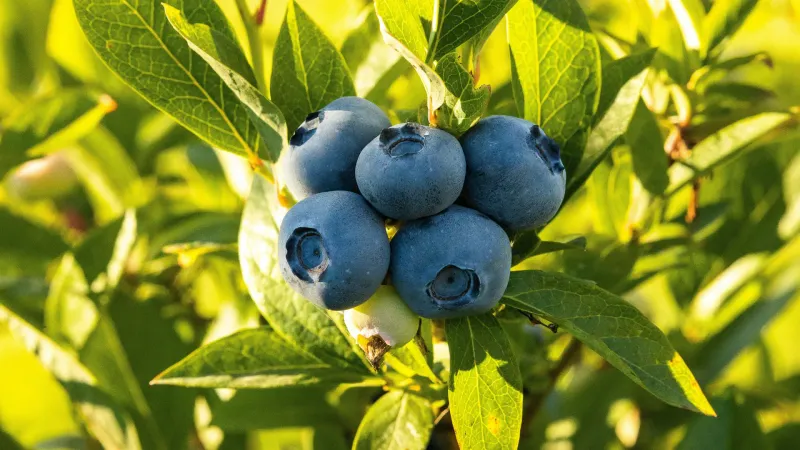
These tiny blue gems pack massive amounts of antioxidants into every handful.
British blueberry farms have expanded significantly, making locally-grown berries more accessible than ever before.
Sprinkle them over porridge, blend into smoothies, or fold into muffin batter.
Frozen blueberries work just as well nutritionally and cost less when fresh ones aren't in season.
14. Raspberries
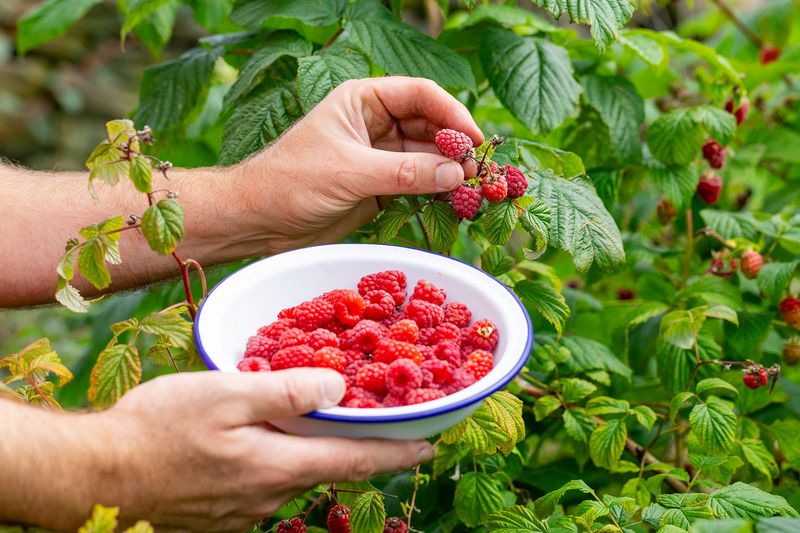
Delicate and delicious, raspberries grow abundantly in British gardens during summer months.
They're loaded with vitamin C and manganese whilst being relatively low in natural sugars compared to other fruits.
Add them to breakfast cereals, mash them into yoghurt, or freeze them for refreshing summer treats.
Their tartness balances beautifully with cream in traditional desserts.
15. Plums
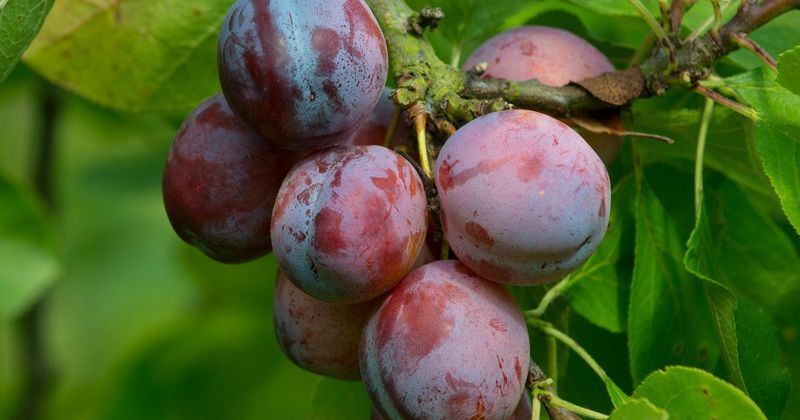
From Victoria to damson varieties, British plums offer wonderful diversity in flavour and colour.
These stone fruits contain sorbitol, which helps maintain regular digestion naturally.
Bite into them fresh during autumn months, bake them into tarts, or simmer them into jam.
Plums also make excellent sauces for roasted meats, adding sweet-tart complexity to savoury dishes.
16. Blackcurrants
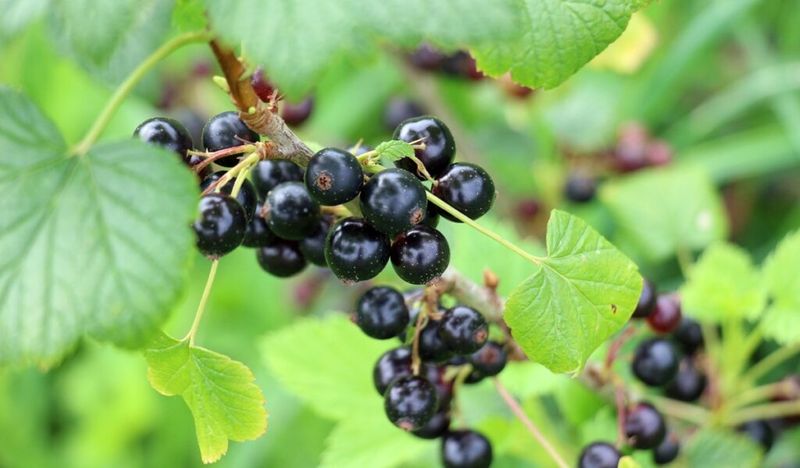
These tart little berries contain four times more vitamin C than oranges!
Blackcurrants have been cultivated in Britain for centuries and remain a national treasure.
Their sharp flavour works brilliantly in jams, cordials, and crumbles.
Mix them with sweeter fruits to balance their tanginess, or cook them down with sugar for a traditional British compote.
17. Strawberries
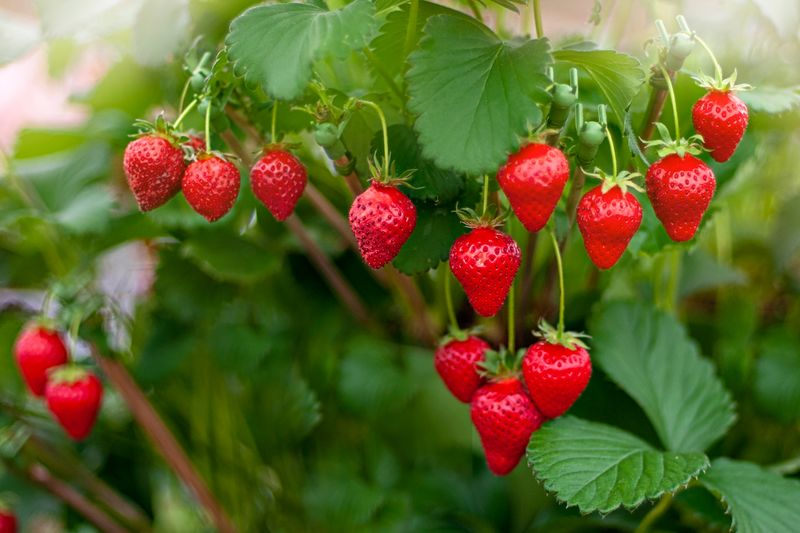
Nothing says British summer quite like strawberries and cream at Wimbledon!
These beloved berries deliver vitamin C alongside compounds that may help regulate blood sugar.
Eat them fresh at peak ripeness for maximum sweetness, hull and freeze them for smoothies, or macerate with a little sugar.
British strawberries have exceptional flavour when grown locally and picked ripe.
18. Brussels Sprouts

Love them or hate them, Brussels sprouts pack serious nutritional punch with vitamins K and C.
Modern cooking methods have rescued their reputation from overboiled childhood memories.
Roast them until caramelised and crispy, shred them raw into winter slaws, or pan-fry with bacon.
Cutting them in half and cooking at high heat transforms their flavour completely.
19. Parsnips
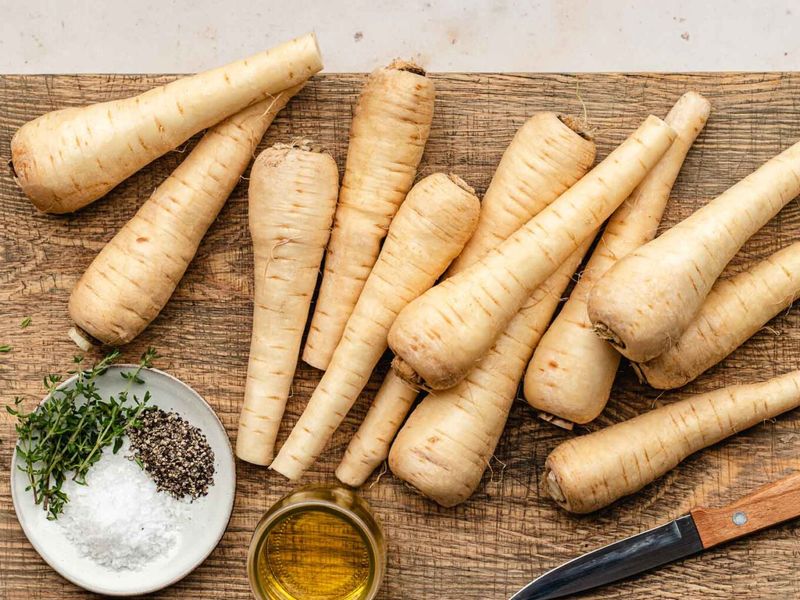
These creamy root vegetables taste sweeter after the first frost touches them in fields.
Parsnips provide folate and potassium whilst adding natural sweetness to winter meals.
Roast them alongside Sunday dinner, mash them with butter, or make them into soup.
Parsnip chips offer a sweeter alternative to potato crisps and work wonderfully as party snacks.
20. Turnips
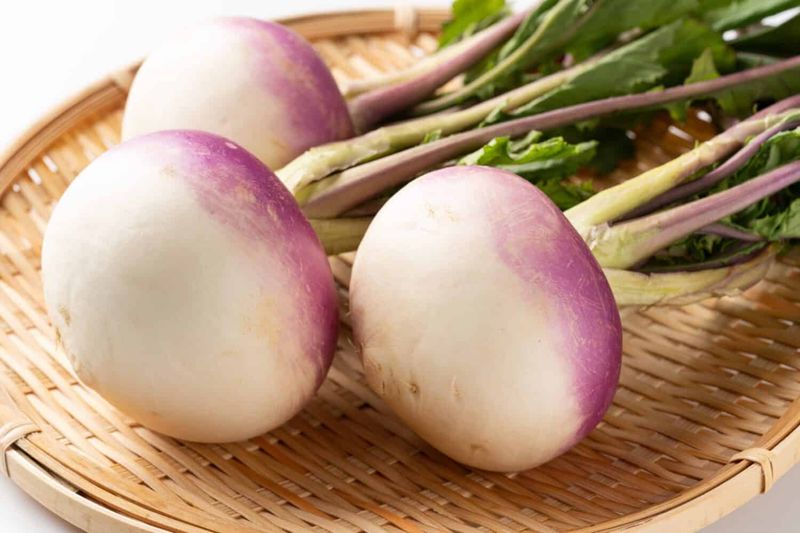
Often overlooked in favour of trendier vegetables, turnips deserve reconsideration for their peppery flavour and impressive vitamin C content.
They've sustained British families through harsh winters for generations.
Dice them into stews, mash them with potatoes, or roast them until golden.
Young turnips taste milder and can even be eaten raw, thinly sliced into salads.



