













Looking after your bones doesn't always mean dairy products.
Many plant-based foods can help keep your skeleton strong and healthy.
Whether you're vegetarian or simply want to add more calcium to your diet, these superfoods will help build strong bones while providing loads of other nutrients too.
This article is for general informational purposes only and should not be taken as medical or dietary advice. Nutrient needs vary by age, health status, and lifestyle. If you have concerns about calcium intake, bone health, or dietary restrictions, consult a qualified healthcare professional or registered dietitian before making changes to your diet.
1. Broccoli
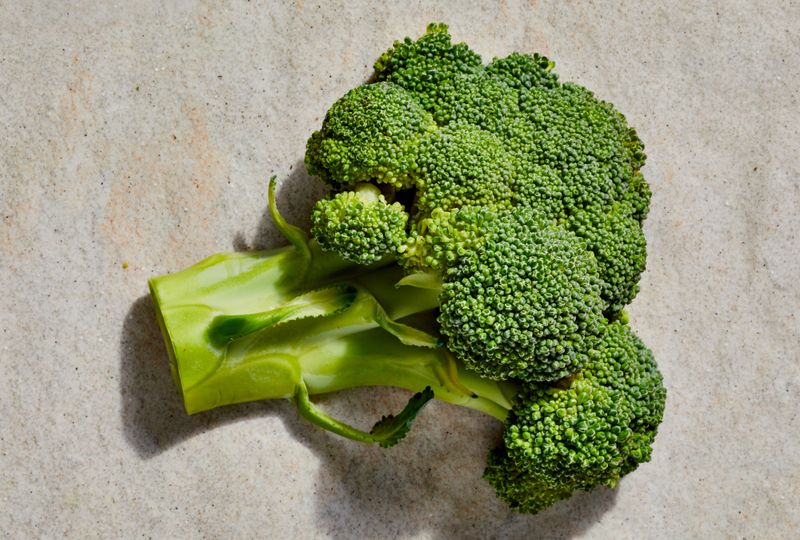
This green veggie superhero contains calcium alongside bone-friendly magnesium and potassium.
Steam it lightly to preserve nutrients.
A 100g serving provides about 47mg of calcium.
The vitamin C in broccoli also helps your body absorb iron from other foods, making it a brilliant all-rounder for vegetarian diets.
2. Kale
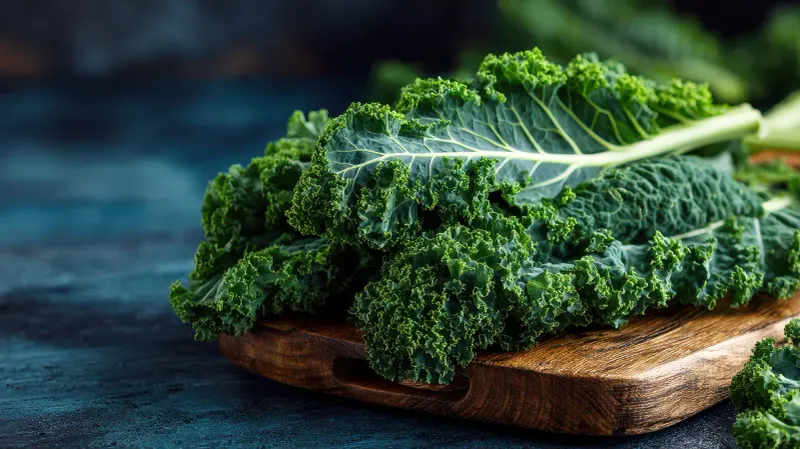
Dark green and leafy, kale packs an impressive calcium punch with about 250mg per 100g serving.
That's nearly a quarter of your daily needs!
Adding kale to smoothies, salads or crispy baked kale chips gives you bone-strengthening benefits plus vitamin K, which helps your body use calcium effectively.
3. Spinach
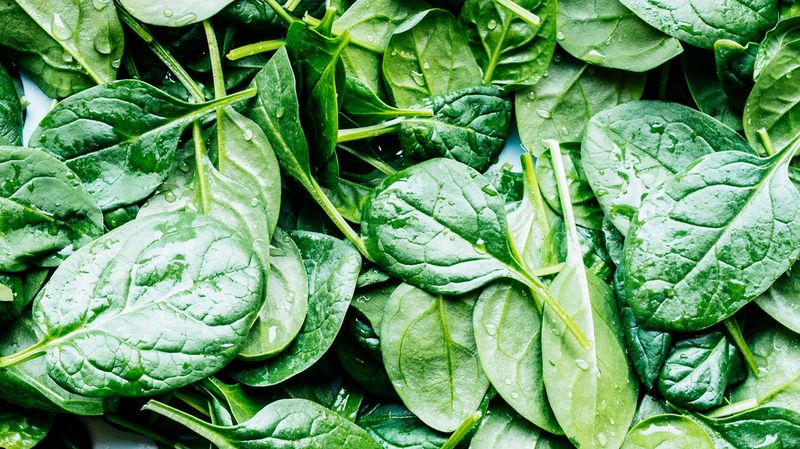
Popeye was onto something!
Spinach contains about 99mg of calcium per 100g, though its oxalate content means not all is easily absorbed.
Still, this leafy green delivers magnesium and vitamin K, both crucial for bone health.
Try wilting spinach into pasta sauces or curries for an easy nutrition boost without changing the flavour much.
4. Bok Choy
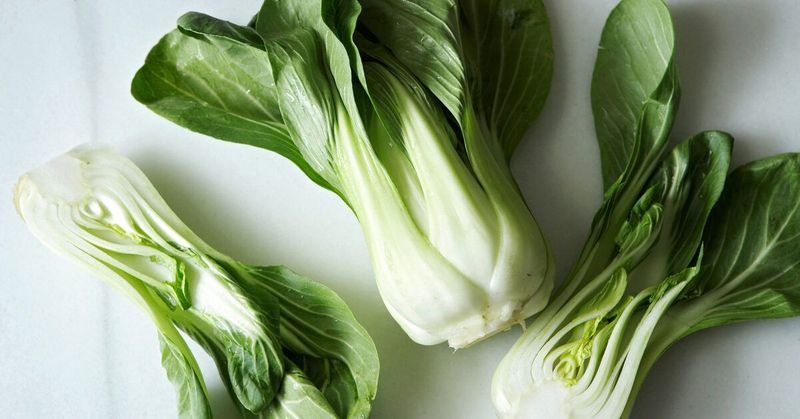
This Chinese cabbage is a calcium superstar with excellent absorption rates.
Unlike some leafy greens, bok choy has lower levels of compounds that block calcium uptake.
With about 105mg of calcium per 100g, it's perfect stir-fried with garlic or added to soups.
The mild flavour works well with many dishes while boosting your bone health.
5. Almonds
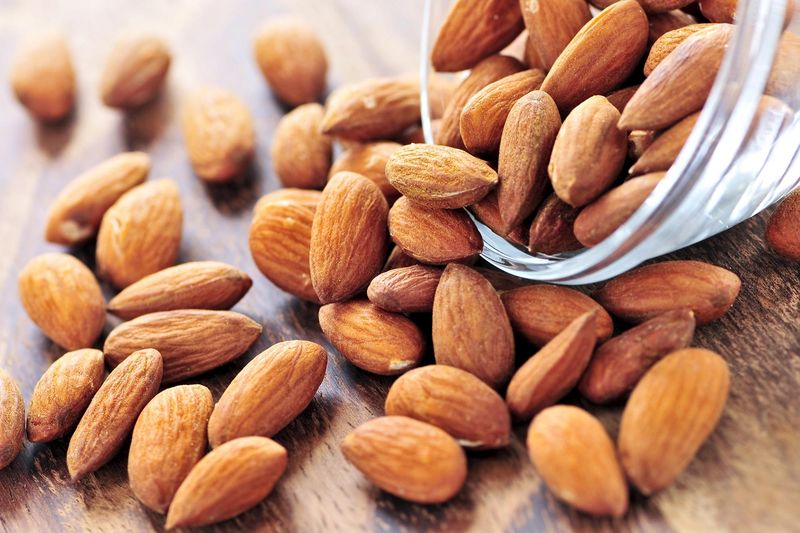
Grab a handful of these crunchy nuts for a calcium boost of about 264mg per 100g.
They're perfect for snacking or adding to breakfast dishes.
Almonds also contain phosphorus, which works alongside calcium for bone health.
Try almond butter on toast or sprinkle chopped almonds on salads for added texture and nutrition.
6. Sesame Seeds
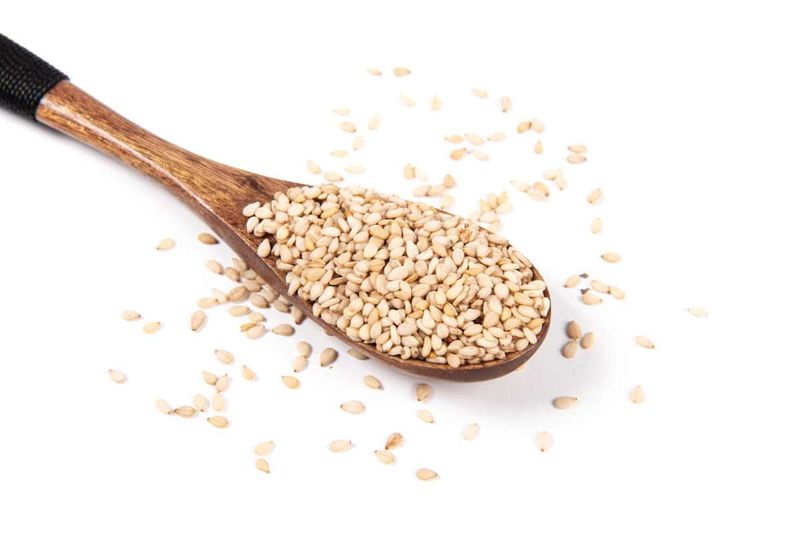
These tiny seeds pack a mighty calcium punch with around 975mg per 100g – one of the highest plant sources available!
Sprinkle them on salads or stir-fries for a nutty crunch. Tahini (sesame paste) works brilliantly in dressings and dips too.
Just a tablespoon of these seeds adds meaningful calcium to your daily intake.
7. Chia Seeds
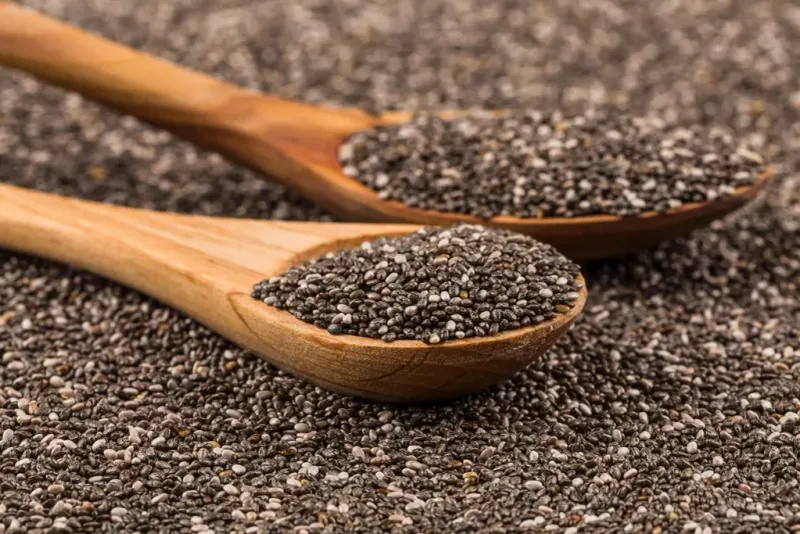
Ancient Mayans valued these tiny powerhouses for good reason.
Chia seeds contain about 631mg of calcium per 100g.
When soaked, they form a gel that's perfect for puddings or adding to smoothies.
Beyond calcium, they're packed with omega-3 fatty acids and fibre, making them a brilliant all-round health booster for vegetarians.
8. Tofu (Calcium-Set)
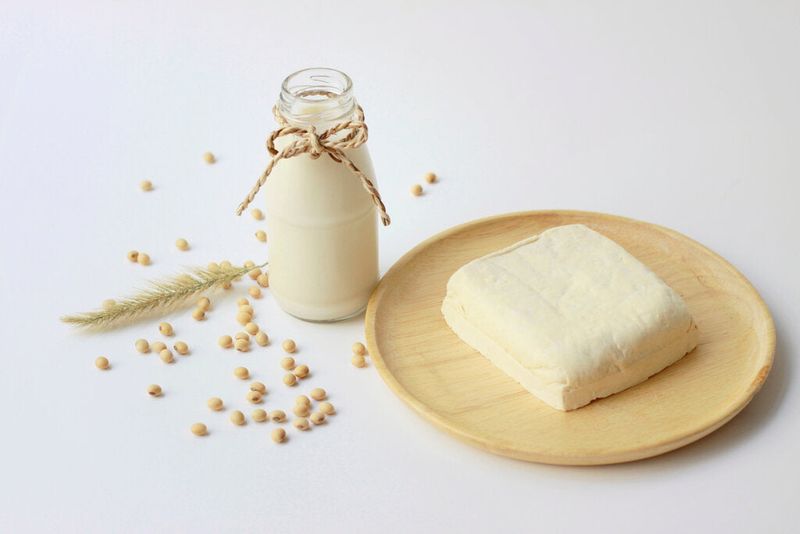
Made from soybeans curdled with calcium salts, this protein-rich food delivers about 350mg of calcium per 100g when calcium-set.
Check packaging to confirm it's calcium-set rather than nigari-set.
Firm tofu works brilliantly in stir-fries while silken varieties blend smoothly into creamy desserts or sauces, offering versatility alongside bone benefits.
9. Fortified Plant-Based Milk
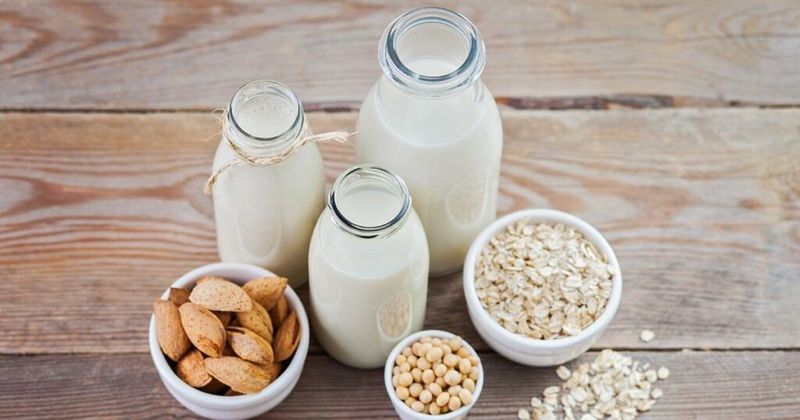
Modern plant milks often contain as much calcium as cow's milk – around 120mg per 100ml.
Soya, almond, oat and rice varieties typically come fortified.
Always check labels as calcium content varies between brands.
Perfect in cereals, smoothies or hot drinks, these milks offer an easy way to boost calcium intake while enjoying your favourite beverages.
10. White Beans

Cannellini, navy and other white beans contain roughly 140mg of calcium per 100g.
They're also packed with protein and fibre.
Add them to soups, stews or mash with herbs for a delicious spread.
Unlike many beans, their mild flavour makes them incredibly versatile in cooking while still delivering excellent bone-supporting nutrients.



