













Healthy eating doesn’t have to mean complicated meal plans or endless restrictions.
According to experts, a few small tweaks to how and what you eat can make a surprisingly big difference over time.
The best part is that most of these habits are simple enough to fit into everyday life without much effort.
All information is provided for general interest only and should not replace professional medical guidance. Always consult a qualified healthcare provider before making major changes to your diet or lifestyle. Individual results may vary based on overall health, genetics, and personal habits.
Pile Your Plate With Plants Most Days
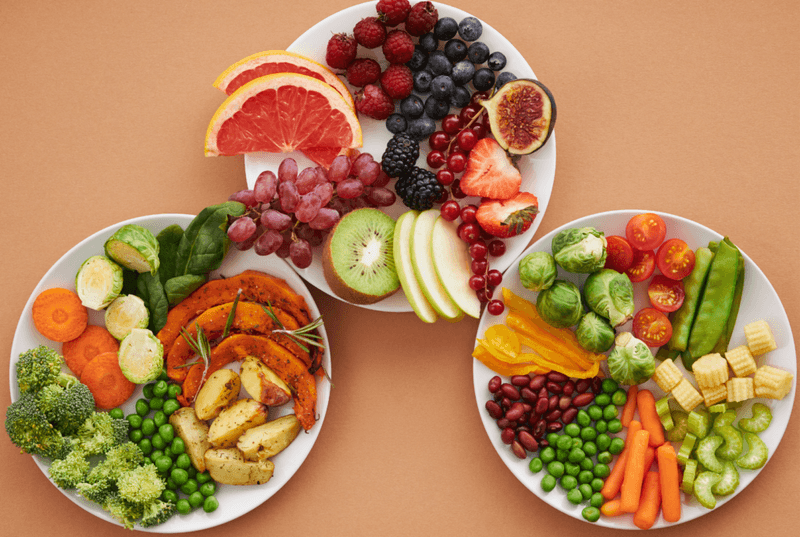
Fruit and veg do a lot of quiet heavy lifting for your body, from keeping your heart happy to helping you feel energised.
Aim for a rainbow on the plate and you'll naturally pick up fibre, vitamins and protective plant compounds.
You don't need perfection at every meal - just nudge the day in a greener direction.
Over time, higher fruit and veg intake is linked with lower risk of early death and major disease.
That's a small habit with big upside.
Make Whole Grains Your Default
Swapping in wholemeal bread, brown rice or oats is a low-effort upgrade that pays off.
Whole grains bring fibre and nutrients that refined grains lose in processing.
Large studies tie higher whole-grain eating to lower mortality, while diets high in refined grains are linked with higher risk of heart events and death.
Start simple - choose wholemeal most of the time and keep the white stuff for the odd treat.
Go Easy On Ultra-Processed Foods
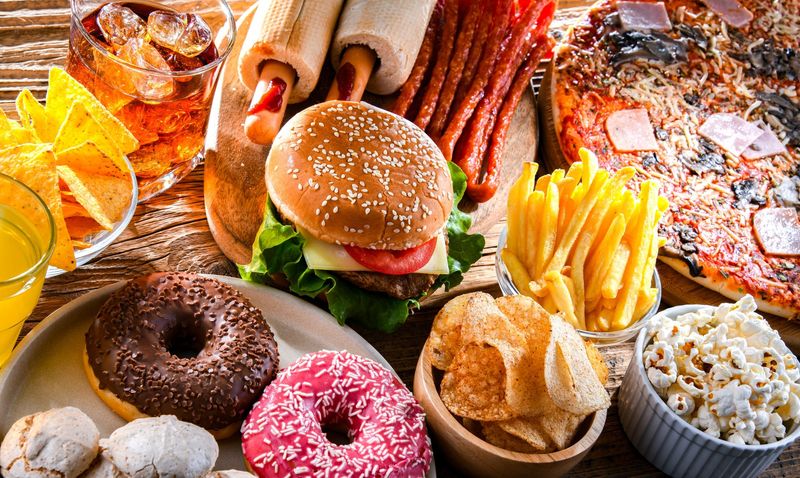
Ready meals and sweet packaged snacks are handy, but a steady diet of them isn't doing you favours.
Big European studies found people who ate the most ultra-processed foods had higher risks of heart disease and early death.
The easy win is to cook a bit more often and lean on minimally processed basics like beans, veg, eggs and frozen fish.
Even cutting back a little can shift your average in a better direction.
Convenience is great - just don't make it your main course every day.
Mind Your Salt Before It Minds You
Most of us get more salt than we realise, especially from bread, sauces and takeaways.
Experts recommend keeping sodium below about a teaspoon of salt per day.
Lowering salt helps reduce blood pressure and cuts the risk of heart disease and stroke.
Quick fixes - taste before salting, pick lower-salt labels, and lean on herbs, citrus and spices for flavour.
Your heart and blood vessels will notice the difference.
Keep Free Sugars In Check
Free sugars - the added kind in soft drinks, sweets, syrups and even fruit juice - add up fast.
Health authorities advise keeping them under 10 percent of daily energy, with under 5 percent even better for teeth.
Cutting back helps with weight control and protects against tooth decay.
Try swapping sugary drinks for water or unsweetened tea and keep desserts as a now-and-then thing.
You'll still enjoy sweetness, just without the constant sugar drip.
Eat Oily Fish Once Or Twice A Week
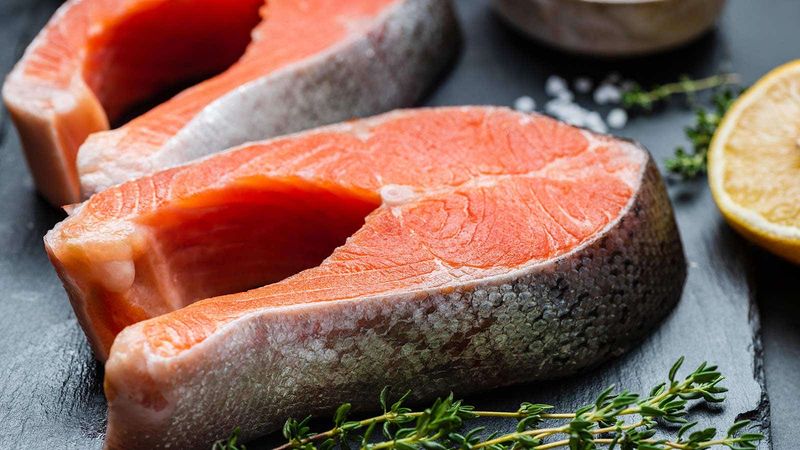
Oily fish like salmon, mackerel and sardines provide omega-3 fats that support heart health.
Research shows regular fish eating, particularly oily fish, is linked with lower cardiovascular risk.
Tinned options are affordable and easy to keep on hand.
If you don't eat fish, talk to a professional about alternatives - don't self-prescribe supplements.
Keep it simple - fish, spuds and a big pile of greens is a weeknight win.
Build Balanced Plates The Easy Way
When in doubt, follow the Eatwell Guide - plenty of fruit and veg, some whole-grain starchy foods, some beans, pulses, fish, eggs or lean meats, and small amounts of healthier oils and spreads.
You don't have to nail it at every sitting - think about balance across the day or week.
This approach is flexible, family-friendly and budget-aware.
It also nudges you towards the habits above without strict rules.



