













Black Swan Oldstead offers a style of Michelin dining that feels closely connected to its surroundings.
Set in a small North Yorkshire village, the restaurant is known for its focus on home-grown produce and dishes shaped by the landscape just outside its door.
The Banks family’s approach highlights ingredients from their own fields and gardens, resulting in food that is thoughtful, seasonal and rooted in the region.
This content is for general information only.
Menu items, ingredients and availability may change over time.
Always check current details directly with the restaurant before visiting.
Photos are for illustrative purposes only, and actual dishes may differ.
A Seasonal Menu Shaped By The Surrounding Landscape
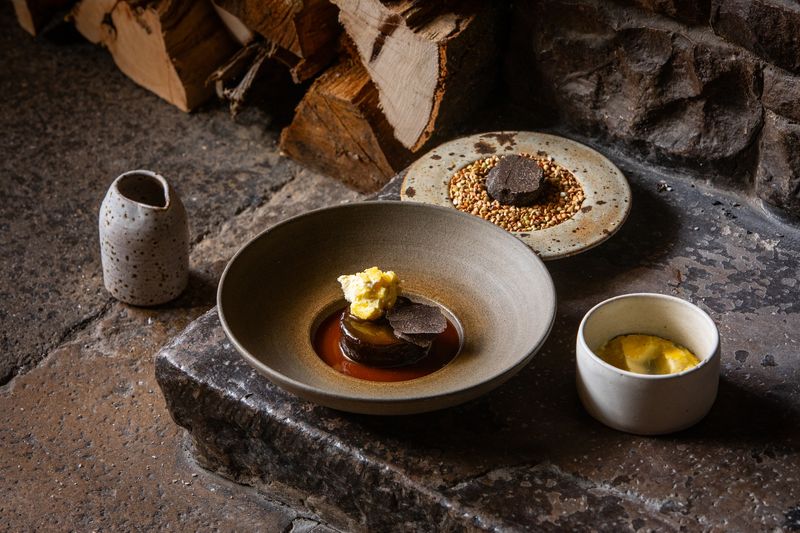
It is a bit like watching the weather forecast decide your dinner.
The menu moves with Yorkshire’s hedgerows and kitchen garden, leaning into things like forced rhubarb from the Rhubarb Triangle in late winter and wild garlic in spring.
Expect local Dexter beef when it is at its best, or Wensleydale paired with honey from nearby hives.
Even humble brassicas get the star treatment when the first frosts sweeten them.
Dishes change often, but the rhythm stays loyal to the land.
That means pickling, fermenting and drying are not trends so much as sensible planning.
The result is food that tastes like it could not come from anywhere else – because it really cannot.
How The Banks Family Built A Farm-Led Approach To Fine Dining
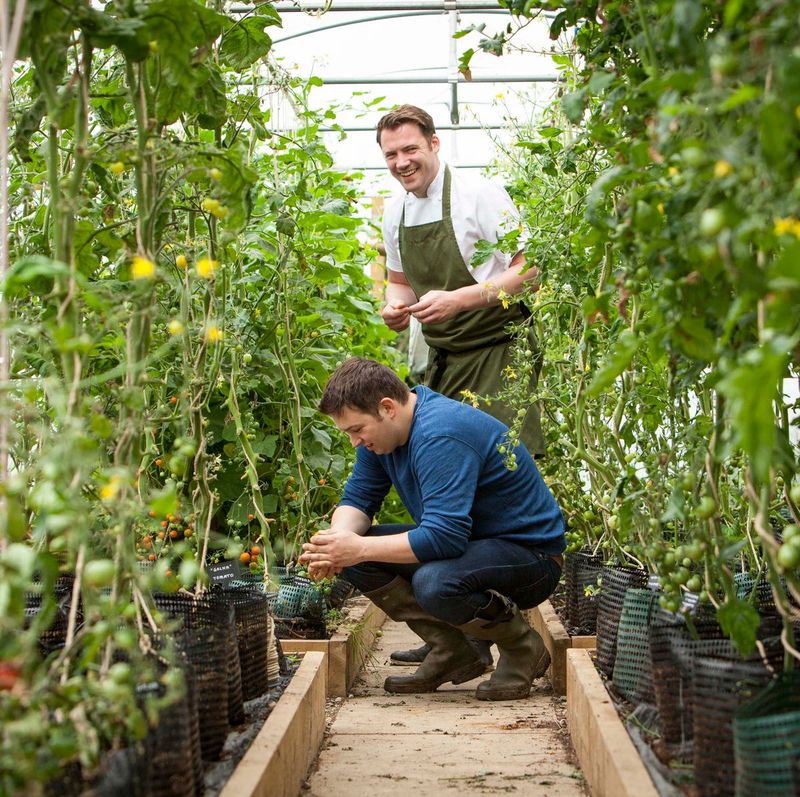
Think of it like a family allotment that got wildly ambitious.
The Banks family started by growing what they loved, then built the restaurant around those crops rather than the other way round.
Tommy Banks became one of Britain’s youngest Michelin-starred chefs, but the engine has always been the farm: polytunnels, compost heaps, seed trials and all.
Their team breeds flavour through patience, not gizmos.
Crop plans shape the calendar, and surplus turns into preserves that reappear months later.
It is practical Yorkshire thrift meeting culinary craft.
You taste continuity – the same soil running through beetroot, pear and potato – handled with a confidence that does not shout.
It is fine dining powered by muddy boots.
The Garden-To-Table Philosophy Behind Each Dish
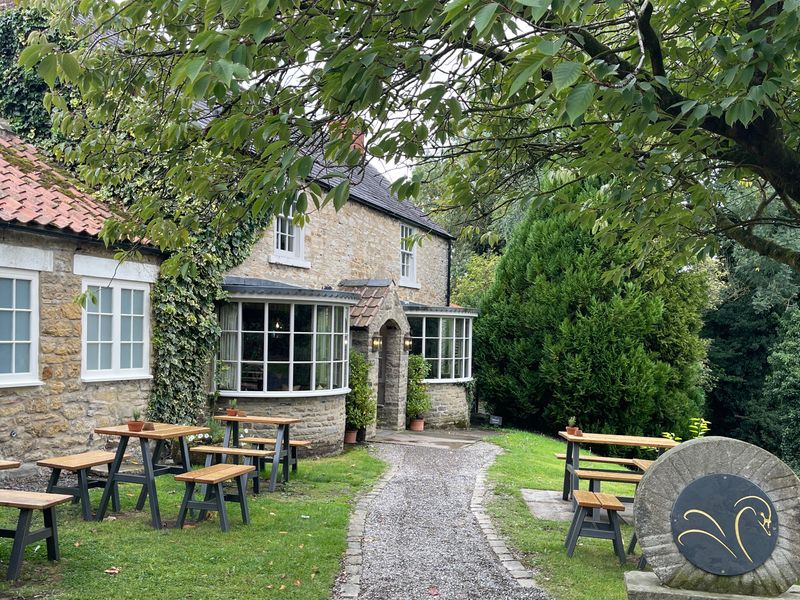
Picture a chef walking fifteen metres for garnish instead of phoning a supplier.
That is the daily drill, with herbs like sweet cicely and lovage picked to the minute, because flavour fades fast.
Garden-to-table here is not a slogan; it is logistics.
Leaves are washed, spun and plated within the hour, and roots arrive still carrying the field’s scent.
Ferments like beetroot kvass and smoked butter are used not to show off, but to anchor freshness with depth.
Even puddings borrow from the borders – think woodruff custard or herb-scented sorbets.
The kitchen and garden speak the same language, which is why the food tastes astonishingly alive.
Freshness becomes the quiet headline.
Why Oldstead’s Remote Setting Plays A Central Role In The Experience

Some places are a faff to reach, but that is half the charm.
Oldstead sits among rolling North York Moors lanes where phone signal blinks and hedges hum with birds.
The distance nudges you to slow down, arrive hungry and curious.
Being remote also means relying on neighbours – gamekeepers with best pheasant, growers with rare apples, and artisans who know their craft.
The quiet helps you taste more clearly, too, without city noise crowding your head.
Even the dark skies feel like an extra course, resetting your pace between dishes.
By the time pudding lands, you are fully tuned to the place.
The journey stops being effort and becomes context.
The Techniques That Elevate Traditional Yorkshire Produce
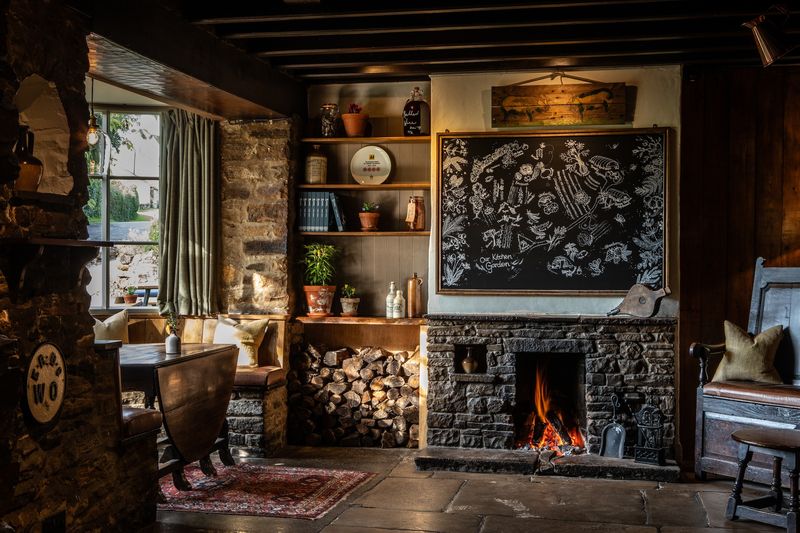
Imagine Sunday lunch taught new tricks by a patient mentor.
Traditional Yorkshire produce – think Swaledale lamb, crab from the coast, and brassicas from local farms – is lifted with techniques that respect rather than mask.
Coal roasting brings sweetness to beetroot, while lacto fermentation adds tang to cabbage without heavy seasoning.
Slow stewing turns heritage potatoes into silky purées, and careful aging develops depth in game.
Sauces are bright, often herb led, and portions feel balanced not bashful.
You still recognise the ingredients; they just sing in tune.
The clever bit is restraint – enough finesse to impress, enough honesty to taste home.



