













Your taste buds are capable of far more than you might realise – they’re just waiting for a little adventure.
Over time, many of us fall into familiar food habits, sticking to the same safe choices out of comfort or convenience.
But expanding your food palate isn’t about forcing yourself to eat things you dislike – it’s about discovering new flavours, textures, and cuisines that can transform the way you experience food.
From subtle swaps to bold experiments, these nine practical strategies will help you explore the world through your plate and rediscover the joy of eating.
All information is provided for general interest only.
Individual dietary preferences, allergies, and availability of ingredients may vary.
Always consider personal taste and health needs before making significant changes to your diet.
Photos are for illustrative purposes only.
1. Build On What You Already Love

If you're already a fan of Italian food, branching out to Greek or Spanish cuisine feels less like a leap and more like a gentle step sideways.
Familiar ingredients like tomatoes, olive oil, and garlic appear across Mediterranean cooking, so you're not starting from scratch.
Nutritionists often recommend this approach because it reduces the intimidation factor whilst still introducing new flavours and textures.
Try making a simple Greek salad if you love Caprese, or experiment with Spanish tortilla if you enjoy frittatas.
You'll be amazed how quickly your comfort zone expands when you're building on solid ground.
2. Get Adventurous With Your Spice Rack
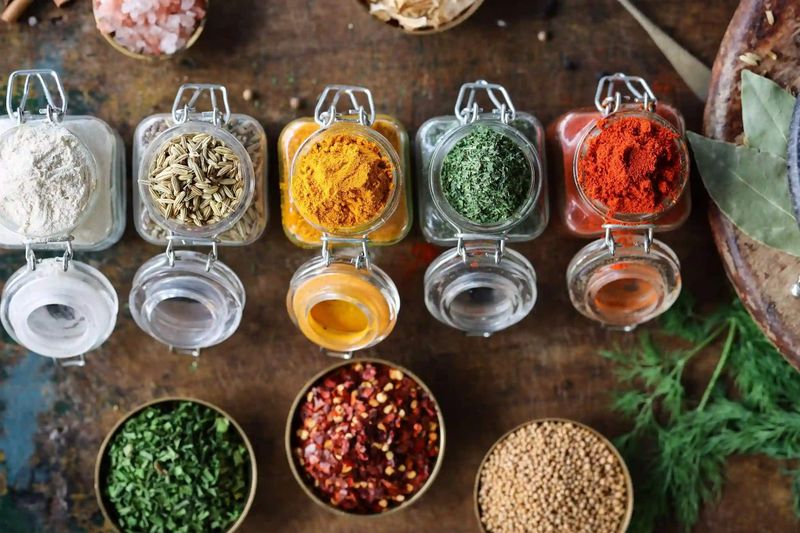
Your spice cupboard might be hiding the secret to transforming boring meals into something brilliant.
Indian garam masala, Moroccan ras el hanout, or Thai curry paste can completely change a simple chicken breast or vegetable stir-fry.
Start small – add one new spice blend to a familiar recipe and see what happens.
Most supermarkets now stock international spice mixes that take the guesswork out of flavour combinations.
Before you know it, you'll be confidently experimenting with cardamom in your porridge or sumac on roasted vegetables, and your taste buds will thank you for the adventure.
3. Raid Your Local Ethnic Food Shop

Walking into an Asian supermarket or Polish deli for the first time can feel like stepping into another world entirely.
Suddenly you're surrounded by ingredients you can't even pronounce, let alone know how to cook.
But here's the thing – the staff are usually brilliant at offering suggestions and cooking tips if you ask nicely.
Pick up one unfamiliar item each visit: maybe some miso paste, kimchi, or fresh lemongrass.
Look up a simple recipe online when you get home, and you've just added another flavour dimension to your cooking repertoire without breaking the bank.
4. Branch Out With Unusual Vegetables
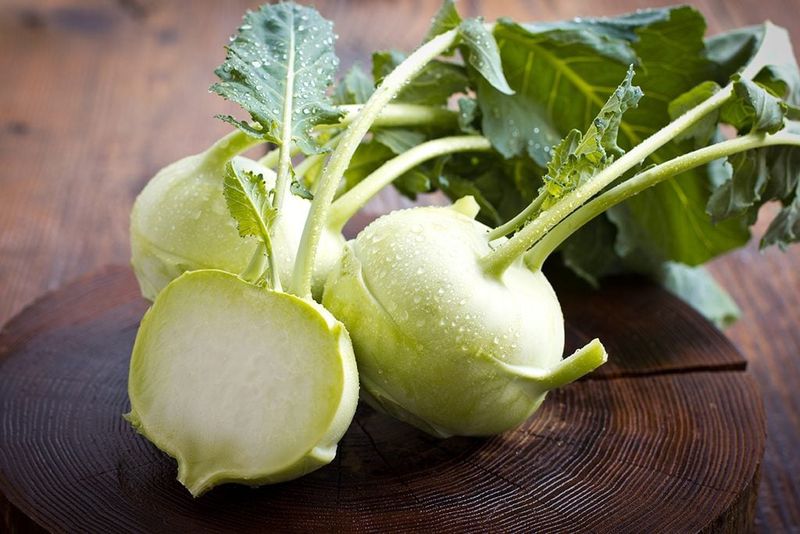
Most of us stick to the same five vegetables week after week, but the produce section holds so many hidden gems.
Kohlrabi tastes like a milder, sweeter cabbage and works brilliantly raw in slaws.
Celeriac makes the creamiest mash you've ever tasted, whilst romanesco looks like something from outer space but tastes similar to cauliflower.
Challenge yourself to pick one unfamiliar vegetable each shop.
Even if you don't love it, you've expanded your knowledge and given your palate something new to consider.
Who knows – your new favourite side dish might be waiting.
5. Treat Yourself To Authentic Restaurants
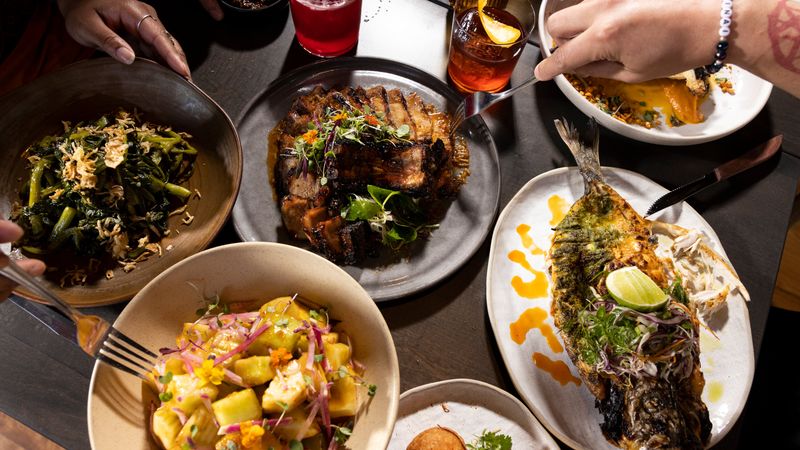
There's something magical about letting someone else do the cooking, especially when they're experts in a cuisine you've never properly explored.
Authentic restaurants – not the watered-down chain versions – offer flavours you simply can't replicate at home on your first try.
Don't be shy about asking the staff for recommendations based on your preferences.
They'll often suggest dishes that bridge the gap between familiar and adventurous.
Plus, tasting professionally prepared food gives you a benchmark when you eventually try cooking it yourself, and you're supporting local independent businesses in the process.
6. Sign Up For A Cooking Workshop

Watching someone who actually knows what they're doing can be the confidence boost you need to tackle unfamiliar cuisines.
Cooking classes focused on Thai, Japanese, or Middle Eastern food teach you techniques and ingredient combinations you'd never figure out from a recipe alone.
Many community centres and cookery schools offer affordable workshops that feel more like a social evening than a lesson.
You'll leave with new skills, recipe cards, and usually a full belly.
Best of all, you'll have the confidence to recreate those dishes at home without the fear of mucking it up completely.
7. Experiment In Your Own Kitchen
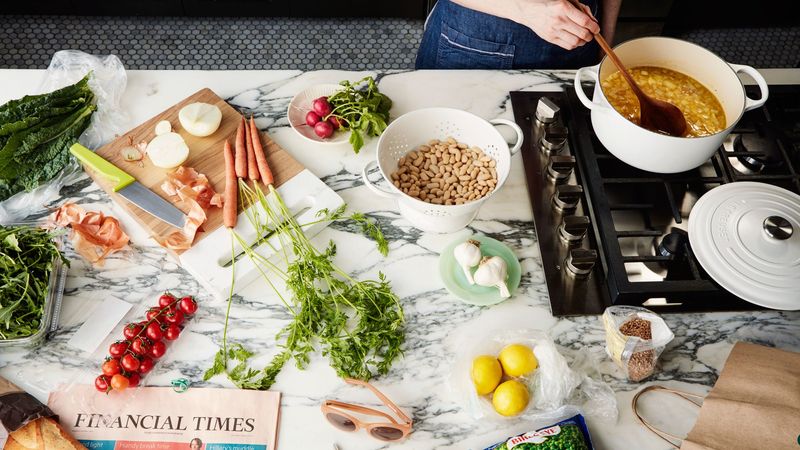
Sometimes the best adventures happen right in your own kitchen, where there's no pressure and no one judging if things go slightly wonky.
Pick a cuisine you've never cooked before – maybe Vietnamese, Korean, or Peruvian – and find a beginner-friendly recipe online.
Follow it step by step, even if some ingredients seem strange at first.
The beauty of home cooking is that you control the spice levels and can adjust things to your liking.
Even if your first attempt isn't restaurant-quality, you'll have learned something new and pushed your palate in a different direction.
8. Visit Food Markets And Festivals

Food festivals are brilliant because you can sample tiny portions of loads of different things without committing to a full meal.
One afternoon at a street food market might introduce you to Korean fried chicken, Venezuelan arepas, and Ethiopian injera all in one go.
Farmers' markets also showcase seasonal British produce you might never encounter in supermarkets – heritage tomatoes, unusual mushroom varieties, or artisan cheeses made just down the road.
Chat with the producers about how to prepare their products, and you'll come away with both ingredients and inspiration for expanding your culinary horizons.
9. Practise Mindful Eating Habits

Slowing down and actually paying attention to what you're eating can completely transform the experience.
Instead of mindlessly shovelling food whilst scrolling your phone, try focusing on the textures, aromas, and how different flavours develop as you chew.
According to nutritionists, mindful eating helps you appreciate subtle flavour nuances you'd otherwise miss entirely.
When you're fully present, even foods you thought you disliked might reveal hidden depths.
Give each new food a proper chance by eliminating distractions and really engaging with what's on your plate – your expanding palate deserves that attention.



