













Few dishes can rival the pure comfort of macaroni and cheese - rich, creamy, and perfectly nostalgic all at once.
It’s the kind of food that instantly makes everything feel better, whether you’re cooking for family or just treating yourself.
This ultimate version keeps all the gooey goodness you love while adding just the right touch of homemade magic.
All information is provided for general interest only. Taste, appearance, and availability may vary. Photos are for illustrative purposes only.
Understanding Macaroni And Cheese Origins
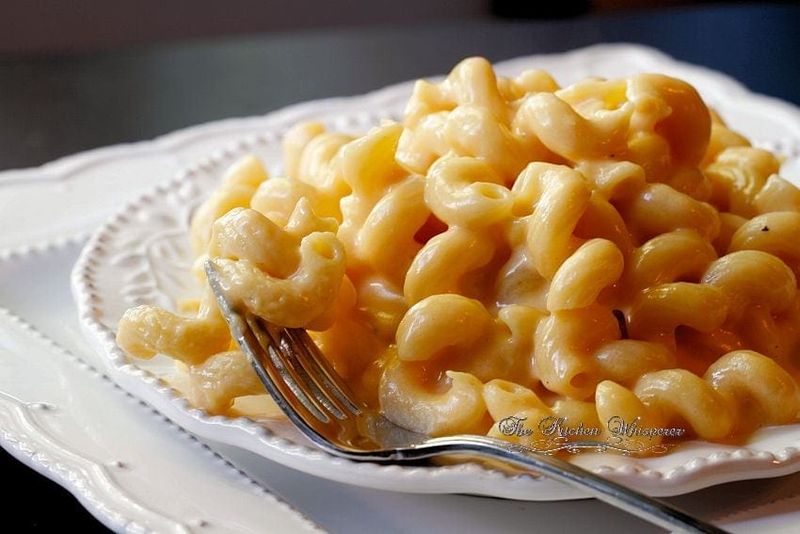
Long before boxed dinners arrived, pasta and cheese were already teaming up in medieval kitchens across Europe.
Recipes from 14th-century England show early versions of this beloved comfort dish.
When Thomas Jefferson brought a pasta machine back from Italy, he helped popularize macaroni in America.
The dish evolved into a baked casserole with a creamy cheese sauce, often called Mornay in French cooking.
Today, mac and cheese is a global favorite, loved for being filling, simple, and endlessly adaptable to different tastes and occasions.
Why This Dish Remains A Comfort Classic
Few foods deliver the same cozy feeling as a bowl of warm, cheesy pasta.
The combination of soft noodles and rich sauce triggers happy memories for many people.
Its straightforward preparation means anyone can make it, from beginners to experienced cooks.
You don't need fancy techniques or hard-to-find ingredients to create something delicious.
Macaroni and cheese also works for any occasion - weeknight dinners, potlucks, holiday sides, or even fancy dinner parties when dressed up with gourmet cheeses.
That versatility keeps it popular across generations and cultures worldwide.
Selecting The Perfect Pasta Shape
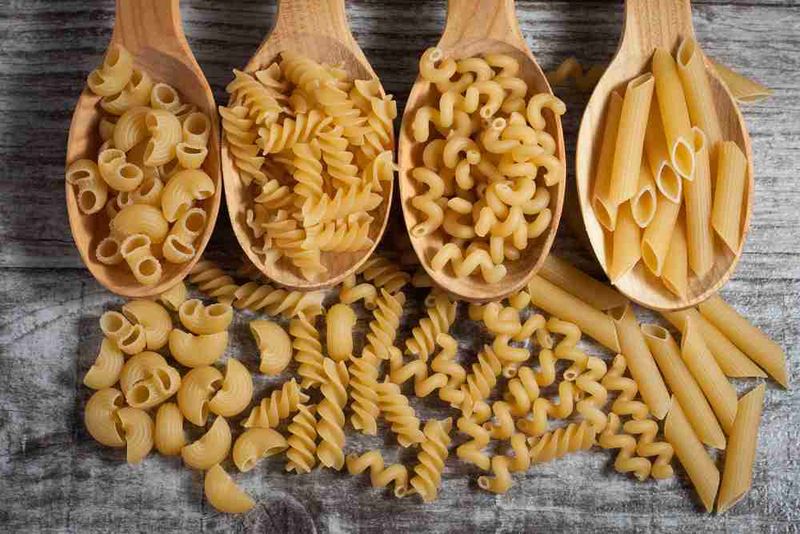
Traditional elbow macaroni isn't your only option, though its curved shape does trap sauce beautifully.
Short pasta varieties like shells, cavatappi, or penne also work wonderfully.
Avoid long, thin pasta like spaghetti or angel hair - they can't hold the thick cheese sauce properly.
Look for shapes with ridges, curves, or hollow centers that create little pockets for the creamy mixture.
Cooking your pasta to just al dente is crucial. It should still have a slight firmness since it'll soften more during baking or while sitting in the hot sauce on the stove.
Choosing Your Cheese Wisely
Cheddar remains the classic choice, offering sharp flavor and smooth melting qualities.
Sharp cheddar brings more punch, while mild cheddar keeps things gentle for younger palates.
Mixing cheeses creates depth and complexity.
Gruyère adds nutty richness, Parmesan brings salty bite, and Gouda contributes sweetness.
Even cream cheese or mascarpone can make the sauce extra silky.
Always grate cheese yourself rather than buying pre-shredded bags.
Those contain anti-caking agents that prevent smooth melting, leaving your sauce grainy instead of luxuriously creamy and velvety.
Building The Foundation With Roux
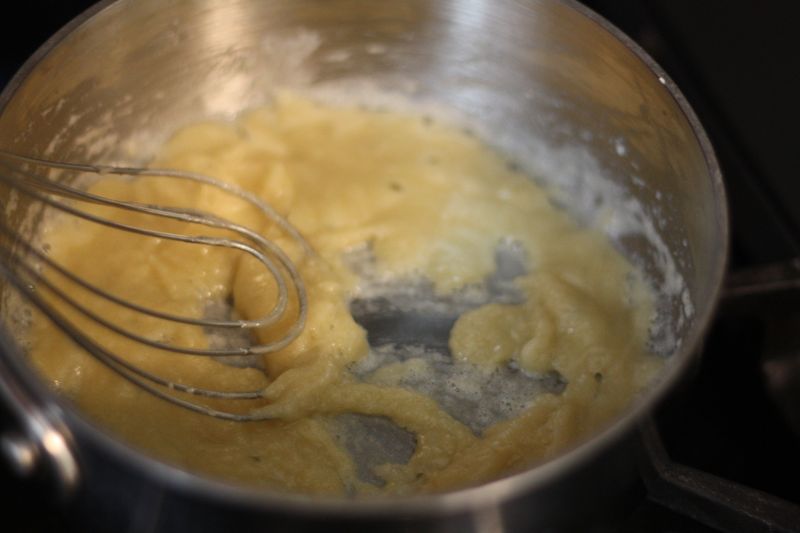
A roux is simply butter and flour cooked together, forming the base that thickens your cheese sauce.
This French technique prevents the sauce from being too thin or separating.
Melt butter over medium heat, then whisk in an equal amount of flour.
Cook for about a minute, stirring constantly, until it smells slightly nutty but hasn't browned.
This step might seem fussy, but it's what separates restaurant-quality mac and cheese from watery disappointments.
The roux creates structure, allowing the sauce to cling perfectly to every noodle without pooling at the bottom.
Adding Milk For Creamy Texture
Once your roux is ready, slowly pour in warm milk while whisking constantly.
This gradual addition prevents lumps from forming and ensures a silky-smooth sauce.
Whole milk works best because the fat content contributes to richness.
You can use two percent if needed, though the sauce won't be quite as luscious.
Keep the heat at medium and stir frequently as the mixture thickens.
It should coat the back of a spoon before you add cheese.
If it gets too thick, just whisk in a little more milk to reach your desired consistency.
Melting Cheese Into The Sauce
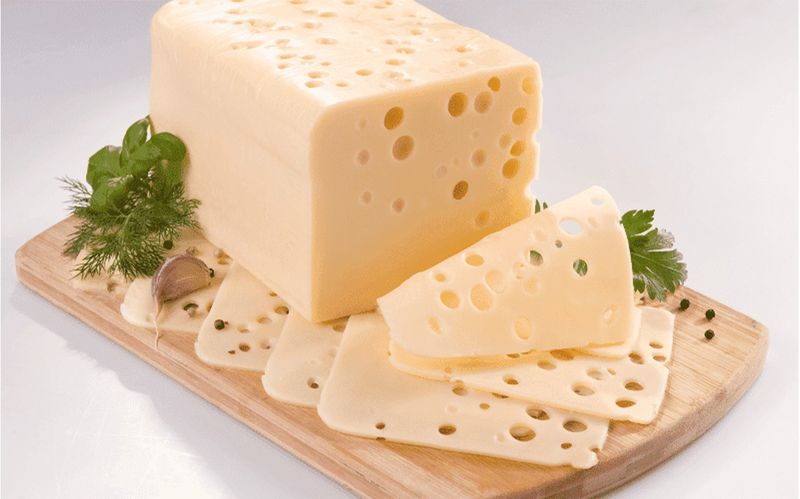
Remove your pot from the heat before stirring in grated cheese.
High temperatures can cause cheese to become stringy or grainy instead of melting smoothly into the sauce.
Add cheese gradually, a handful at a time, stirring until each addition fully melts before adding more. Patience here pays off with a perfectly smooth, glossy sauce.
If your sauce seems too thick after adding cheese, thin it with small splashes of milk.
Season with salt and pepper, remembering that cheese already adds saltiness, so taste before adding too much extra.
Seasoning Beyond Salt And Pepper
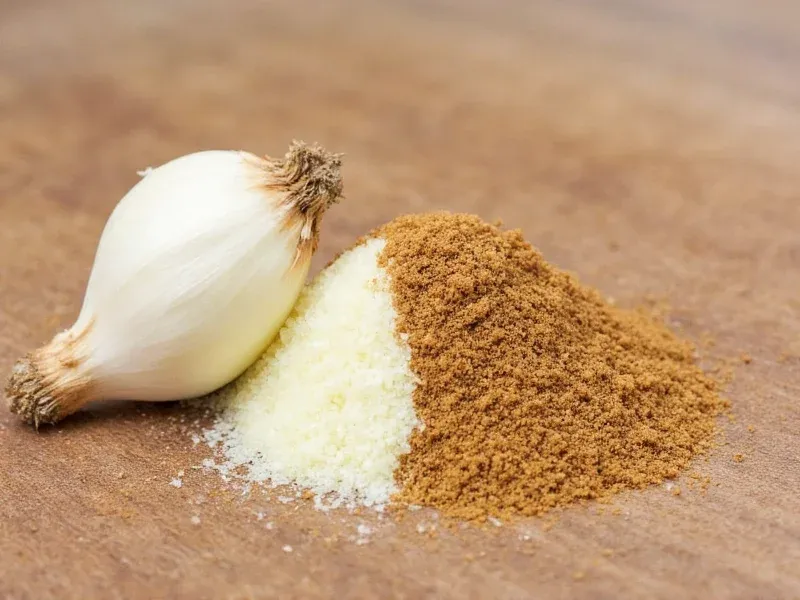
A pinch of mustard powder or a teaspoon of Dijon mustard amplifies cheese flavor without making the sauce taste mustardy.
This secret ingredient makes people wonder what makes your version so special.
Nutmeg adds warmth and depth when used sparingly - just a tiny grating transforms the sauce from ordinary to extraordinary.
Garlic powder, onion powder, or paprika also work beautifully.
Combining Pasta With Sauce Properly
Drain your cooked pasta well, but don't rinse it - the starch clinging to the noodles helps the sauce adhere better.
Pour the drained pasta into your cheese sauce, or pour the sauce over pasta in a large bowl.
Fold everything together gently but thoroughly, ensuring every piece gets coated.
If making stovetop mac and cheese, you can serve immediately.
For baked versions, transfer this mixture to a greased baking dish, spreading it evenly so it cooks uniformly and develops that perfect golden crust on top.
Baking Time And Temperature Guidelines
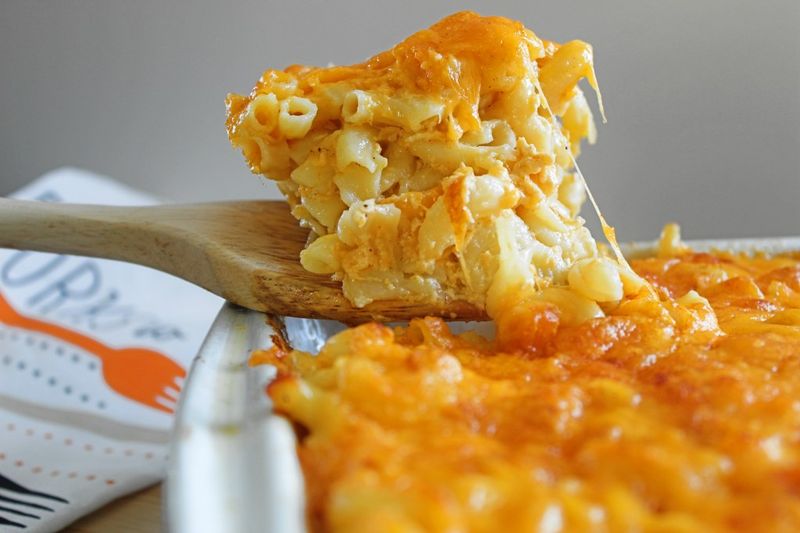
Preheat your oven to around 350-375 degrees Fahrenheit for even cooking.
Too hot and the top burns before the center heats through; too cool and everything takes forever.
Bake uncovered for about 25-30 minutes, until the sauce bubbles around the edges and the top turns golden brown.
If the top browns too quickly, cover loosely with foil.
Let the dish rest for five minutes after removing from the oven.
This allows the sauce to thicken slightly as it cools, making serving easier and preventing burns from piping-hot cheese when you take that first delicious bite.
Why Baking Improves Flavor And Texture
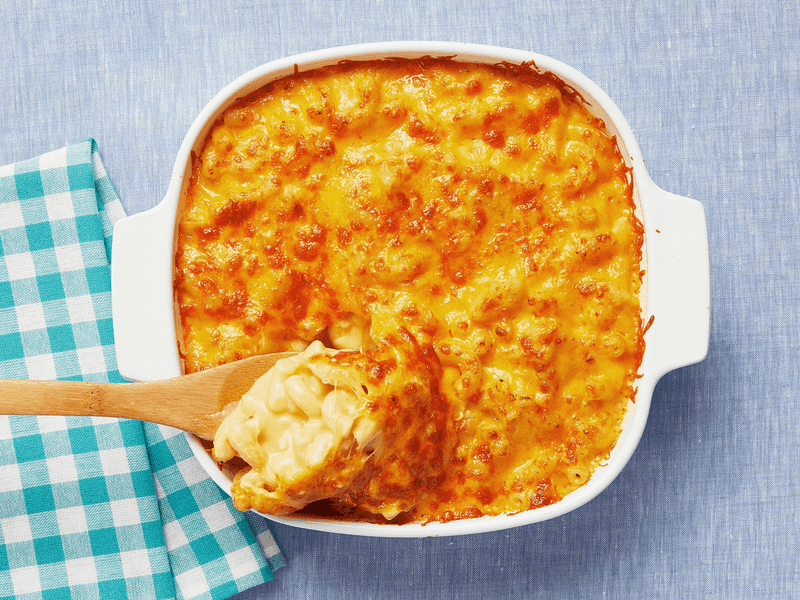
Oven time allows all the ingredients to meld together, creating deeper, more unified flavors.
The cheese, milk, pasta, and seasonings become one cohesive dish rather than separate components.
That golden, crispy top layer provides textural contrast that makes each bite more interesting.
The combination of crunchy and creamy keeps your taste buds engaged.
Baked mac and cheese also stays warm longer, making it ideal for gatherings where food sits out.
Plus, it looks impressive when brought to the table in its baking dish, steam rising and cheese bubbling invitingly around the edges.



