













Minestrone might seem like a simple vegetable soup, but in Italy, it’s treated as an art form.
The authentic version follows traditions passed down through families, where every ingredient and method matters.
From choosing the right seasonal vegetables to knowing when to add pasta or beans, Italians have a few unwritten rules that make all the difference.
Here’s what defines real minestrone – and what most people tend to get wrong.
This article is for general informational and culinary interest only.
Recipes and techniques may vary across Italian regions and households, reflecting personal and local traditions.
1. The Regional Roots That Make Every Minestrone Unique
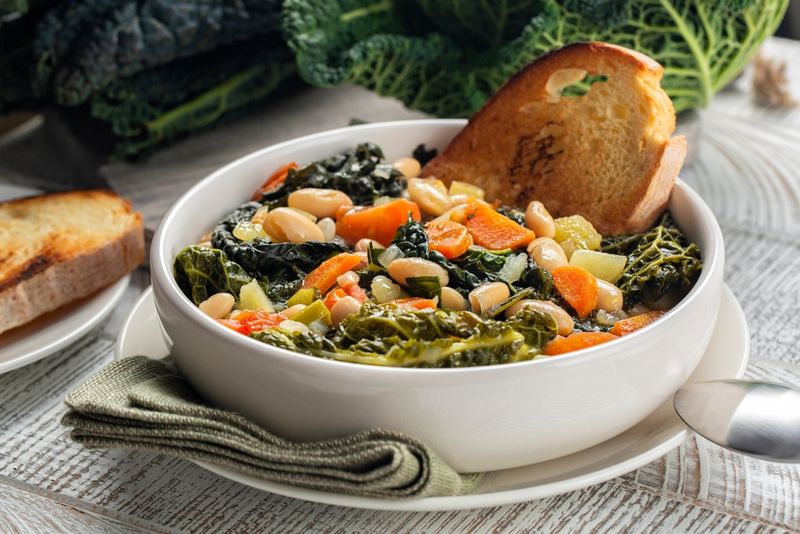
There is no single recipe for minestrone, and that is the whole point.
Every region in Italy has its own version, shaped by local ingredients, climate, and tradition.
In Milan, you might find it enriched with rice and butter, whilst down in Naples, pasta and tomatoes take centre stage.
The mistake most people make is treating minestrone like a fixed recipe rather than a flexible blueprint.
Italians adapt it to what is growing in their gardens or available at the market, which keeps the soup honest and rooted in place.
2. Why Seasonal Vegetables Are Non-Negotiable

Walk into any Italian kitchen and you will notice one thing straight away – they cook with what is in season, full stop.
Minestrone changes throughout the year, using courgettes and green beans in summer, then switching to cabbage, squash, and root veg when autumn rolls around.
Using out of season produce is not just impractical; it also dulls the flavour and misses the whole spirit of the dish.
Fresh, seasonal vegetables bring natural sweetness and texture that frozen or imported ones simply cannot match.
3. The Secret To Building A Proper Flavour Base
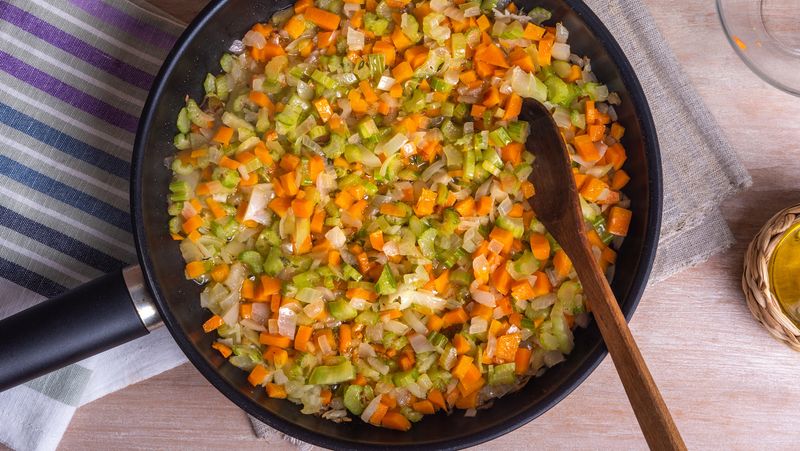
Before anything else goes in the pot, Italians start with a soffritto – a slow cooked mixture of finely chopped onion, celery, and carrot.
This forms the backbone of the soup, creating depth and sweetness that you cannot achieve by just chucking everything in at once.
Many home cooks skip this step or rush it, which leaves the soup tasting flat and one dimensional.
Taking the time to properly sauté the soffritto in good olive oil makes all the difference between a decent soup and a truly memorable one.
4. How Italians Really Use Pasta And Rice In Minestrone
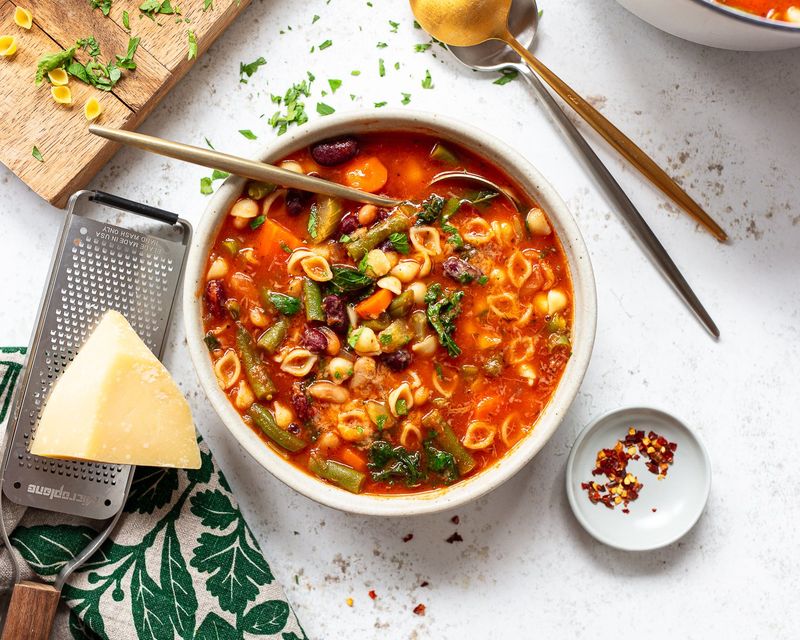
You might think pasta or rice is just filler, but in Italy, they are used thoughtfully and never both at once.
Northern regions tend to favour rice, especially in Lombardy, whilst central and southern areas lean towards small pasta shapes like ditalini or tubetti.
The key is adding them late in the cooking process so they do not turn to mush.
Overcooked pasta or rice is a dead giveaway of a poorly made minestrone, so timing really matters here.
5. The Role Of Beans And Why They Matter So Much
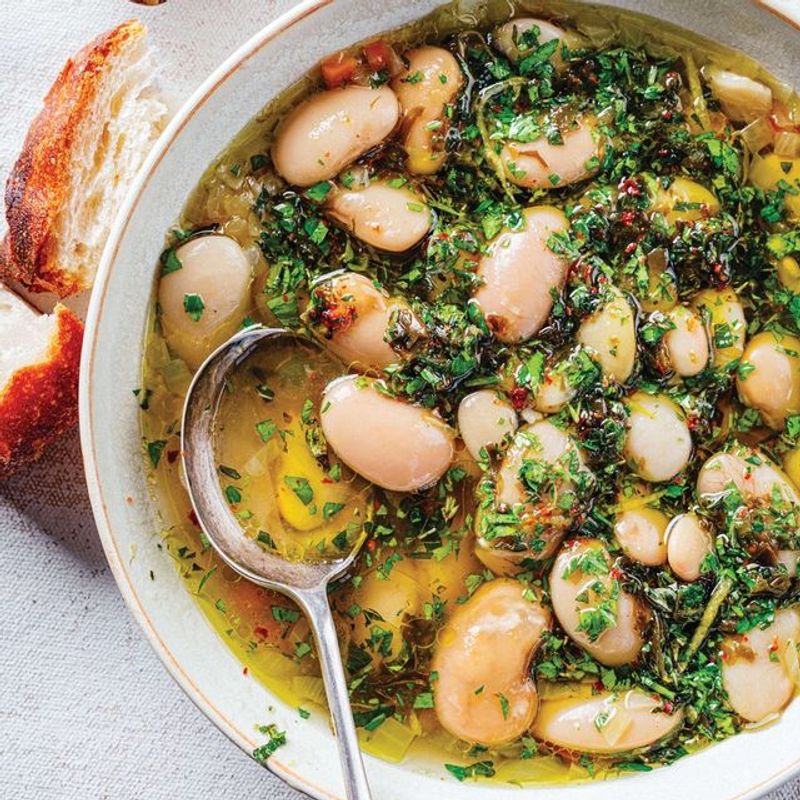
Beans are not optional – they are what give minestrone its hearty, satisfying body.
Italians typically use borlotti or cannellini beans, often cooked from dried rather than tinned, which gives a creamier texture and richer flavour.
Some cooks even mash a few of the beans to thicken the broth naturally, avoiding the need for cream or flour.
Skipping the beans or using the wrong type can leave your soup feeling thin and incomplete, missing that comforting, stick to your ribs quality.
6. Olive Oil Over Butter – A Simple But Crucial Rule
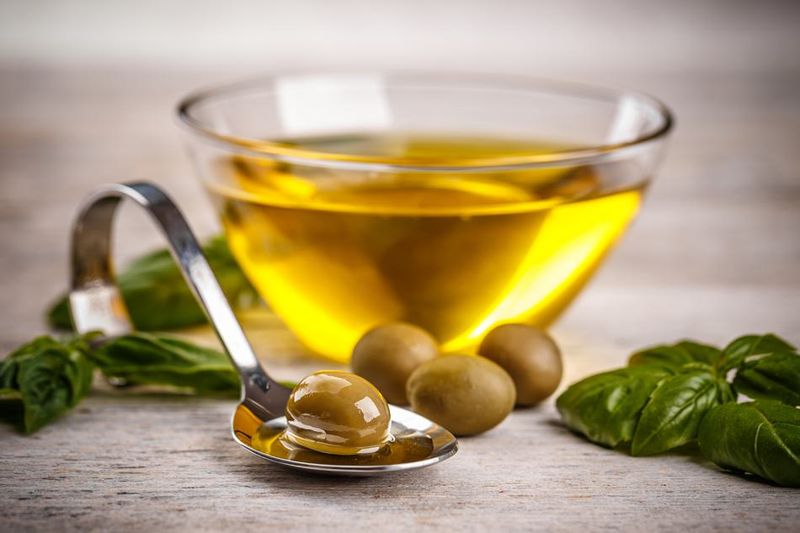
Whilst butter might sneak into northern Italian cooking now and then, traditional minestrone is built on good quality olive oil.
It is used both for cooking the soffritto and as a finishing drizzle, adding a fruity richness that butter just cannot replicate.
Many people outside Italy reach for butter out of habit, but it changes the character of the soup entirely.
A generous glug of extra virgin olive oil at the end brightens everything up and ties the flavours together beautifully.
7. Common Mistakes That Ruin Authentic Minestrone
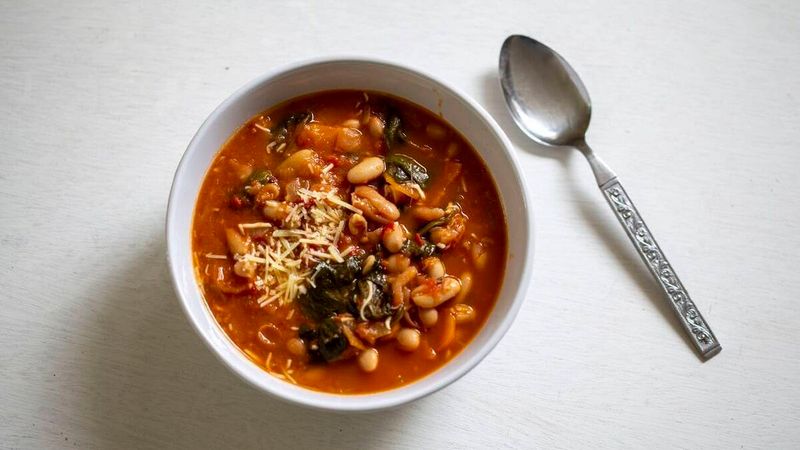
One of the biggest slip ups is adding too much liquid, turning the soup into a watery mess instead of a thick, hearty stew.
Another is overcooking the vegetables until they lose all texture and flavour.
Italians also avoid heavy spices or stock cubes, letting the natural taste of the vegetables shine through.
Rushing the process, skipping the soffritto, or using stale ingredients are all surefire ways to end up with something that tastes more like cafeteria soup than the real deal.
8. Finishing Touches Italians Swear By For Perfect Balance
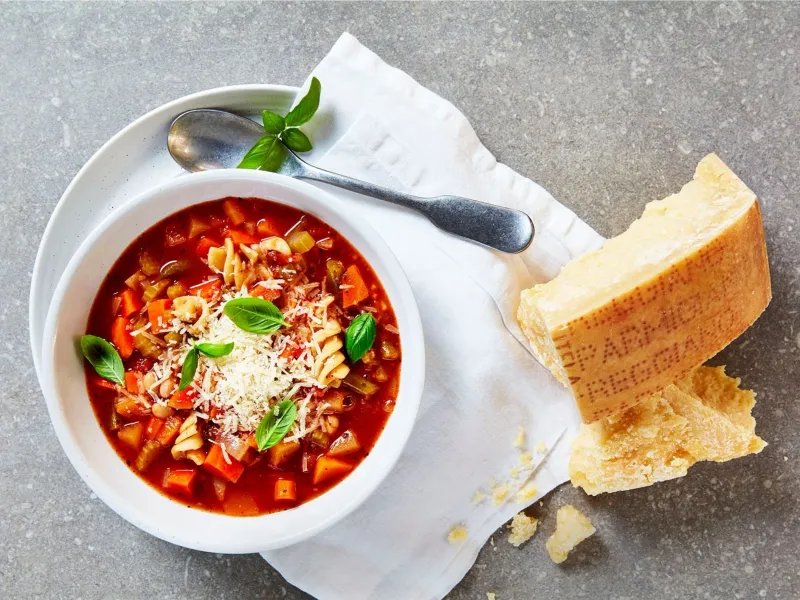
A proper minestrone is never just ladled straight from the pot – it needs a final flourish.
Italians finish theirs with a drizzle of peppery olive oil, a generous grating of Parmigiano Reggiano, and sometimes a handful of fresh basil or parsley.
These last minute additions lift the soup from good to brilliant, adding brightness, richness, and a touch of freshness.
Skipping this step is like leaving a painting half finished – technically done, but missing that final spark.



