













Just because it’s winter doesn’t mean your fruit bowl has to look dull. The colder months actually bring a colourful mix of nutrient-rich fruits that taste as good as they are for you.
Think juicy citrus packed with vitamin C, crisp apples that stay in season, and a few tropical surprises that can chase away those grey-day blues. These winter favourites prove that eating well doesn’t stop when the temperature drops.
This content is for general informational purposes only; it should not be taken as nutritional or medical advice. Individual dietary needs may vary, so consult a qualified professional for personalised guidance.
1. Apples
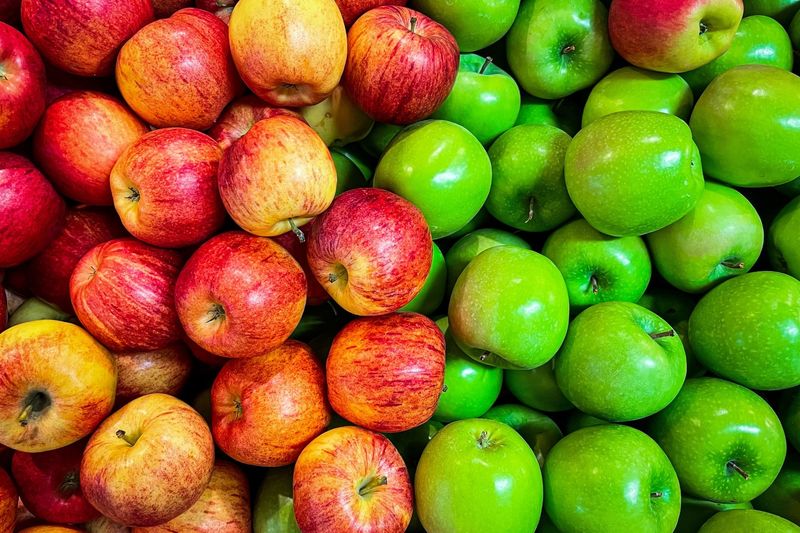
Britain grows more than 2,000 varieties of this crunchy favourite, yet most of us only ever taste about six. Late season varieties like Braeburn and Bramley come into their own during winter months, offering that perfect balance of sweetness and tartness.
The soluble fibre found in these fruits helps keep your digestive system ticking along nicely whilst also supporting healthy cholesterol levels. One medium-sized piece contains around 95 calories and nearly a quarter of your daily vitamin C needs.
Store them in your fridge's crisper drawer to keep them fresh for weeks, and remember they release ethylene gas that can ripen other produce faster.
2. Pears
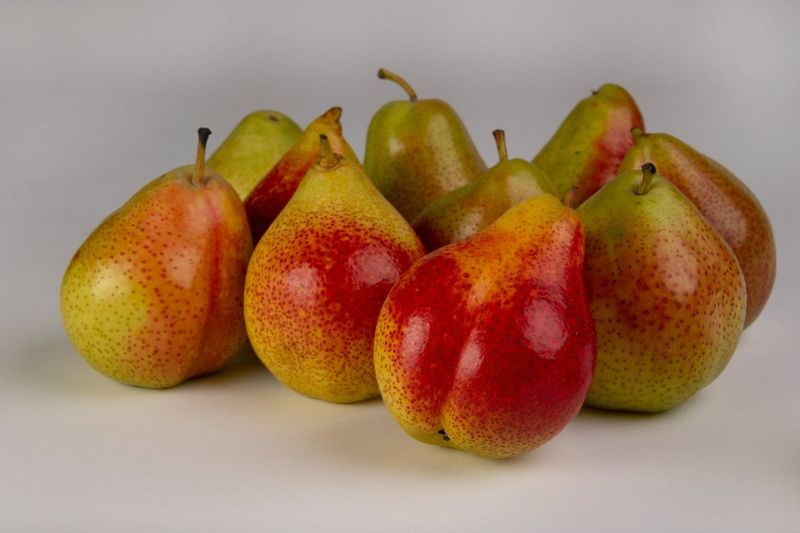
Often overshadowed by their crunchier cousins, these buttery beauties actually contain more fibre per serving than most fruits. Conference and Comice varieties dominate British supermarket shelves from autumn through winter, each offering a subtly different flavour profile that ranges from honey-sweet to delicately floral.
They're brilliant for gut health thanks to pectin, a type of fibre that feeds beneficial bacteria. One medium fruit delivers about six grams of fibre alongside decent amounts of copper and vitamin K.
Buy them firm and let them ripen on your counter for that perfect, juicy texture.
3. Pomegranates
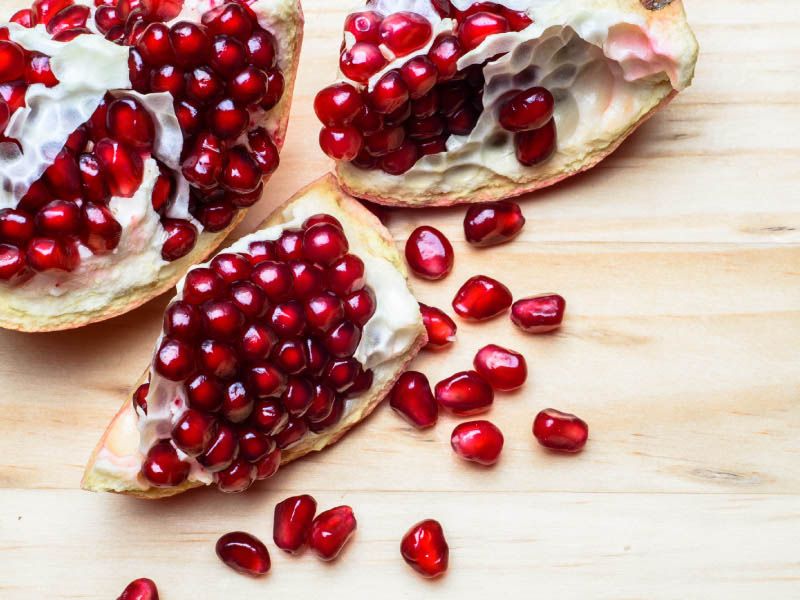
Those jewel-like seeds pack more antioxidants than green tea or red wine, making them proper nutritional powerhouses. Supermarkets stock them throughout winter, often imported from Spain or Turkey, and whilst they look intimidating to open, a simple bowl-and-wooden-spoon method makes extracting the arils surprisingly easy.
Research suggests the polyphenols in pomegranate juice may support heart health and reduce inflammation. Each half cup of arils contains roughly 70 calories, plenty of vitamin C, and a good dose of vitamin K.
Scatter them over porridge, salads, or yoghurt for a tart, crunchy burst.
4. Clementines
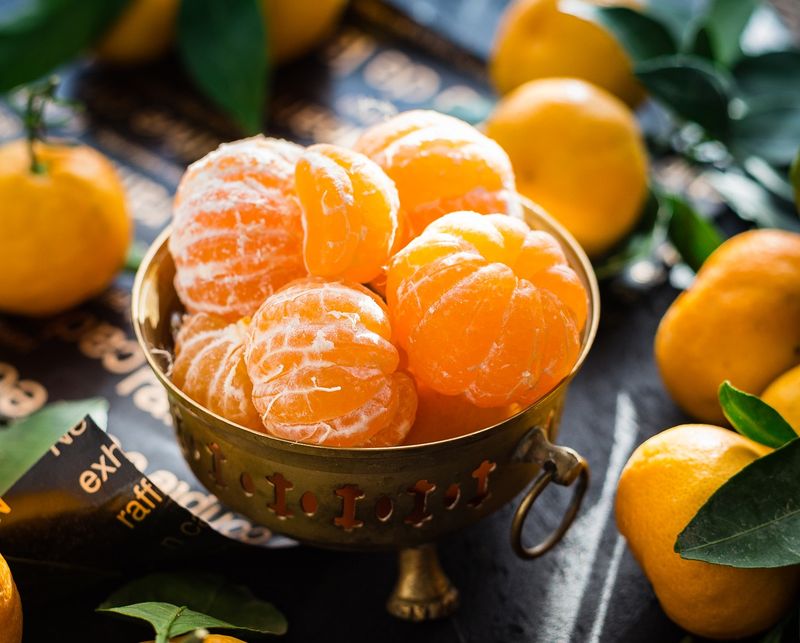
Small enough to fit in a coat pocket, these easy-peelers become absolute staples in British homes come December. Spanish clementines flood our shops from November onwards, offering that perfect sweet citrus hit without the faff of dealing with thick peel or pesky pips.
Each little segment bursts with vitamin C, providing nearly your entire daily requirement in just one fruit. They're also surprisingly hydrating, made up of about 87% water, which is brilliant during winter when we tend to drink less.
Kids adore them for their manageable size and natural sweetness that needs no added sugar.
5. Oranges
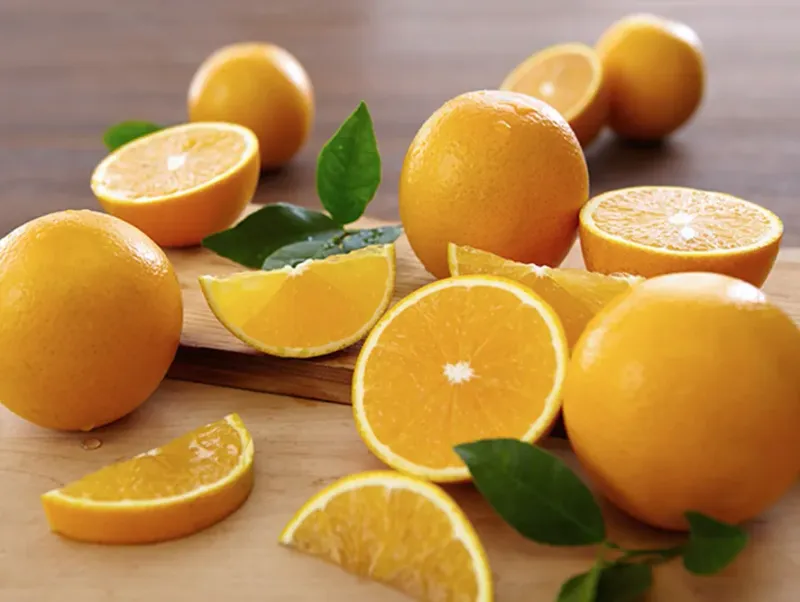
Valencia and navel types remain supermarket staples year-round, but winter specimens tend to be juicier and more flavourful thanks to cooler growing conditions.
Beyond the famous vitamin C content, they're loaded with folate and potassium whilst remaining relatively low in calories at about 60 per medium fruit. The white pith that most people discard actually contains beneficial flavonoids, so don't be too thorough when peeling.
Fresh juice beats shop-bought every time.
6. Grapefruit
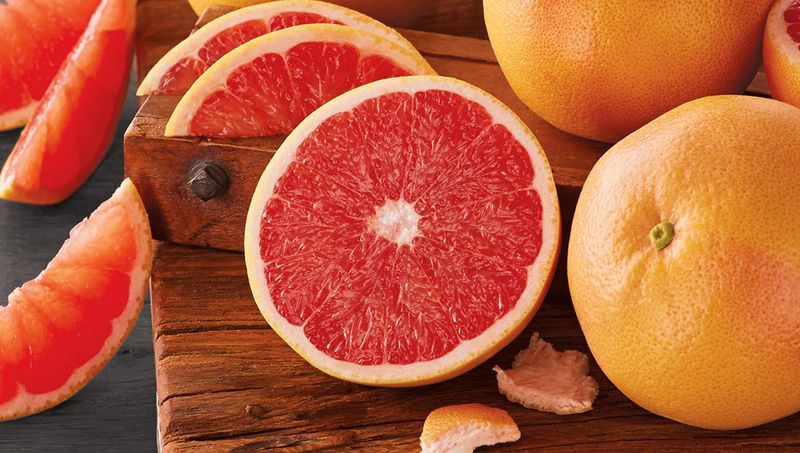
This breakfast classic divides opinion like Marmite, with its bitter-sweet flavour profile either loved or loathed. Pink and ruby varieties tend to be sweeter than their yellow cousins, making them more palatable for those new to the grapefruit game.
Half a grapefruit before breakfast may help with weight management according to some nutritionists, though it's worth noting it can interact with certain medications. It delivers massive amounts of vitamin C and vitamin A whilst being incredibly low in calories at roughly 50 per half.
Sprinkle a tiny bit of sugar on top if the tartness proves too much.
7. Kiwis
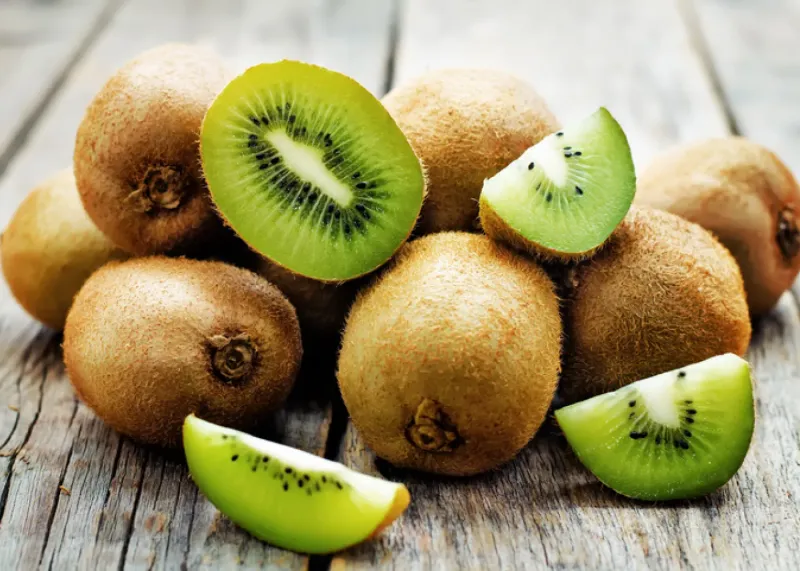
Fuzzy on the outside, emerald green within, these oval oddballs originally hailed from China before New Zealand turned them into an export sensation. Most British supermarkets stock them year-round, but they're at their absolute best during winter months when imported specimens arrive perfectly ripe.
Gram for gram, they contain more vitamin C than oranges, plus decent amounts of vitamin K, vitamin E, and folate. The tiny black seeds are entirely edible and provide a bit of crunch alongside beneficial omega-3 fatty acids.
Eat them with a spoon straight from the skin for minimal fuss and maximum nutrition.
8. Persimmons
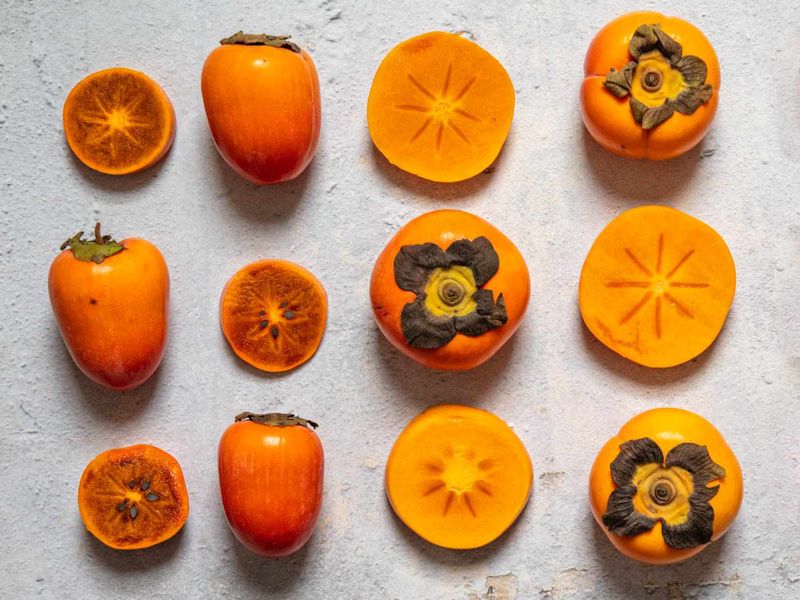
Walk past the exotic fruit section in Waitrose or Tesco and you might spot these glossy orange beauties that look like tomatoes had a makeover. Sharon fruit, the most common variety in Britain, can be eaten whilst still firm, unlike traditional persimmons that need to be squidgy-soft to avoid an unpleasant, mouth-puckering experience.
They're absolutely loaded with vitamin A, providing well over half your daily needs in one fruit, plus fibre and various antioxidants. The flavour sits somewhere between a mango and a date with honey undertones.
Slice them into winter salads for an unexpected sweet element.
9. Cranberries
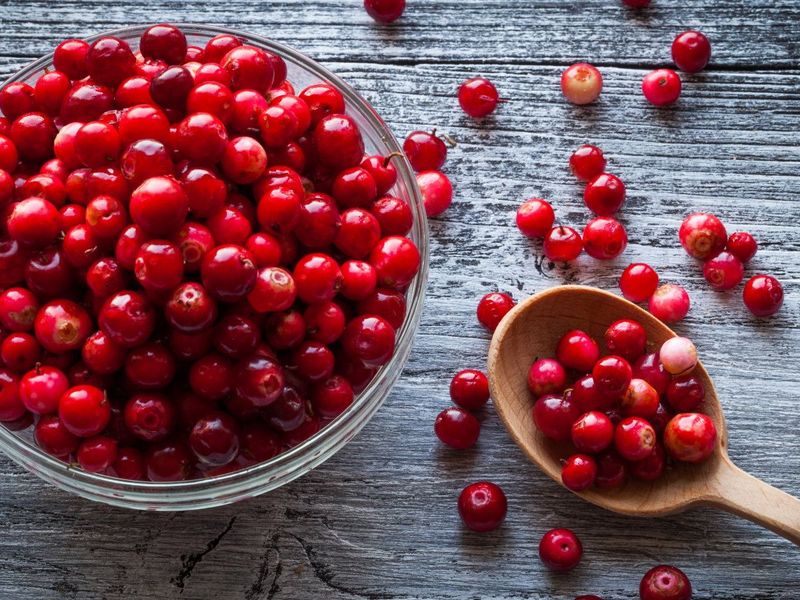
These tart little berries aren't just for Christmas sauce, though that's when they properly shine in British kitchens. Fresh cranberries appear in shops from October through December, offering a zingy alternative to the usual fruit bowl suspects.
They're famous for supporting urinary tract health, though nutritionists recommend unsweetened juice or fresh berries rather than sugar-laden dried versions. Fresh cranberries contain only about 46 calories per cup alongside impressive amounts of vitamin C, vitamin E, and manganese.
Freeze bags of fresh ones to use throughout winter in smoothies, porridge, or homemade muffins for that signature sharp flavour.
10. Pineapples
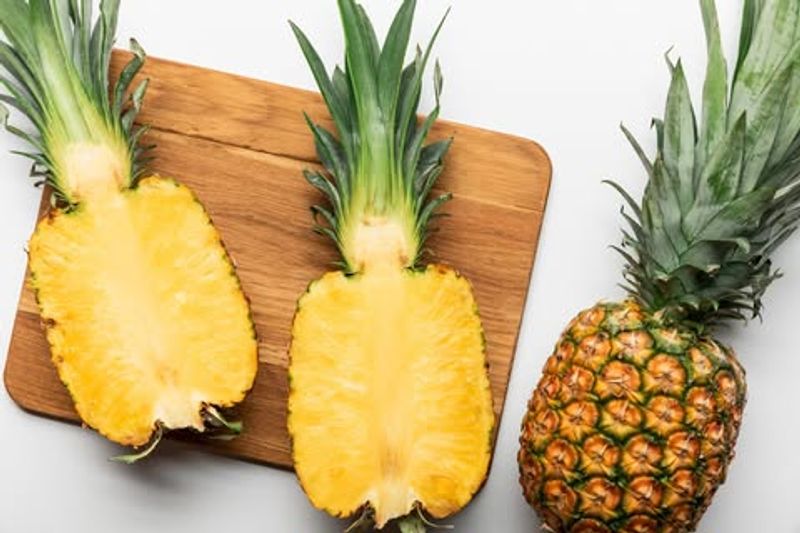
Tropical they may be, but these spiky spheres become surprisingly affordable in British supermarkets during winter months when other fresh fruit options dwindle. Costa Rica and Ghana supply most of our pineapples, with extra-sweet varieties like Golden appearing more frequently on shelves.
The enzyme bromelain found in fresh pineapple aids digestion and may help reduce inflammation according to some research. One cup of chunks delivers your entire daily vitamin C requirement plus manganese and various B vitamins for roughly 80 calories.
Check the base for a sweet smell and slight softness to gauge ripeness before buying.



