













Mushrooms are known for their ability to take on flavour, yet the way they are cooked can make a noticeable difference to their final taste and texture.
Chef Lucas Sin demonstrates a technique that uses a simple ingredient to bring out even more depth in everyday varieties such as shiitake, portobello and oyster mushrooms.
His method focuses on how mushrooms absorb liquid during cooking and shows how a small change can result in a richer, more balanced dish without the heaviness that sometimes comes from frying alone.
This content is for general information only. Cooking methods and results may vary based on equipment, ingredients and individual preferences. Always check reliable sources for food safety advice. Photos are for illustrative purposes only, and actual results may differ.
Why Boiling Helps Mushrooms Absorb More Flavour
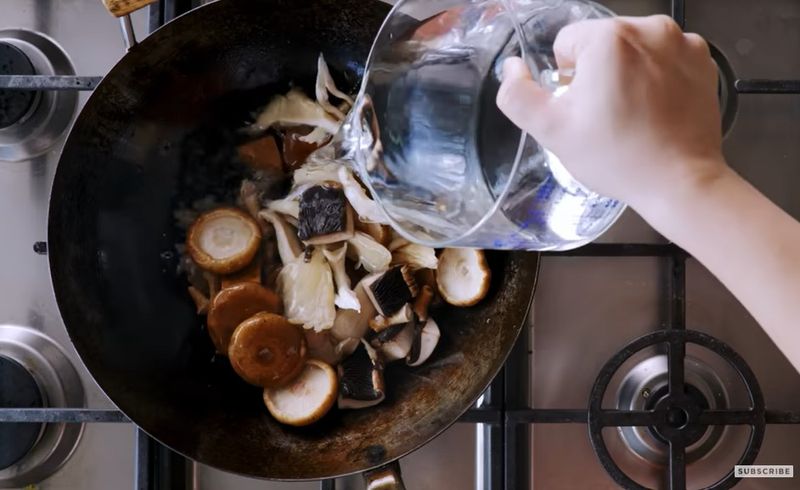
Mushrooms often develop more flavour than expected when cooked thoughtfully, and one chef believes a simple change in method can make a noticeable difference.
Chef Lucas Sin, in a YouTube video, explains that mushrooms behave much like sponges, absorbing whatever they are cooked in.
When fried in oil from the start, they quickly soak up the fat, often leaving cooks tempted to add more, which leads to an overly greasy result.
His alternative is to boil them first, letting the mushrooms take in water instead.
As they simmer for at least 15 minutes, the water gradually evaporates and turns into what he describes as a “nutrient-dense, labour-dense liquid”, effectively creating a natural broth that intensifies their flavour before any oil is added.
How A Simple Two-Step Method Creates A Rich, Caramelised Finish
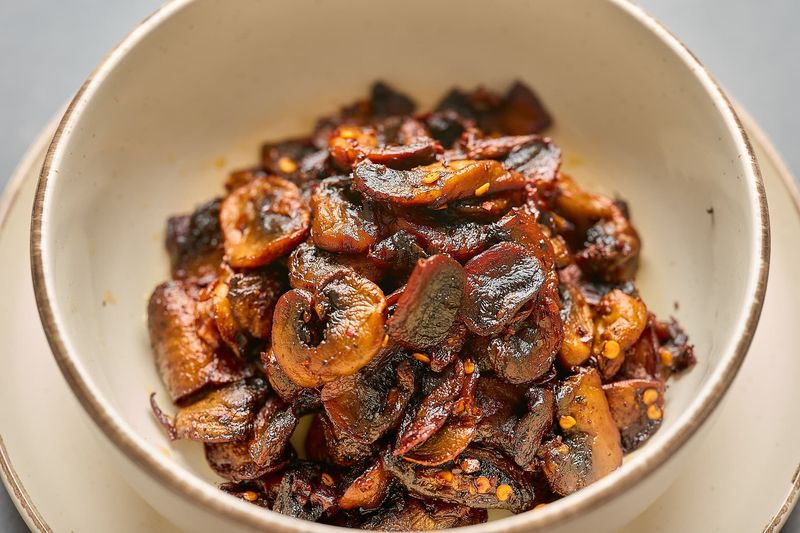
Once the water has completely evaporated, Lucas suggests adding a splash of oil to the wok, allowing the mushrooms to sizzle and form a caramelised crust.
This two-step approach delivers both moisture and depth: the boiling stage enhances flavour from within, while the final fry adds colour and texture without the risk of greasiness.
Lucas notes that the method works well across a range of varieties, including shiitake, portobello and oyster mushrooms, and emphasises keeping the heat at a steady medium to high level to prevent sticking.
The end result, he explains, is a batch of “beautifully glazed, ridiculously flavourful” mushrooms that taste far richer than the minimal ingredients suggest.



