













There’s something wonderfully satisfying about a recipe that looks impressive but takes hardly any effort, and devilled eggs fall perfectly into that category. They’re the kind of bite-sized treat that disappears quickly at parties and somehow tastes even better when you make them yourself.
This article is for general cooking inspiration, and ingredients or methods may vary slightly depending on personal preference and household tradition.
Choosing The Right Eggs From The Start
Great devilled eggs begin with choosing eggs that are a little older, because they really do peel more easily than very fresh ones. Fresh eggs cling tightly to their shells, which is why peeling them can sometimes feel like a battle.
Bringing eggs to room temperature helps prevent cracking when they go into hot water. Starting with eggs that peel cleanly makes the entire recipe feel much smoother from the very beginning.
Boiling Eggs The Foolproof Way
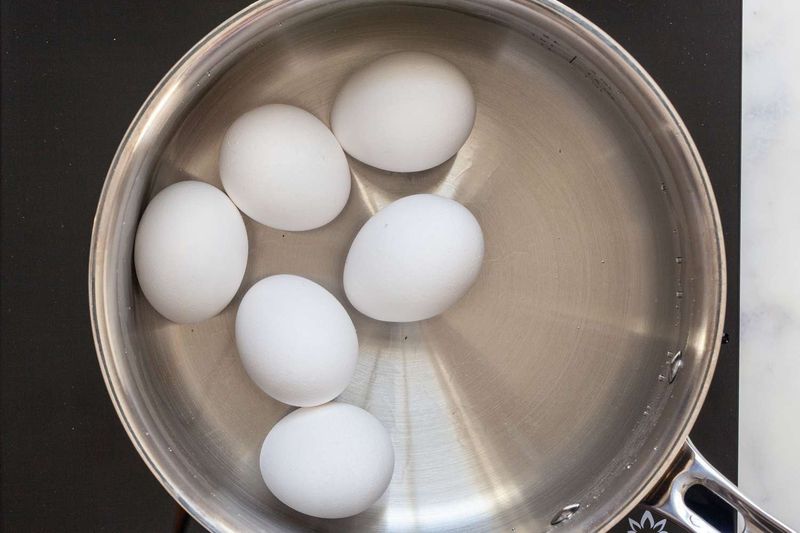
Hard boiling eggs gently is the best way to keep the whites tender and the yolks bright. Letting the eggs sit in hot water after boiling helps them cook evenly without becoming rubbery. Cooling them quickly in ice water stops the cooking process and prevents that greenish-grey ring from forming around the yolk.
This step also makes peeling much easier, which is a welcome bonus when you're making a whole batch.
Peeling The Eggs Like A Pro
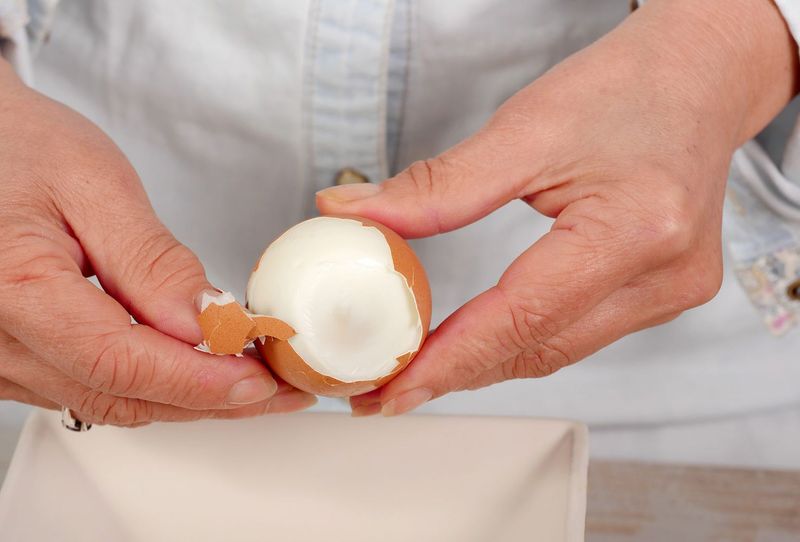
After the eggs have cooled completely in the ice bath, it's time to tackle the peeling process. Gently tap each egg on a hard surface to crack the shell all over, then roll it lightly under your palm to loosen everything.
Starting at the wider end where the air pocket sits usually makes peeling smoother and faster. Rinsing the eggs under cool running water as you peel helps wash away tiny shell fragments and keeps everything tidy.
If you encounter a stubborn spot, just be patient and work slowly to avoid tearing the white. Once all your eggs are peeled and smooth, you're ready to move on to the really fun part of making the filling.
Making A Smooth And Flavourful Filling
Once your eggs are peeled and sliced, the fun part begins. Scoop the yolks into a bowl and mash them until they are soft and crumbly without any big lumps.
The most classic, widely trusted filling uses mayonnaise, mustard and a splash of vinegar or lemon juice to add brightness. A pinch of salt and pepper is essential, and paprika is the traditional finishing touch for colour and warmth.
Mix everything until it is silky smooth, because a well blended filling is what makes a devilled egg feel luxurious even though it is incredibly simple. The beauty of this recipe is that the ingredients are familiar and easy to find.
Filling The Egg Whites Without The Fuss
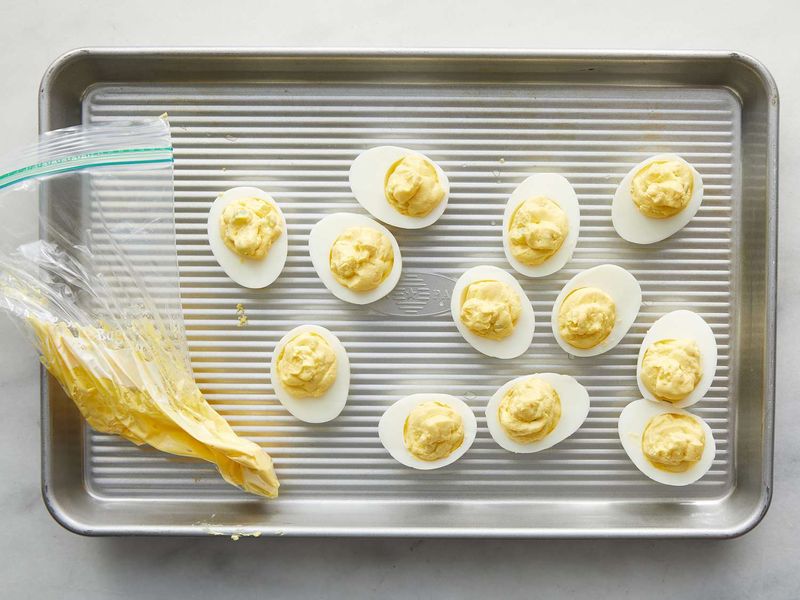
You do not need special equipment to fill devilled eggs beautifully. A spoon works perfectly if you scoop and mound the yolk mixture back into each egg white half.
If you want a neater look, you can pop the filling into a small food bag, snip a corner off and pipe it like icing. The key is not to overfill too early because the mixture needs a bit of space to settle.
You will also notice that the filling tastes even better after it sits for a few minutes as the flavours blend. Devilled eggs always look impressive on a plate, even though the process is wonderfully simple.
Adding Simple Garnishes That Always Work
Classic devilled eggs rely on minimal, reliable toppings. A sprinkle of paprika is the most traditional garnish, adding colour without overpowering the flavour.
A few fresh chives finely sliced over the top also work beautifully and give a little oniony brightness. Some people like to add a tiny slice of pickled gherkin or a touch of finely chopped parsley, both of which are perfectly acceptable traditional choices.
The trick is to keep the garnishes light because the filling is meant to be the star. You want each bite to feel soft, creamy and balanced, not weighed down with too many extras. A simple garnish always makes the dish look finished.
Serving And Storing Them Safely
Devilled eggs are best served chilled, which helps the filling stay firm and flavourful. If you are preparing them for a gathering, you can make them a few hours ahead and keep them covered in the fridge until needed.
They should not sit out at room temperature for more than about two hours because of the mayonnaise, so keeping them cool matters. Leftovers can be stored in an airtight container in the fridge for up to two days.
They rarely last that long, though, because people tend to eat them surprisingly quickly. Once you know this recipe, it becomes one of those reliable dishes you can whip out for holidays, picnics, parties or random cravings.
Customizing Your Devilled Eggs With Confidence
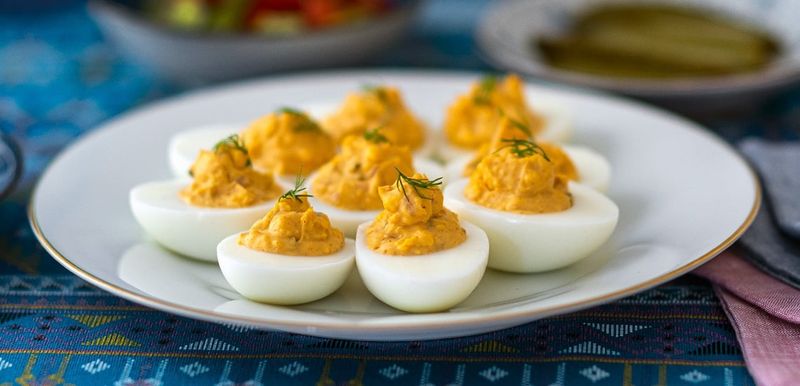
Once you master the basic recipe, you can experiment with fun twists that suit your taste. Adding crispy bacon bits gives a smoky crunch, while a dash of hot sauce brings welcome heat for those who like spice.
Some folks enjoy mixing in finely diced pickles or relish for extra tanginess and texture. You might even try swapping regular mustard for Dijon or whole grain varieties to change up the flavour profile.
The foundation stays the same, but small changes let you make the recipe your own. Devilled eggs are forgiving and adaptable, which is why they remain a beloved classic that never goes out of style no matter the occasion.



