










British food is full of comforting classics, family favourites and nostalgic dishes that many of us grew up with. Sharing these meals with your children is a lovely way to pass down flavours, traditions and little pieces of everyday culture.
From simple teatime staples to weekend treats that have stood the test of time, these dishes capture what makes British cooking so warm and familiar.
Here are the meals every child should experience at least once while they are growing up.
This article is for general information only. Availability and preparation of these dishes can vary by region and household, and any photos shown are for illustrative purposes.
1. Lancashire Hotpot
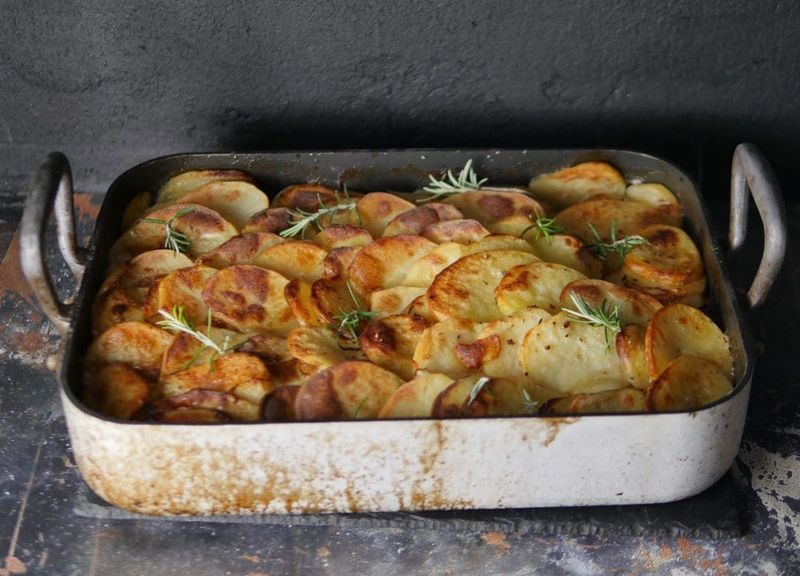
Picture a dish so warming it could thaw the coldest northern evening. Lancashire hotpot is a proper working-class hero, born in the cotton mill towns where families needed something filling and affordable.
Layers of lamb, onions, and sliced potatoes bake together until the top turns golden and crispy. The meat beneath becomes melt-in-your-mouth tender, soaking up all those savoury juices.
Traditionally cooked in a tall earthenware pot, this one-pot wonder has been feeding hungry families since the 19th century. It's comfort food at its finest, and your kids will love digging through those crispy spuds to find the treasures beneath.
2. Cornish Pasty
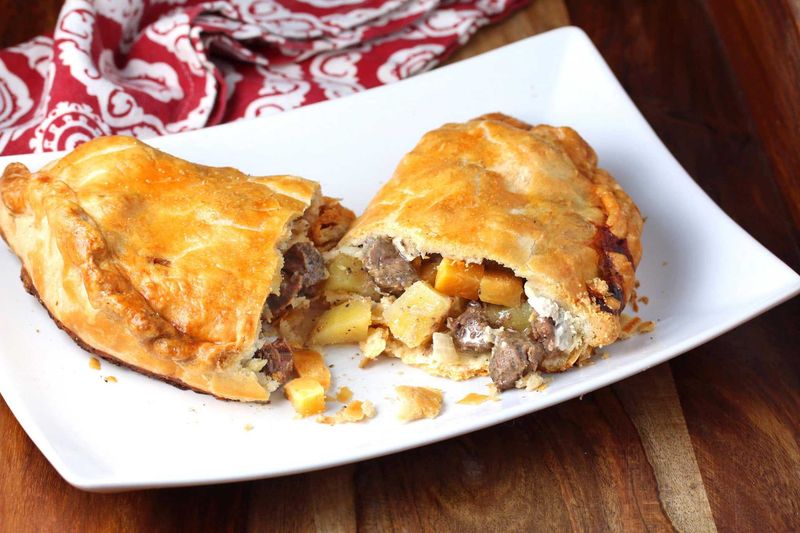
Miners in Cornwall needed lunch they could hold with dirty hands, so their wives crimped pastry along one edge to create a built-in handle. Genius, really.
A proper Cornish pasty contains beef, potato, swede, and onion, all encased in shortcrust pastry with that distinctive D-shape and crimped edge. The filling stays chunky rather than minced, and everything cooks together inside its pastry parcel.
Protected by law since 2011, only pasties made in Cornwall using the traditional recipe can claim the name. Your kids are basically eating a piece of protected culinary history, which makes it sound far more impressive than "pastry with veg in it."
3. Welsh Rarebit
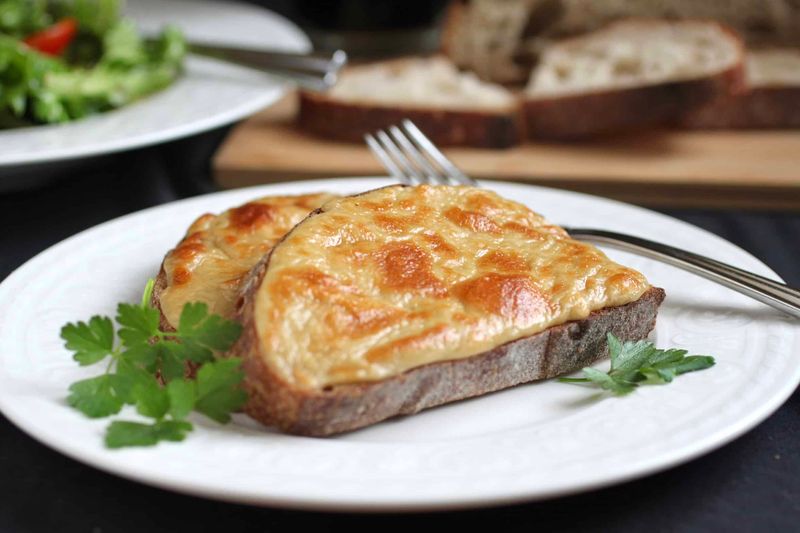
Don't let the fancy name fool you – this is basically posh cheese on toast, and it's absolutely brilliant. The Welsh have been perfecting this since the 1700s, though nobody's quite sure why it's called rarebit.
A mixture of melted cheese, mustard, and sometimes a splash of Worcestershire sauce gets spread on toast and grilled until bubbling. The result is far superior to ordinary cheese on toast, with a savoury depth that makes it proper comfort food.
Some recipes add an egg or use different cheeses, but the principle remains the same. It's quick, satisfying, and proves that simple ingredients done well beat fancy cooking any day.
4. Scotch Egg
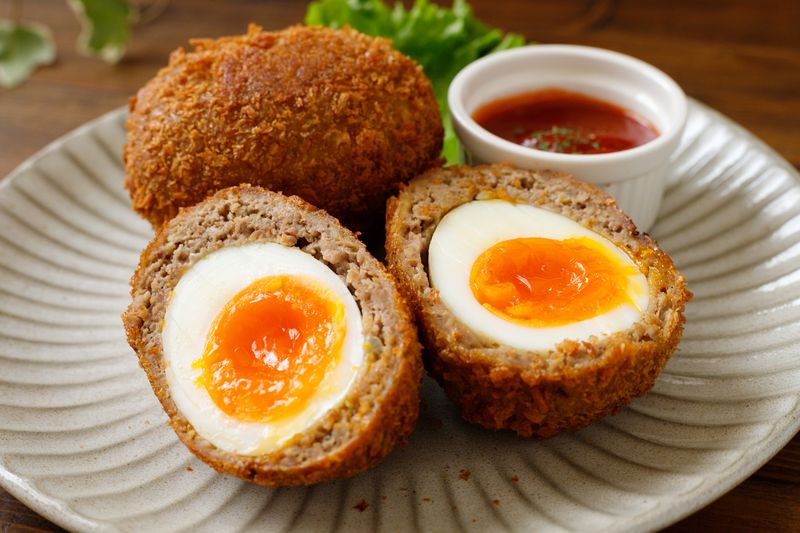
Legend has it that London department store Fortnum & Mason invented these in 1738 for wealthy travellers. Whether that's true or not, wrapping an egg in sausage meat was definitely a stroke of genius.
A hard-boiled egg gets encased in seasoned sausage meat, coated in breadcrumbs, then deep-fried until golden. The best ones have a slightly soft yolk that oozes when you cut into them.
You'll find them everywhere from petrol stations to posh picnics, and quality varies wildly. Making them at home is surprisingly easy and tastes infinitely better than the rubbery supermarket versions. Your kids might find them weird at first, but they're strangely addictive.
5. Stargazy Pie
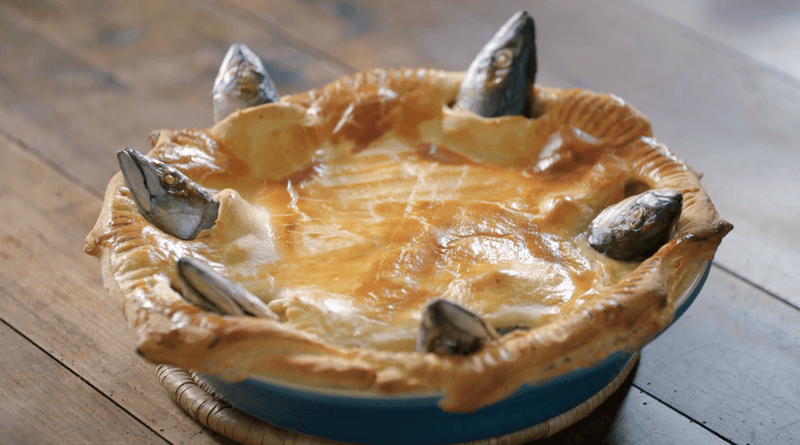
Fish heads staring up through pastry might sound like something from a nightmare, but this Cornish oddity celebrates a local legend. The story goes that fisherman Tom Bawcock braved a storm to save his village from starvation.
Pilchards are baked under pastry with their heads poking out, supposedly gazing at the stars. The heads stay visible to prove there's actual fish inside, not just cheap filler.
Celebrated every 23rd December in Mousehole, Cornwall, this pie is more about tradition than everyday eating. It's admittedly bizarre-looking, but getting your kids to try it makes for brilliant photos and an unforgettable story about British eccentricity at its finest.
6. Cullen Skink
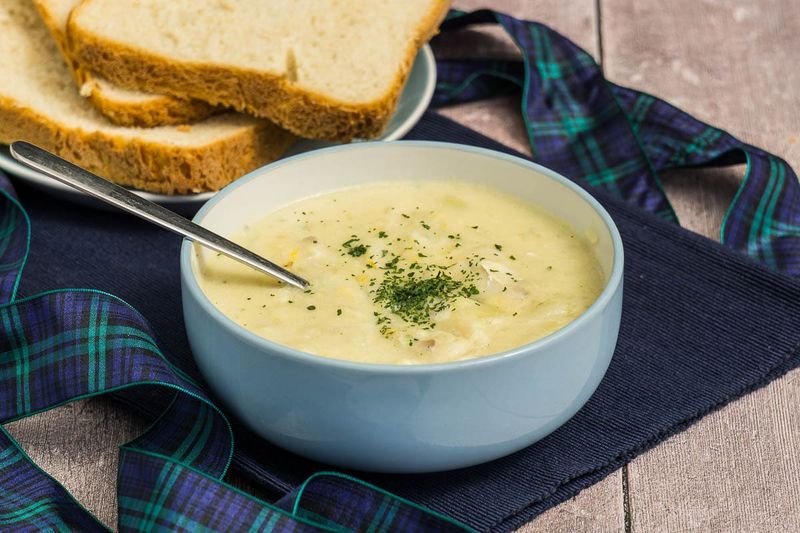
Scottish fishing villages knew how to make the most of their catch, and this thick, creamy soup proves it. Cullen is a town in Moray, and skink is an old Scots word for soup or stew.
Smoked haddock simmers with potatoes, onions, and milk until everything becomes wonderfully creamy and comforting. The fish flakes into tender chunks, and the smokiness permeates every spoonful.
It's like a Scottish version of chowder but with its own distinct character. Serve it with crusty bread for dipping, and even kids who claim to hate fish often find themselves won over by its gentle, smoky flavour and velvety texture.
7. Bubble And Squeak
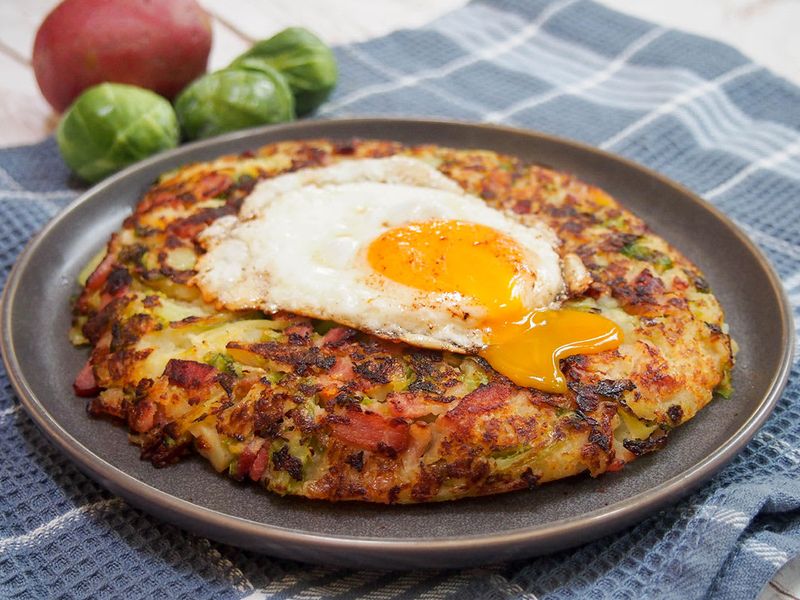
Frugal British cooks have been frying up leftovers since the 1700s, and the name supposedly comes from the sounds it makes in the pan. Waste not, want not, as your gran would say.
Leftover mashed potato and cabbage get mixed together, shaped into patties, and fried until crispy and golden. Some versions include other veg like carrots or Brussels sprouts from Sunday dinner.
The outside turns beautifully crunchy whilst the inside stays soft and fluffy. It's traditionally served with a fried egg on top for breakfast, turning yesterday's dinner into today's brilliant start. Your kids might not realise they're eating reheated veg, which is half the battle won.
8. Eton Mess
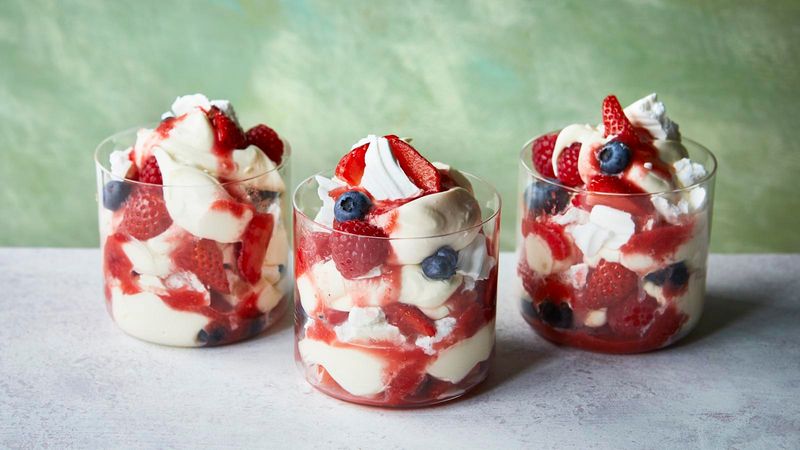
Supposedly created when a Labrador sat on a picnic basket at Eton College, though that's probably just a charming fib. Either way, this gloriously messy dessert has become a summer staple.
Crushed meringue mixes with whipped cream and fresh strawberries to create something that's both elegant and completely unpretentious. There's no fancy technique required – you literally just smash it all together.
The meringue softens slightly from the cream, creating different textures in every spoonful. It's served at Wimbledon, posh garden parties, and regular family dinners alike. Kids adore it because it's sweet, creamy, and you're actively encouraged to make a mess whilst eating it.
9. Bakewell Pudding
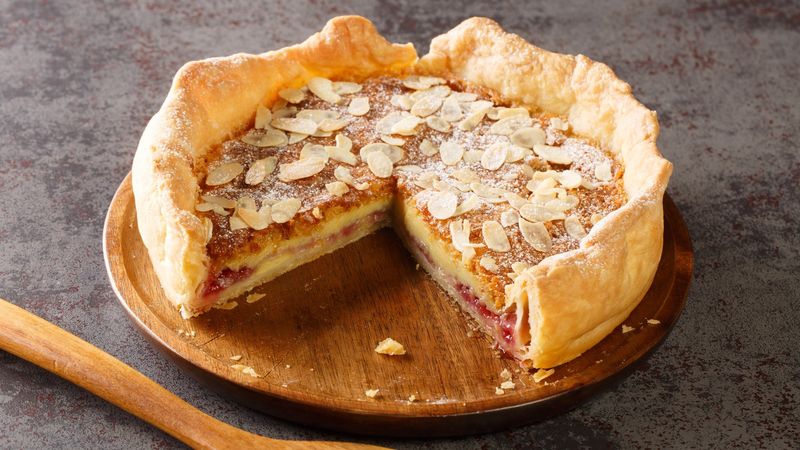
A cook at the Rutland Arms Hotel in Bakewell supposedly made this by accident in the 1860s, spreading egg mixture on jam instead of mixing it into the pastry. Happy accidents taste delicious, apparently.
Flaky pastry forms the base, topped with jam and a rich almond-flavoured filling that puffs up during baking. It's different from Bakewell tart, which has a sponge layer and icing.
Served warm with custard or cream, this Derbyshire speciality is proper old-fashioned comfort pudding. The original shop in Bakewell still makes them to the secret recipe, and locals will fiercely defend the pudding versus tart debate. Your kids just need to know it tastes brilliant.