











Ever wondered why restaurant sauces taste so much better than the ones you make at home? It’s not magic or expensive gear – it’s all about technique. With a few clever tweaks, you can transform even the simplest sauce into something rich, balanced, and bursting with flavour.
These easy at-home upgrades will help you turn everyday meals into something that tastes far more impressive than the effort involved.
This article is for general informational purposes only. Ingredient availability, results, and flavour may vary depending on preparation methods and personal taste.
Add A Splash Of Stock

Here's something most home cooks overlook: professional kitchens rarely use plain water to thin their sauces. Stock brings an instant depth that water simply can't match, adding layers of savoury goodness without any extra effort.
Whether you're making a quick pasta sauce or gravy, keeping a carton of good quality stock in your cupboard is like having a secret weapon. Chicken stock works beautifully with creamy sauces, whilst vegetable stock is brilliant for lighter dishes. Even a couple of tablespoons can transform something ordinary into restaurant quality, and you'll taste the difference straight away.
Stir In Fresh Herbs At The End
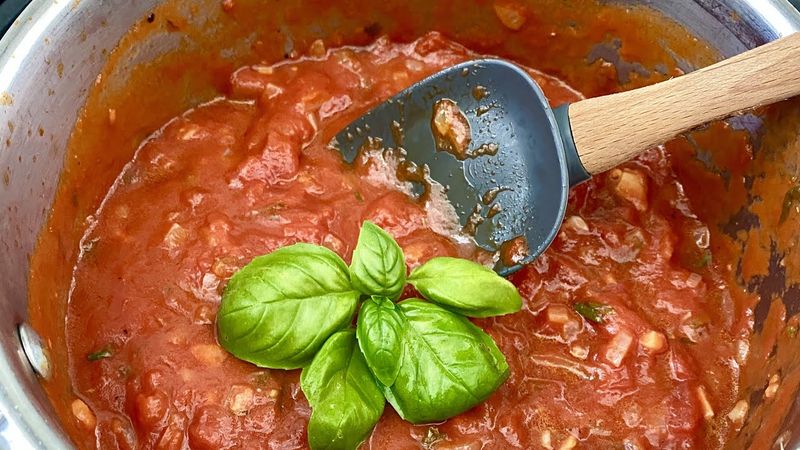
Dried herbs have their place, but nothing beats the brightness that fresh herbs bring to a finished sauce. Adding them right at the end preserves their vibrant colour and punchy flavour, which disappears if you cook them too long.
Parsley, basil, coriander, or chives – each one brings its own personality to the plate. A handful of chopped fresh herbs scattered through your sauce just before serving lifts everything up a notch. It's a trick borrowed straight from bistros across Britain, and it costs pennies but looks (and tastes) like you've really made an effort.
Use A Knob Of Butter For Gloss
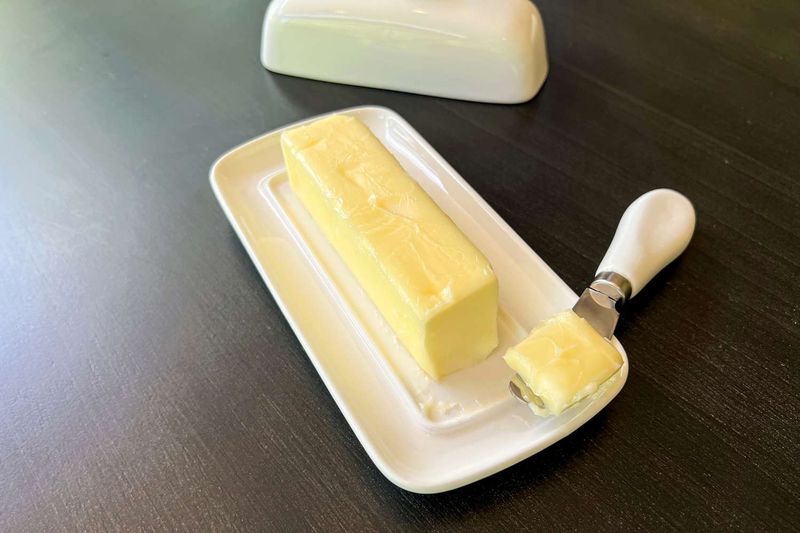
French chefs have been doing this for centuries, and there's a reason it's stuck around. Whisking in a small knob of cold butter at the very end – a technique called 'monter au beurre' – gives your sauce a luxurious sheen and silky mouthfeel that's hard to beat.
You don't need much; just a tablespoon or so will do the trick. The butter emulsifies into the sauce, creating that glossy finish you see in fancy restaurants. It works wonders on tomato sauces, pan gravies, and even simple reductions, making everything taste richer without being heavy.
Mix In A Spoon Of Mustard Or Pesto

Sometimes all a sauce needs is a little kick of flavour, and that's where a spoonful of something punchy comes in handy. Mustard adds tang and warmth, whilst pesto brings herby, garlicky richness that transforms even the simplest cream sauce into something special.
British supermarkets stock brilliant varieties – from Colman's English mustard to fresh basil pesto. Just a teaspoon stirred through can completely change the character of your dish. Try mustard in cheese sauces or creamy chicken dishes, and pesto in pasta or vegetable sauces for an instant flavour boost that feels restaurant worthy.
Balance Flavours With A Touch Of Acid
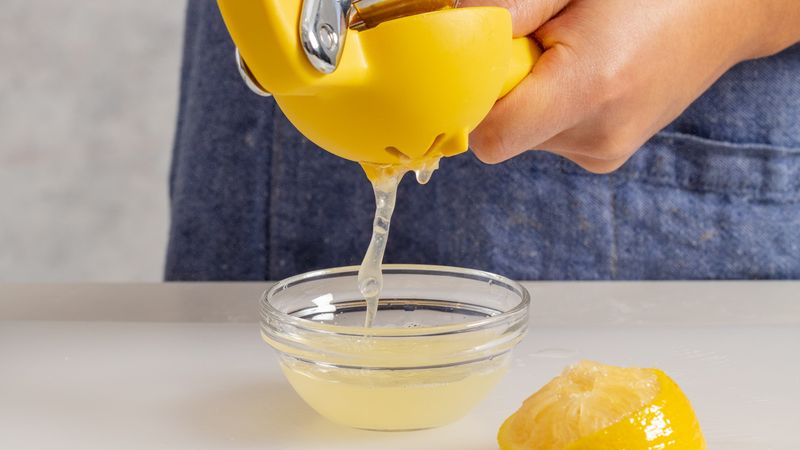
Professional chefs know that a sauce can taste flat if it's missing acidity. A small squeeze of lemon juice, dash of vinegar, or splash of white wine at the end brightens everything up and makes the other flavours pop rather than sitting heavy on your tongue.
Acid cuts through richness and adds balance, which is why tomato sauces often benefit from a pinch of sugar and a splash of balsamic. Start with just a little – you can always add more – and taste as you go. It's the final touch that separates good sauces from truly memorable ones.