













Every kitchen has its go-to herbs – parsley, basil, and coriander usually take centre stage. But beyond those familiar names lies a world of flavour that too often gets ignored.
From delicate leaves that lift simple sauces to bold herbs that can completely change a dish, these overlooked varieties deserve a place in your pantry. It’s time to give them the attention they’ve long been missing.
This article is for general informational purposes only. Availability, taste, and flavour intensity of herbs may vary depending on growing conditions and preparation methods.
1. Tarragon
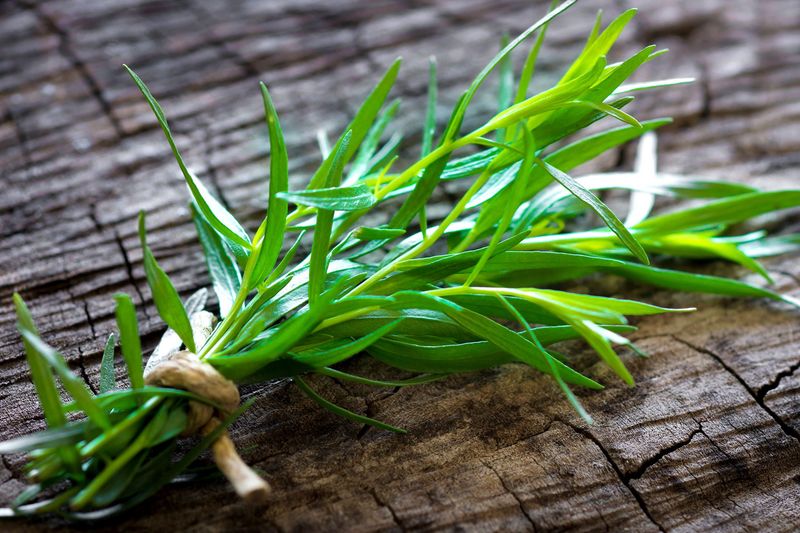
French chefs guard this one like a secret recipe, but it's criminally underused in British kitchens. With a subtle anise flavour that's nowhere near as aggressive as liquorice, it brings elegance to chicken, fish, and creamy sauces without overpowering them.
Pop it into béarnaise sauce or whisk through scrambled eggs for a proper breakfast upgrade. Fresh tarragon bruises easily, so add it near the end of cooking to preserve that delicate, sophisticated taste that makes simple dishes feel restaurant worthy.
2. Marjoram
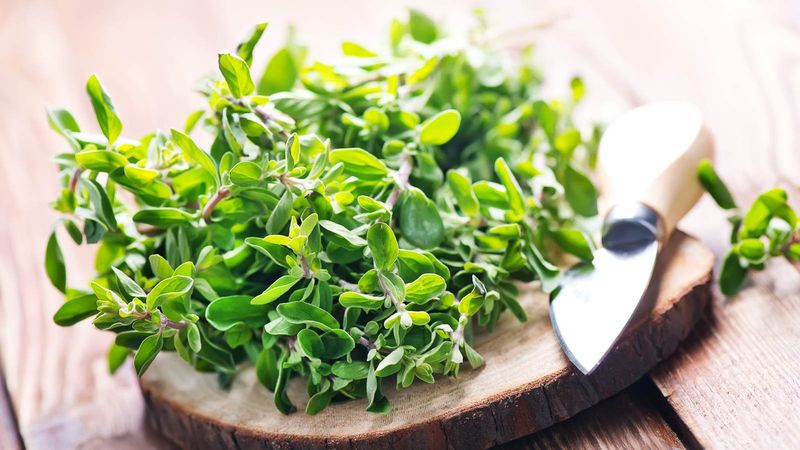
Often mistaken for oregano's boring cousin, marjoram actually deserves its own spotlight. Sweeter and more refined than its Mediterranean relative, it works brilliantly in slow cooked stews, sausage dishes, and roasted vegetables where oregano might bully the other flavours.
You'll find it growing happily in British gardens, and it dries beautifully too. Try rubbing it onto pork chops before grilling or stirring through tomato based pasta sauces for a gentler, more nuanced herby note that won't compete with garlic.
3. Chervil
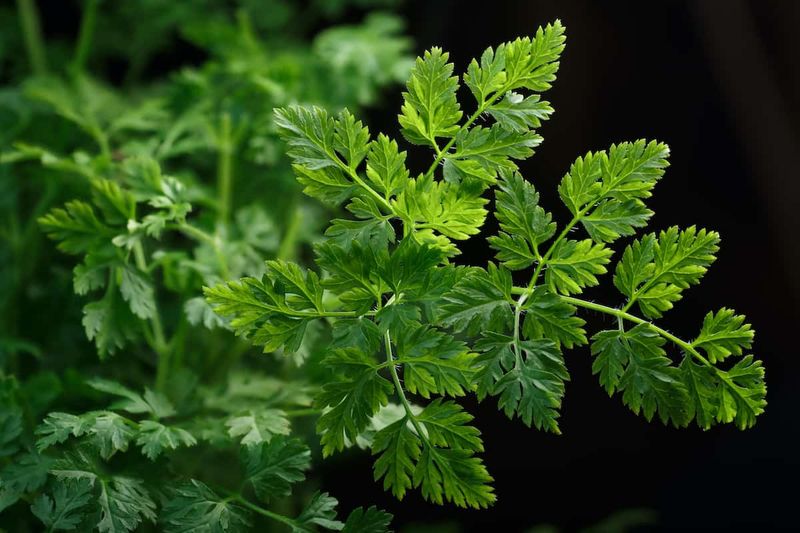
Looking a bit like parsley's daintier sibling, chervil brings a mild aniseed whisper and a touch of class to spring dishes. It's one of the classic French fines herbes, yet most British cooks haven't even heard of it.
Because its flavour is so delicate, chervil doesn't take kindly to heat, so scatter it over finished soups, omelettes, or new potatoes just before serving. It pairs beautifully with seafood and asparagus, adding a refined freshness that feels distinctly elegant without any fuss whatsoever.
4. Lovage
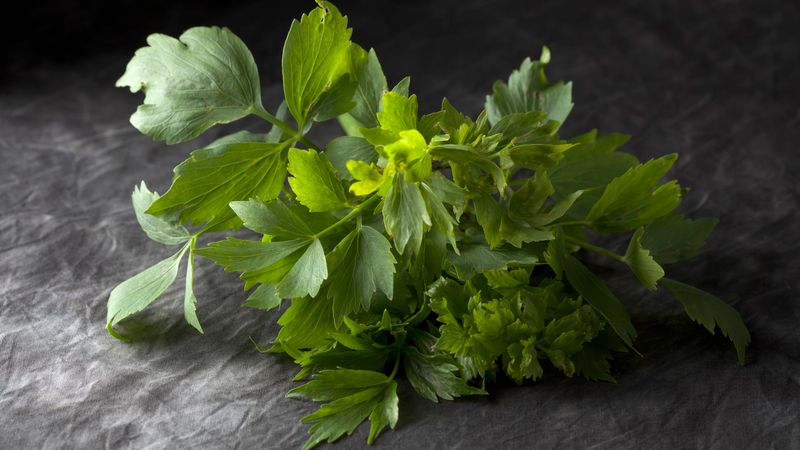
If celery and parsley had a love child, lovage would be it, but with far more personality. This powerhouse herb grows like a weed in British gardens, shooting up to impressive heights, yet hardly anyone uses it in the kitchen.
A little goes a long way because the flavour is intense and savoury, almost meaty in its depth. Chop the leaves into broths, potato salads, or Bloody Marys for a punchy, umami rich kick that's leagues more interesting than celery sticks.
5. Savory
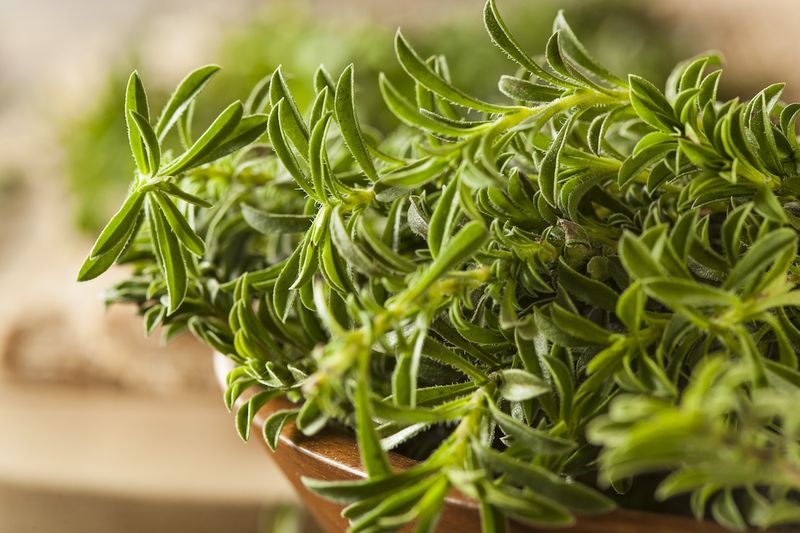
There are two types, summer and winter, but both pack a peppery, thyme like punch that works wonders with beans and lentils. In fact, Germans call it the bean herb because it cuts through the starchiness beautifully and aids digestion too.
Summer savory is milder and better for delicate dishes, while winter savory brings a more robust, piney flavour. Toss it into vegetable soups, sprinkle over roasted root veg, or mix into stuffing for a savoury depth that's earthy without being heavy or overpowering.
6. Lemon Balm
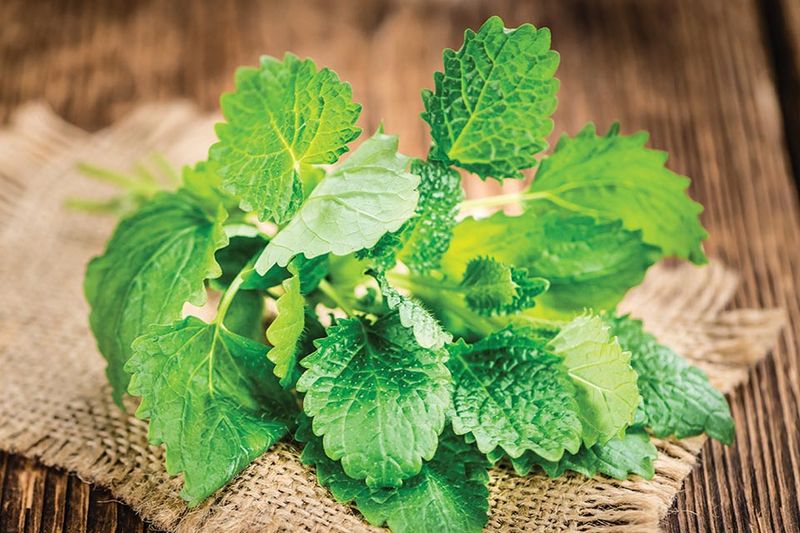
Smelling like a cross between mint and lemon sherbet, this cheerful herb is more often brewed into tea than used in cooking, which is a real shame. It grows rampantly in British gardens and self seeds everywhere, so you're never short of supply.
Use it to brighten up fruit salads, fold into whipped cream for desserts, or chop through green salads for a citrusy lift. It's also lovely muddled into iced drinks or scattered over grilled fish for a refreshing, summery finish.
7. Sorrel
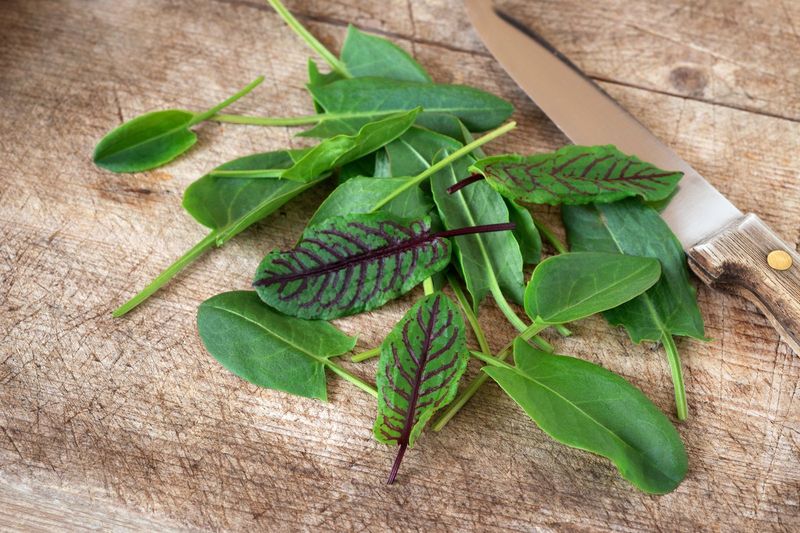
With a sharp, lemony tang that wakes up your taste buds, sorrel is a proper springtime treat that most British cooks ignore completely. It wilts down like spinach but brings a zingy acidity that cuts through rich, fatty dishes beautifully.
Classic French sorrel soup is silky and vibrant, but you can also shred it raw into salads or stir through creamy sauces for fish. Just remember it loses its bright green colour when cooked, turning a murky olive, but the flavour remains gloriously tart and refreshing.
8. Thai Basil
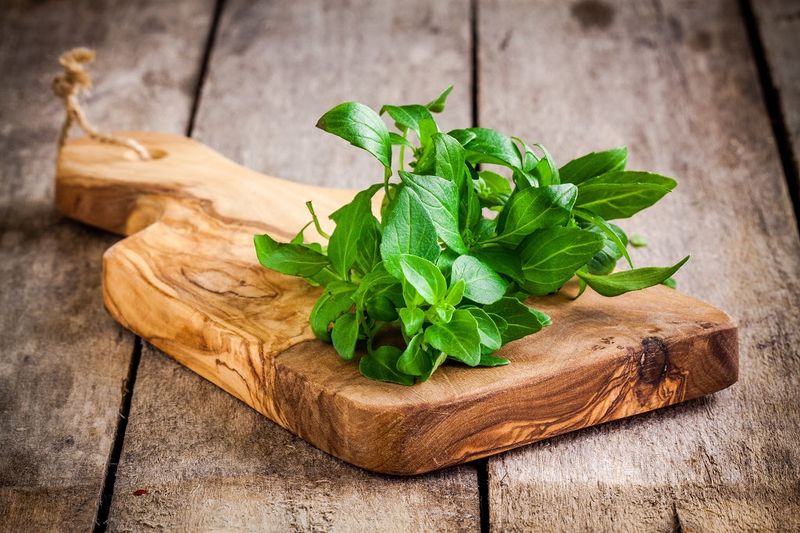
Not your standard supermarket basil, this variety brings a spicy, anise like edge that's essential in Southeast Asian cooking but rarely explored beyond that. You'll spot it by its purple stems and slightly serrated leaves, and it holds up to heat far better than Italian basil.
Stir it through curries, toss into stir fries, or tear over pho for an authentic aromatic punch. Many Asian grocers and even some Tesco stores stock it now, so there's no excuse not to experiment.



