










No one enjoys hearing that their go-to snacks or drinks could be harming their smile, but dental experts say some everyday favourites can do just that.
Common foods found in many diets may wear down enamel, promote cavities, or increase sensitivity over time. Here are twelve popular foods that dentists often recommend cutting back on to help keep your teeth healthy.
This article is for general informational purposes only and should not replace professional dental advice. Always consult a qualified dentist for personal guidance.
1. Sugary Sweets And Snacks
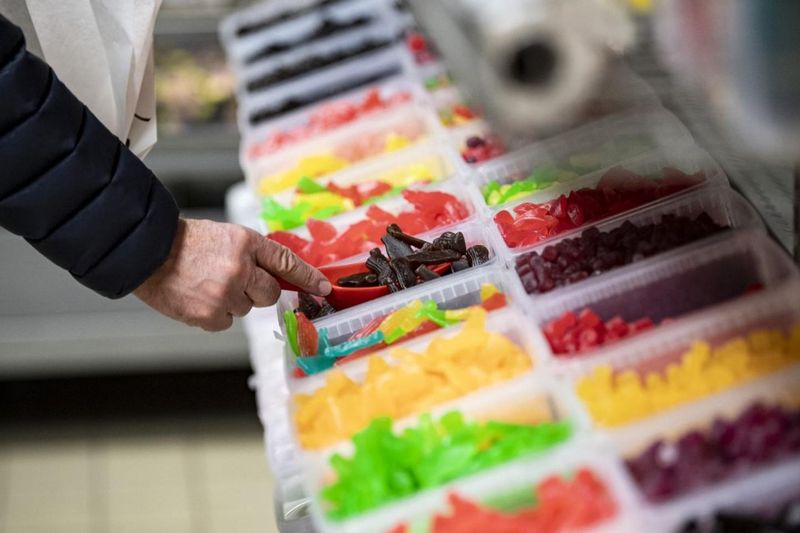
Ever wondered why dentists hand out sugar-free lollies at the end of appointments? It's because regular sweets are basically a five-star hotel for bacteria in your mouth. When sugar lingers on your teeth, harmful bacteria feast on it and produce acid that eats away at enamel.
Classic British treats like Haribo, fizzy cola bottles, and sticky toffees are some of the worst offenders because they cling to teeth for ages. Even seemingly innocent chocolate bars can leave a sugary residue that hangs about long after you've finished munching.
2. Sugary And Fizzy Drinks
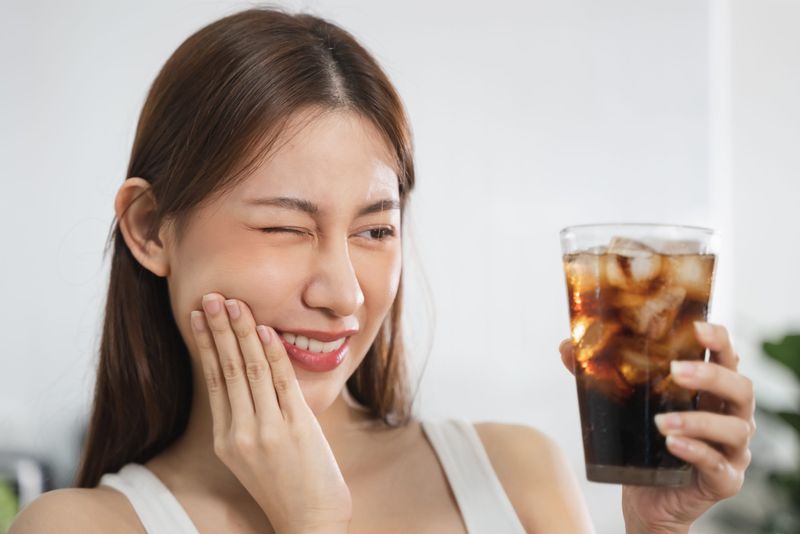
That afternoon can of Coke or Fanta might seem harmless, but it's a double threat to your gnashers. Fizzy drinks combine sugar with carbonic acid, creating a perfect storm that attacks tooth enamel from multiple angles at once.
Even diet versions aren't off the hook, as the acid alone can cause serious erosion over time. Dentists often see patients who sip soft drinks throughout the day, which means teeth are constantly bathed in acid with no chance to recover between attacks.
3. Acidic Fruits And Juices
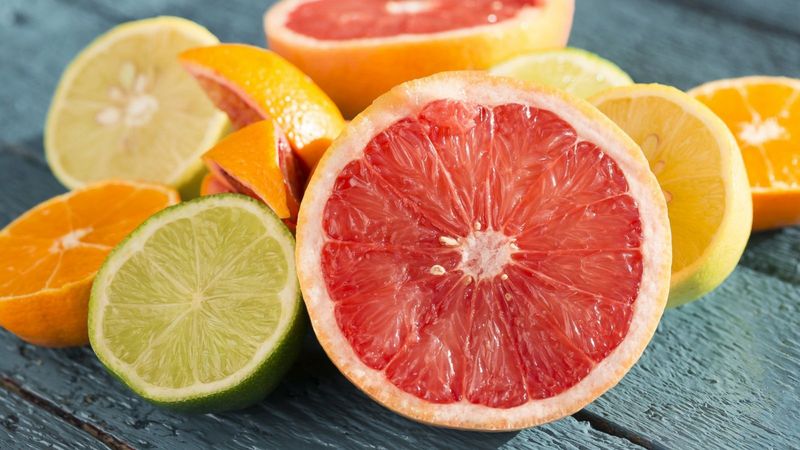
Fruit juice seems like a healthy choice, especially when you're grabbing a Tropicana from Tesco for breakfast. But here's the kicker: orange juice and other citrus drinks are surprisingly acidic, which softens enamel and makes teeth vulnerable to decay.
Fresh fruits like lemons, limes, and grapefruits pose similar risks when eaten frequently or in large amounts. Dentists suggest drinking acidic juices through a straw and rinsing your mouth with water afterwards to minimise damage to your teeth.
4. White Bread And Refined Carbohydrates
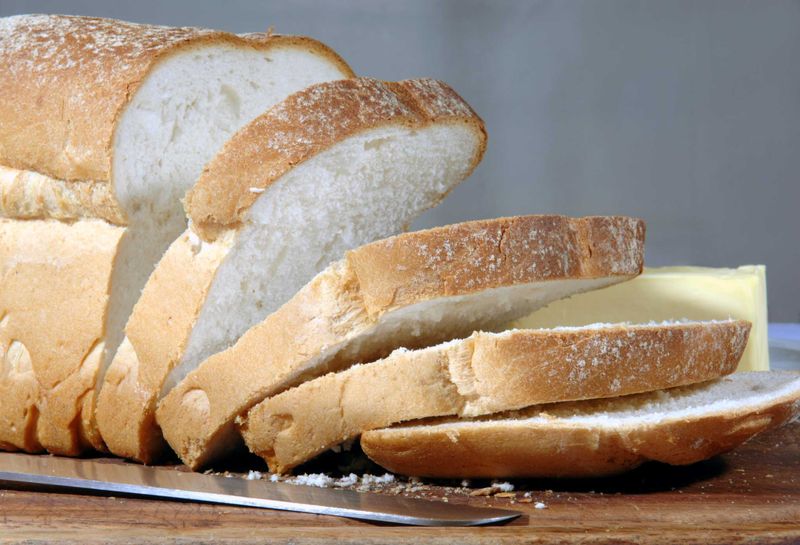
A classic bacon butty on white bread is a British institution, but your teeth might not be quite as keen on it as your taste buds. When you chew white bread, your saliva breaks down the starches into sugar almost immediately, turning your mouth into a breeding ground for bacteria.
Refined carbs like white bread, pastries, and crumpets also tend to get stuck between teeth, giving bacteria even more time to work their destructive magic. Switching to wholegrain options can help reduce the risk.
5. Dried Fruits
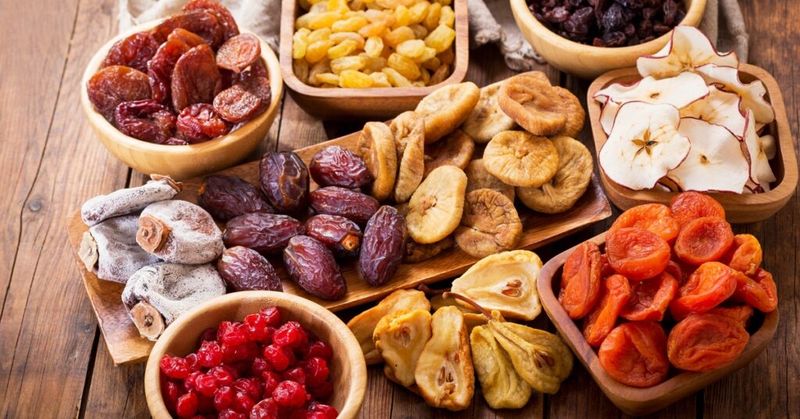
Raisins, apricots, and other dried fruits might seem like a virtuous snack choice, but they're surprisingly problematic for teeth. Because the drying process concentrates the natural sugars, you're essentially munching on sticky, sugar-dense little bombs that cling to molars and crevices.
Unlike fresh fruit, dried versions lack the water content that helps wash away sugars naturally. They're also chewy, which means they tend to get wedged between teeth where bacteria can have a proper field day breaking down the sugars into enamel-eroding acid.
6. Coffee And Tea
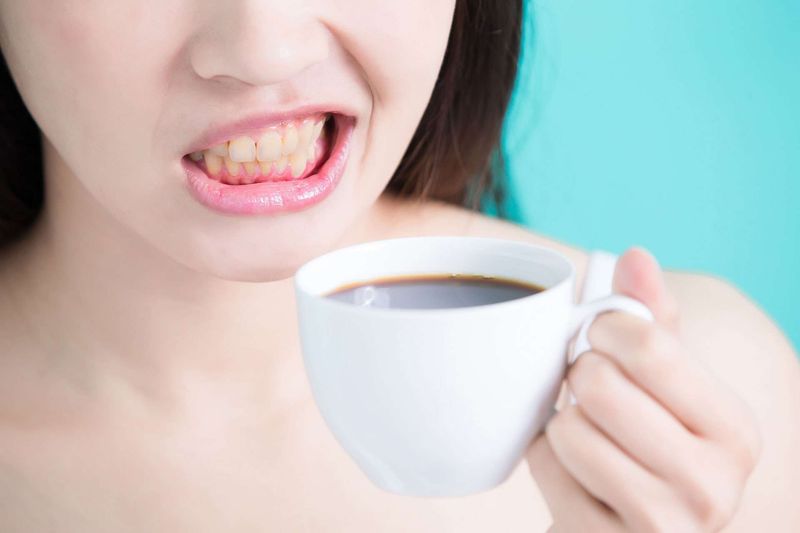
Britain runs on tea and coffee, but your daily brew might be staining and weakening your teeth without you realising it. Both beverages are acidic and contain tannins, which can cause discolouration and erode enamel over time, especially if you're sipping them all day long.
Adding sugar makes matters worse, turning your morning cuppa into a double dental threat. Dentists recommend drinking your tea or coffee in one sitting rather than nursing it for hours, and rinsing with water afterwards to protect your smile.
7. Alcoholic Drinks

Many popular drinks enjoyed socially can dry out your mouth, reducing saliva production and leaving teeth vulnerable to decay. Saliva is essential for neutralising acids and washing away food particles, so when it's in short supply, bacteria have free rein to cause damage.
Certain beverages also contain high levels of sugar and acid, creating a hostile environment for tooth enamel. Dentists often see increased decay in patients who frequently consume these drinks, especially when sipped slowly over long periods at social gatherings or after work.
8. Ice Cubes And Hard Foods
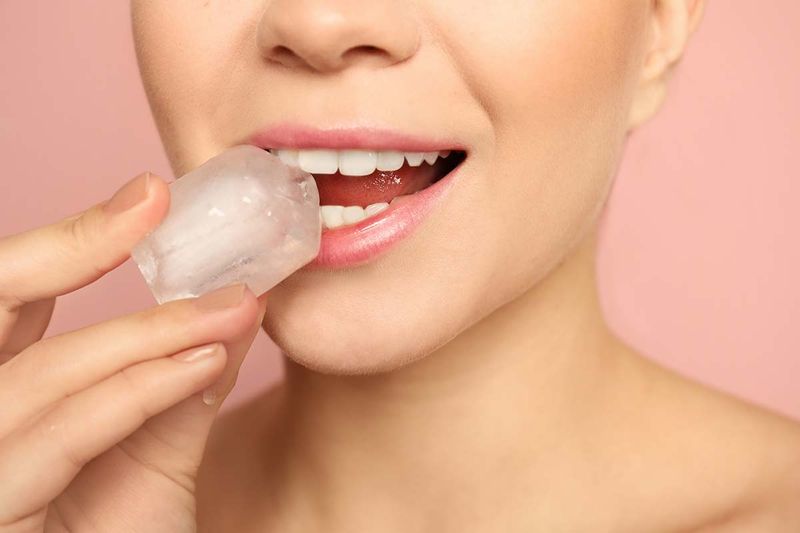
Crunching on ice might seem satisfying, but it's one of the fastest ways to crack a tooth or damage existing dental work. Dentists frequently treat patients who've chipped teeth on ice cubes, boiled sweets, or even unpopped popcorn kernels lurking at the bottom of the bag.
Hard foods put enormous pressure on teeth, and enamel, whilst strong, isn't indestructible. Even if you don't crack a tooth immediately, repeated chomping on hard substances can cause tiny fractures that worsen over time and lead to painful breaks later on.
9. Pickled Foods
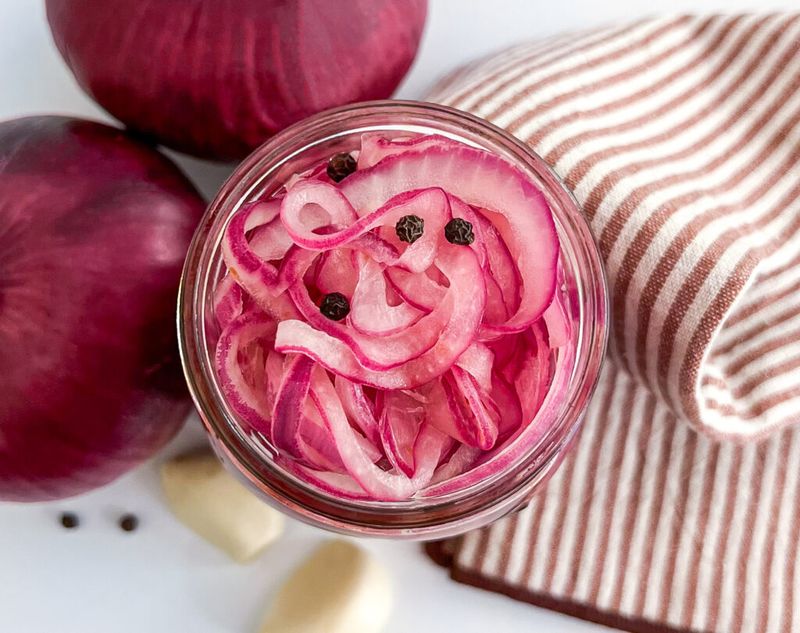
Pickled onions are a pub grub staple, but the vinegar used in pickling makes them highly acidic and potentially harmful to tooth enamel. Regular consumption of pickles, pickled eggs, or tangy chutneys can gradually wear away the protective outer layer of your teeth, leaving them sensitive and prone to decay.
The acidity doesn't just affect your teeth during eating either. It can linger in your mouth afterwards, continuing to soften enamel for a while. Rinsing with water after enjoying pickled treats helps neutralise the acid.
10. Vinegar
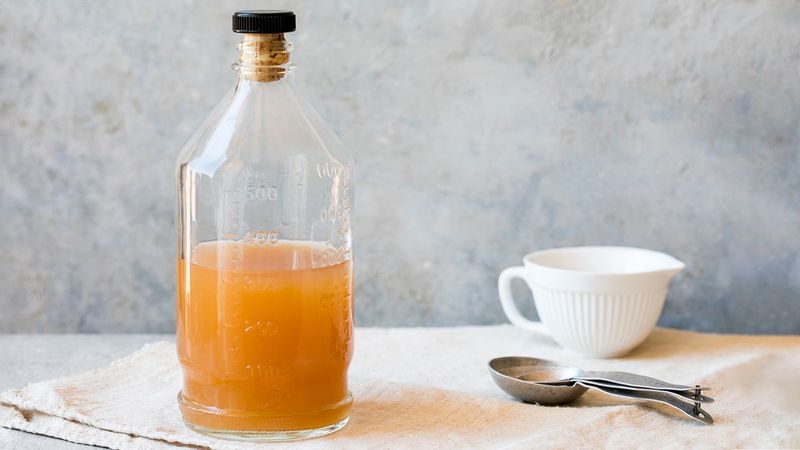
Splashing malt vinegar on your fish and chips is practically a national duty, but it's also bathing your teeth in acid. Vinegar has a very low pH, which means it can soften and erode enamel surprisingly quickly, especially if you're a regular chippy visitor or salad dressing enthusiast.
Dentists recommend moderation when it comes to vinegar-heavy foods and suggest not brushing your teeth immediately afterwards, as enamel is temporarily softened and more vulnerable to damage from brushing. Wait at least half an hour before reaching for your toothbrush.
11. Crackers
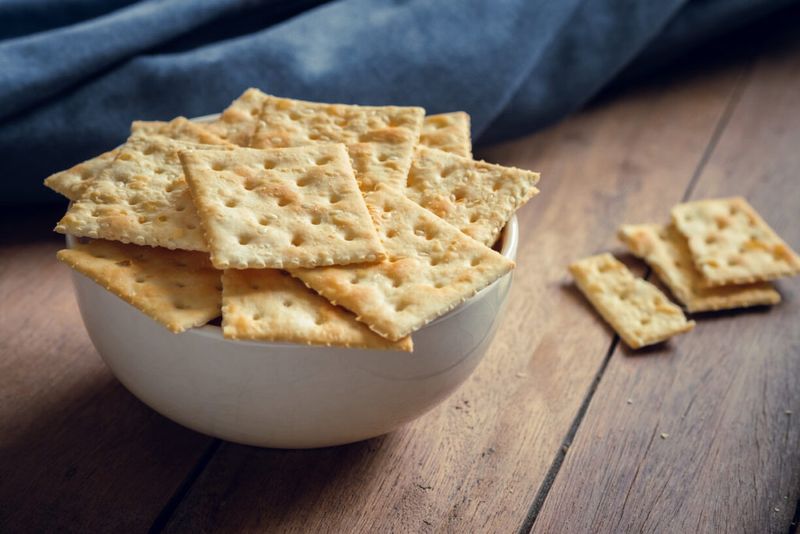
Cream crackers and water biscuits might seem like a sensible snack, but they're surprisingly problematic for teeth. Like white bread, crackers are refined carbohydrates that break down into sugars quickly in your mouth, feeding the bacteria that cause cavities and gum disease.
They also tend to turn into a pasty mush that sticks in the gaps between teeth and along the gum line. This gives bacteria plenty of time to convert those carbs into acid. Pairing crackers with cheese can help, as cheese neutralises acid and provides calcium.
12. Granola Bars
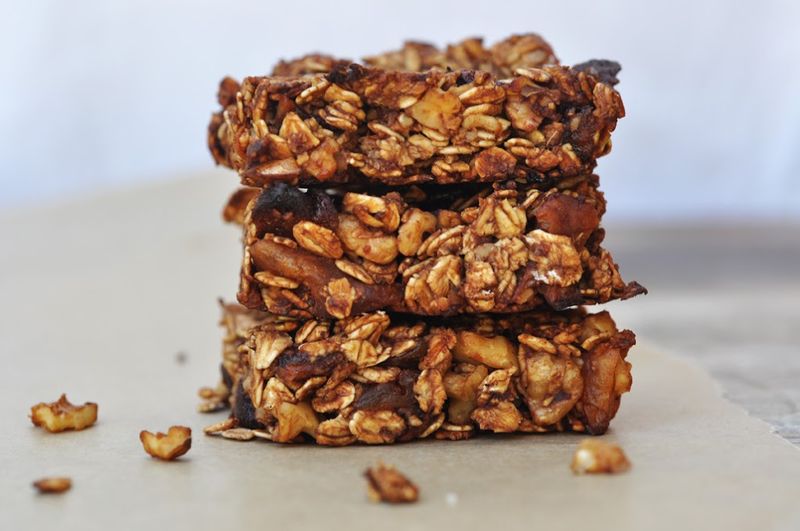
Marketed as a wholesome snack, granola bars often hide a surprising amount of sugar and sticky ingredients that cling to teeth like dental superglue. Many popular brands sold in UK supermarkets contain as much sugar as a chocolate bar, plus dried fruits and syrups that create the perfect environment for cavities.
The chewy texture means bits get wedged between teeth and under gums, where they're difficult to remove without proper flossing. If you do enjoy granola bars, check the label for sugar content and brush or rinse afterwards to minimise the damage.