













Cooking fish can feel like a test of patience and skill - one wrong move and that delicate fillet crumbles before it even hits the plate. But keeping it perfectly intact isn’t as hard as it seems once you know a few clever tricks. Whether you’re frying, baking, or grilling, these simple methods will help your fish stay tender, juicy, and beautifully whole every time.
This article is for general informational purposes only and should not replace professional culinary or food safety advice. Cooking times, textures, and techniques can vary depending on the type of fish and kitchen equipment used. Always ensure fish is cooked to a safe internal temperature and handled hygienically before serving.
1. Start With Fresh, Firm Fish
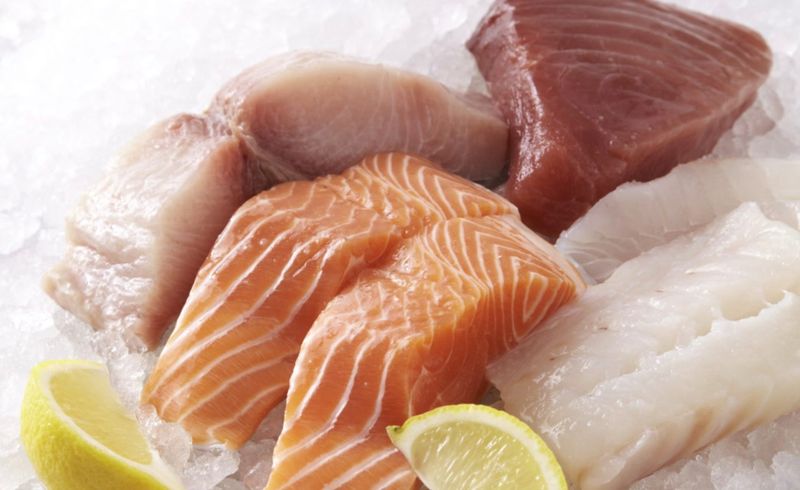
Quality matters more than you might think when preventing fish from falling apart. Fresh fish has firm flesh that holds together naturally during cooking, whilst older fish becomes mushy and fragile.
Look for bright, clear eyes and shiny skin when buying whole fish. The flesh should bounce back when gently pressed. Avoid any fish with a strong, unpleasant smell, as this indicates it's past its prime and will likely crumble during cooking.
2. Pat It Dry Before Cooking
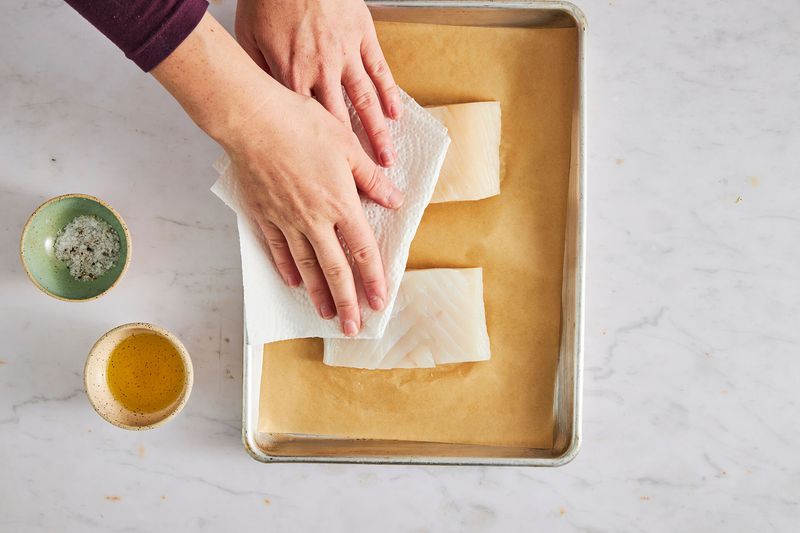
Moisture is your enemy when trying to achieve a good sear. Wet fish steams instead of browning, creating a soggy surface that sticks to your pan.
Use paper towels to gently blot both sides of your fillet before cooking. This simple step removes excess water, allowing the fish to develop a golden crust that naturally releases from the cooking surface, keeping your fillet intact and beautifully presented.
3. Use A Hot Pan From The Start
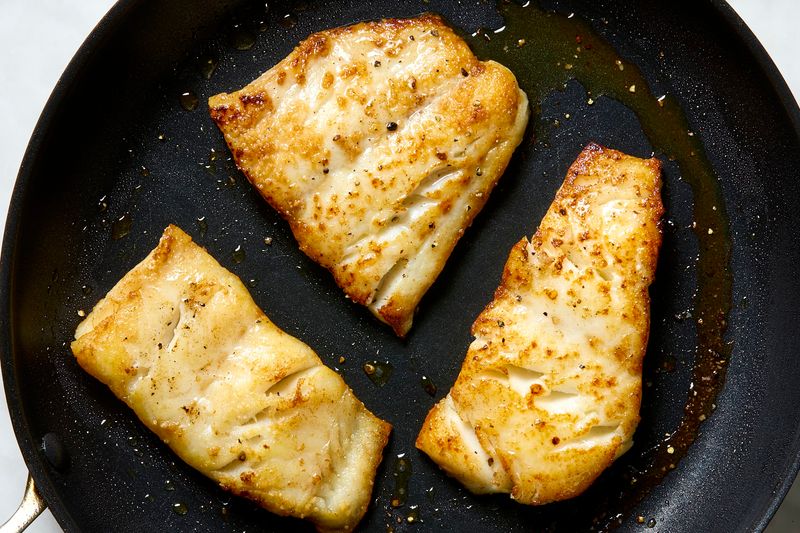
A properly heated pan creates an instant sear that prevents sticking. When fish hits a cold or lukewarm surface, it grabs onto the metal and tears when you try moving it.
Heat your pan over medium-high heat for several minutes before adding oil. Test readiness by flicking a water droplet onto the surface - it should sizzle and evaporate immediately, signalling your pan is hot enough for perfect fish cooking.
4. Don't Flip Too Early
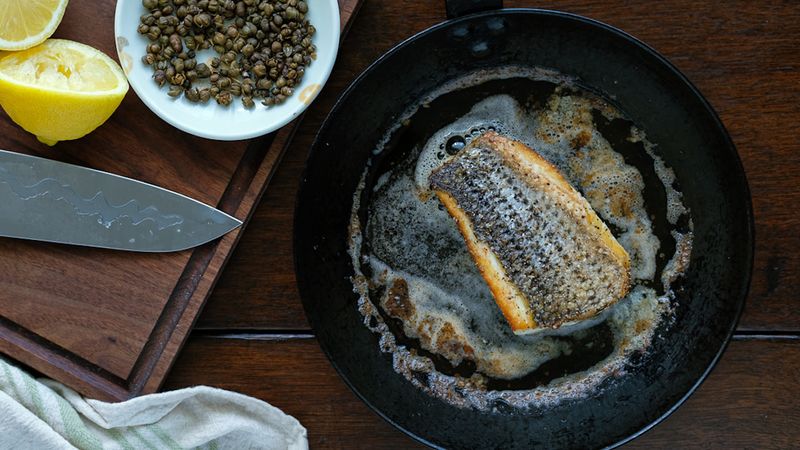
Patience is crucial when cooking delicate fish fillets. Flipping too soon interrupts the natural release process, causing the fish to stick and break apart.
Wait until the fillet develops a golden crust and naturally releases from the pan - usually three to four minutes. You'll know it's ready when the edges turn opaque and the fish slides easily when gently nudged with your spatula, indicating proper searing.
5. Let The Skin Do The Work
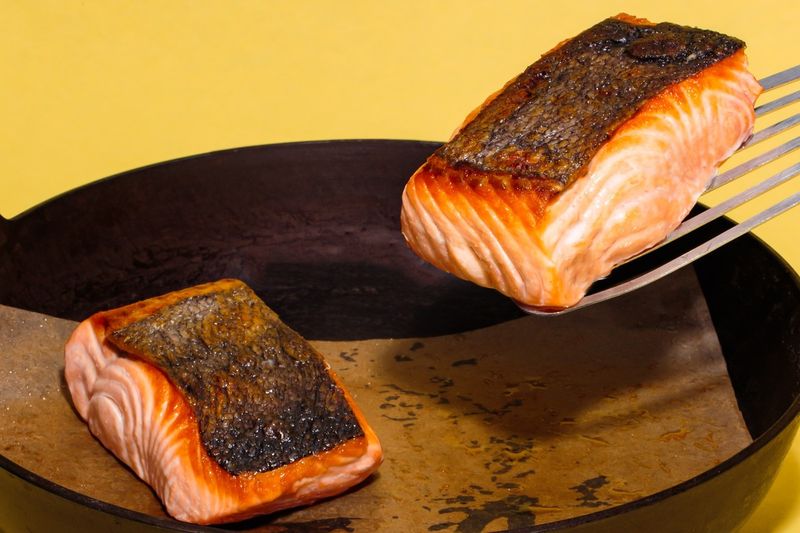
Fish skin acts as natural armour, protecting the tender flesh underneath from direct heat. Cooking skin-side down first creates a crispy barrier that holds everything together beautifully.
Press gently on the fillet with your spatula during the first minute to prevent curling. The skin crisps up quickly, providing structural support that makes flipping easier and keeps your fish from falling apart during the cooking process.
6. Choose The Right Cooking Method
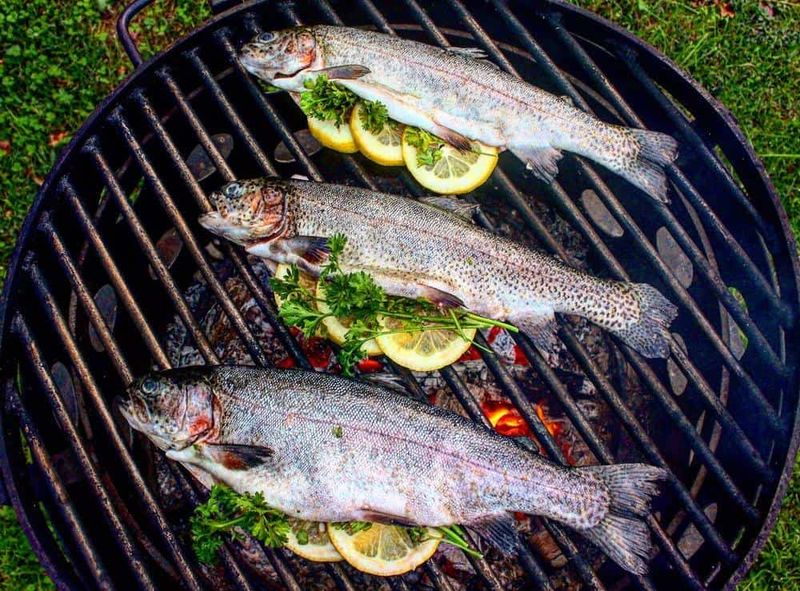
Some cooking techniques are gentler on delicate fish than others. Baking, poaching, and steaming provide even, controlled heat that reduces the risk of your fillet breaking apart.
For extremely delicate fish like sole or flounder, consider wrapping in parchment paper or foil. This technique, called en papillote, creates a protective environment where fish cooks gently in its own steam, emerging perfectly intact and incredibly moist.
7. Handle With Gentle Tools
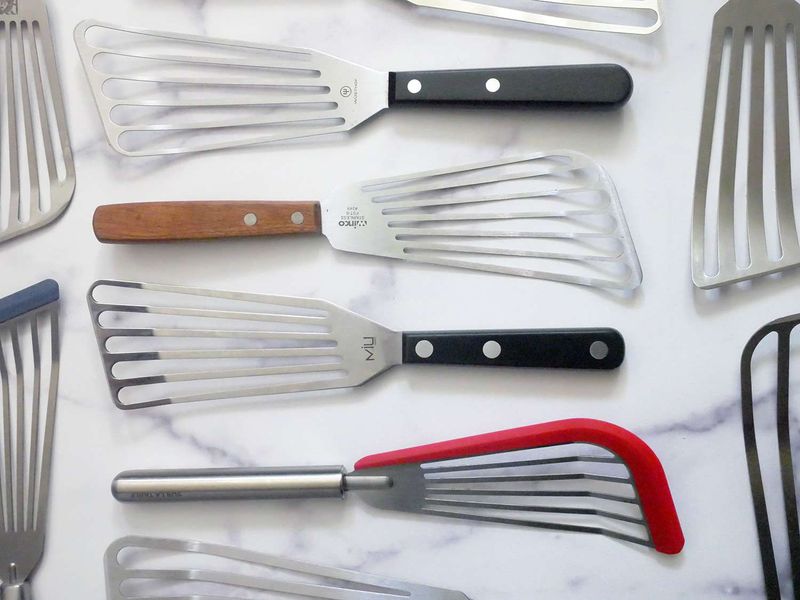
Your cooking tools make a significant difference in keeping fish whole. A wide, slotted fish spatula provides better support than narrow utensils, distributing weight evenly across the fillet.
Look for spatulas with thin, flexible edges that slide easily under delicate fish without tearing. Metal spatulas work best for getting under crispy skin, whilst silicone options protect non-stick surfaces. Proper tools transform flipping from stressful to simple.



