













Processed food often gets a bad reputation, but not all of it belongs in the bin. Some everyday supermarket staples – like tinned beans, frozen vegetables, and wholegrain breads – are not only convenient but also packed with nutrients.
These options can save time, reduce food waste, and make healthy eating a bit more practical for busy days. Here are twelve processed foods that prove convenience and nutrition can go hand in hand.
This article is for general informational purposes only. Nutritional content and product quality may vary by brand and preparation. Always check labels for added salt, sugar, or preservatives. Photos are for illustrative purposes only.
1. Canned Beans
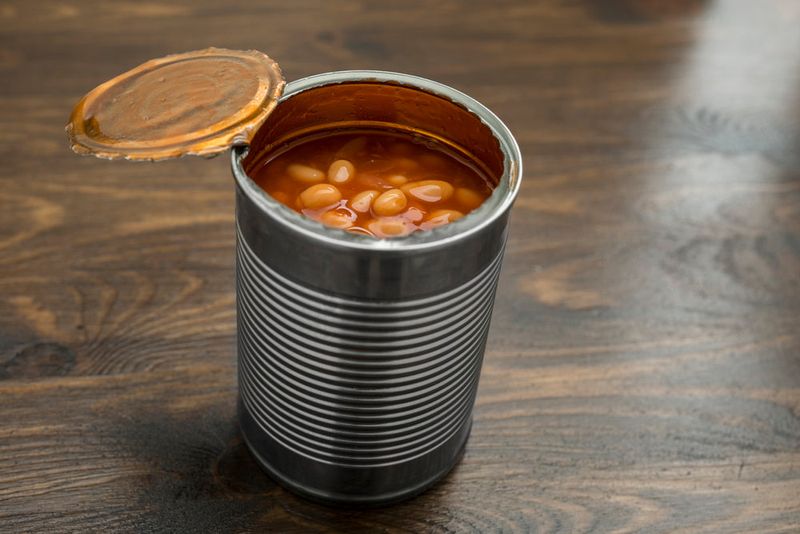
Your cupboard's unsung hero sits quietly behind the pasta, waiting to rescue a last-minute dinner. Tinned beans are brilliant because they're already cooked, which means you skip the overnight soaking and hours of boiling.
Packed with fibre and plant protein, they help keep you full and your digestion running smoothly. Look for versions with no added salt or give them a quick rinse under the tap to wash away excess sodium. Toss them into soups, salads, or smash them on toast for a budget-friendly meal that actually does your body good.
2. Frozen Vegetables

Frozen veg gets overlooked, but it's often more nutritious than the wilted stuff languishing in your fridge. Flash-freezing locks in vitamins and minerals right after harvest, so you're getting produce at its peak.
No peeling, no chopping, no excuses. Chuck a handful of frozen spinach into your curry or steam some broccoli straight from the bag. They last for months, which means less food waste and fewer emergency trips to the shops. Nutritionists reckon frozen is just as good as fresh, sometimes even better if your 'fresh' veg has been sitting around for days.
3. Greek Yogurt
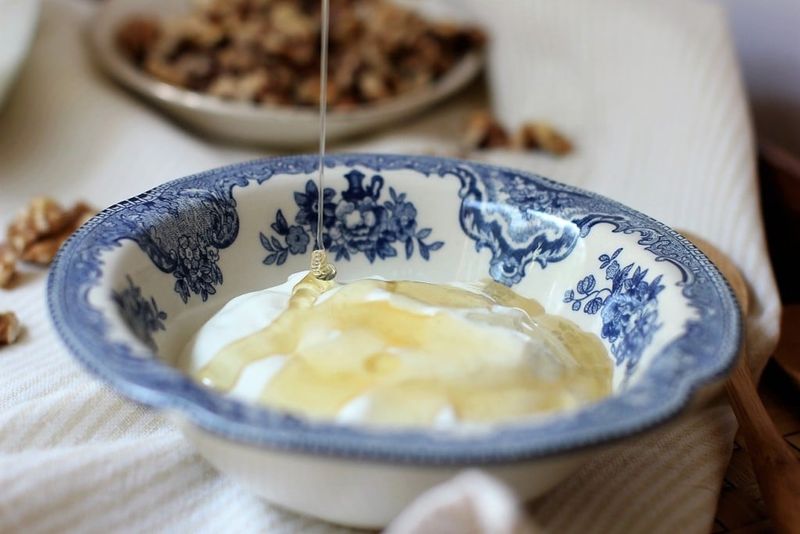
Thick, creamy, and tangy, this stuff is a protein powerhouse that puts regular yogurt to shame. Greek yogurt is strained to remove excess whey, leaving behind double the protein and a texture that feels almost indulgent.
It's brilliant for breakfast with a drizzle of honey or as a swap for sour cream in recipes. Go for the plain, full-fat version to avoid added sugars and keep yourself satisfied longer. Gut-friendly bacteria called probiotics hang out in there too, supporting your digestive health in a way that feels effortless and delicious.
4. Wholegrain Bread
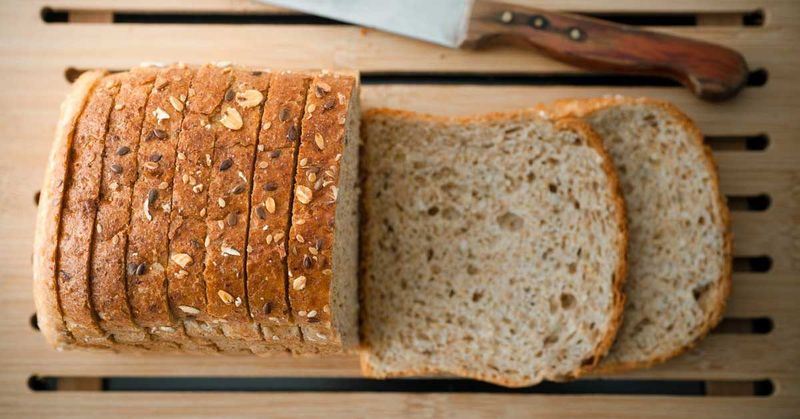
White bread might be nostalgic, but wholegrain is where the goodness lives. The bran, germ, and endosperm all stay intact, which means you're getting fibre, B vitamins, and minerals that get stripped away in refined versions.
That fibre keeps your blood sugar steady and your energy levels from crashing mid-morning. Look for labels that say 'wholegrain' or 'wholemeal' rather than just 'brown bread,' which can be white bread in disguise. Toast it, top it, or use it for a proper sarnie that actually fuels your day instead of leaving you hungry an hour later.
5. Canned Tuna Or Salmon

Omega-3 fatty acids are brilliant for your heart and brain, and tinned fish delivers them without the hassle of cooking fresh fillets. Salmon and tuna are packed with protein, making them a quick, satisfying addition to salads, jacket potatoes, or pasta.
Go for versions in spring water or olive oil rather than brine to keep the salt levels in check. Tinned salmon even includes soft, edible bones that sneak extra calcium into your diet. It's affordable, shelf-stable, and ready when you are, which makes healthy eating feel less like a chore and more like common sense.
6. Fortified Breakfast Cereals
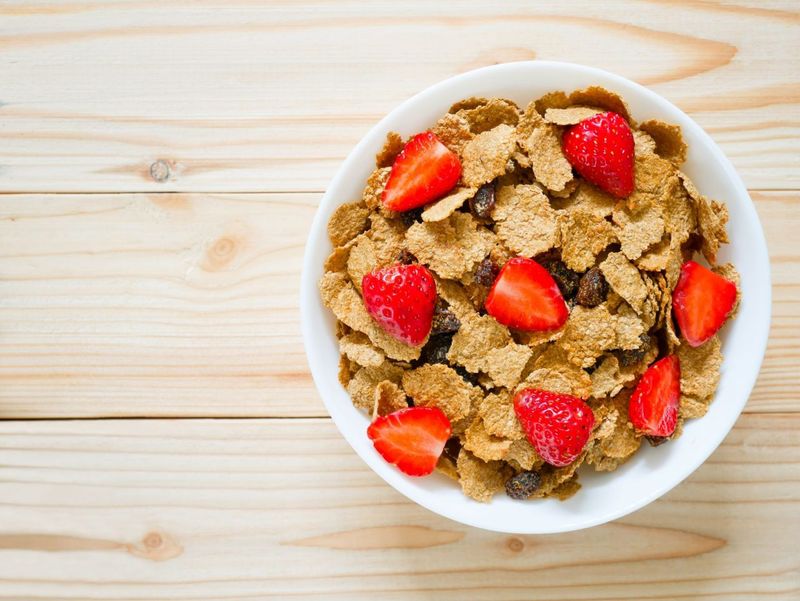
Not all cereals are sugar bombs. Some are actually fortified with vitamins and minerals like iron, B vitamins, and folic acid, which can be tricky to get enough of otherwise.
Check the label for whole grains listed first and keep an eye on sugar content, aiming for less than 5g per serving. Pair your bowl with milk for added calcium and protein, or go dairy-free with fortified alternatives. A decent cereal can kickstart your morning with energy and nutrients, especially if you're someone who'd otherwise skip breakfast entirely. Choose wisely, and you've got convenience that works in your favour.
7. Nut Butter (With No Added Sugar)
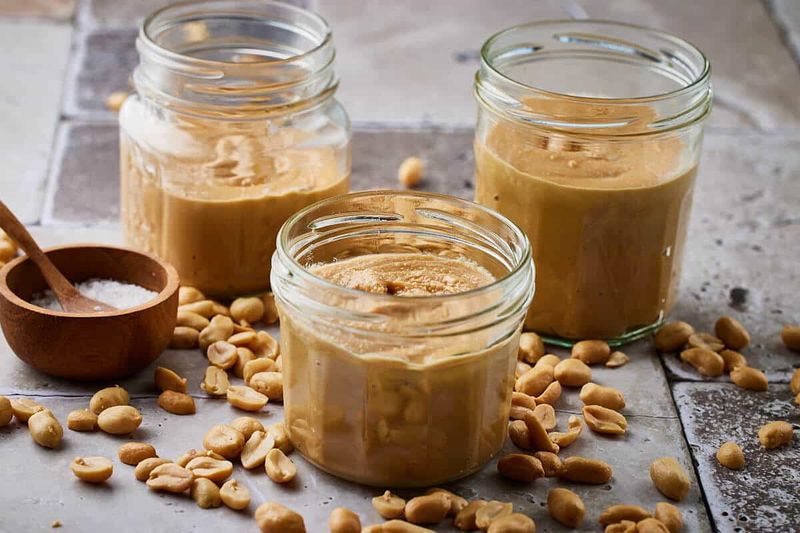
Peanut, almond, or cashew, nut butters are creamy little jars of healthy fats, protein, and vitamin E. The trick is finding versions with just nuts and maybe a pinch of salt, nothing else.
Many supermarket brands sneak in palm oil, sugar, and all sorts you don't need. Spread it on toast, stir it into porridge, or eat it straight off the spoon when no one's looking. It keeps you full, supports heart health, and tastes absolutely brilliant. Just watch your portion sizes because it's easy to go overboard when something's this tasty and satisfying.
8. Hummus
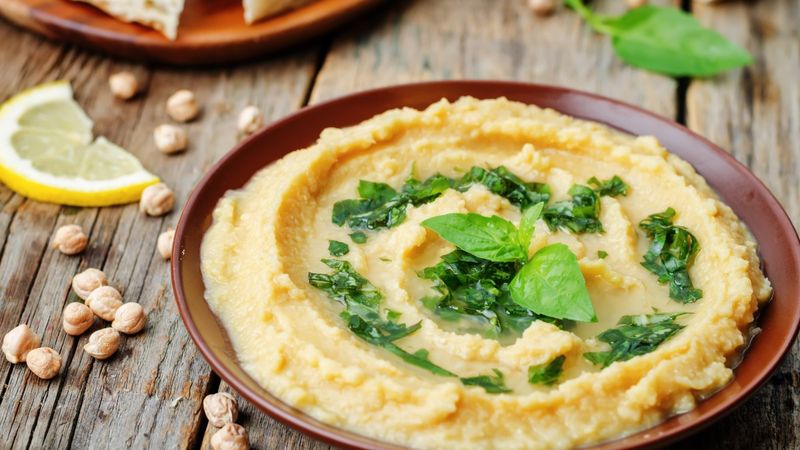
Chickpeas blended with tahini, lemon, and garlic create this Middle Eastern dip that's become a British fridge staple. Hummus is packed with plant protein, fibre, and healthy fats, making it a brilliant snack or sandwich spread.
It's versatile enough to pair with carrot sticks, pitta, or even dolloped onto a baked potato. Shop-bought versions are convenient, but watch out for added oils that can ramp up the calories. Some supermarkets now offer reduced-fat options that still taste decent. Whether you're vegetarian, vegan, or just looking for something tasty and nutritious, hummus ticks all the boxes without any fuss.
9. Tofu
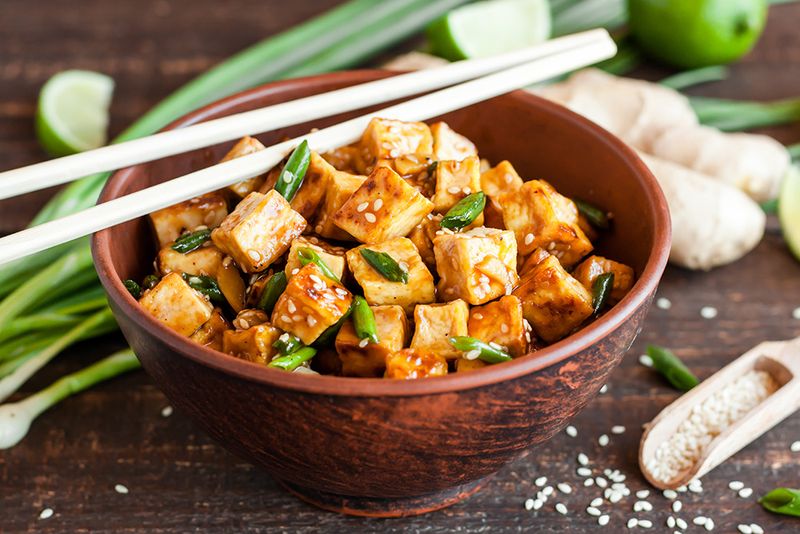
Made from soya beans, tofu is a protein-rich ingredient that soaks up whatever flavours you throw at it. It's a staple in vegetarian and vegan diets, but anyone can benefit from adding it to stir-fries, curries, or salads.
Firm tofu holds its shape when cooked, while silken varieties work brilliantly in smoothies or desserts. It's low in calories, contains all nine essential amino acids, and provides calcium if it's been set with a calcium salt. Press it, marinate it, fry it, and watch it transform from bland to absolutely delicious with just a bit of effort and seasoning.
10. Tomato Paste Or Passata
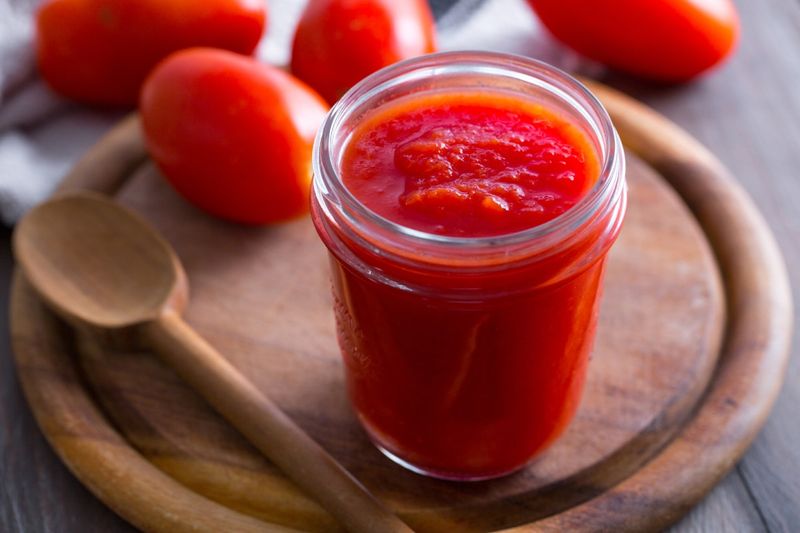
Concentrated tomato goodness in a jar or tube brings serious flavour and nutrition to your cooking. Tomatoes are rich in lycopene, an antioxidant linked to heart health and even cancer prevention.
Cooking tomatoes actually increases lycopene availability, so passata and paste are brilliant choices. Use them as a base for pasta sauces, soups, stews, or even homemade pizza. Look for versions with no added sugar or salt to keep things clean and simple. A spoonful of tomato paste can transform a dish from bland to bold, proving that processed doesn't always mean unhealthy when you choose wisely.
11. Dark Chocolate
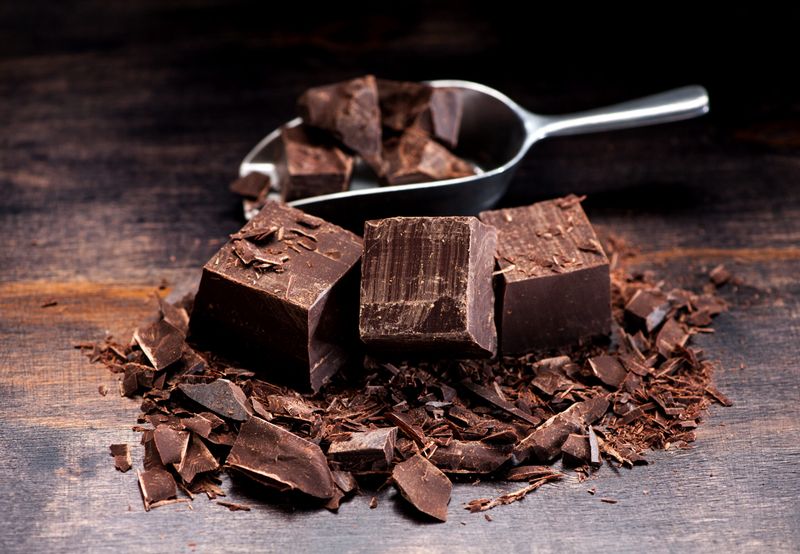
Yes, chocolate can be good for you, as long as you're reaching for the dark stuff with at least 70% cocoa. It's packed with flavonoids, antioxidants that support heart health and may even improve brain function.
Milk chocolate doesn't count because it's loaded with sugar and lacks the same benefits. A couple of squares after dinner can satisfy your sweet tooth without derailing your healthy habits. Just remember that moderation is key, as dark chocolate is still calorie-dense. Choose quality over quantity, savour each bite, and enjoy the fact that treating yourself can actually be part of a balanced diet.
12. Oatmeal
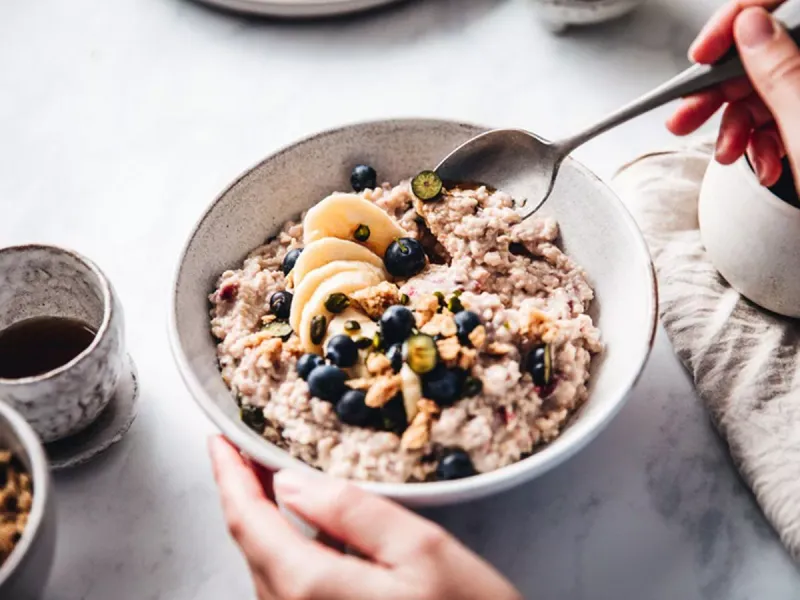
Rolled, steel-cut, or instant, oats are a breakfast champion that delivers slow-release energy and keeps hunger at bay. They're rich in beta-glucan, a type of soluble fibre that helps lower cholesterol and supports heart health.
Instant oats are still nutritious, just avoid the flavoured sachets packed with sugar. Make your own with a splash of milk, a handful of berries, and a drizzle of honey. Oats are cheap, filling, and endlessly versatile, whether you prefer them hot as porridge or soaked overnight. Nutritionists love them, and your body will too once you make them a regular part of your morning routine.



