













Eating well isn’t just about staying full - it’s about giving your body what it actually needs to feel strong, focused, and energised. Some foods quietly do wonders for long-term health, while others can slow you down without you realising it. Knowing which ones to load up on and which to limit can make all the difference to how you feel day to day.
This article is for general informational purposes only and not a substitute for professional medical or nutritional advice. Dietary needs vary depending on age, health, and lifestyle.
1. Foods Every Man Should Eat
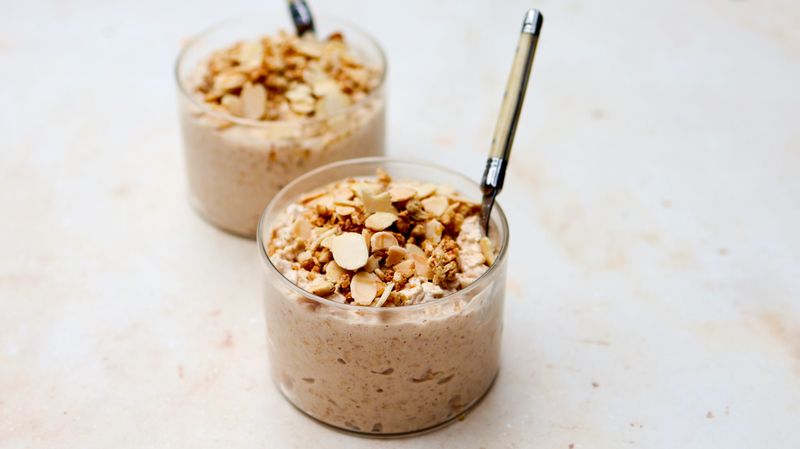
These next seven foods aren’t just healthy - they’re essential building blocks for strength, stamina, and long-term wellbeing. Each one provides key nutrients that support heart health, muscle recovery, and mental focus, helping you feel energised throughout the day.
From protein-packed staples to nutrient-dense plants, these are the everyday foods every man should make room for on his plate.
2. Salmon

Packed with omega-3 fatty acids, this fish works wonders for your heart and brain health. Regular servings can lower inflammation and support muscle recovery after workouts.
Grilled, baked, or pan-seared, salmon is incredibly versatile and delicious. Just two portions weekly can make a real difference to your overall wellbeing and energy levels throughout the day.
3. Spinach
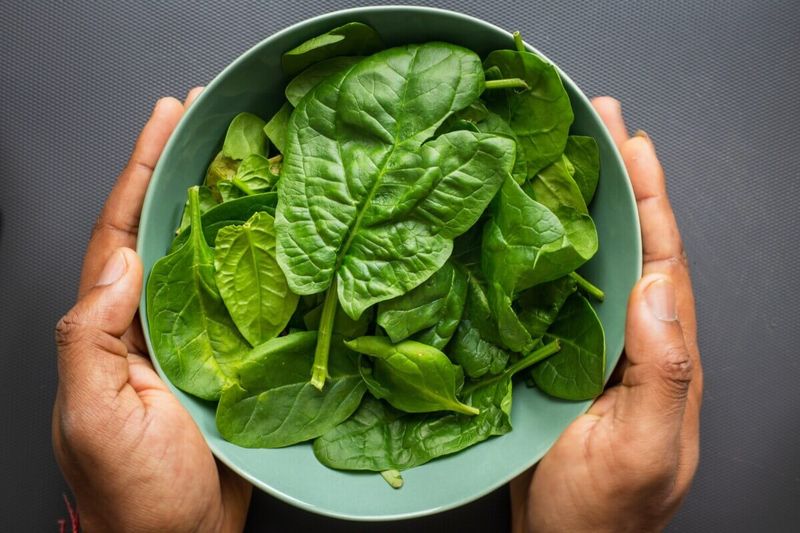
Popeye wasn't wrong about this leafy green powerhouse. Loaded with iron, magnesium, and vitamins, spinach supports strong bones and healthy blood flow.
Toss it into smoothies, salads, or omelettes for an easy nutrition boost. The folate content also helps maintain healthy testosterone levels, making it particularly beneficial for men's hormonal balance and vitality.
4. Oats
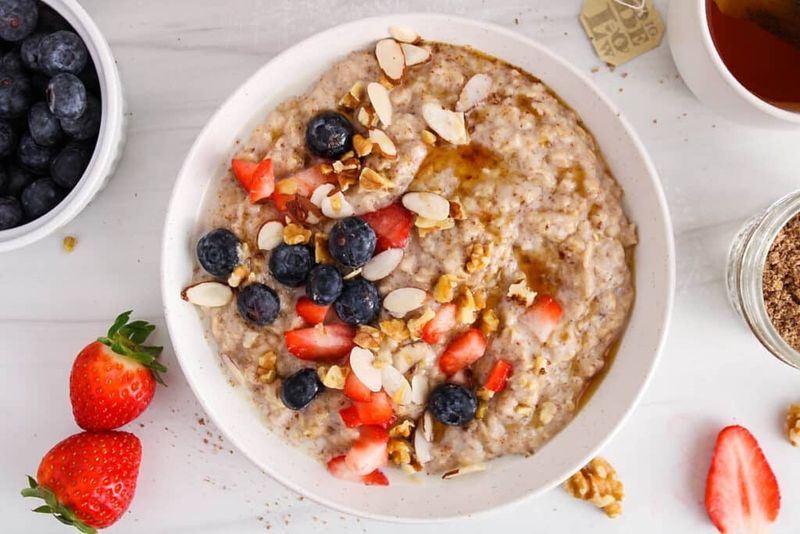
Starting your morning with a bowl of oats gives you sustained energy without the sugar crash. Rich in fibre, they keep you feeling fuller longer and support healthy digestion.
Beta-glucan in oats helps lower cholesterol naturally. Whether you prefer porridge, overnight oats, or granola, this humble grain delivers serious nutritional punch every single time.
5. Eggs

Few foods match eggs for pure protein power and nutritional value. Each one contains all nine essential amino acids your muscles need to grow and repair themselves effectively.
The yolk holds vitamin D, crucial for testosterone production and bone strength. Scrambled, poached, or boiled, eggs are affordable, quick to prepare, and incredibly satisfying for any meal.
6. Almonds
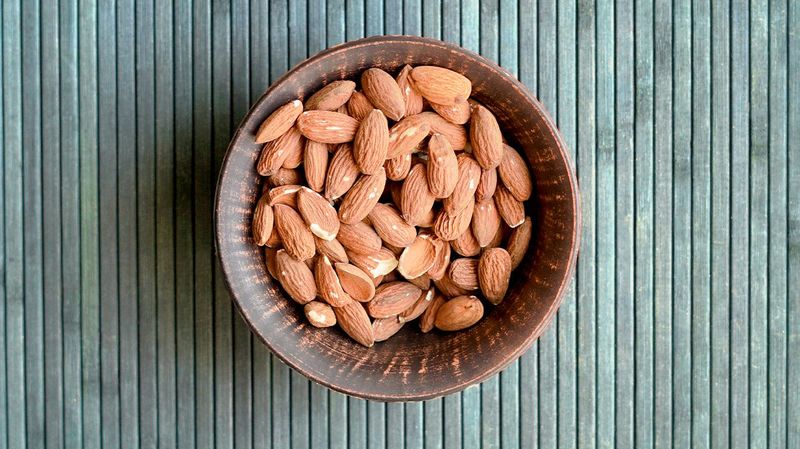
These crunchy nuts deliver healthy fats, vitamin E, and magnesium in every bite. A small handful makes a perfect snack that won't spike your blood sugar levels.
Studies show almonds can help reduce belly fat whilst supporting heart health. Keep a bag in your desk drawer or car for those moments when hunger strikes between proper meals.
7. Blueberries

Don't let their small size fool you - blueberries pack massive antioxidant power. These tiny fruits protect your cells from damage and support brain function as you age.
Research suggests they improve memory and reduce muscle soreness after exercise. Add them to yoghurt, cereal, or eat them straight from the punnet for a sweet, guilt-free treat anytime.
8. Lentils
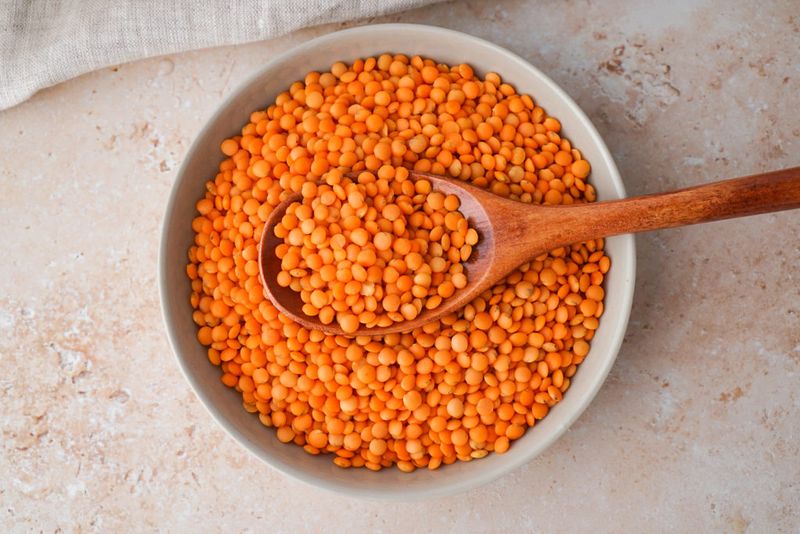
Budget-friendly and nutritious, lentils offer plant-based protein alongside plenty of fibre. They're brilliant for keeping blood sugar stable and supporting digestive health throughout the day.
Rich in iron and folate, they combat fatigue effectively. Whether in soups, curries, or salads, lentils are filling without being heavy, making them ideal for maintaining a healthy weight.
9. Foods To Cut Back On

The next seven foods aren’t necessarily off-limits, but they’re best enjoyed in moderation. Too much of these can affect energy levels, heart health, and weight over time, even if they seem harmless at first glance.
By cutting back a little here and there, you’ll make room for better choices that keep you feeling sharper, stronger, and healthier every day.
10. Bacon

Whilst undeniably tasty, bacon contains high levels of saturated fat and sodium that aren't doing your heart any favours. Processed meats have been linked to increased health risks when eaten regularly.
The preservatives used in curing can cause inflammation over time. Save bacon for occasional treats rather than daily breakfast staples, and consider leaner protein options for your morning plate instead.
11. Fizzy Drinks

Each can contains roughly ten teaspoons of sugar, causing rapid blood sugar spikes followed by energy crashes. Regular consumption contributes to weight gain, tooth decay, and increased diabetes risk.
Even diet versions confuse your body's natural hunger signals. Swap them for water, sparkling water with fruit, or unsweetened tea to stay hydrated without the harmful effects on your waistline.
12. White Bread

Stripped of fibre and nutrients during processing, white bread behaves like sugar in your bloodstream. It leaves you hungry shortly after eating and provides minimal nutritional benefit.
The refined flour spikes insulin levels repeatedly throughout the day. Switch to wholegrain or seeded varieties that keep you satisfied longer whilst delivering vitamins, minerals, and sustained energy for your activities.
13. Fried Chicken

That crispy coating absorbs enormous amounts of unhealthy oil during cooking. What could be a decent protein source becomes loaded with trans fats that clog arteries and promote inflammation.
Frequent consumption raises cholesterol and increases heart disease risk significantly. Opt for grilled, baked, or air-fried chicken instead to enjoy the protein benefits without drowning your health in unnecessary grease and calories.
14. Ready Meals

Convenience comes at a nutritional cost with these pre-packaged options. Most contain excessive sodium, hidden sugars, and preservatives to extend shelf life whilst lacking fresh vegetables and quality ingredients.
Portion sizes often don't match your actual needs either. Batch cooking real meals on weekends gives you quick options without sacrificing your health to overly processed, nutrient-poor convenience foods daily.
15. Chocolate Bars

Loaded with refined sugar and saturated fat, chocolate bars deliver a quick energy hit followed by a slump. They're designed to be addictive, making it hard to stop at just one piece.
Regular consumption contributes to weight gain and blood sugar problems. When chocolate cravings strike, choose dark chocolate with 70% cocoa or higher for antioxidants without the excessive sugar content.
16. Red Meat
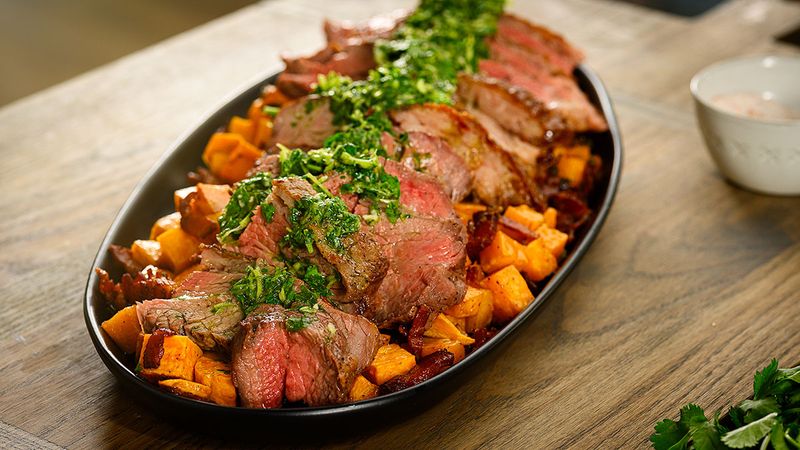
Whilst red meat provides iron and protein, eating it frequently increases saturated fat intake considerably. Studies link regular consumption to higher risks of heart disease and certain cancers over time.
Moderation is key here - limit portions to once or twice weekly. Fill your plate with fish, poultry, and plant proteins more often to maintain variety whilst protecting your long-term health and wellbeing.



