Peeling and cooking butternut squash has a reputation for being fiddly, but it doesn’t have to be. With a few smart tricks, you can turn this hard-skinned veg into something soft, sweet, and full of flavour without breaking a sweat.
Whether you’re roasting it for soup, mash, or a comforting side dish, the process is far easier than most people realise once you know the right technique.
This article is for general informational purposes only. Cooking times, results, and methods may vary depending on equipment and ingredient quality. Always take care when using sharp tools and hot surfaces.
1. Why Butternut Squash Can Be Tricky To Handle
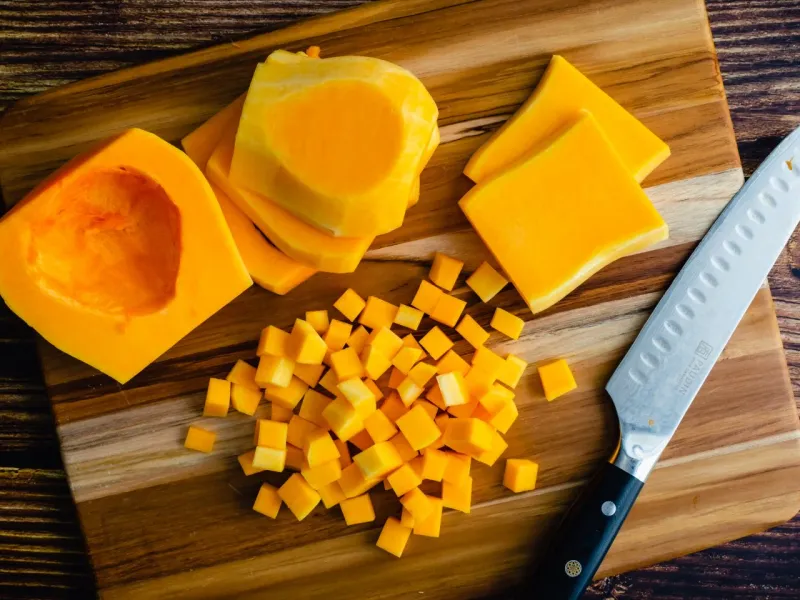
That hard, thick skin is the main culprit. It's like trying to peel a rock with a potato peeler, and the odd shape makes it roll around on your cutting board.
Plus, the seeds are slimy and stuck inside a bulbous end that's awkward to scoop. Many people give up before they even start because it just feels like too much work for one vegetable.
2. The Tools You'll Need Before You Start
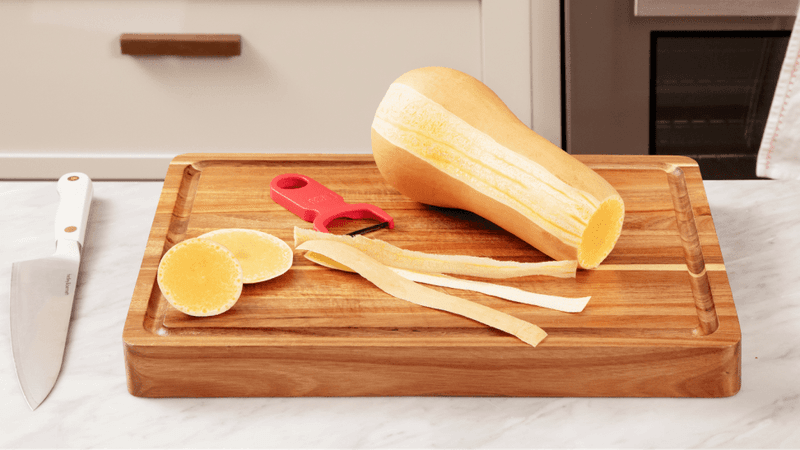
A sharp chef's knife is your best friend here. Dull blades make everything harder and more dangerous.
Grab a sturdy vegetable peeler, a large spoon for scooping seeds, and a stable cutting board with a damp towel underneath to prevent slipping. Having the right gear makes the whole process feel less like a wrestling match and more like actual cooking.
3. How To Soften The Skin For Easy Peeling
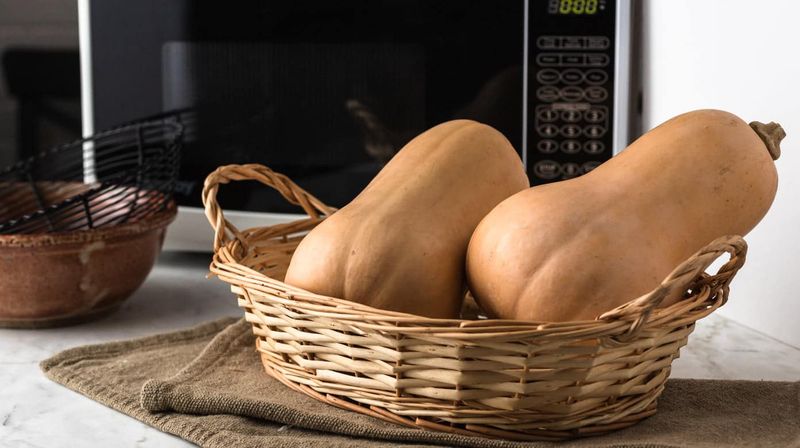
Here's a game-changer: microwave the whole squash for two to three minutes. This softens the skin just enough to make peeling way easier.
You can also roast it in the oven at 400 degrees for about ten minutes. Either method loosens up that tough exterior without cooking the flesh all the way through, saving you serious elbow grease.
4. The Right Way To Slice Without Slipping
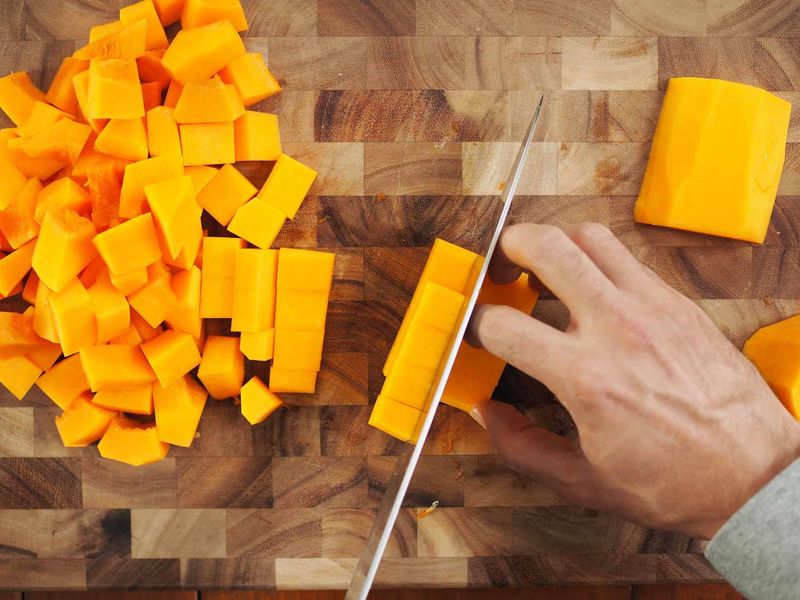
Start by cutting off both ends to create flat, stable surfaces. Stand the squash upright on one of those flat ends.
Now slice straight down the middle from top to bottom. This gives you two halves that won't roll away. Always cut away from your body and keep your fingers tucked in like a claw to avoid accidents.
5. How To Remove The Seeds Without The Mess
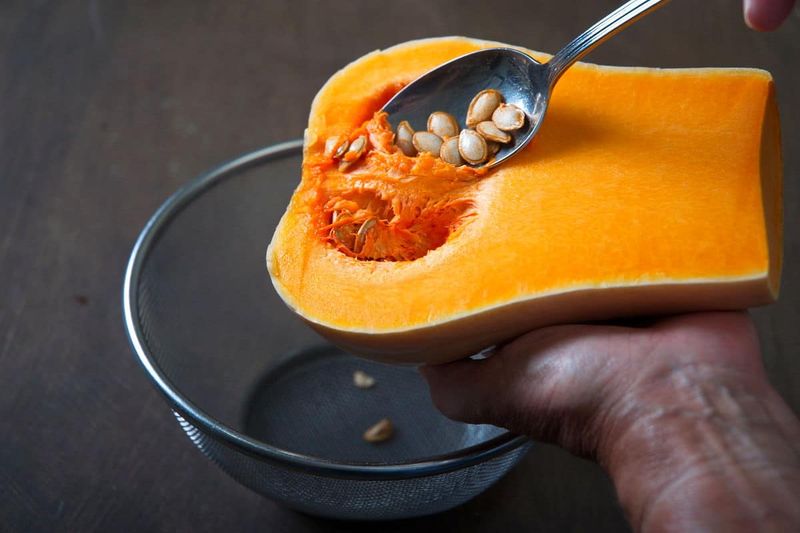
Once you've halved the squash, use a large spoon to scoop out the seeds and stringy bits. A grapefruit spoon with serrated edges works even better.
Scrape firmly along the inside walls until it's smooth and clean. You can save the seeds for roasting later if you want a crunchy snack, or just toss them in the compost.
6. Simple Methods To Cook Butternut Squash Perfectly
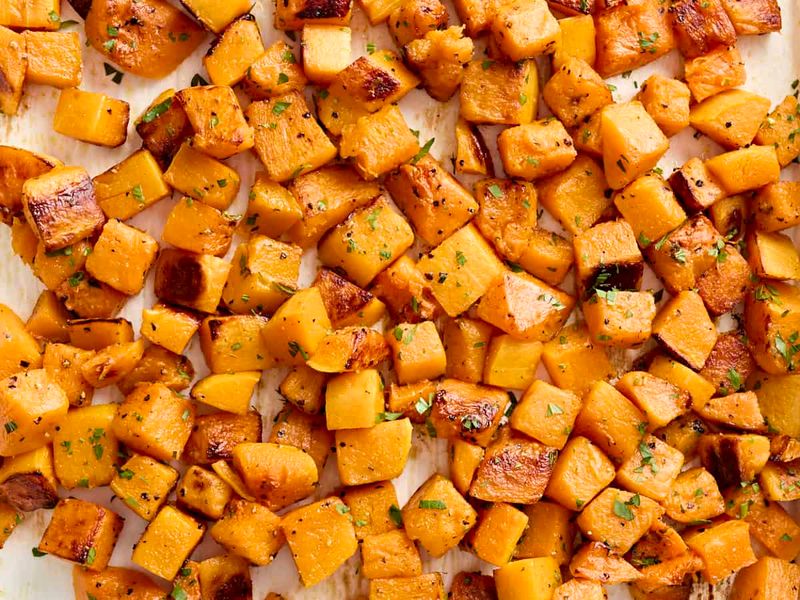
Roasting brings out natural sweetness. Cube it, toss with olive oil and salt, then bake at 425 degrees for twenty-five minutes.
Steaming keeps it light and tender, great for mashing. You can also simmer chunks in soups or puree them for creamy sauces. Each method is foolproof and highlights different flavors, so pick what fits your meal best.
7. Creative Ways To Use It Once It's Cooked

Mash it with butter and cinnamon as a cozy side dish. Blend it into pasta sauce for extra creaminess without dairy.
Toss roasted cubes into salads with arugula and goat cheese, or stuff it into ravioli. You can even fold it into risotto or layer it in lasagna. The mild, slightly sweet flavor plays well with almost anything you throw at it.
8. How To Store Leftovers So They Stay Fresh
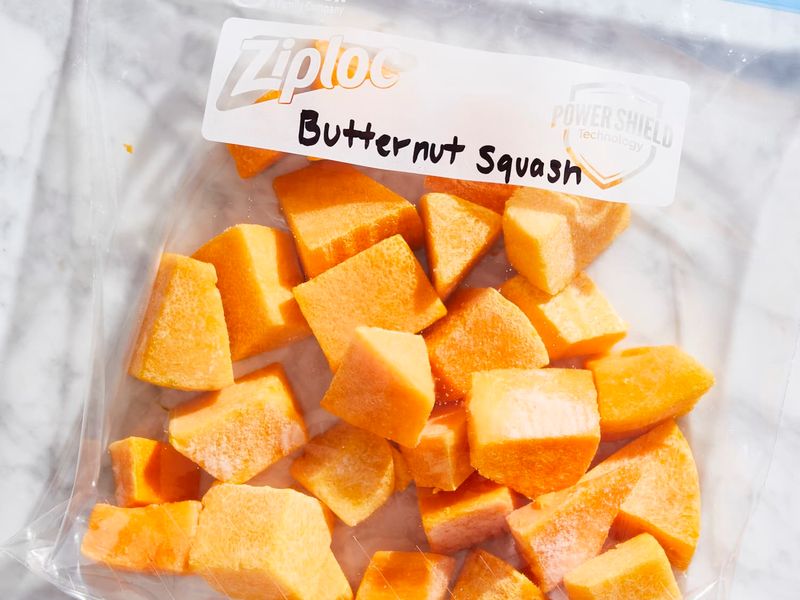
Let cooked squash cool completely before storing. Transfer it to an airtight container and refrigerate for up to five days.
For longer storage, freeze it in portions using freezer bags or containers. Squeeze out extra air to prevent freezer burn. Thaw overnight in the fridge before reheating. Proper storage means you can prep ahead and enjoy squash all week without waste.