











Balancing your energy throughout the day isn’t about cutting out carbs or living on lettuce – it’s about choosing foods that work with your body, not against it.
Low-glycaemic superfoods release energy gradually, helping to keep blood sugar levels steady and hunger at bay.
From hearty grains to nutrient-packed snacks, these ten everyday heroes will help you power through your day without the spikes, crashes, or cravings.
This article is for general informational purposes only and is not a substitute for professional medical advice, diagnosis, or treatment. Individual nutritional needs may vary depending on health status, age, and activity level. Always consult a qualified healthcare professional before making significant dietary changes.
1. Lentils
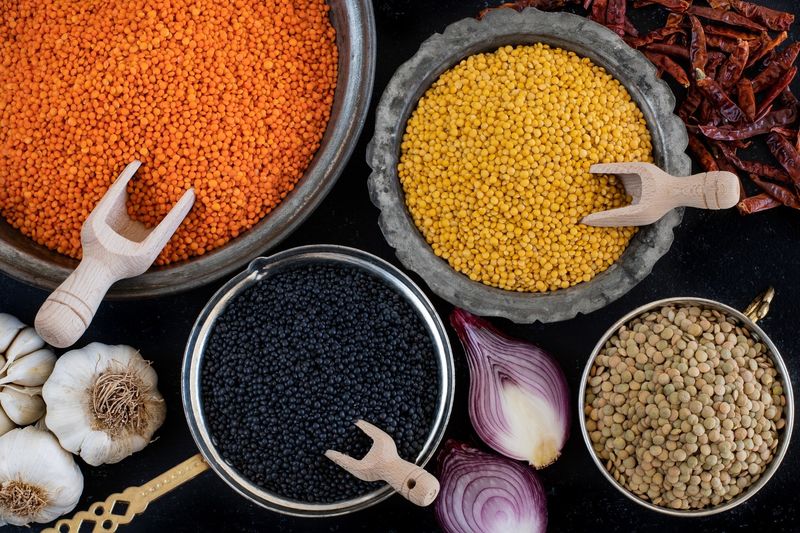
Ever notice how a proper bowl of lentil soup keeps you going for hours? That's because lentils have one of the lowest glycemic indexes around, clocking in at just 32.
British supermarkets stock red, green, and puy lentils year-round, and they're brilliant in everything from dhal to shepherd's pie filling. They're packed with fibre and protein, which work together to slow down digestion and keep blood sugar levels nice and stable.
Plus, at under a quid per bag, they're kinder to your wallet than most snacks.
2. Oats
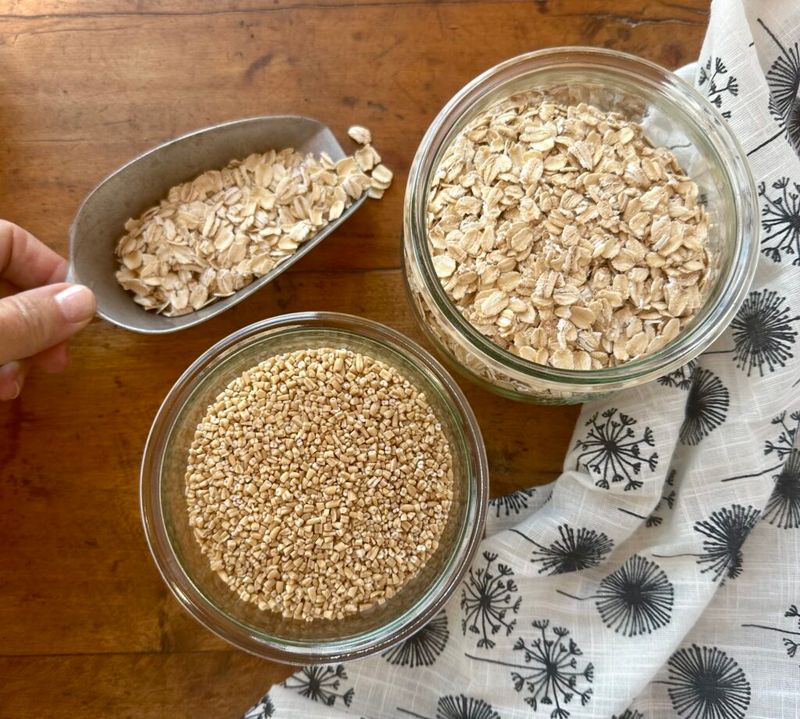
Porridge has been fuelling Brits through cold mornings since medieval times, and there's solid science behind why it works so well. The soluble fibre in oats, called beta-glucan, forms a gel in your stomach that slows sugar absorption.
Scottish oats are particularly brilliant for this, though any variety will do the trick. A bowl of proper porridge has a glycemic index around 55, compared to cornflakes at 81.
Top yours with berries instead of golden syrup, and you've got a breakfast that'll see you through till lunch without any mid-morning biscuit raids.
3. Chickpeas
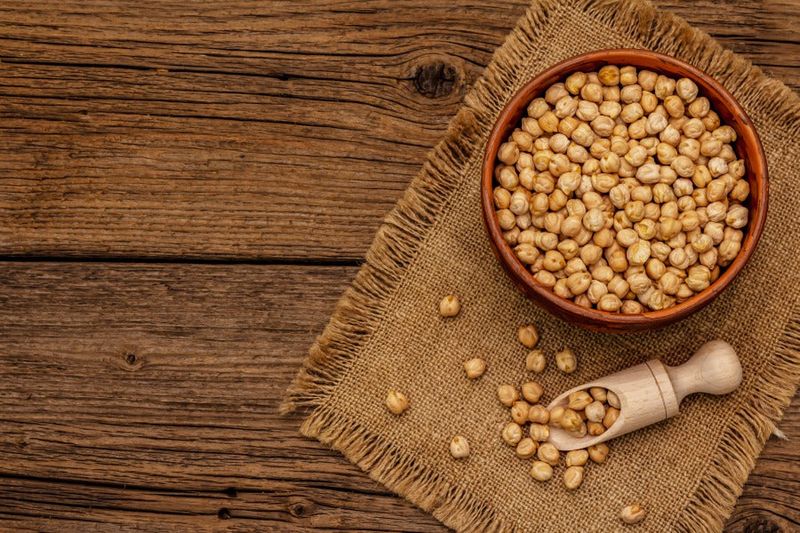
Chickpeas might seem exotic, but they've been a British store cupboard staple for decades now. With a glycemic index of just 28, they're absolute champions at keeping hunger at bay.
Toss them in a salad, mash them into hummus, or roast them with spices for a crunchy snack that beats crisps hands down. The combination of protein, fibre, and resistant starch means your body takes its sweet time processing them.
Even the tinned versions from Tesco or Sainsbury's retain most of their nutritional benefits, making them dead convenient for weeknight meals.
4. Apples
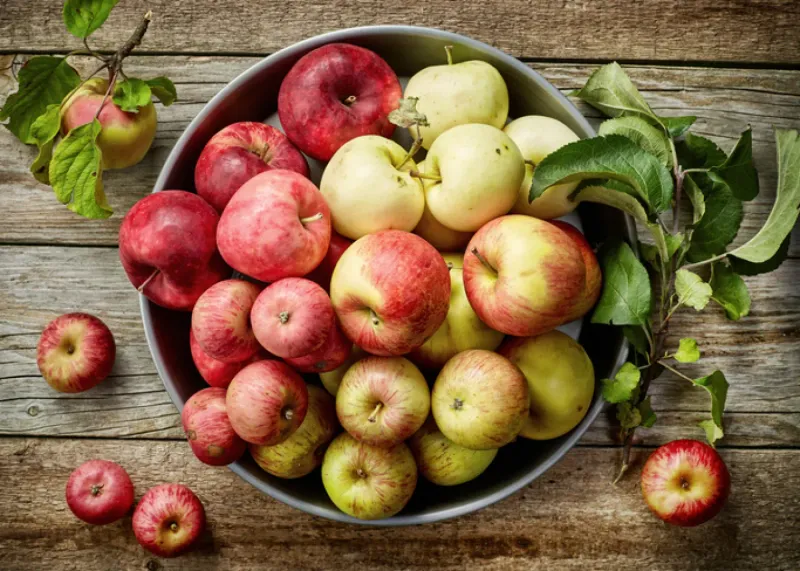
An apple a day isn't just an old wives' tale. British varieties like Cox's Orange Pippin and Bramley contain pectin, a type of soluble fibre that slows sugar release into your bloodstream.
With a glycemic index around 36, apples are proper slow-release fuel wrapped in their own biodegradable packaging. The skin is where most of the fibre lives, so don't peel them unless you're making a crumble.
Keep a couple in your bag for when the mid-afternoon munchies strike, and you'll dodge the vending machine temptation altogether.
5. Quinoa
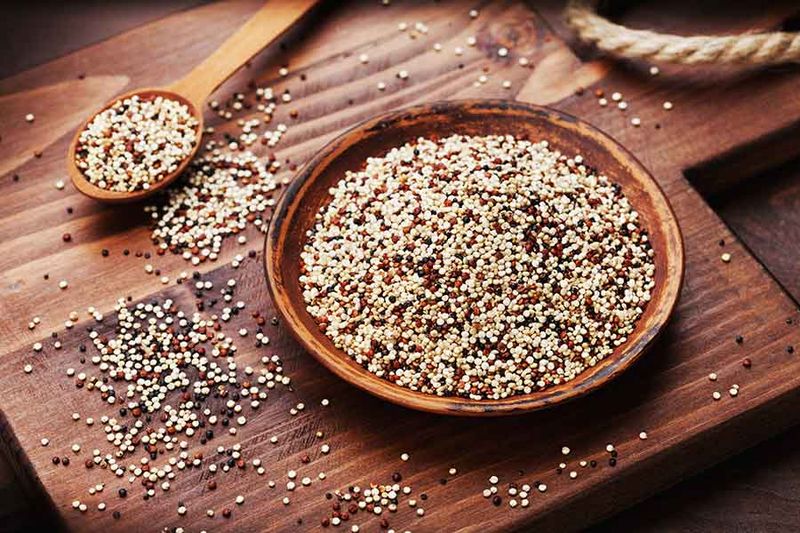
Quinoa might sound fancy, but most British supermarkets now stock it right next to the rice. Originally from South America, it's become a proper fixture in UK kitchens over the past decade.
What makes it brilliant is its glycemic index of 53, lower than brown rice or couscous. It's technically a seed rather than a grain, and it cooks in about fifteen minutes flat.
Use it as a base for salads, stir it into soups, or serve it alongside your Sunday roast instead of potatoes for a change that won't leave you nodding off afterwards.
6. Greek Yogurt

Thick, creamy Greek yogurt has taken over British supermarket shelves, and nutritionists are chuffed about it. The straining process removes much of the lactose (milk sugar), leaving behind concentrated protein that keeps you satisfied.
With a glycemic index below 20, it barely budges your blood sugar at all. Look for full-fat versions rather than the fat-free stuff, as the fat actually helps slow digestion even further.
Dollop it on your porridge, mix it with berries, or use it instead of sour cream on jacket potatoes for a protein boost that lasts.
7. Sweet Potatoes
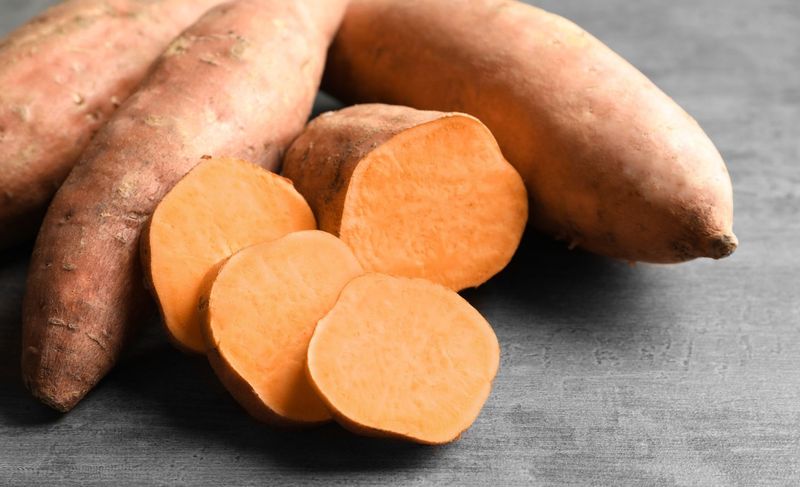
Sweet potatoes have been quietly gaining ground in British fields, with farmers from Cornwall to Kent now growing them successfully. Despite their natural sweetness, they have a lower glycemic index than regular spuds when cooked properly.
Boiling or steaming keeps the GI around 44, whilst roasting pushes it higher. The orange flesh is packed with fibre and beta-carotene, both of which help moderate blood sugar spikes.
Swap them for regular chips occasionally, or mash them with a bit of butter for a side dish that won't send your energy levels plummeting an hour later.
8. Berries

British berry season is a glorious time, with strawberries, raspberries, and blackberries appearing at farm shops and supermarkets from June through September. Berries are naturally low in sugar compared to tropical fruits, with glycemic indexes typically below 40.
The anthocyanins that give them their colour also help regulate blood sugar, according to research from nutritionists. Fresh or frozen makes little difference nutritionally, so stock your freezer when they're in season.
Chuck a handful into your morning porridge or yogurt, and you've added sweetness, vitamins, and staying power without the sugar crash.
9. Avocados
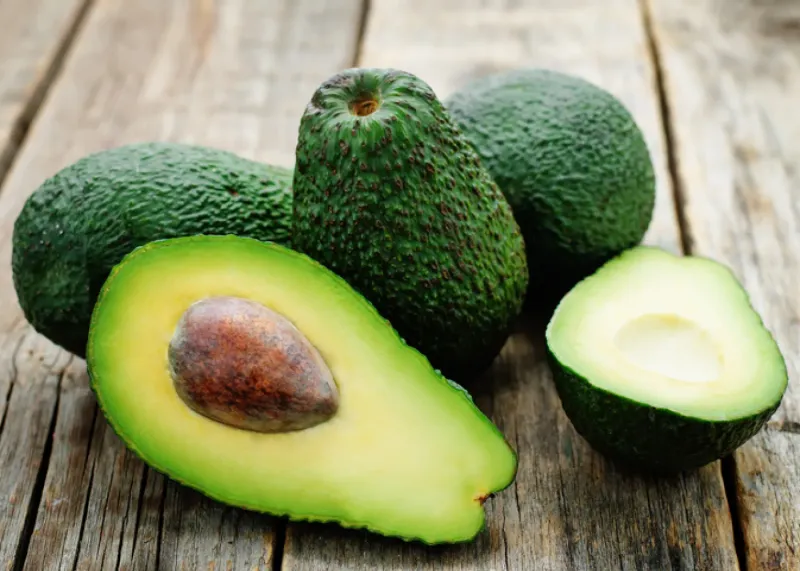
Avocados have gone from exotic novelty to British breakfast staple in just a generation. With a glycemic index near zero, they contain virtually no sugar at all, just healthy fats that keep hunger locked away for hours.
The monounsaturated fats actually help your body absorb vitamins from other foods you eat alongside them. Mash one on sourdough toast, slice it into salads, or blend it into smoothies for creaminess without dairy.
They're not cheap, but one avocado can transform a light meal into something genuinely satisfying that carries you through till dinner without snacking.
10. Leafy Greens
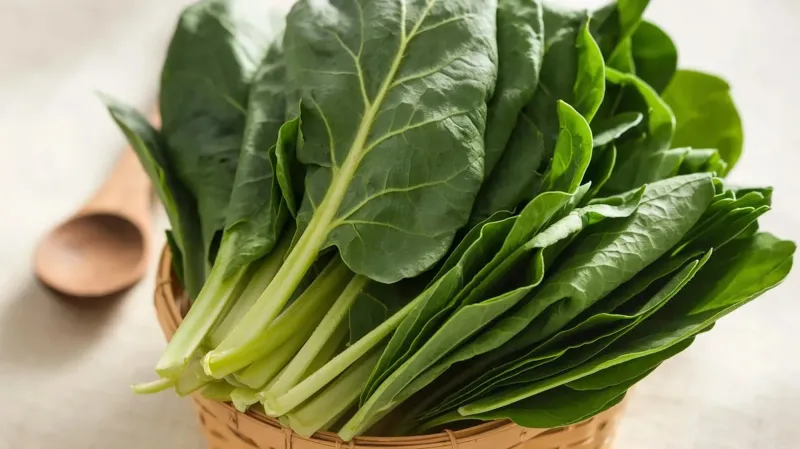
Spinach and kale might not sound thrilling, but British-grown varieties are fresher and tastier than ever before. With glycemic indexes so low they're barely measurable, leafy greens are basically free foods for blood sugar management.
They're absolutely stuffed with fibre, vitamins, and minerals that support steady energy release throughout the day. Wilt spinach into pasta, blend kale into smoothies, or massage it with lemon juice for salads that actually taste good.
Even a handful added to your meals makes a difference, and they're available year-round from British farms and supermarkets nationwide.