













Step back into a 1950s kitchen – where dinner was an event, not a rush. Home cooks prided themselves on creative presentation, vibrant flavours, and a touch of glamour, even on a budget.
These vintage recipes from 1959 capture that nostalgic spirit, blending hearty comfort with mid-century flair. They may look a bit old-fashioned today, but one bite and you’ll see why they became instant classics.
This article is for general informational and entertainment purposes only. Recipes, cooking methods, and ingredient availability may vary depending on region and brand. Images are for illustrative purposes only.
1. Beef Stroganoff
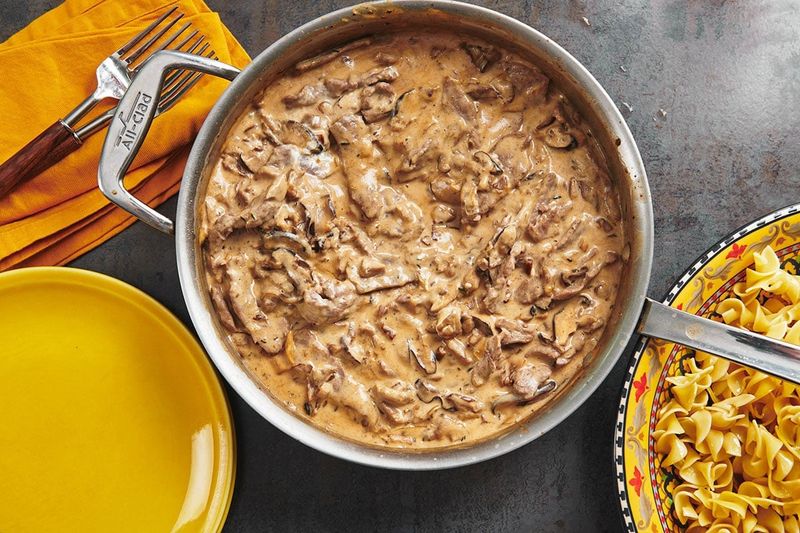
Russian aristocrats knew what they were doing when they invented this creamy wonder, though it didn't reach British shores properly until the fifties. Strips of tender beef get cooked with mushrooms and smothered in a rich sour cream sauce that clings to every forkful of buttery noodles.
The secret lies in not overcooking the beef and adding the cream off the heat so it doesn't split. Serve it at your next dinner party and watch everyone scrape their plates clean like proper guests.
2. Chicken À La King
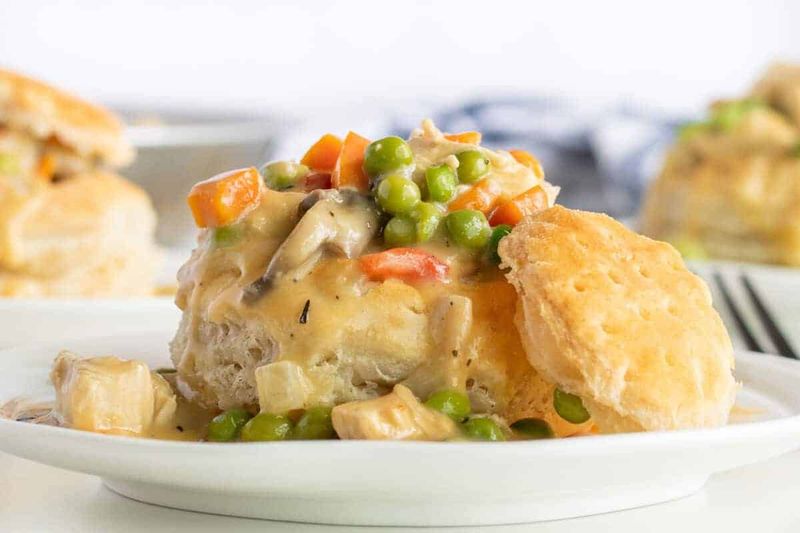
Once considered the height of sophistication, this creamy chicken number was named after a New York hotel owner, not actual royalty. Chunks of chicken swim in a velvety sauce loaded with peppers, mushrooms, and sometimes a splash of sherry for grown-up flavour.
Traditionally served in puff pastry cases or over rice, it was the go-to dish for ladies who lunched. The sauce should be thick enough to coat the back of a spoon without being gloopy, striking that perfect balance between elegance and comfort.
3. Meatloaf
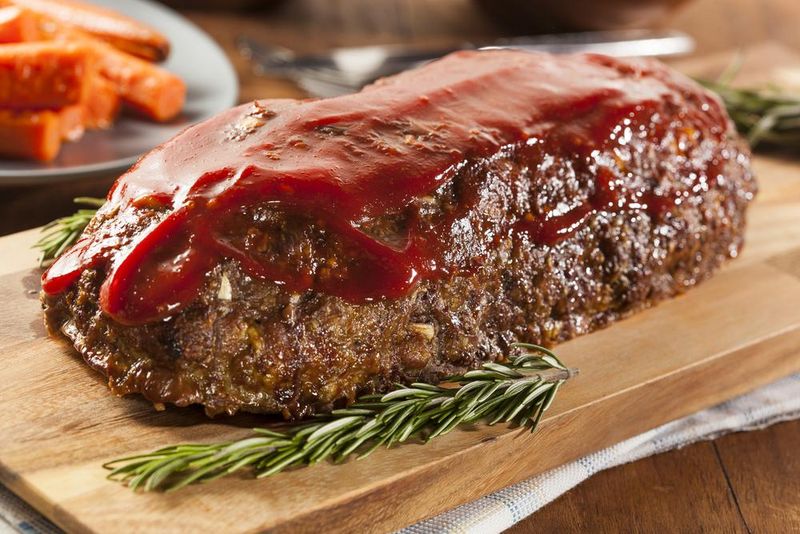
Americans might claim this as their own, but British families were mixing minced beef with breadcrumbs and eggs long before telly dinners became a thing. The genius is in the simplicity – affordable mince transformed into something that looks dead impressive when you slice it at the table.
A proper meatloaf needs a sticky glaze on top, usually tomato ketchup mixed with brown sugar and mustard. Leftovers make brilliant sandwiches the next day, which is honestly half the reason to make one in the first place.
4. Tuna Casserole
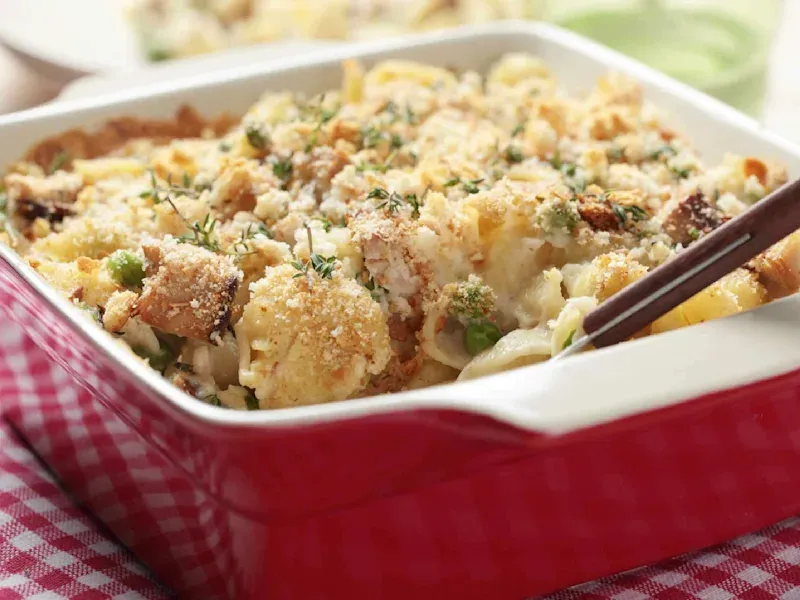
Tinned tuna reached peak popularity in postwar Britain when housewives discovered they could stretch it into a whole family meal. Mixed with pasta, condensed soup, and frozen peas, then topped with crushed crisps or breadcrumbs, it became the ultimate weeknight saviour.
Modern versions swap the tinned soup for a proper cheese sauce, which honestly makes all the difference. Bake until the top goes golden and crispy, and you've got comfort food that costs pennies but tastes like you've made an effort.
5. Pigs In A Blanket

Sausages wrapped in pastry have been knocking about British cuisine for ages, but they became proper party essentials in the fifties. Whether you use chipolatas wrapped in bacon or cocktail sausages in puff pastry, they disappear faster than you can say canapé.
The trick is getting the pastry crisp without drying out the sausages, which means a hot oven and keeping a close eye on them. Serve with a pot of English mustard for dipping, and watch your guests hover around the plate like seagulls at the seaside.
6. Deviled Eggs
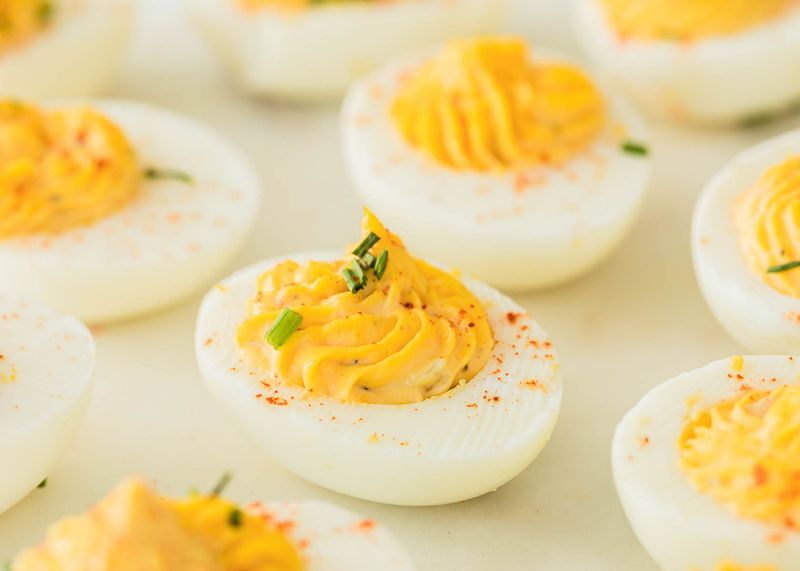
Romans were stuffing eggs with spicy sauces two thousand years ago, proving that good ideas never really go out of fashion. Hard-boiled eggs get halved, their yolks mashed with mayonnaise, mustard, and a pinch of paprika, then spooned back into the whites for instant elegance.
The term deviled refers to the spicy kick, though British versions tend to be fairly mild compared to their American cousins. Make them a few hours ahead so the flavours can mingle, and arrange them on your fanciest plate for maximum vintage vibes.
7. Waldorf Salad
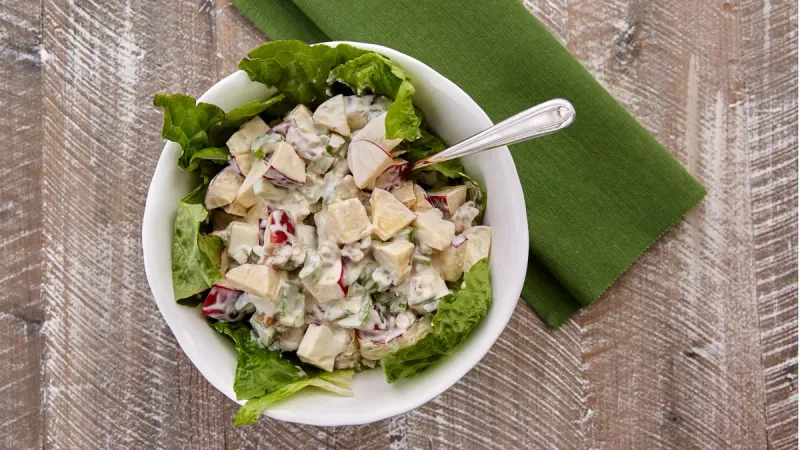
Created at New York's Waldorf Hotel in the 1890s, this crunchy number didn't become fashionable in Britain until the middle of the twentieth century. Crisp apples, celery, walnuts, and grapes get tossed in mayonnaise for a salad that's more about texture than leafy greens.
The original didn't include grapes, but fifties cooks added them for extra sweetness and colour. Use a tart apple like Granny Smith to balance the rich mayo, and chop everything into proper bite-sized pieces so nobody has to wrestle with their fork.
8. Pineapple Upside-Down Cake
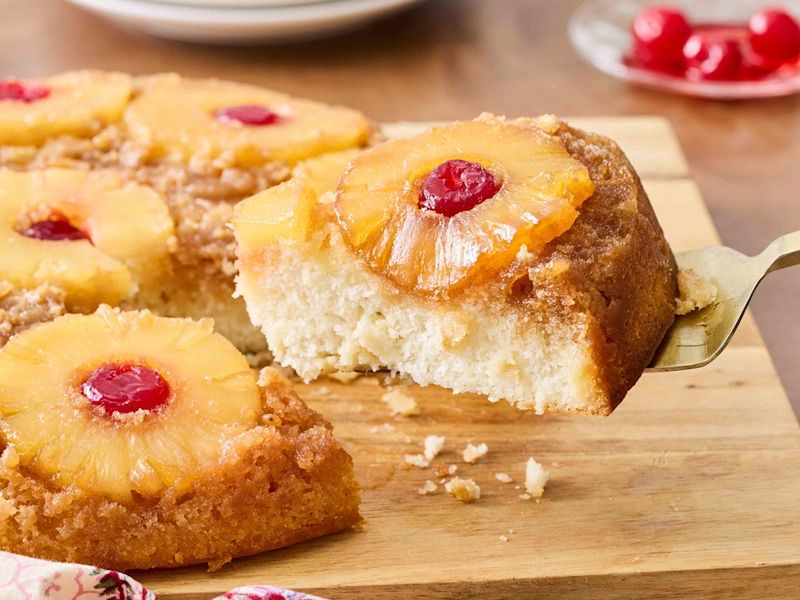
When tinned pineapple became widely available after the war, British bakers went absolutely mad for it. This showstopper gets baked upside down with pineapple rings and glacé cherries on the bottom, then flipped to reveal a glossy, caramelized top that looks dead impressive.
The brown sugar and butter create a sticky sauce that soaks into the sponge while it bakes. Serve it warm with a dollop of cream or custard, and prepare for compliments even though it's actually one of the easiest cakes you'll ever make.
9. Baked Alaska
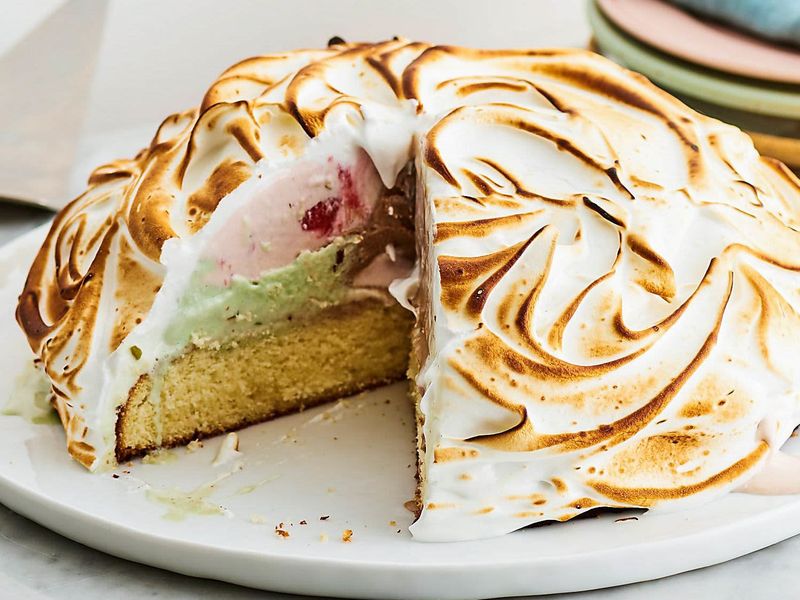
Victorian scientists were fascinated by the idea of hot and cold existing together, which is exactly what makes this pudding so brilliant. Ice cream sits on sponge cake, gets covered in meringue, then briefly torched or baked so the outside goes golden while the inside stays frozen.
The meringue acts as insulation, which sounds like witchcraft but actually works a treat. Make sure your meringue has no gaps and seal it right to the edges, or you'll end up with a melted mess instead of a dinner party triumph.
10. Ambrosia Salad
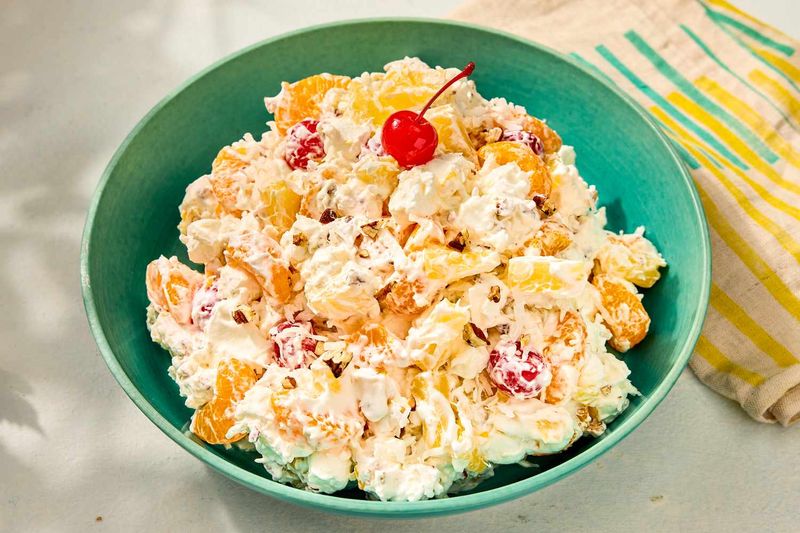
Named after the food of the Greek gods, this fluffy fruit salad became a staple at fifties buffets across Britain. Tinned mandarin oranges, shredded coconut, mini marshmallows, and sometimes pineapple get folded into whipped cream for something that's more dessert than salad.
Some versions include maraschino cherries for extra colour and sweetness, though purists reckon that's gilding the lily. Make it the night before so everything softens and melds together, creating that nostalgic texture that defined midcentury entertaining.
11. Jelly Mould Dessert
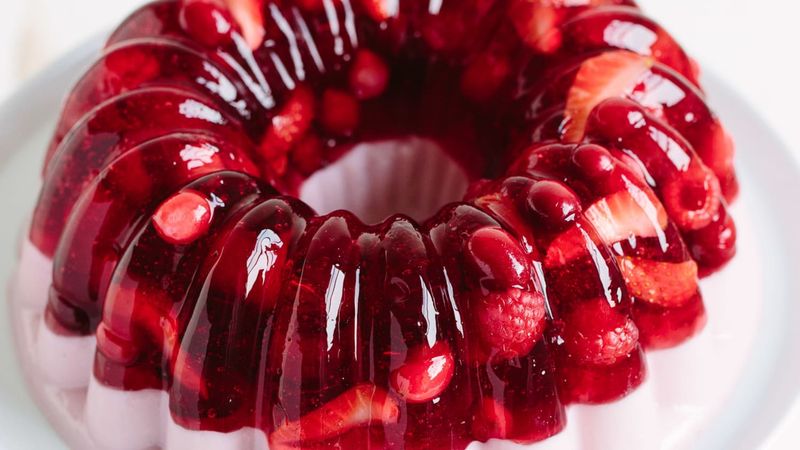
Before Instagram made food pretty, housewives were creating edible art with packet jelly and fancy moulds. Fruit, sometimes even vegetables in savoury versions, got suspended in wobbly jelly and turned out onto plates for maximum visual impact at dinner parties.
The key is patience – each layer needs to set properly before adding the next, or everything slides into a muddled mess. Dip the mould briefly in warm water before turning it out, and pray to the kitchen gods that it releases cleanly in one spectacular, quivering piece.



