













Your stomach works hard every single day, breaking down everything you eat and drink. When it's happy and healthy, you feel energised and comfortable. But when things go wrong, you might experience bloating, discomfort, or worse. Luckily, choosing the right foods can make a huge difference in keeping your digestive system running smoothly.
This article is for general informational and educational purposes only. Individual digestive health can vary based on age, diet, and medical conditions. Always consult a qualified healthcare professional or registered dietitian before making significant dietary changes or addressing digestive issues.
1. Yogurt

Packed with live bacteria called probiotics, yogurt helps balance your gut's natural ecosystem. These friendly microbes work to keep harmful bacteria in check whilst supporting digestion.
Look for labels that say "live and active cultures" to get the most benefit. Plain varieties without added sugar are your best choice for stomach health and overall wellness.
2. Kefir

This tangy fermented milk drink contains even more probiotic strains than yogurt, making it a powerhouse for digestive health. Kefir's thin consistency makes it easy to drink on its own or blend into smoothies.
Regular consumption can help reduce bloating and improve nutrient absorption. Its slightly sour taste might take getting used to, but your stomach will thank you for the effort.
3. Sauerkraut

Fermented cabbage might sound unusual, but sauerkraut has been a digestive aid for centuries across many cultures. The fermentation process creates beneficial bacteria whilst preserving the vegetable's natural fibre content.
Choose unpasteurised varieties from the refrigerated section, as heat treatment kills the helpful probiotics. Just a small serving alongside your meals can support healthy gut function remarkably well.
4. Kimchi

Korea's spicy fermented vegetable dish brings flavour and digestive benefits to your plate in equal measure. Beyond probiotics, kimchi contains fibre and vitamins that support overall stomach function.
The spices used in kimchi, particularly chilli peppers, can actually help reduce inflammation when consumed in moderation. Add it to rice bowls, sandwiches, or enjoy it straight from the jar.
5. Bananas

Soft, sweet, and incredibly gentle on your digestive system, bananas are nature's perfect stomach soother. They contain pectin, a type of fibre that helps regulate digestion and can ease both constipation and diarrhoea.
Bananas also provide potassium, which helps maintain proper fluid balance in your body. Their natural antacid effect can help neutralise stomach acid and reduce discomfort.
6. Oats
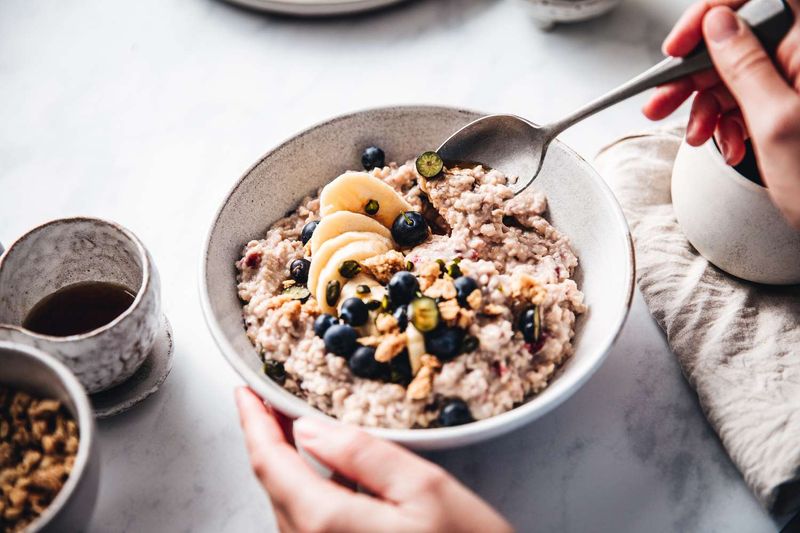
Starting your day with a warm bowl of oats does wonders for your digestive tract throughout the morning. Oats contain soluble fibre that forms a gel-like substance, helping food move smoothly through your system.
This humble grain also feeds beneficial gut bacteria, promoting a healthy microbiome. Whether you prefer porridge, overnight oats, or granola, you're giving your stomach valuable support.
7. Ginger
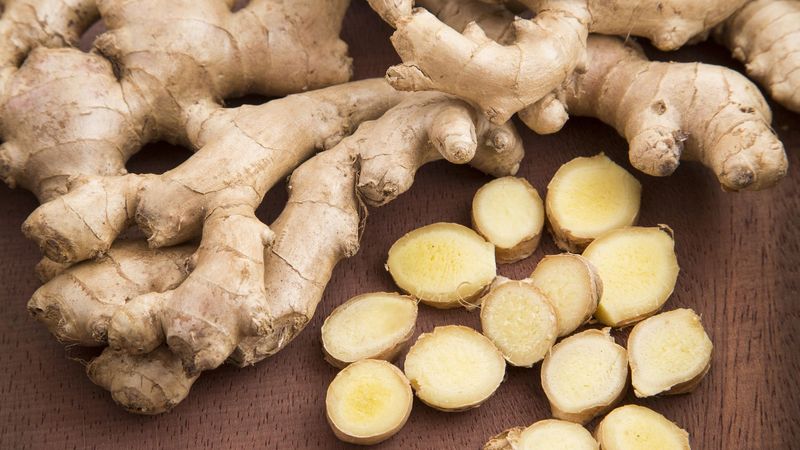
For thousands of years, people have turned to ginger when their stomachs felt upset or queasy. This knobby root contains compounds that speed up stomach emptying, reducing feelings of nausea and bloating.
Fresh ginger works brilliantly in stir-fries, smoothies, or steeped as tea. Even small amounts can provide noticeable relief from digestive discomfort and inflammation throughout your gastrointestinal tract.
8. Leafy Greens
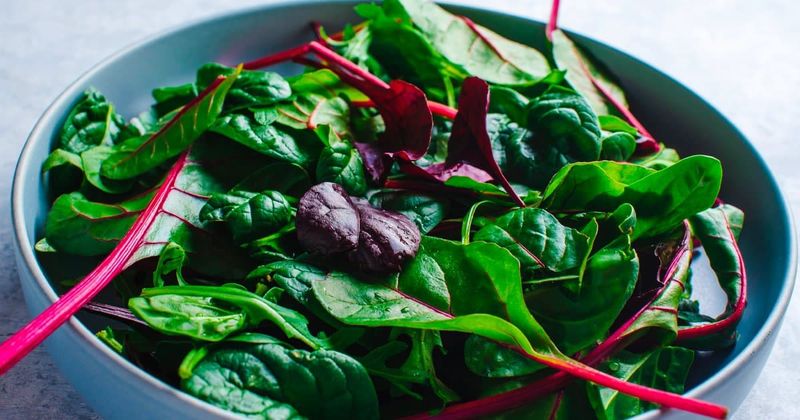
Spinach, kale, and other leafy vegetables deliver fibre, magnesium, and nutrients that support healthy digestion. Their high water content helps keep things moving smoothly through your intestines.
Leafy greens also contain compounds that may help protect your stomach lining from damage. Steam them lightly or enjoy them raw in salads to maximise their digestive benefits whilst keeping meals interesting.
9. Apples
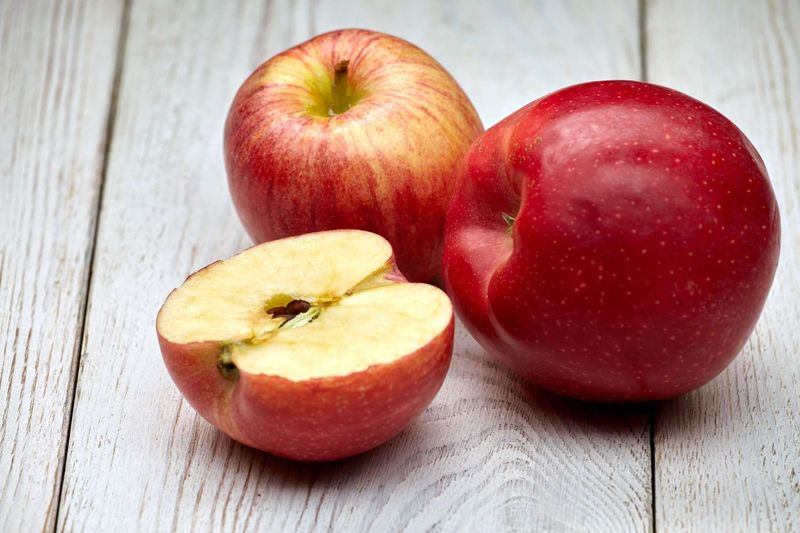
An apple a day truly does contribute to digestive wellness, thanks to its pectin content and natural fibre. This common fruit feeds beneficial gut bacteria whilst adding bulk to help regulate bowel movements.
Apples also contain polyphenols that may reduce inflammation in your digestive tract. Eat them with the skin on for maximum fibre, or cook them gently if raw fruit bothers your stomach.
10. Chia Seeds
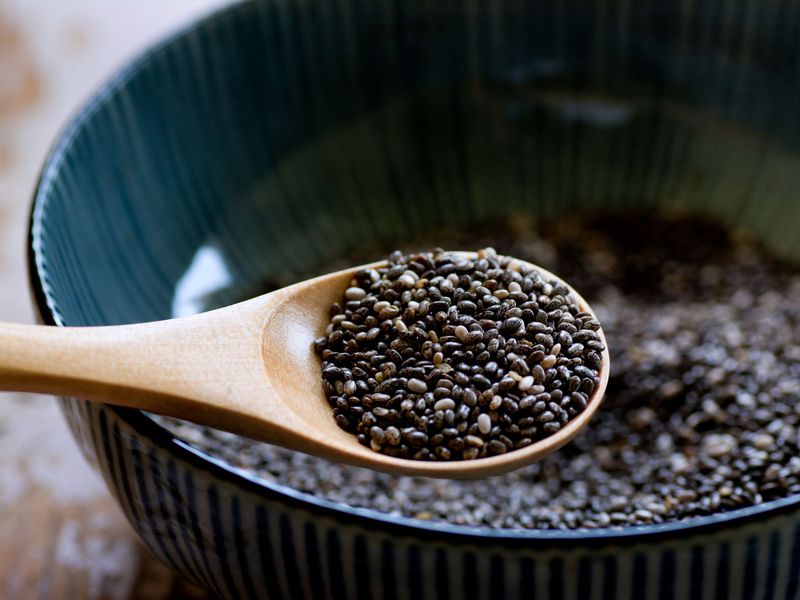
These tiny seeds pack an impressive amount of fibre into each tablespoon, absorbing liquid to form a gel that soothes your digestive tract. Chia seeds help maintain regular bowel movements whilst providing omega-3 fatty acids.
Soak them in water, milk, or juice before eating to make them easier to digest. Sprinkle them on yogurt, blend into smoothies, or make chia pudding for a stomach-friendly treat.



